

Two sea days and 2,300 nautical miles in our wake, we left the least-known islands of the South Pacific, to arrive at the heart and epitome of French Polynesia….Tahiti.
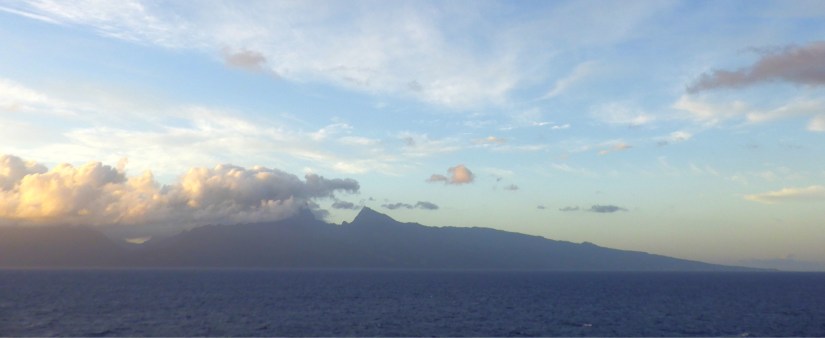
The largest in a chain of 118 islands and atolls, Tahiti is an island divided into two parts. The larger portion is known as Tahiti Nui with its three extinct volcanos; the smaller is called Tahiti Iti.
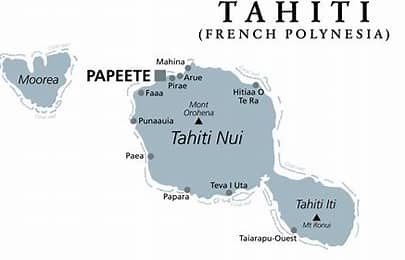
Papeete is the capital and hub for Tahitian and French Polynesian government, business and medical facilities. It is a well-developed city of 125,000 people.

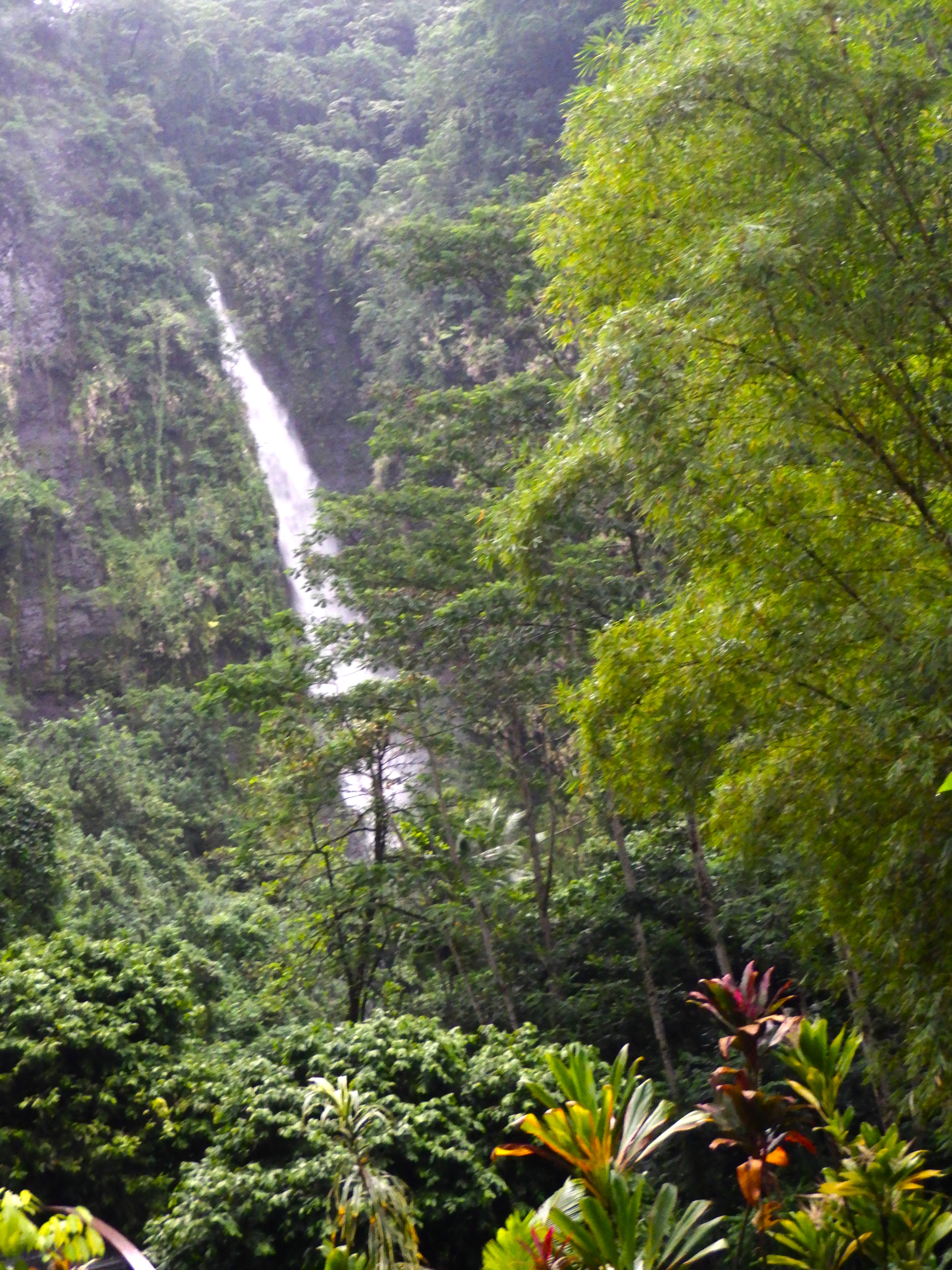
Our day ashore begins with a 10-minute walk to pick up our Avis rental car. We leave the city atmosphere behind and drive off to explore the lush scenery of interior peaks, valleys, waterfalls, grottos, black and white beaches and the neighborhoods that connect them all.


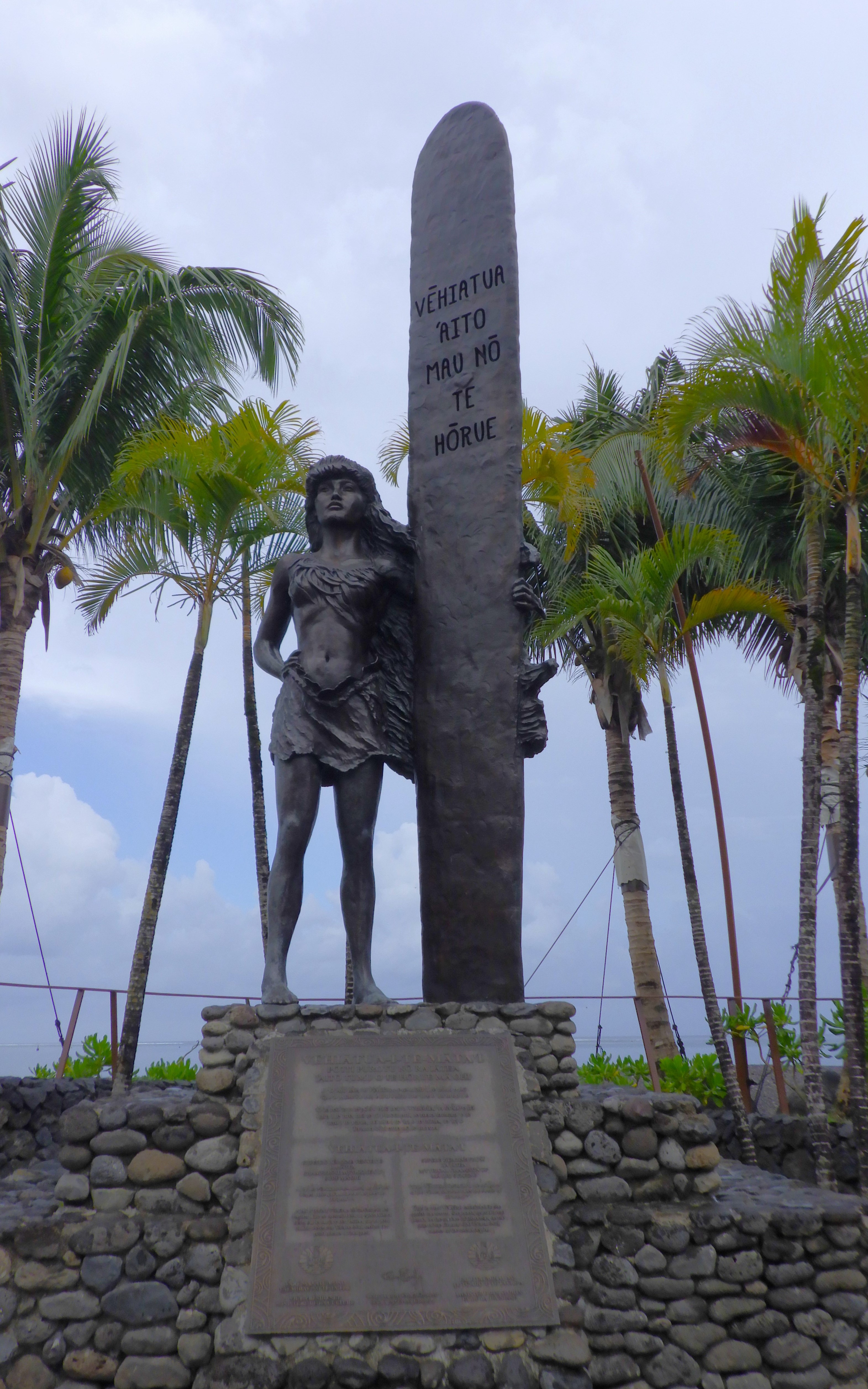
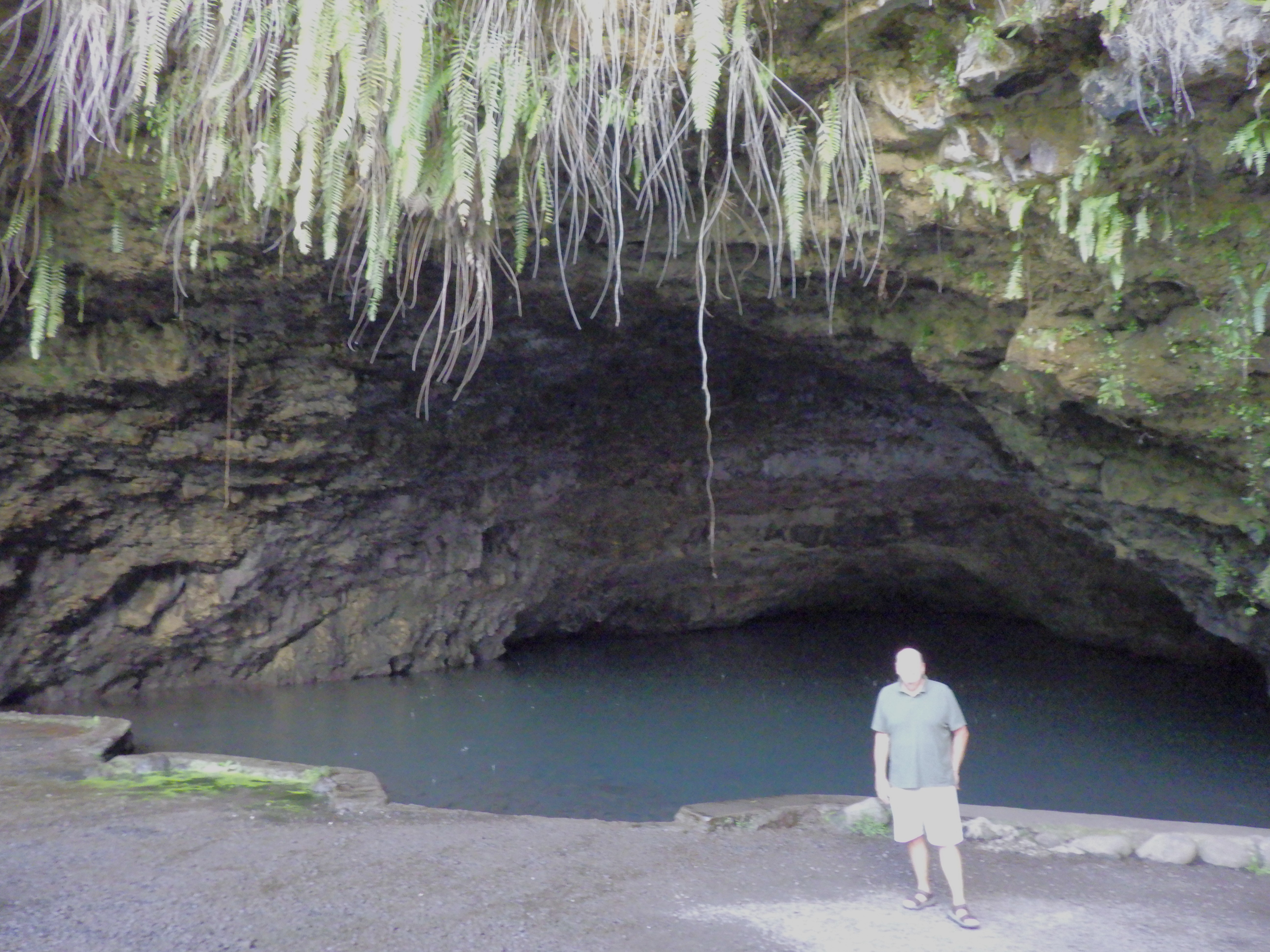
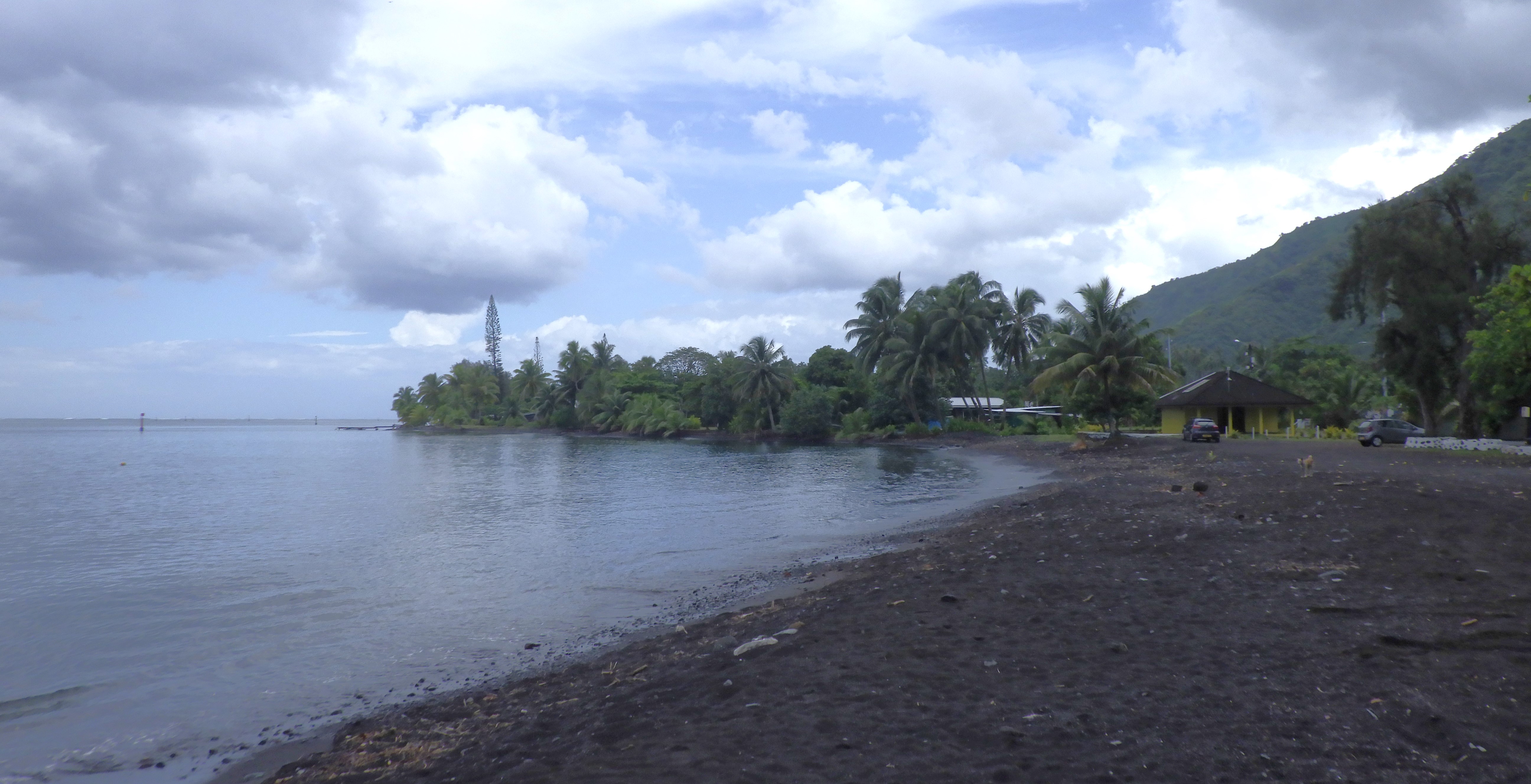
We found a great place along the shore to have lunch. I enjoyed the national dish of Tahiti, Poisson Cru, a tuna ceviche made with lime and coconut milk, while Tom ordered Curried Tuna Steak.


The intermittent but heavy showers throughout the day provided ample flow for the numerous waterfalls on the island.

The next day, Zuiderdam departs Papeete at 5am, for her short sprint to the neighboring island of Moorea, a mere 119 miles away.
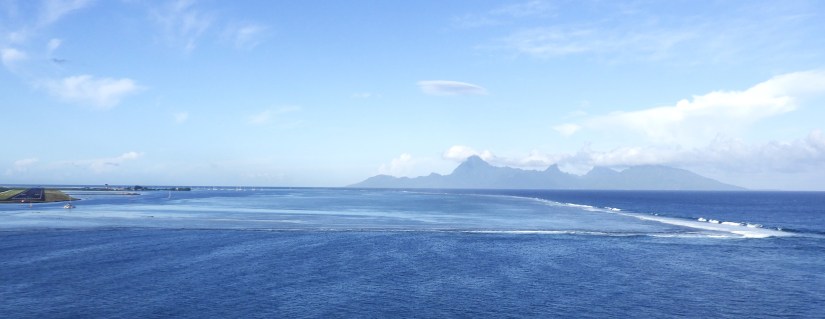
Our ship deftly enters the narrow channel leading into the breathtaking Bahia d’ Opunoha, where the towering, jagged green peaks command the scene.


We arranged a private snorkel trip that took 8 of us to find turtles, sharks, sting rays and coral reefs.
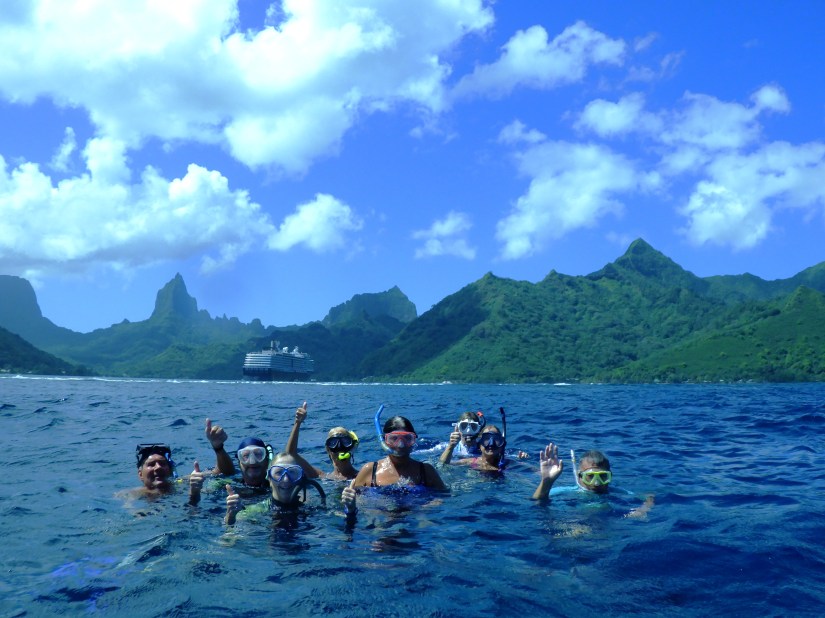
The boat ride alone was worth the trip, as we skirted inside the calm, turquoise waters of the lagoon. The water is so clear, you could almost have ‘snorkeled’ without getting wet! But the crystal clear, warm water beckoned as we all jumped in.


Our first location was deep by snorkeling standards but featured a canyon ridge rising up from the blue depths which was popular with dozens of green turtles. Some wedging themselves into the coral 20 feet below us for a midday nap, others lazily swimming about. An occasional shark meandered by.

The second stop was a shallow, sandy area where large sting rays and small sharks circulated.


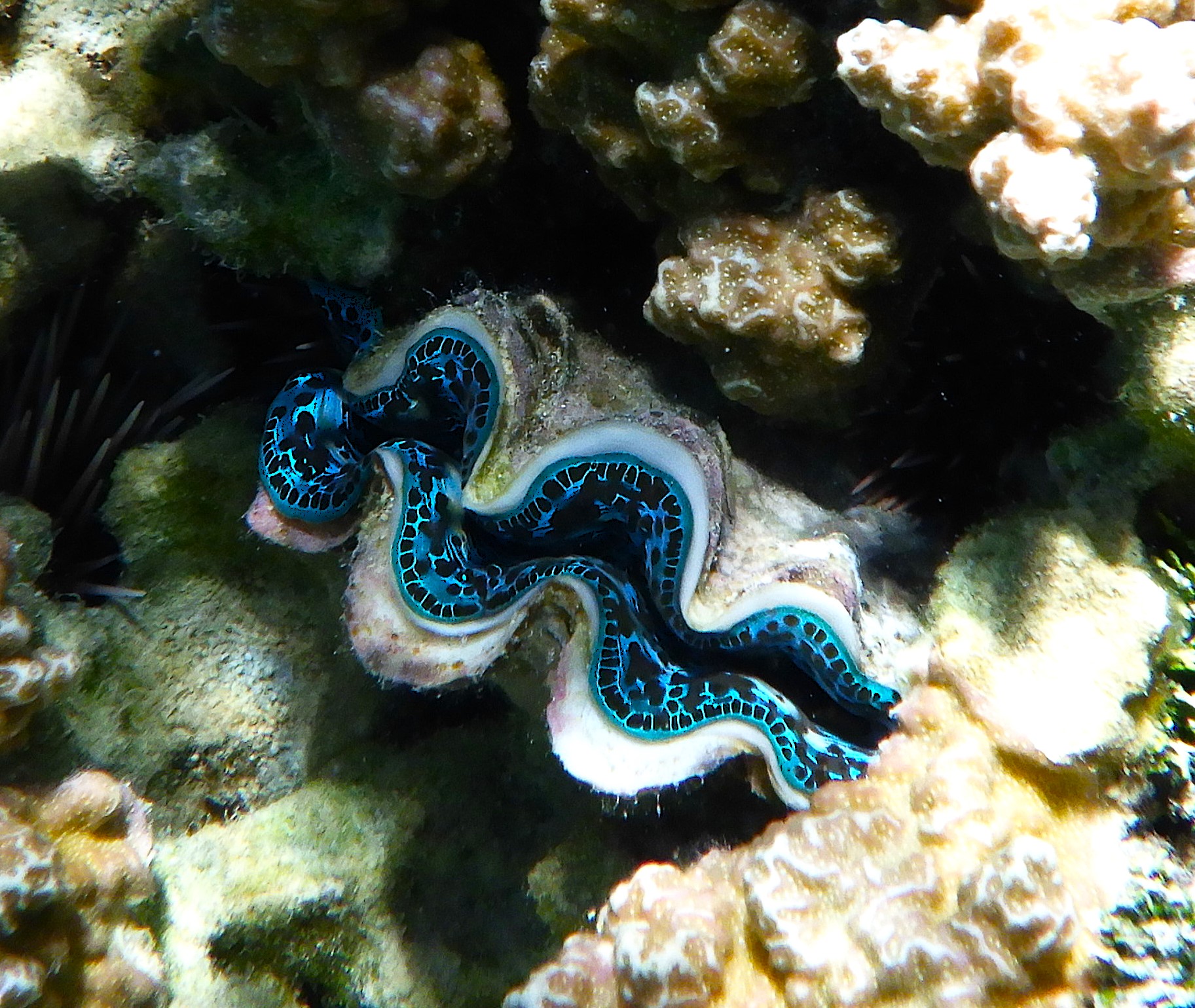
At our third location, we did a drift snorkel, letting the current propel us over patches of coral; each its own ecosystem of fish and fauna.


Our snorkel boat dropped us off at their beach headquarters (read, ‘shack’) and use of their shower (hose connected to showerhead mounted on palm tree) and changing room (scuba tank storage room). Our needs are simple!

Thereafter, we walked next door for our noon lunch reservation, with open air dining and an incredible view.

Back to the ship for well-earned naps before the late afternoon sail-away social on the aft deck. We wave goodbye and say, “A hia hou”, which literally means “See you next time”.

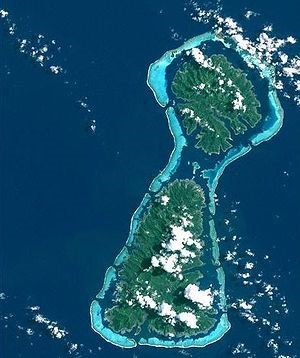
Part of the Society Islands, Raiatea is an island 12 miles long with approximately 13,000 people. The dramatic peak of Mount Tefatoaiti rises to over 3300 feet and keeps vigil over the spectacular lagoon that includes the neighboring island of Tahaa to the north. The coral barrier reef encircles both like a halo.
An afternoon excursion allows us a morning stroll along Raiatea’s main street of Uturoa.
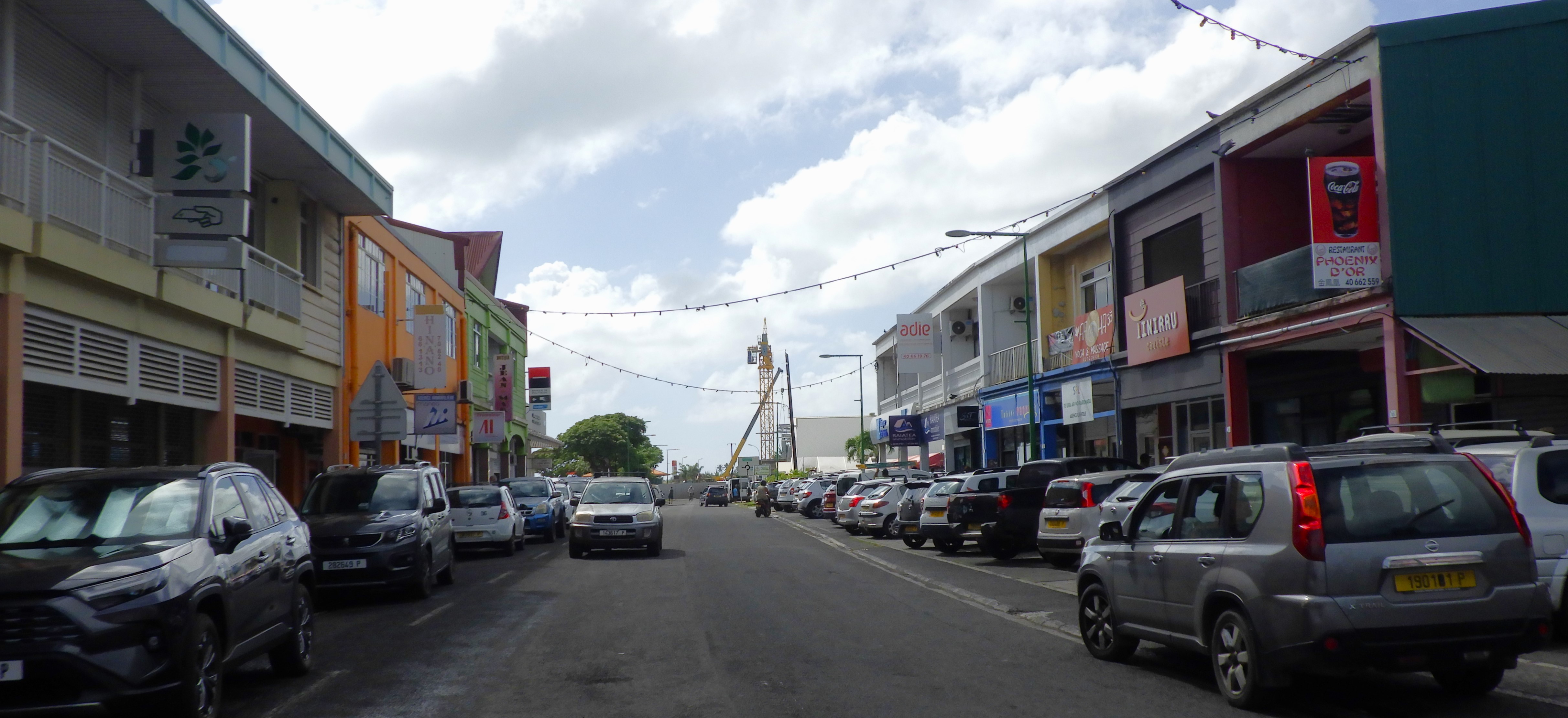
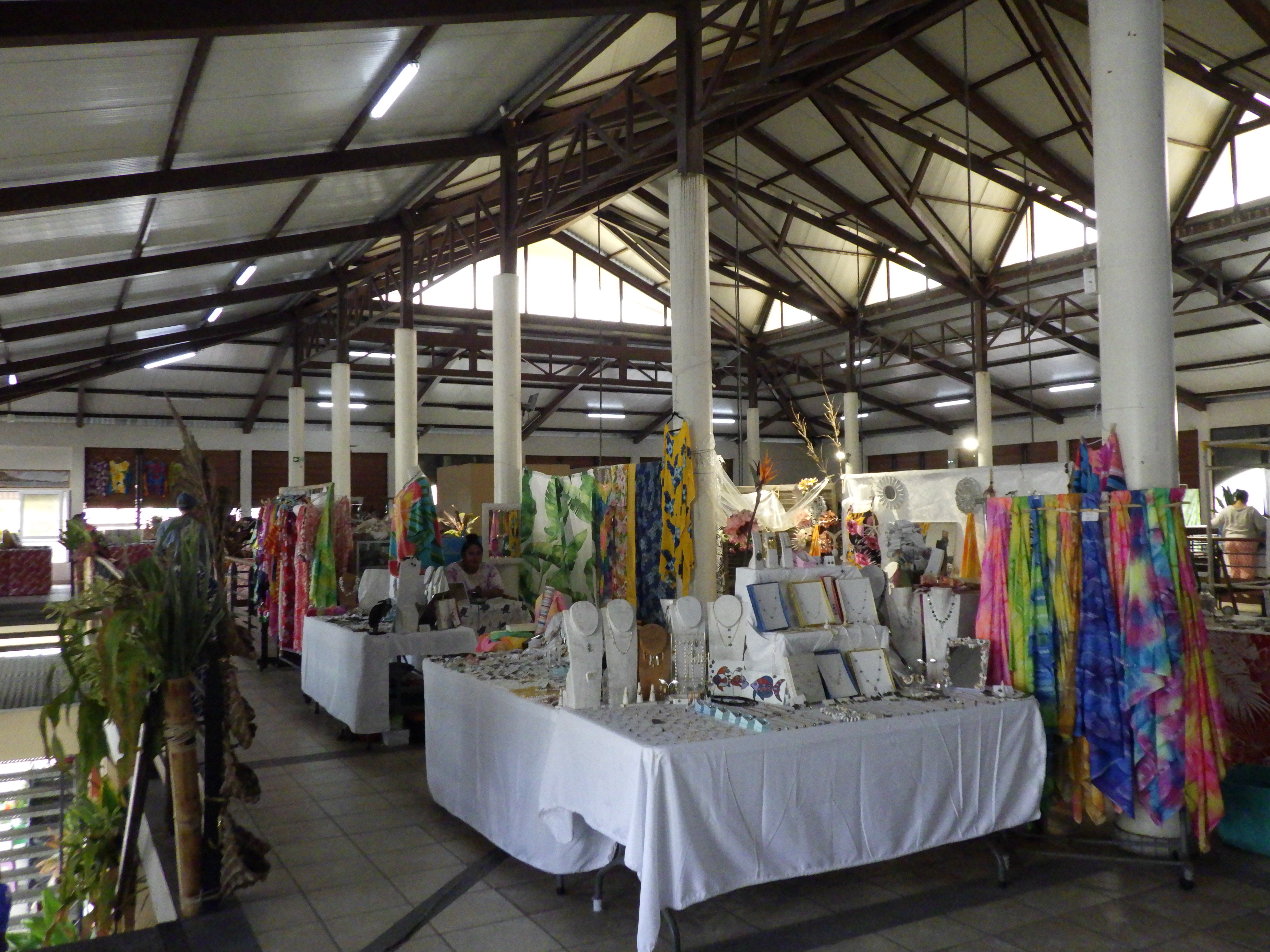
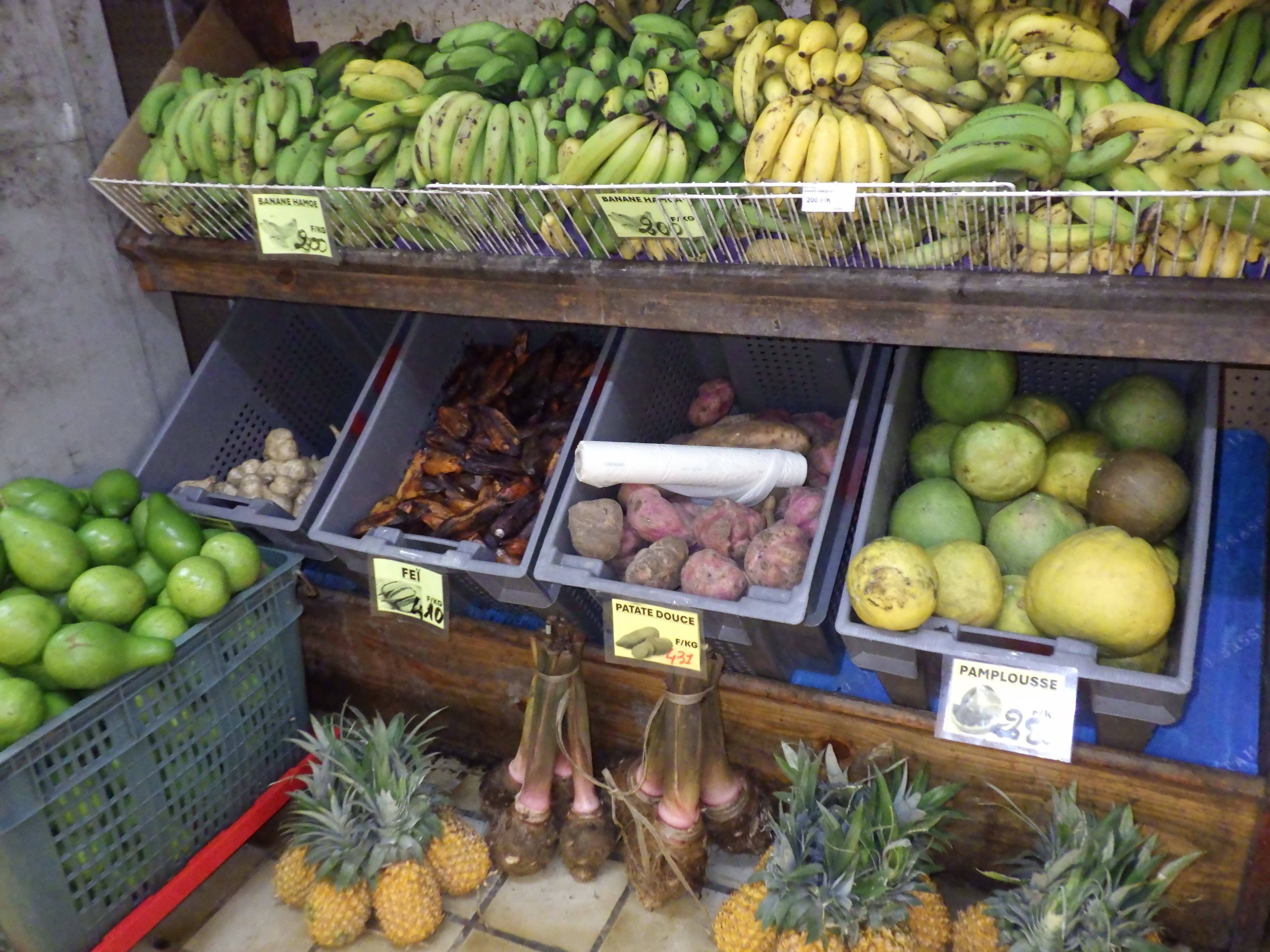
As our visit here coincides with the Chinese New Year, we come upon a Dragon Dance. Celebrated worldwide, these energetic performances accompanied by loud drumming and firecrackers are believed to bring good luck and scare away evil spirits. Businesses will invite dragon dance troupes to perform to attract prosperity and good fortune. Shop owners then offer customary red packets (containing money) to the dragon as a gesture of goodwill and blessings for the coming year.


A festive morning leads to an equally enjoyable afternoon. A local boat whisks us through clear, shallow waters inside the lagoon. Within 40 minutes, we reach our destination, a cut between two motus (small islets) inside the lagoon. Alongside the beach, we disembark with snorkel, mask and fins.
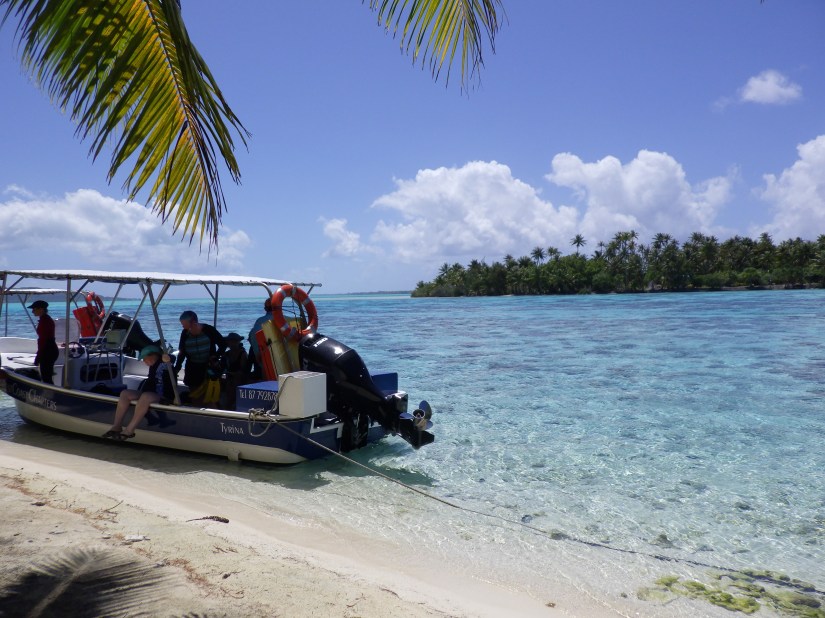
Entering the water, we walk out towards the flow of current produced by the incoming tide. We don our gear and enter the slip stream that sweeps us along the tops of the coral garden, like a magic carpet ride.

It’s an IMAX cinematic reel as we drift through a colorful underwater display.
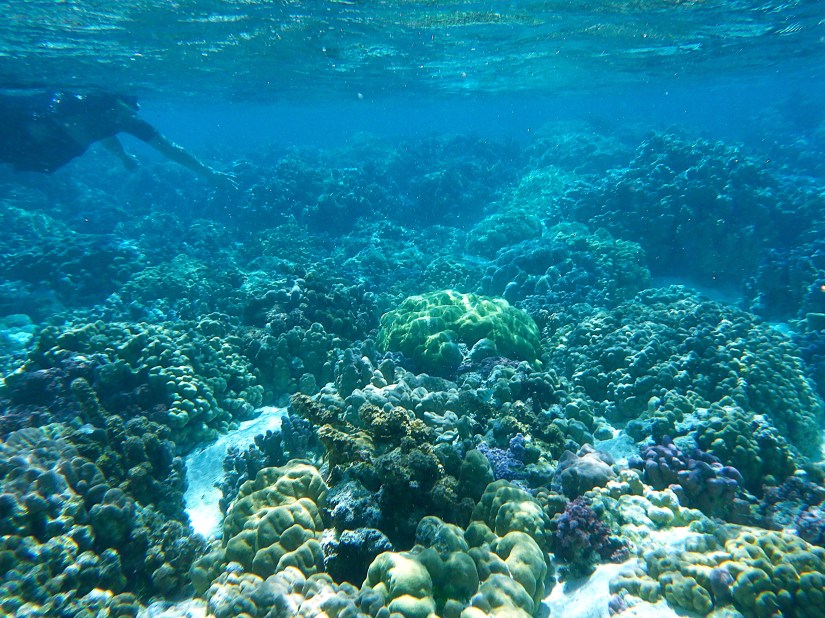
Clownfish hover amongst swaying anemone fingers, schools of iridescent blue fish dart out of our path and clutches of staghorn coral pass inches beneath our bellies.

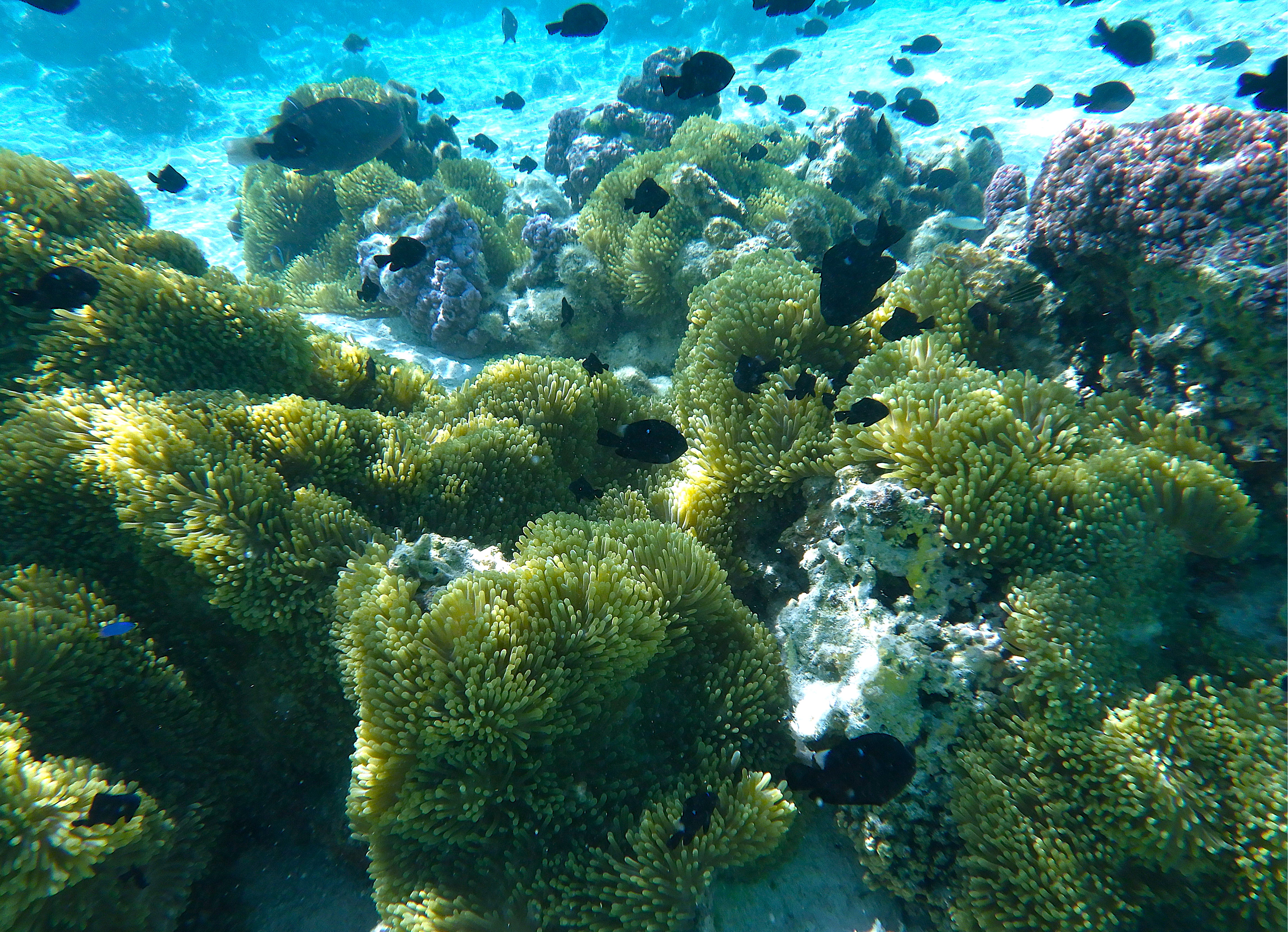
Reaching the shoreline again, we nimbly avoid the juvenile sea cucumbers strewn in the sandy shallows as we exit the water to walk up the beach and do it all over again.

The second run was even better than the first, by manipulating our course to lengthen the experience. We could have stayed here all day!

Leaving the Society Islands, we transit another 542 miles west to find the Cook Islands. Made up of 15 islands spread over 849,425 square miles of the Pacific, those living here are considered citizens of New Zealand. Our destination is the island of Rarotonga.

Isolated columns of rain dot the horizon as we approach Rarotonga at sunrise.


Once anchored, the rain abated, and we tendered to the town of Avarua, to collect our rental car for the day. Having rented a car here a few years ago, we know what to expect: vehicles have their steering wheels positioned on the right side, which places the manual shifter on your left. If that’s not enough of a brain bender, you will also be driving on the left side of the road. But never mind the complexities because it’s just one road that encircles the entire island. Without stops, the entire loop might take you 1.5 hours.

Our first stop is the Aroa beach, lagoon, and marine preserve for what has become our favorite place on the planet to snorkel.

The lagoon waters are warm and calm, and the bordering coral reef provides a vibrant playground for us to explore. We plunge into a world where coral gardens and underwater landscapes are home to schools of fish that flow like underwater rivers.

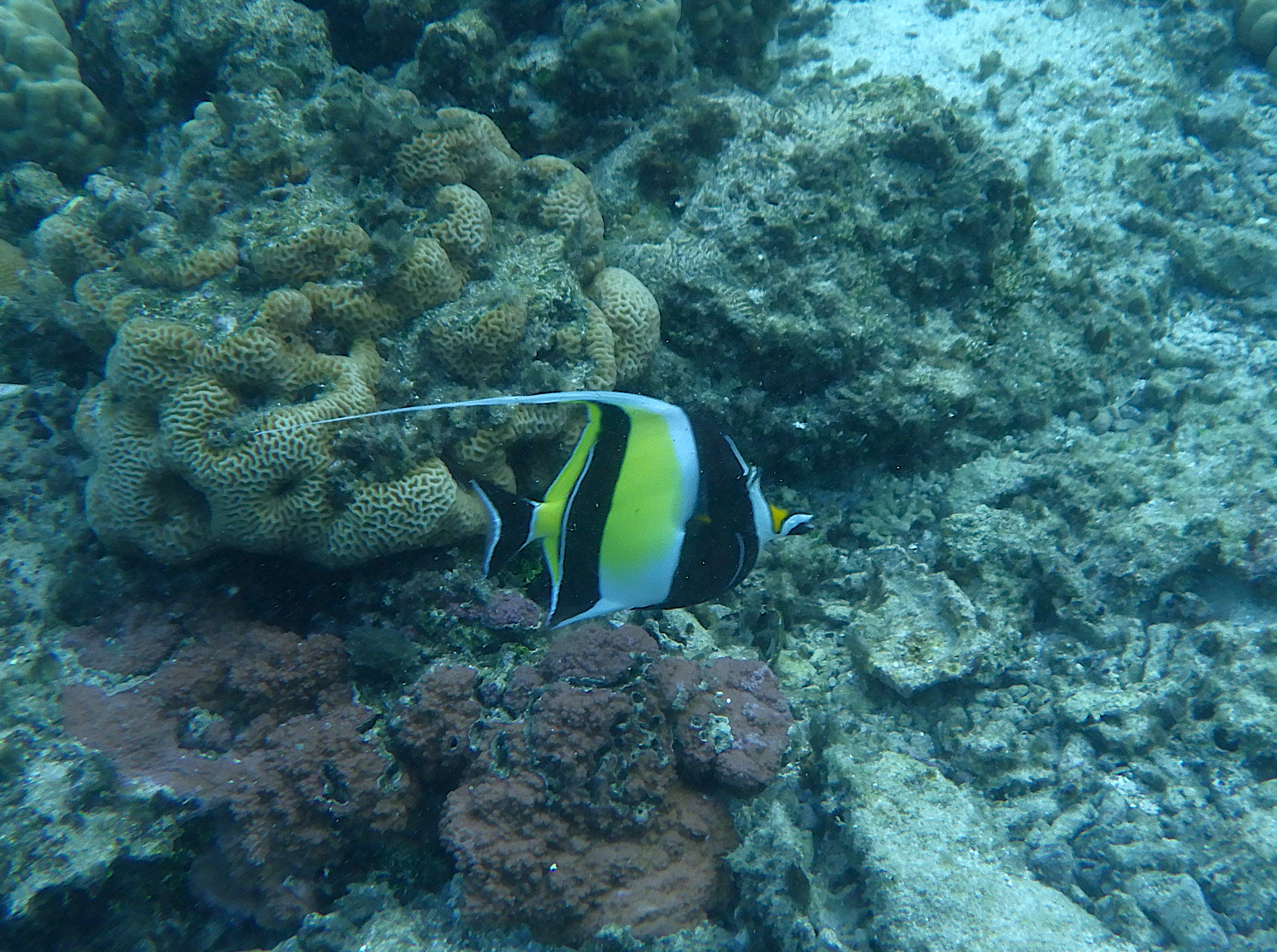
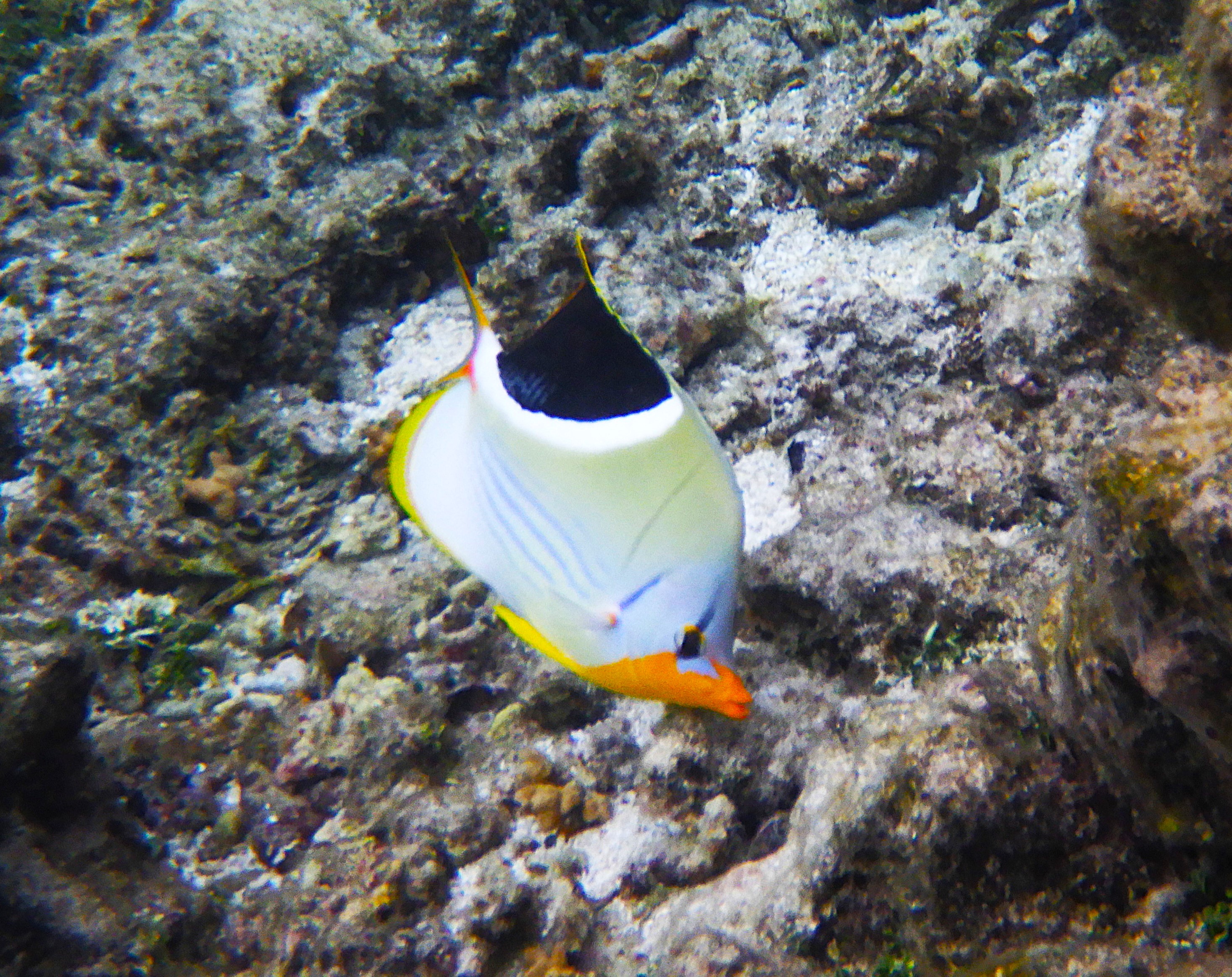
Beyond the beautiful tropical fish, turtles and eels, our precious find today was a 10” Spanish Dancer nudibranch. This flamboyant sea slug typically hides during the day, so it’s a very lucky sighting.


After a public freshwater shower at the beach and dry clothes, we’re off to find lunch at our next stop, the Rarotonga Sailing Club. We watch the kids launch their sailing dinghies while waiting for our meal.

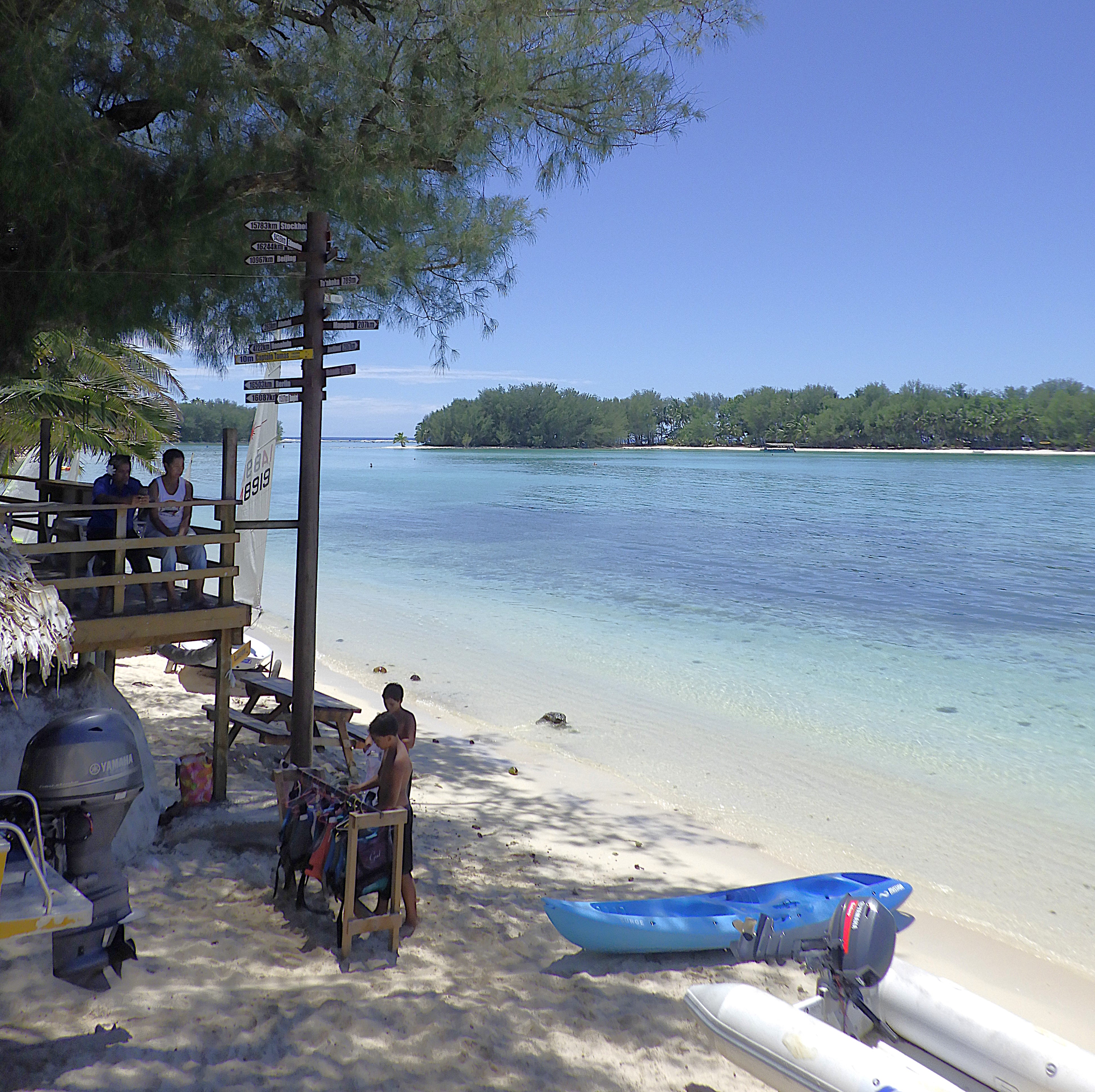

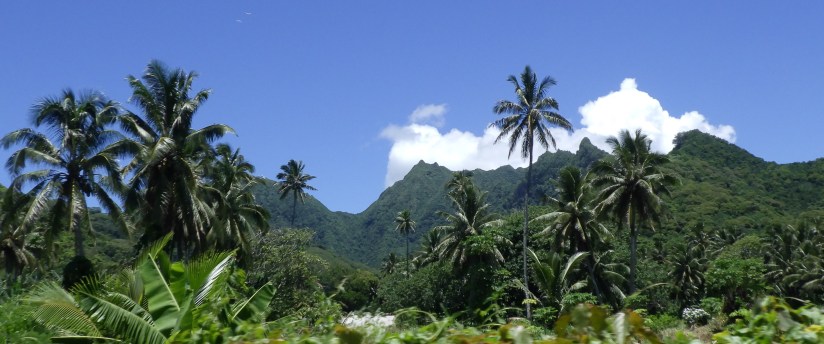
Our drive continues with views of towering peaks, dense jungle, local homes, beachside villages and guest houses. Mini golf also seems very popular here.

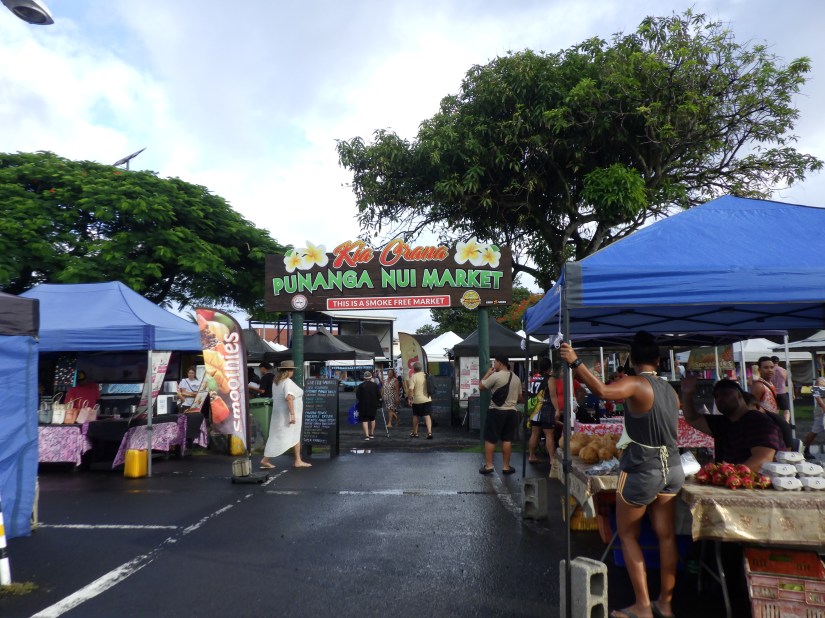
The Saturday market is filled with produce, handicrafts and fresh fish.
Rarotonga has found its way into our hearts and look forward to another visit!
Zuiderdam continues on her westward track and crosses the International Date Line, resulting in the ship’s clocks ‘theoretically’ being turned forward 24 hours. Therefore, February 3rd did not exist for us, and we jumped right over to February 4th!

Thick clouds and steady rain greet us in Nuku’alofa, The Kingdom of Tonga.
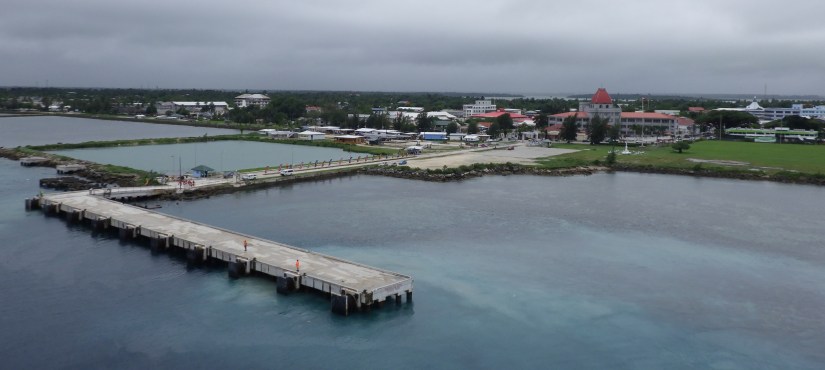
There are two low-pressure weather systems in our area that our captain is monitoring; one of which is Cyclone 15P. It is westward of us by a few hundred miles, so while we don’t have any wind yet, the rain bands have a long reach.

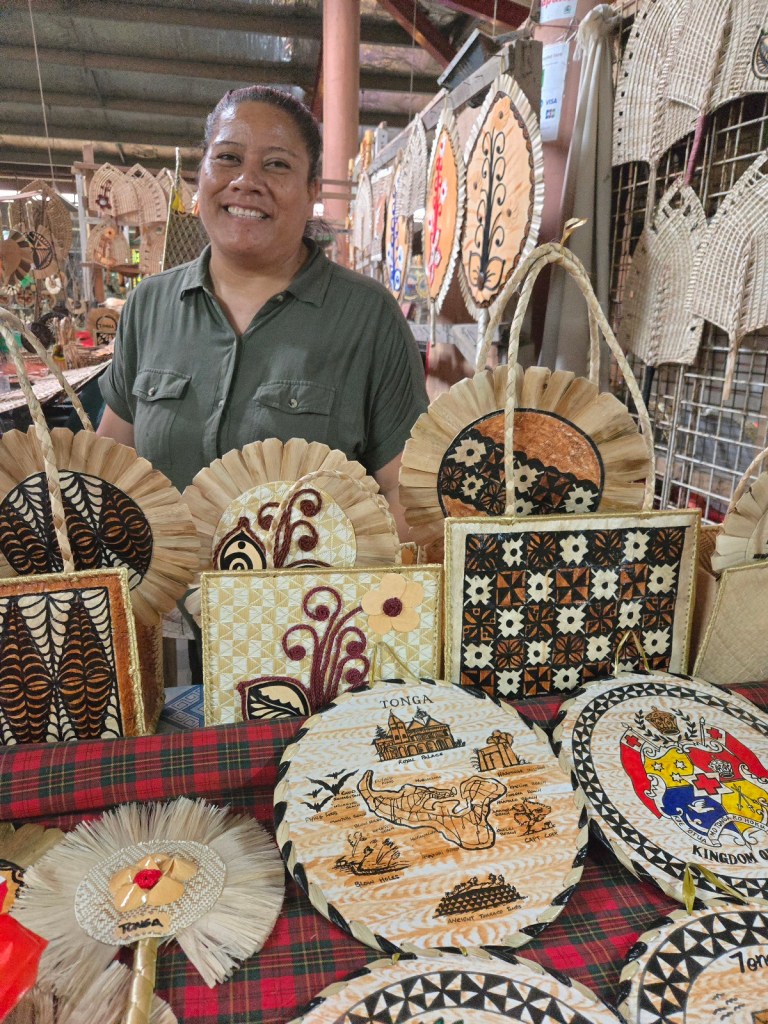
Having visited here a few times in the past, we don’t feel like the rain will impinge on our day, other than getting wet. In fact, other than perhaps going snorkeling (again!), our only mission today is to purchase local art. Special to Tonga are tapa cloth paintings.
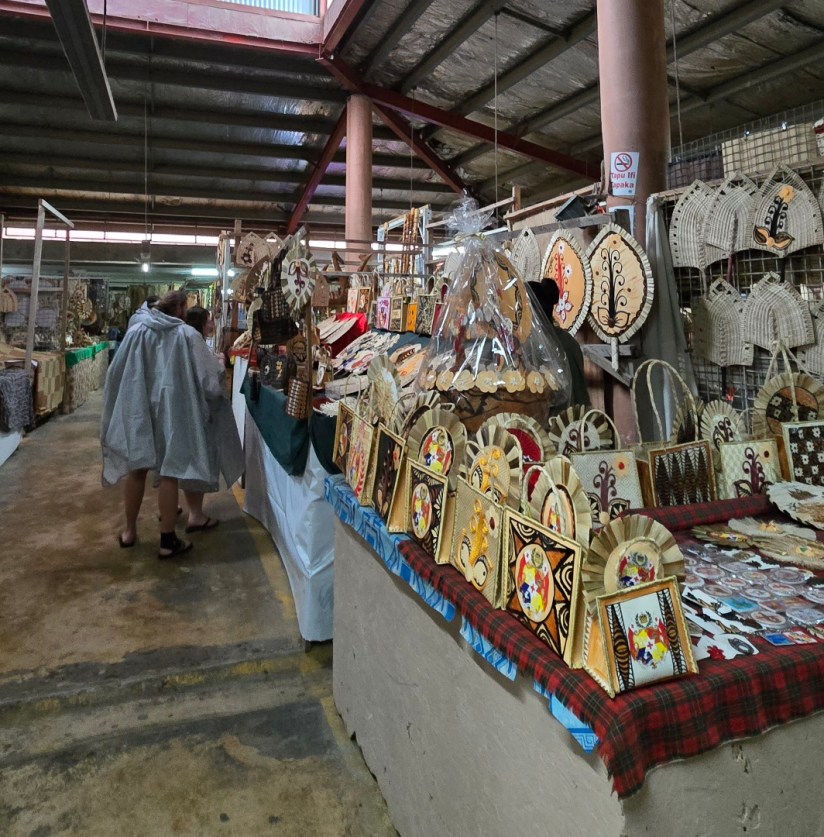
Tapa cloth is made from strips of bark from the paper mulberry tree. The strips are generally cut about one hand wide and maybe 4-6 feet long. The bark is then beaten on a wooden anvil using wooden mallets. The beating process makes the bark thinner which spreads to a width of about 9-10”. Several strips then beaten together to make a larger sheet, called a tapa cloth. A knife or sharp shell, named mutu, is used to trim the edges. The tapa cloth may now be painted using two types of ink made from the tongo, or mangrove. Both koka and tongo paint are always brown, but the latter is much darker. Needless to say, a lot of time and effort goes into each of these beautiful works. We were happy to purchase 2 complimenting pieces for our home:

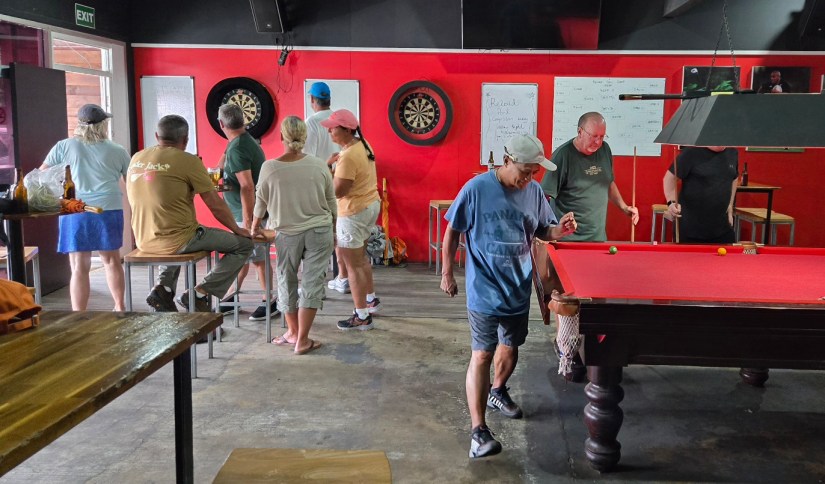
The heavy rain showed no signs of abating. Our soaked jackets and dysfunctional umbrella were now useless, so we found refuge in The Reload billiard and dart hall. And so did several other cruise ship friends, creating competitive teams for both sports that occupied us for hours.
Our two-day passage contains higher winds and some rolling seas, lingering effects from Cyclone 15P. The Captain altered our course further north to avoid the brunt of this low-pressure system, but the rain persists. Pushing through 1,076 nautical miles, we reach the French territory of New Caledonia, comprising of dozens of islands with a Polynesia flair. Noumea is its capital city, with just under 100,000 people.

We board a 12-person Zodiak and zip out of the harbor, past Zuiderdam and into the bays that surround the peninsula and city of Noumea.
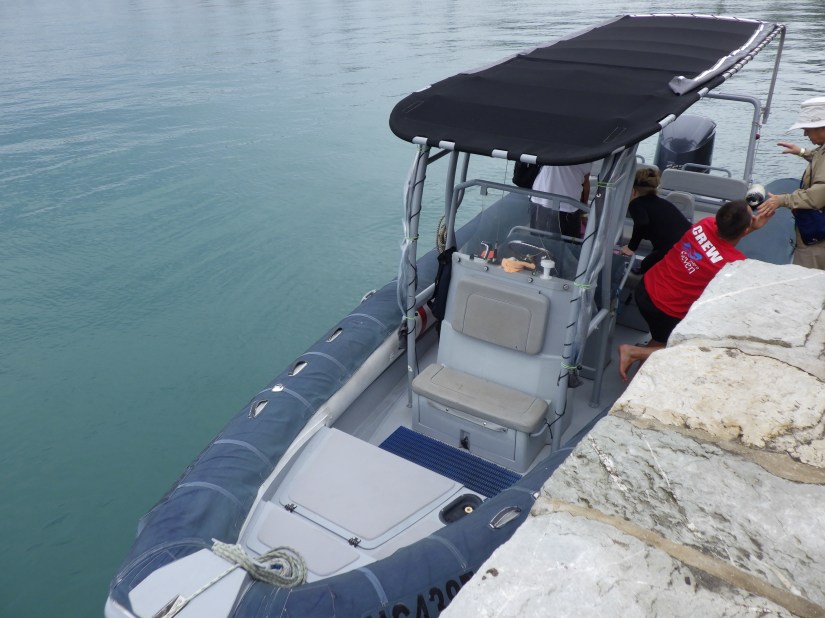
Our 20-minute ride takes us to Duck Island, a coral islet and marine preserve in Anse Vata Bay.


Stepping ashore, the local host welcomes us by explaining that they had 50mph winds last night from Cyclone 15P, that they were still cleaning up from.

And the normally clear water for snorkeling was also a bit murky. Tom jumps in to investigate. But I awoke this morning with the Zuiderdam head cold that has been circulating around, so I opted for the beach chair and umbrella that kept me dry from the occasional drizzle. The snorkeling may have been marginal, but the Zodiak ride made up for it.

We are now underway with another two-day run of 1,044 nautical miles, as we make our way southwest towards Sydney, Australia…. Much more to come!!

Discover more from Life in Nautical Miles
Subscribe to get the latest posts sent to your email.
 Life in Nautical Miles
Thanks for sharing, especially the underwater pictures. R&S
>
LikeLike
Hi Randy & Sandy! Thanks for your note. Hope all is well with you and you’re enjoying some southern sunshine!
LikeLike
Wow that looks like theeee spot to go snorkling. Stay safe and have fun.
LikeLike
Hi Bob and Michelle- Thanks for your note! You guys would absolutely love this snorkeling. Wish you were here! Love ya!!
LikeLike
Wow! What fun. You and Tom look great! Of course, the snorkeling pics are my favorite. We’re headed to Eleuthera this spring. Can’t wait!
LikeLike
Hi Leisa, Thanks for your note! You always come to my mind whenever I am lucky enough to swim with turtles. Hope you and Rob will see some in Eleuthera…have a great time!
LikeLike
You take the most fantabulous underwater pictures! Of course your on-land photos are equally beautiful. Narrative makes me feel like I’m there!!
Lynne
LikeLike
Thanks for your kind words, Lynne! Hope you and Lenny are doing well-
LikeLike