

Life At Sea: Out of the 128-day itinerary, we have 60 sea days. One of the longest stretches of sea travel we have are the 8 days before our landfall in the Marquesas Islands. You may wonder, what do we do all day?? Never a dull moment, actually! Since this long sea passage happens so soon after coming aboard, we use some time for more unpacking and organizing to make our 250 square feet cabin comfy and orderly for the next 4 months.


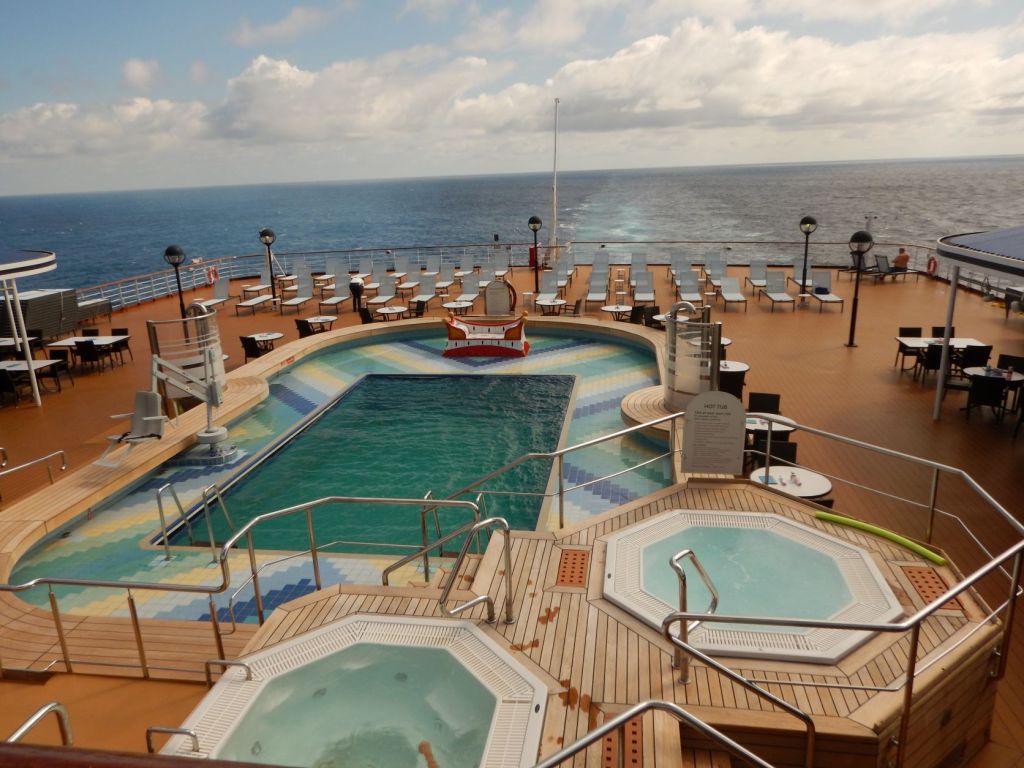
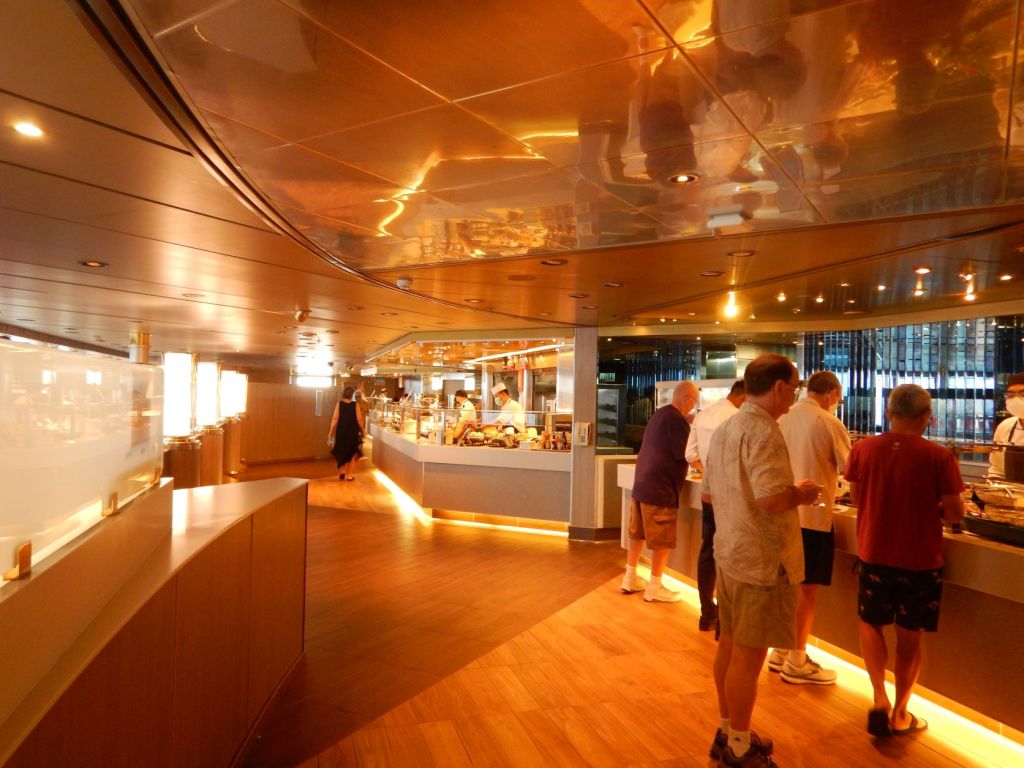
Then there is the fun daytime stuff: pickleball, swimming, watercolor painting, reading, catching up on the computer, walking on the open-air Deck 3, the fitness center, napping and of course, the wonderous three square meals a day. A wide variety of classes, for instance Ukulele lessons given by the Polynesian Ambassadors who are on board right now. Also, the fascinating lectures by visiting speakers, including geologists, retired Naval Captains, astronomers, etc., giving talks about the area we are currently traveling through. Lastly, there is always a rotation of activities on the schedule should one choose to partake: ping pong, chess, trivia, Mah Jongg, playing bridge, arts & crafts, etc.



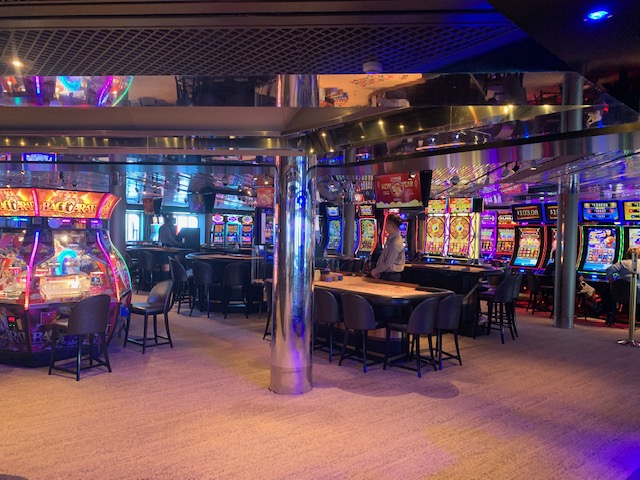
After dinner, we also have many choices for entertainment. Performances on the Mainstage include comedians, magicians, singers/dancers, instrumentalists, movies and ‘What’s In Port’ presentations, etc. The Rolling Stone Lounge features a seriously talented house band, and the Billboard Lounge offers a dueling piano-style of entertainment. The Lincoln Center hosts classical musicians. If you are feeling lucky, the Casino is waiting for you.


But for those nights you just want to chill, movies on-demand are available in your cabin. And you can’t beat just grabbing a lounge chair on the back deck, gazing up at the stars and listening to the ships wake. Here in the southern hemisphere, we are viewing lots of different constellations than at home, like the Southern Cross. It’s no wonder that the Crosby, Stills and Nash song of the same name seems to play in our head as we near the Marquesas Islands. The Marquesas are a group of volcanic islands in French Polynesia and considered one of the most remote in the world. The group lies 852 miles northeast of Tahiti and 3,000 miles west of Mexico (the nearest continental land mass).

After 8 sea days since leaving the Panama Canal, it seems that the entire ship is awake early with excitement of our landfall. Dawn is breaking when Nuku Hiva, Marquesas, looms into view and we make our approach. The passage into the harbor is magnificent, flanked by high ridges of topical vegetation. A silver thread of a waterfall is to starboard.

The Zuiderdam creeps further in until our bow edges into the mooring field. We practically drop anchor behind a 50 ft catamaran from Copenhagen with a group of divers preparing their gear. What a sight it must have been for them; being in the shadow of our great overhanging bow along with an imposing bulbous nose protruding at the waterline. The Zuiderdam backs down on her anchor leaving the catamaran a safe 400 yards away. Our ships azipods will also keep her in position, away from the nearby rocky shoreline. (The term “Azipod” combines the words “azimuthing” and “pod.” They work by having the propeller located on the front of its pod. This allows the cruise ship to be pulled through the water rather than being pushed as in a traditional shaft and propeller system.)
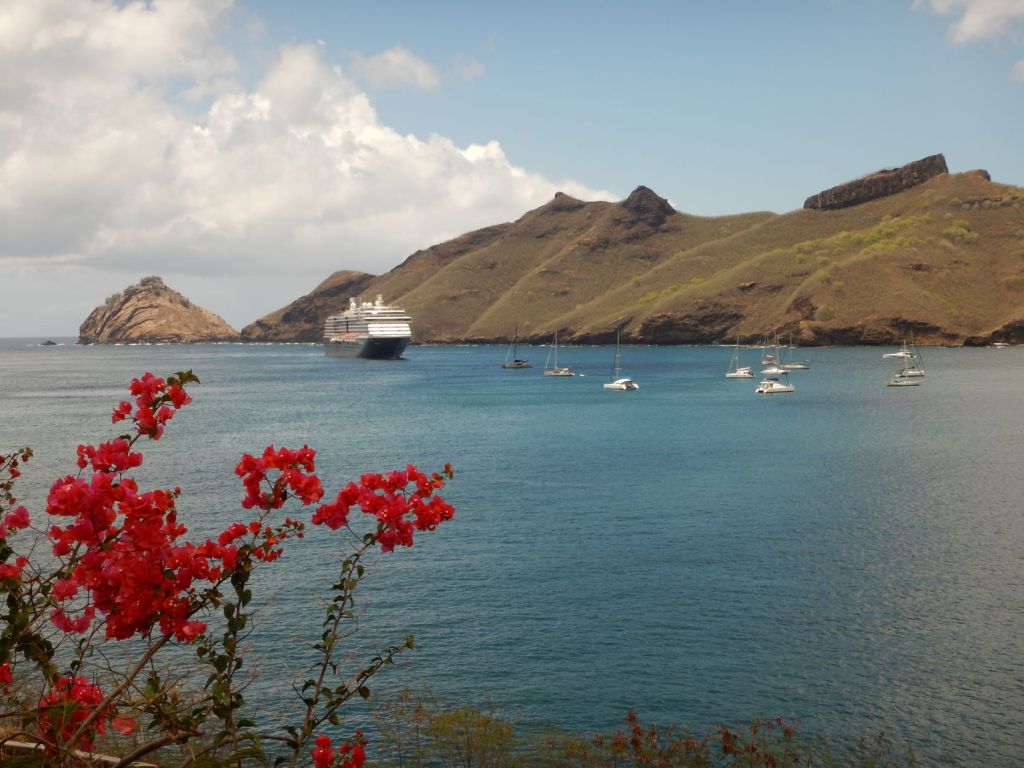
It’s 8am when we ride the second tender to shore, being welcomed by a local, traditionally-tattooed Marquesan playing native drums. The artisan market vendors were scuttling about, getting their wares set up. They’re known for their wood carvings, black pearls and tribal art. They seem as excited as we are…while it may be our first landfall in 8 days, we were told that they only receive 4-6 cruise ships a year.
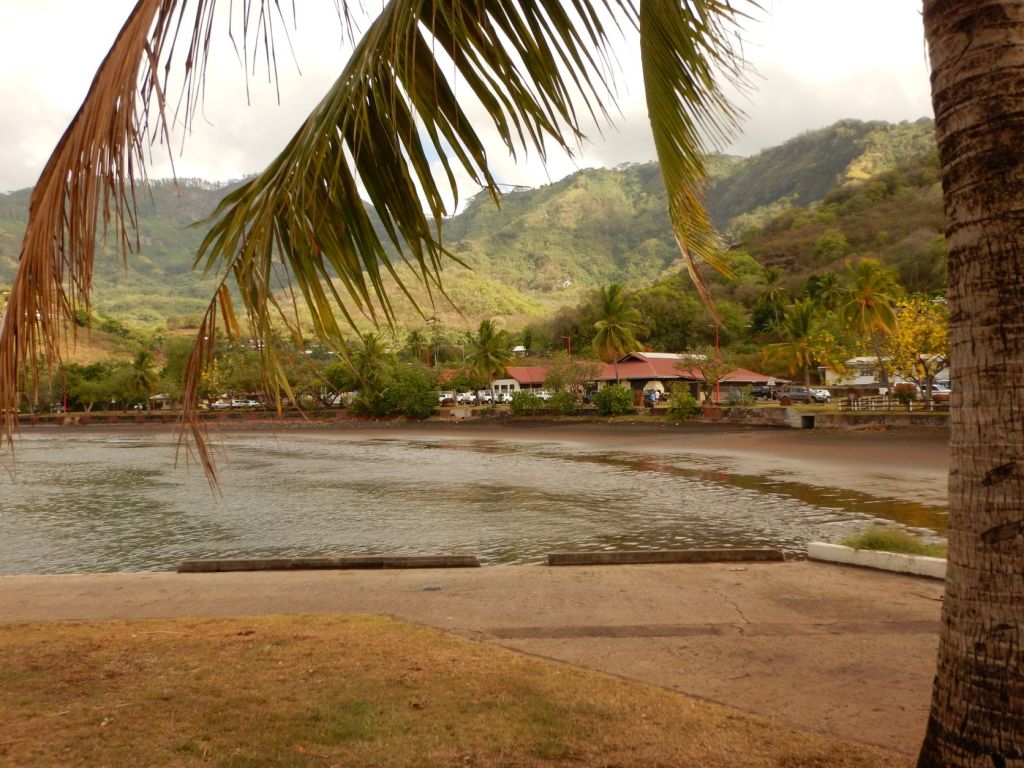
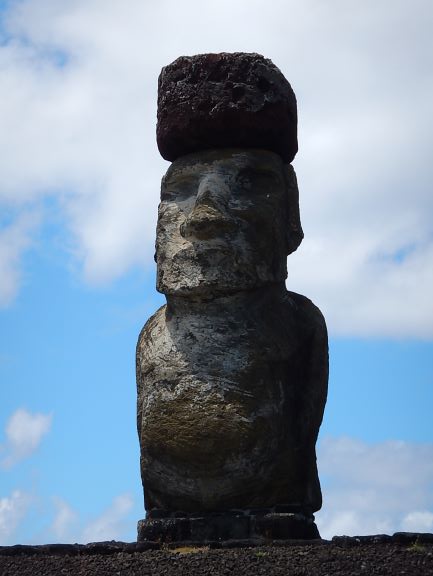
We begin by walking the main street, which is no more than a two lane, sometimes dirt/gravel road. Schools, churches, homes and one pizza shop. Ancient stone statues stand sentry to this village, some looking out to sea.


After 2.5 mile walk in the tropical heat, we arrived at a boutique hotel, quenched our thirst and enjoyed the elevated view of the harbor with Zuiderdam at anchor. At least our return walk was downhill. Nuku Hiva is immensely beautiful and a taste of more South Pacific islands to come. But first, two more sea days.
Trouble in Paradise: That evening, I noticed a new, ‘smudge’ of a floater in my lower left eye before going to bed. Uh-oh. While on deck in the bright sunshine the next morning, the smudge suddenly became dark, spidering streaks and I immediately sought shade and the medical center aboard. They dilated my eye and could determine that while there was no retinal detachment, their limited equipment couldn’t rule out a hole or tear in the retina. Torn retinas may become common between ages of 50-70 and being near-sighted (like me) is one of many factors that can increase the risk.
Our landfall in Papeete, Tahiti the next day allowed a visit to an ophthalmologist for full exam. The doctor was French-speaking (naturally, as we are in French Polynesia), but he spoke very good English. After a thorough dilated exam, he confirmed that I had a ‘hole’ in my left retina. He also indicated that my lower right retina showed an area of weakness, which by itself was not an emergency but given our extensive and sometimes remote travel and timeframe, he recommended repairing that also. Gulp. Ok. Naturally, we did grill him on his credentials, how many of these surgeries he’s performed, etc. etc., as it was a bit daunting to suddenly be faced with this remedy without a doctor your familiar with! He performed laser repair on both eyes. So far, all seems to have gone well. I will have a follow-up ophthalmologist appointment while in Sydney, in about 3 weeks. I’m told that the floaters may remain. Meanwhile, I’m avoiding any jarring activities (pickleball, etc), nor am I snorkeling or anything like that until after the follow up appointment. The good news is that it is pretty simple to take it easy aboard the Zuiderdam! And now that the internet availability is becoming better, I especially hope to catch up on my journaling and blogging.
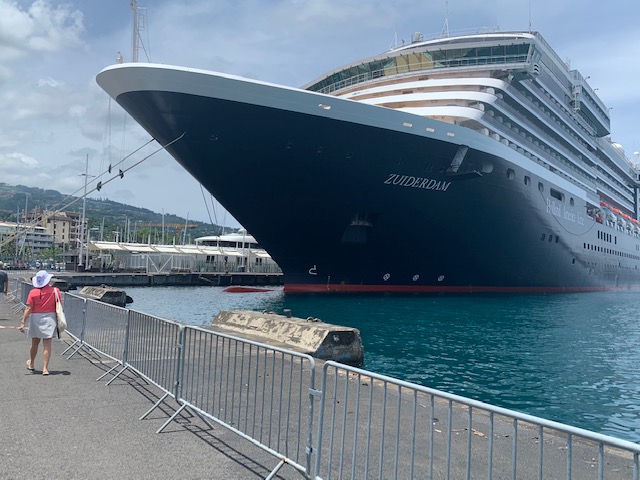
In the 18 days of this voyage so far, we have sailed 6,274 nautical miles. As we travel westward, we have been routinely turning back our clocks one hour at a time. Waking at 5am has not been unusual, in fact welcomed, as it seems to coincide with viewing our arrival into a new port. Only a few miles from Tahiti, the silhouette of Moorea reveals itself at first light. We make our way around the coastline towards Bahia D’Opunoha. Despite some cloud cover, it’s an absolutely stunning approach with its jagged, emerald peaks. The famous peak of Mount Tohivea comes into view. Locals refer to it as Bali Hai. The camera simply cannot do it justice.
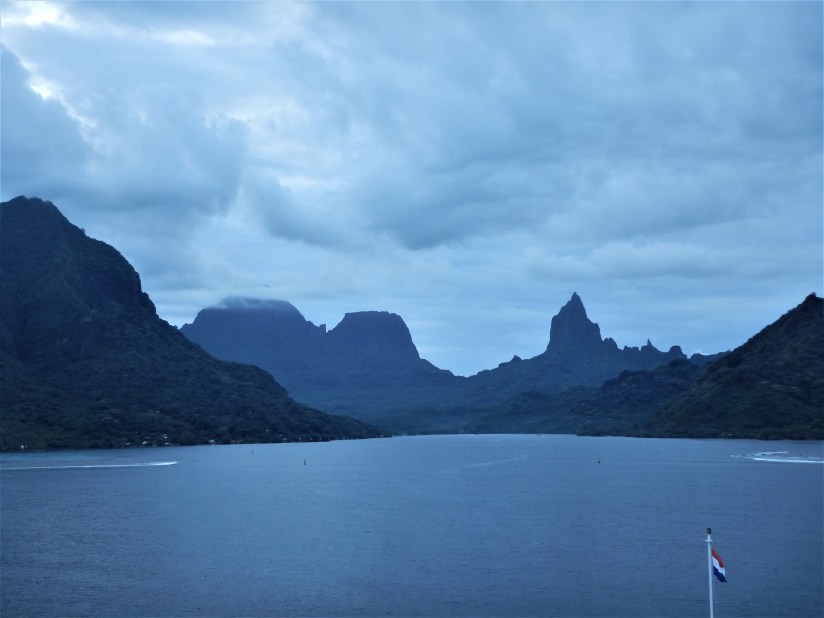
Once tendered ashore, we decided to take a tour of the island. It’s a group of nine of us aboard a bus that would otherwise hold 14. Our driver, Bryan, takes us on the 40-mile circle route of Moorea, beginning with a fantastic view from atop Belvedere, looking out to sea.

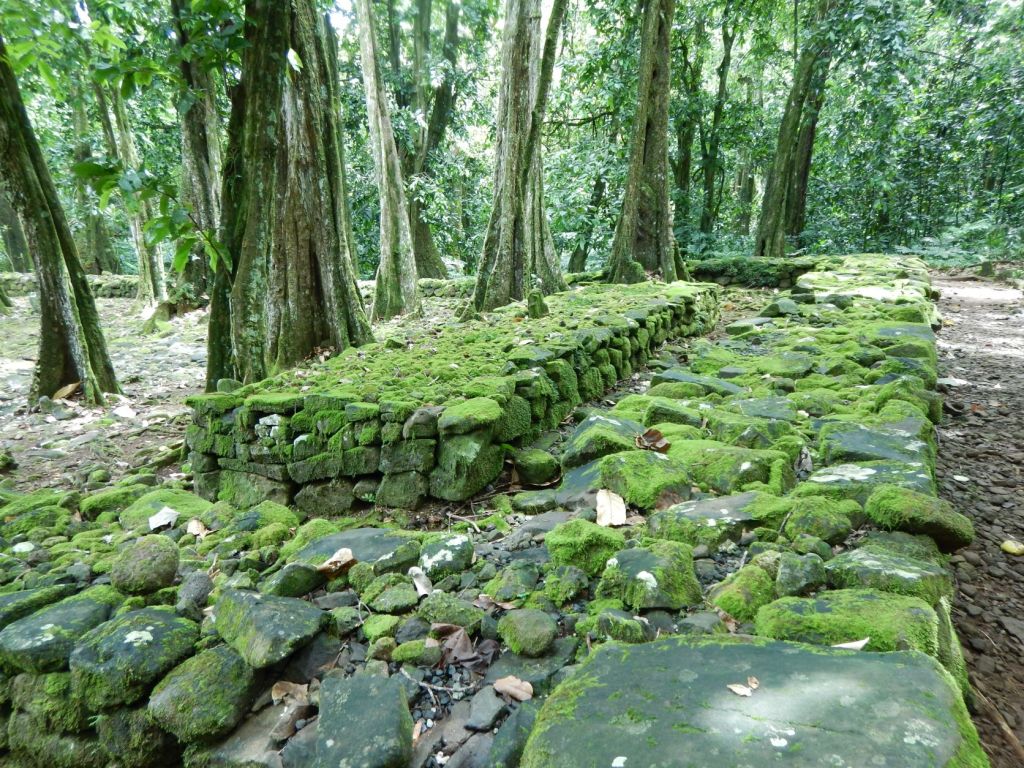
Next, we visit a historical sacred area, where long ago the natives would perform human sacrifices. The stone platform shown is where the beheading would take place. It was so long ago that tall trees now stand guard.
Resuming downhill, we pull over on the side of the road to a pineapple field. A small, vibrant yellow and incredibly sweet variety. The surrounding trees offer wild-growing soursop, papaya, breadfruit and coconut, which Bryan cuts open for all of us to enjoy.

Back down to sea level, we continue our clockwise route as it begins to drizzle. Passing through numerous villages and settlements; the locals are going about their Sunday activities.

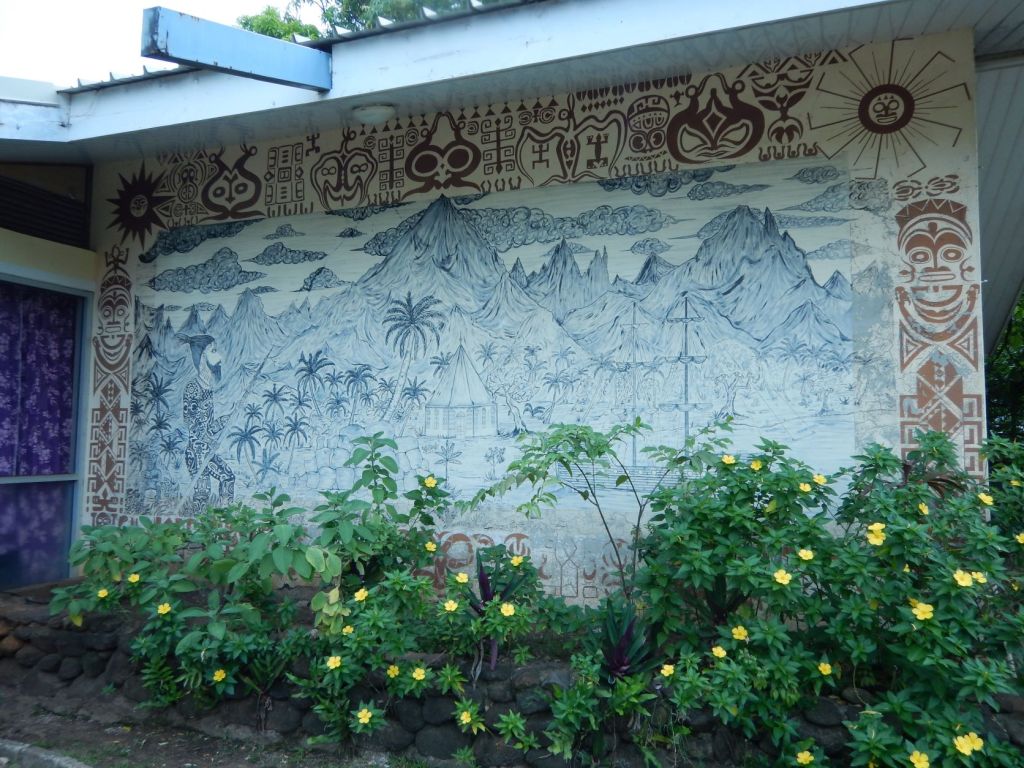
The lyrical Polynesian chorus rising from each church is heavenly, indeed. The coconut grove beaches are beautiful but deserted due to today’s rain.


Regardless, Moorea stands up to its reputation of being the quintessential, idyllic South Pacific island!
We enjoyed a two-day visit in Raiatea on the island of Uturoa, located within French Polynesia’s Society Islands.

We rented a car and toured Raiatea’s adjacent, smaller sister island of Tahaa. Despite the rainy morning, the afternoon cleared. We visited a small black pearl farm and watched them insert a nucleus (made from clam shells found in the Mississippi River) into a young oyster and place it on the ‘farming line’ for submersion later that day. A fascinating process!
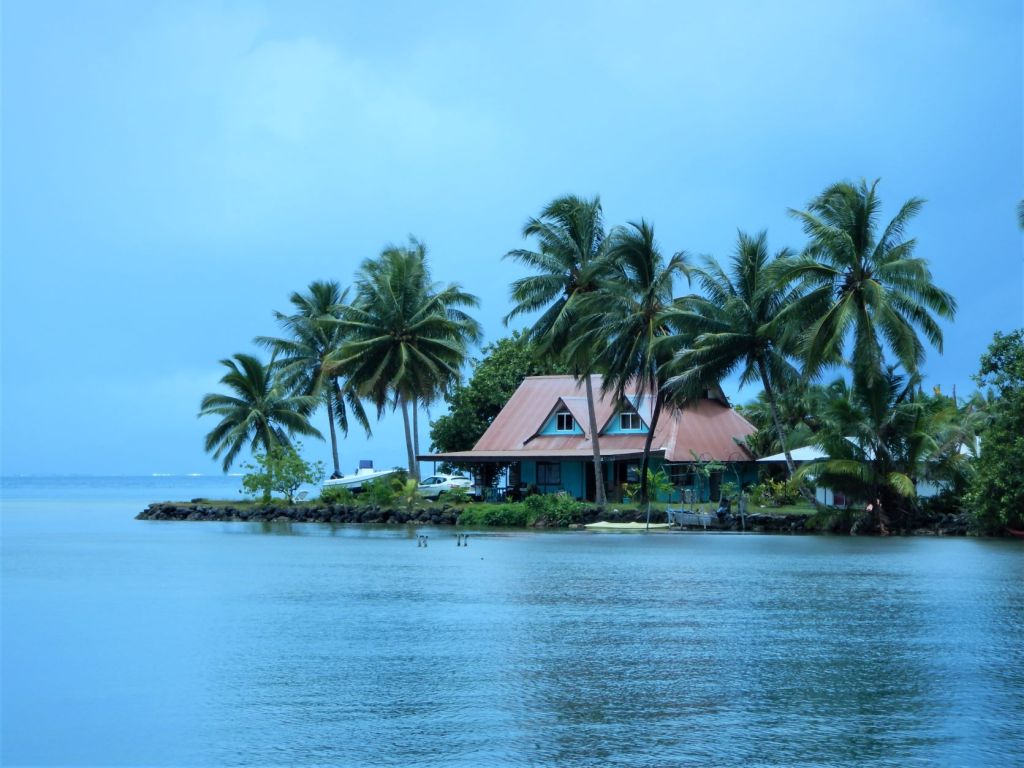

We also saw many vanilla farms, where the beans grow on vines and are hand-cultivated in tent-style greenhouses. Countless coconut groves here too, and they use every bit of the nut. They have small, covered racks they use to dry the nut itself for oil extraction later. Otherwise, breadfruit, papaya, mango, avocado, soursop, pineapple, and several unrecognizable fruits and vegetables are practically growing wild everywhere you look. The South Pacific islands are abundantly rich.

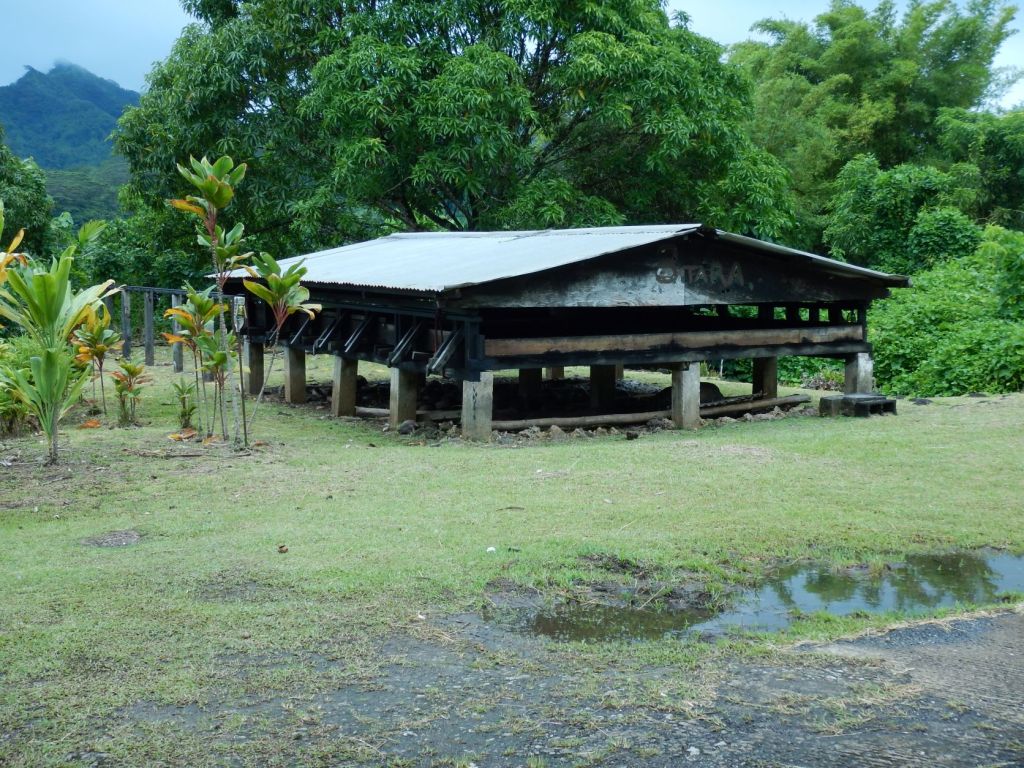
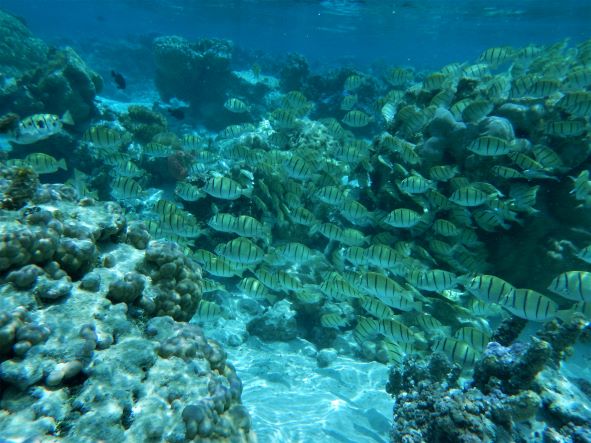
On the second day, Tom went drift-snorkeling over some gorgeous coral gardens, just inside this motu-ringed island. Beautiful underwater formations teaming with colorful, tropical fish.
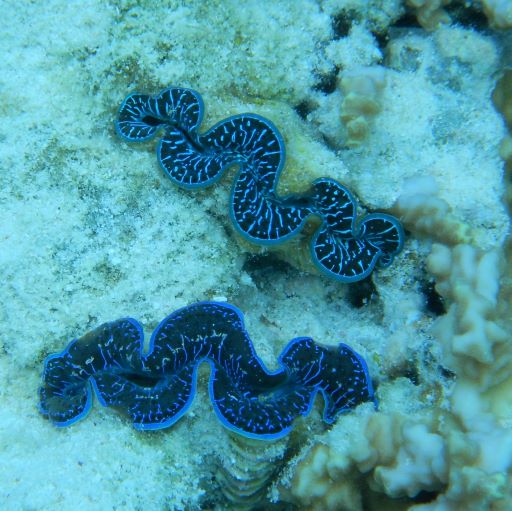
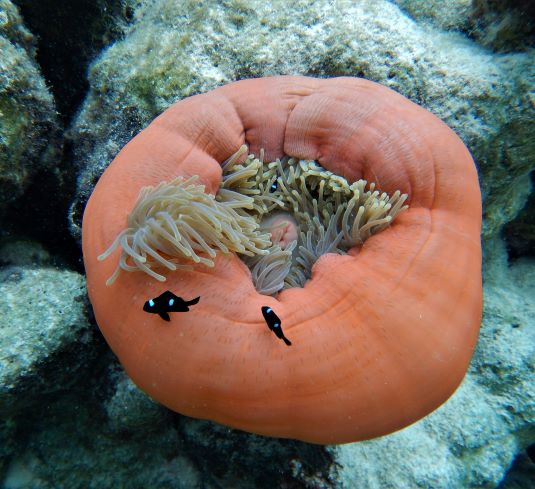


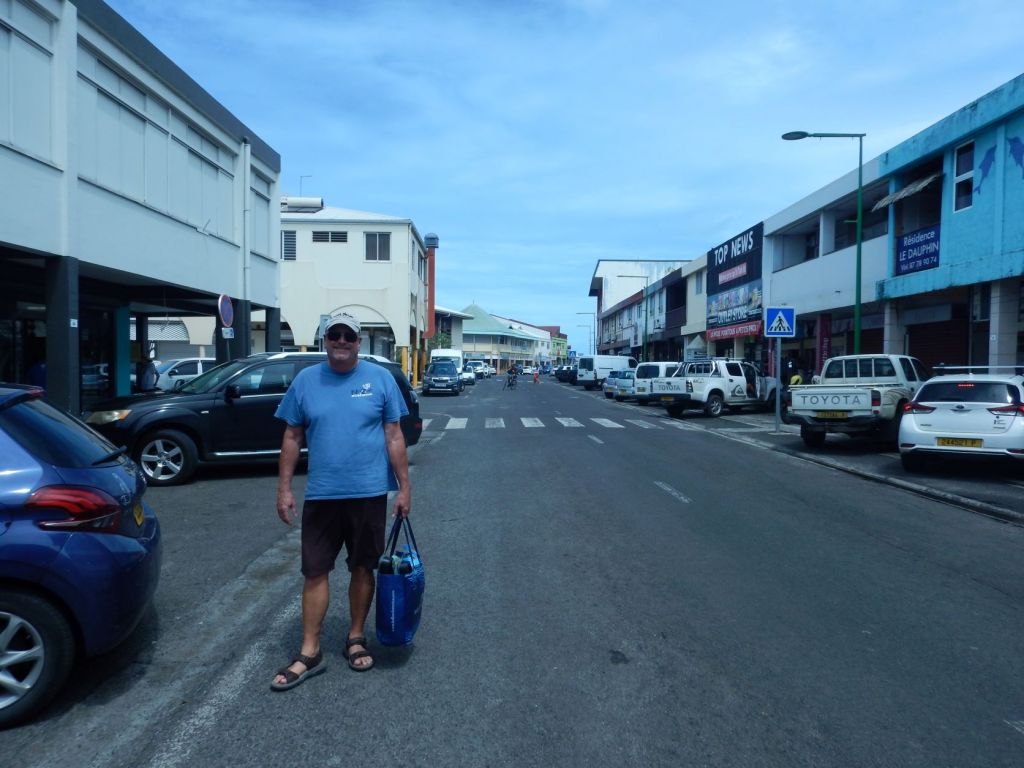
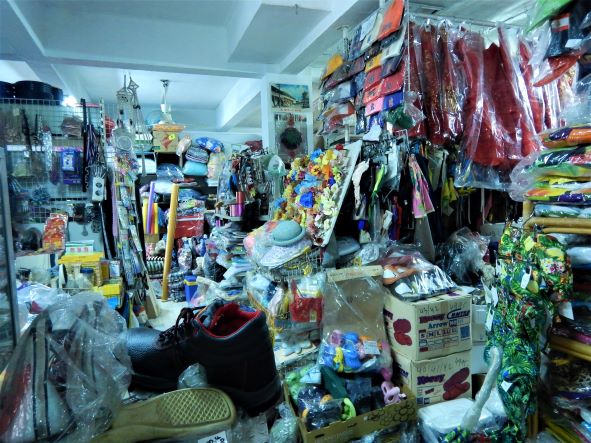
Since I am sidelined from snorkeling because of my recent retina surgery, I went ashore and strolled Raiatea’s main street filled with shops. For readers familiar with Lansing, Iowa, I discovered that Horsfalls has a second location in Raiatea, as shown by this photo:
Leaving Raiatea, we have more sea days….technically five if you look at the calendar, but in actuality we will experience only four due to crossing the International Date Line.
Transitioning further westward, the contrasts are stark. Unlike the volcanic islands of French Polynesia, the islands of the Kingdom of Tonga, are low-lying coral atolls. The tradeoff of the verdant green peaks is an entire spectrum of blue in the waters surrounding Tonga. We dock in Nuku’alofa on a bright, sunny day, and are welcomed by the Tongan Police Marching Band. After the ukelele musicians of the last few islands, the Sousa-style, “Rock Around The Clock” seems odd, but gleeful given their hearty enthusiasm!

Our first mission today is to revisit Kanokupolu Beach on the western side of the island. Almost one year ago this week, the Kingdom of Tonga suffered an earthquake and its resulting tsunami. Sadly, the once pristine coral reef we snorkeled in the past, was now reduced to rubble. Only the foundations of the two beach hotels remain. Our taxi driver shared that about 200 people were displaced from their sister islands, and the government helped build housing for many families. The main town of Nuku’alofa was largely spared, but now-empty shipping containers once filled with humanitarian aid were still evident on the pier.


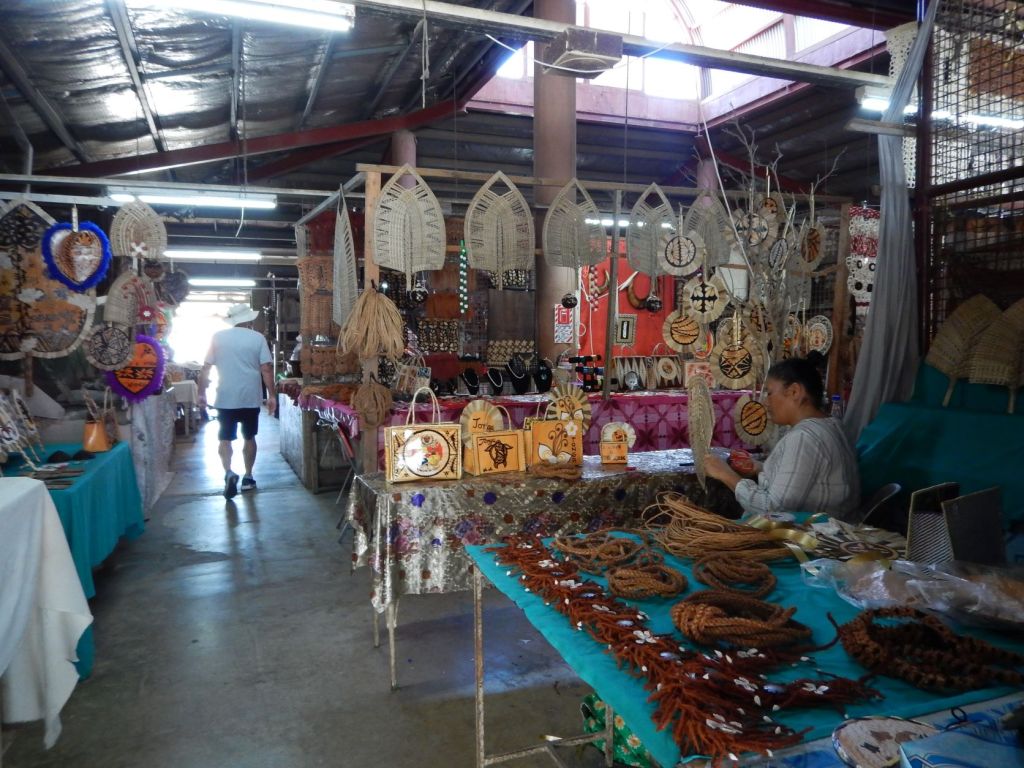
Back in town, we wander the marketplace where tapa-bark artwork and handicrafts are on display.

Taking a break from the extreme humidity, we sit beneath their enormous and famous “Raintree” to cool off. Down the street at the “Reload Bar”, we scored an open window seat facing the street and watch the parade of traffic roll by, most smiling and waving. The Tonga people are some of the friendliest on Earth.


As we say goodbye to Tonga and its impossibly blue waters, New Zealand awaits on the horizon in two days’ time.



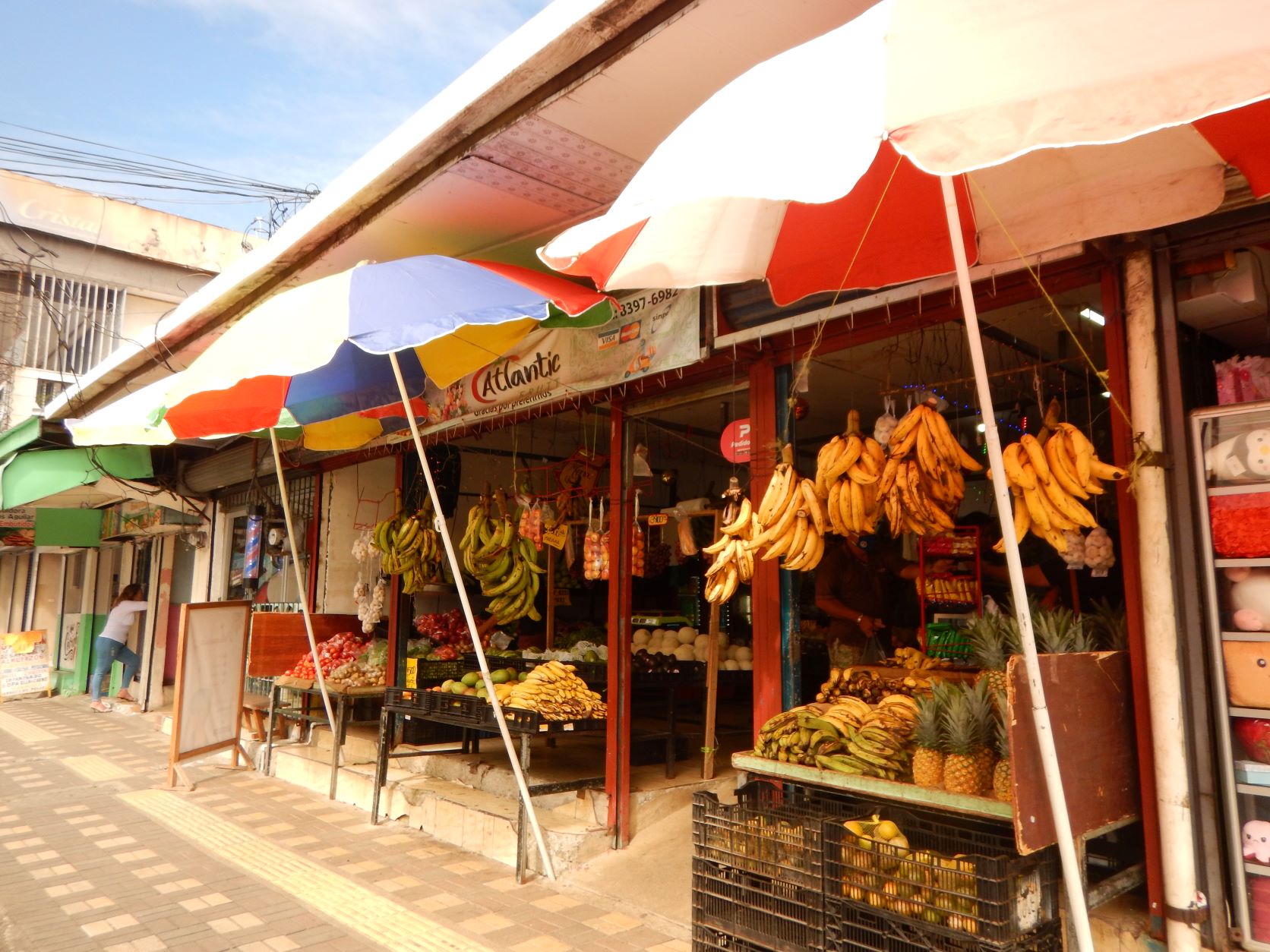


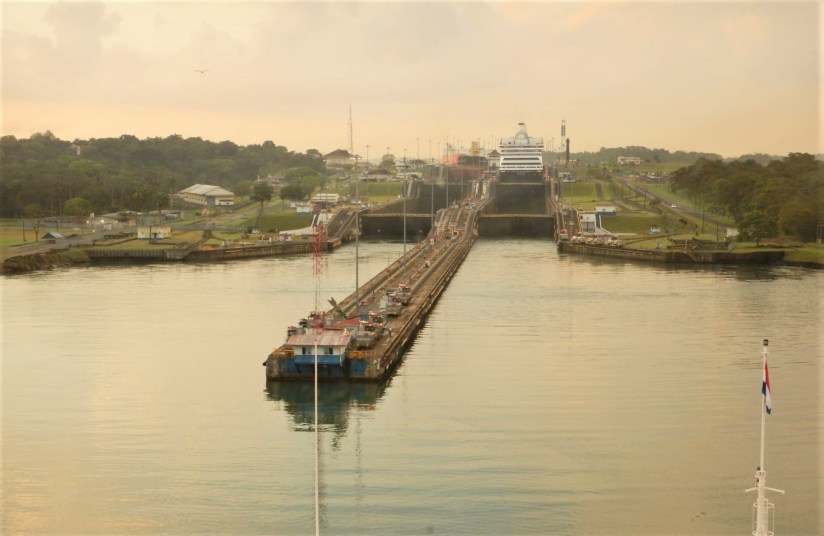


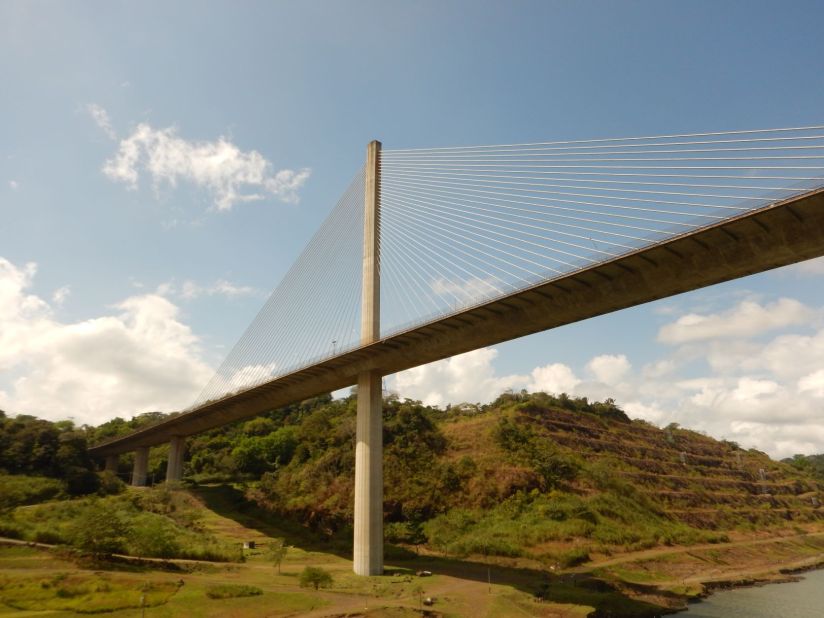
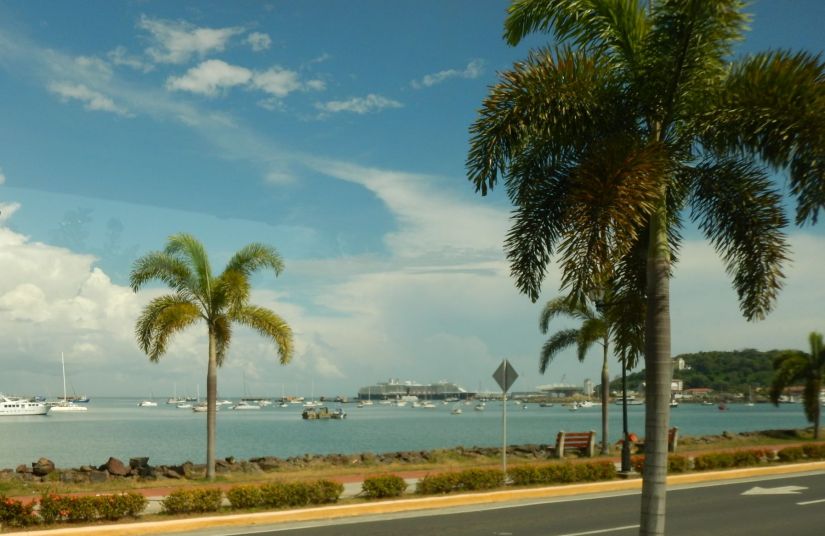

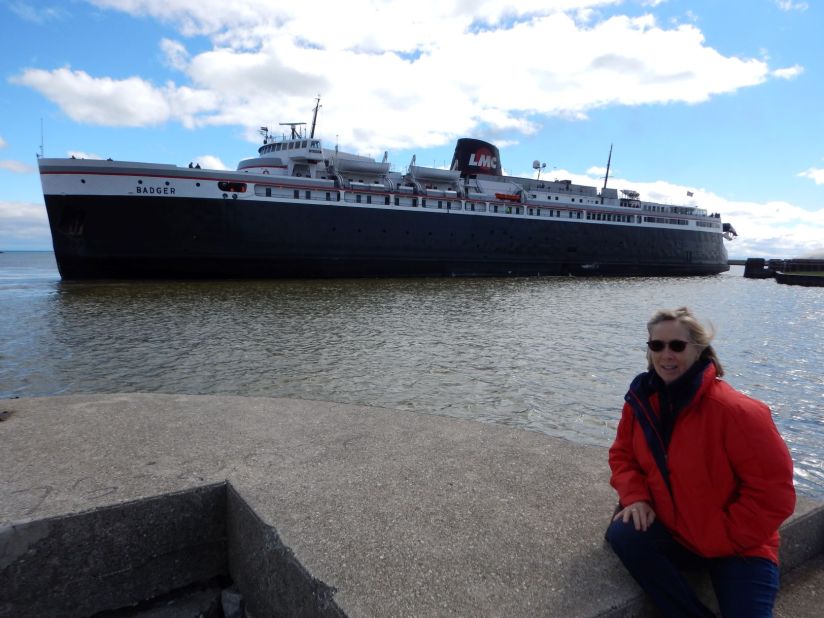
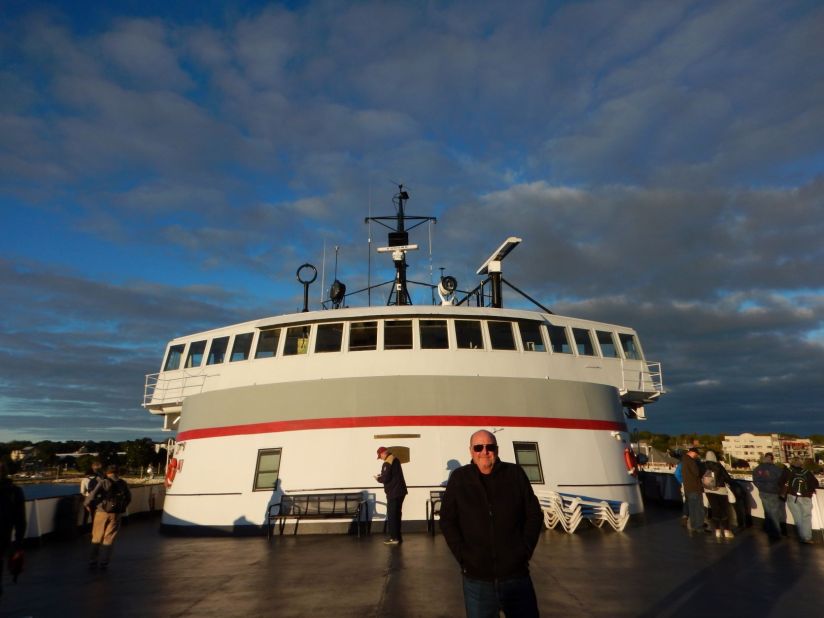
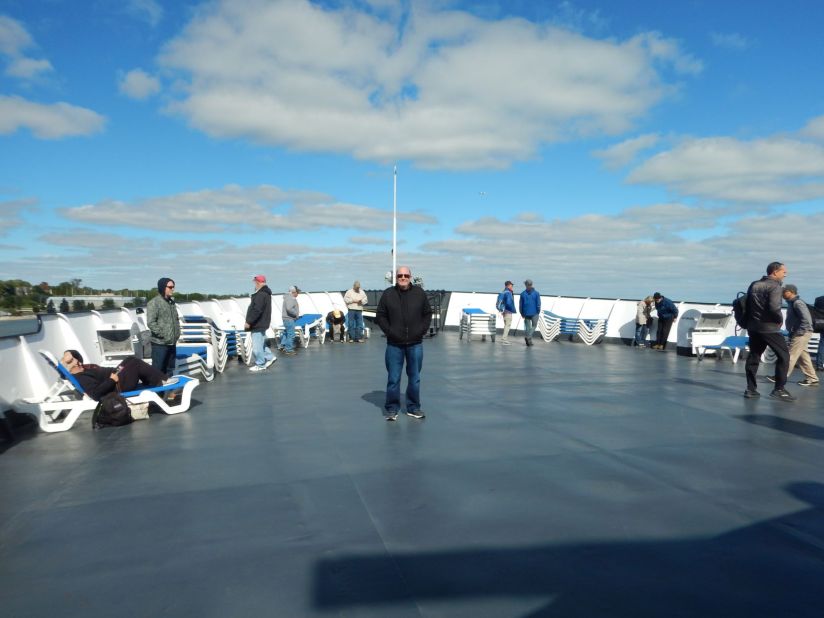

 This past winter, Tom and I found ourselves back aboard the m.s. Amsterdam, a 780-ft ship operated by Holland America, for our second Grand Voyage circumnavigation cruise. This years intended itinerary was to be 128 days, following a route around the southern capes of South America and Africa. And while we were to have a few repeat ports of call, we would visit many new places, including Antarctica. What we did not expect, was a pandemic that would bring the entire world to a halt. Including our voyage after 80 days. I hope you’ll enjoy my travel journal for our ‘Half-World’ cruise of 2020…
 Life in Nautical Miles