


The first sea day after leaving Reunion Island was a bit rough. Remnant winds from Cyclone Jude were still churning the Indian Ocean and Zuiderdam pitched and rolled in 12-foot seas, enough to keep many within their cabins. The staff drained the 2 swimming pools and 5 hot tubs, all of which had water breaching their sides. The access doors to the outside promenade on Deck 3 were also closed off. Yep, Day 74 had finally brought about some motion that a small group of us aboard actually enjoyed, albeit short-lived. The two days that followed were calmer but rainy, and after 1,352 nautical miles, we reached the southeast coast of Africa.
Zuiderdam made her way into the length of the buoyed entrance of Richards Bay, South Africa. The scent of pine trees that border this natural and deep harbor was a welcome change from the briny air of the Indian Ocean.

Seven of us were excited to disembark the ship for an overnight excursion to find wild animals. We would depart the ship in Richards Bay and rejoin her the following day in Durban.
Tour guide Jacqui met us at the pier for a 2-hour drive to our first animal experience: hippos! We boarded a river boat to venture into the iSimangaliso Wetlands and the St. Lucia Estuary, home to the largest hippo population in South Africa…over 800.

We came upon dozens of these behemoth mammals cooling themselves in the muddy waters. Males can reach lengths of 10-16 feet, and weigh up to 9,500 pounds, while females weigh up to 3,000 pounds. Hippos are often lazy during the heat of the day, but we’re told that it’s not unusual for them to wander through the town of St. Lucia at night, nibbling on lawns or gardens. My frustrations with deer damage in my Wisconsin garden seem petty now.


From there, we drove another 2 hours northwest to arrive at the Hluhluwe IMfolozi Game Reserve located in the Zululand. Day Safaris in and Around Zululand – Hluhluwe Game Reserve

This massive swath of 240,000 acres is home to the free-roaming Big 5, known as Lions, Leopards, Rhinos, Elephants, Water Buffalo. As well as springbok, nyala and kudu, impala, red duiker, wildebeest, warthogs, zebra, giraffe, wild dogs, hyenas, countless birds, reptiles and amphibians.

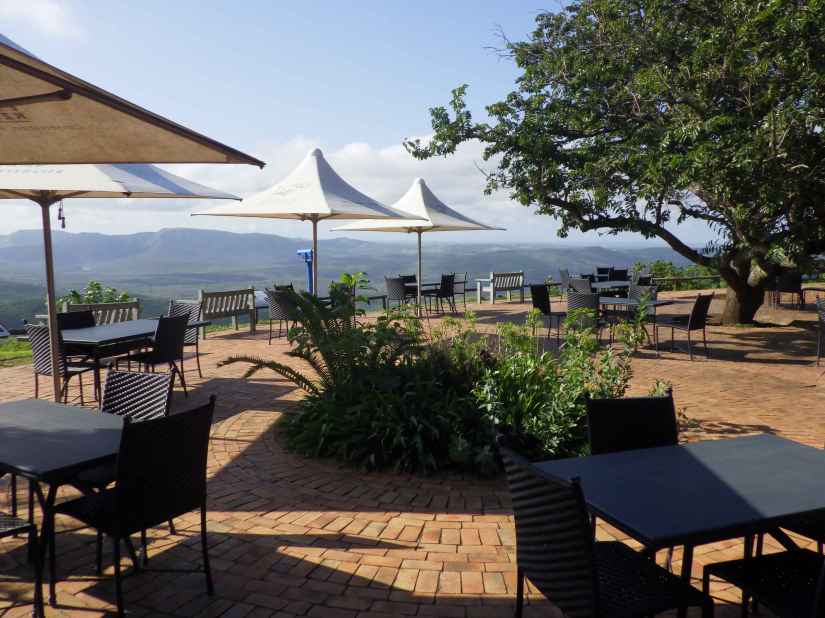
We arrived at Hilltop Camp in the afternoon for a quick check-in and deposited our backpacks for our overnight stay.


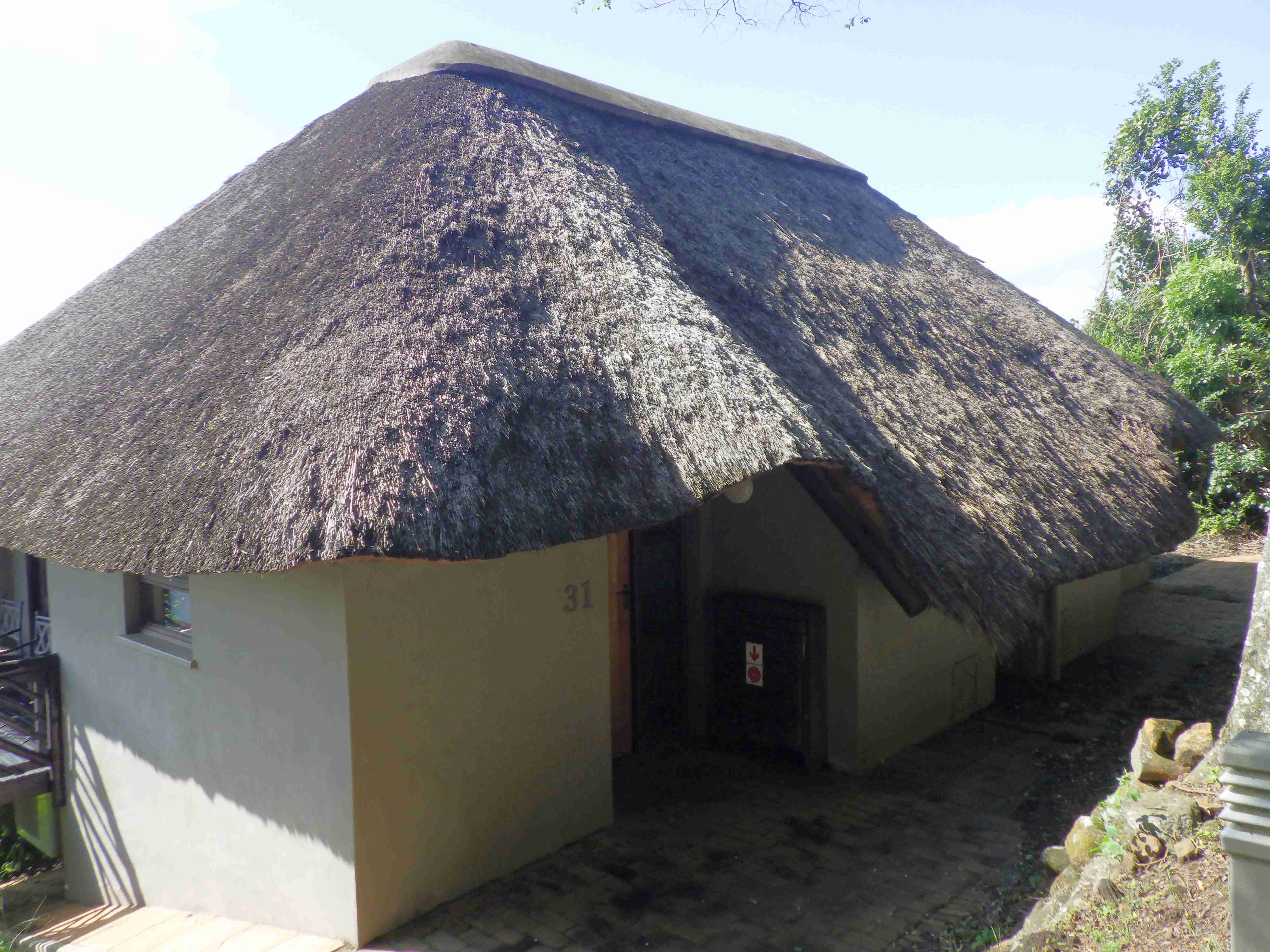
Each thatch roofed building housed two deluxe accommodations. The spartan yet clean rooms featured original fixtures, woodwork and homemade cabinets. Air conditioning units have been recently added.

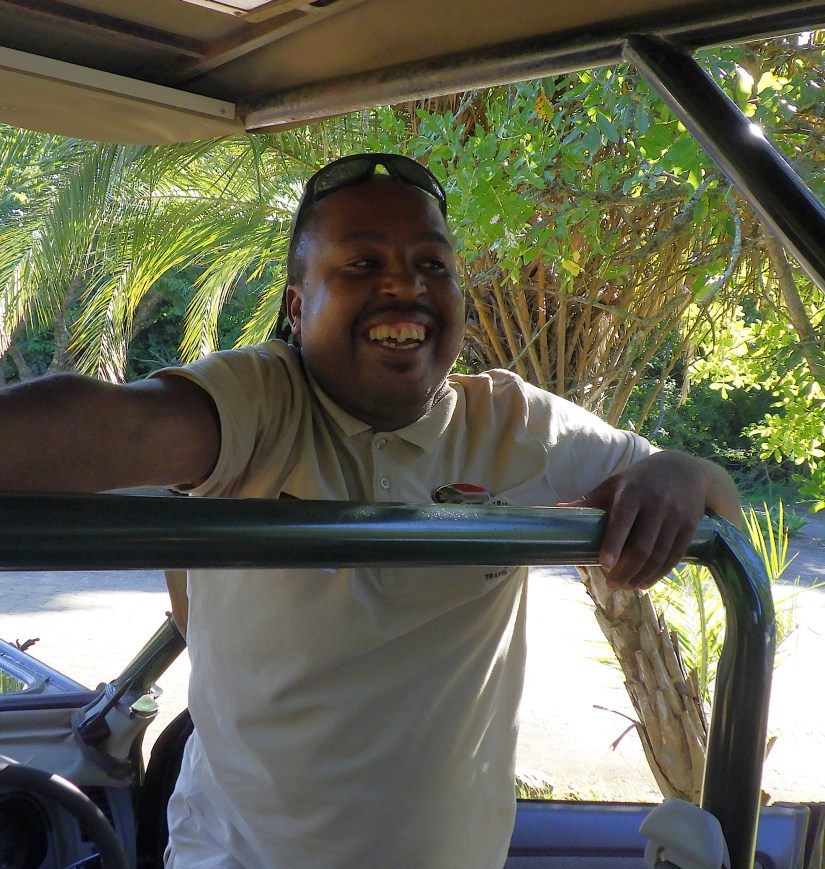
Minutes later, we met our local Zulu safari guide, who goes by “Happy Man”, a fitting moniker. We boarded his sturdy open-air vehicle, leaving the camp pavement behind for the bush trails that wound through valleys and hills.
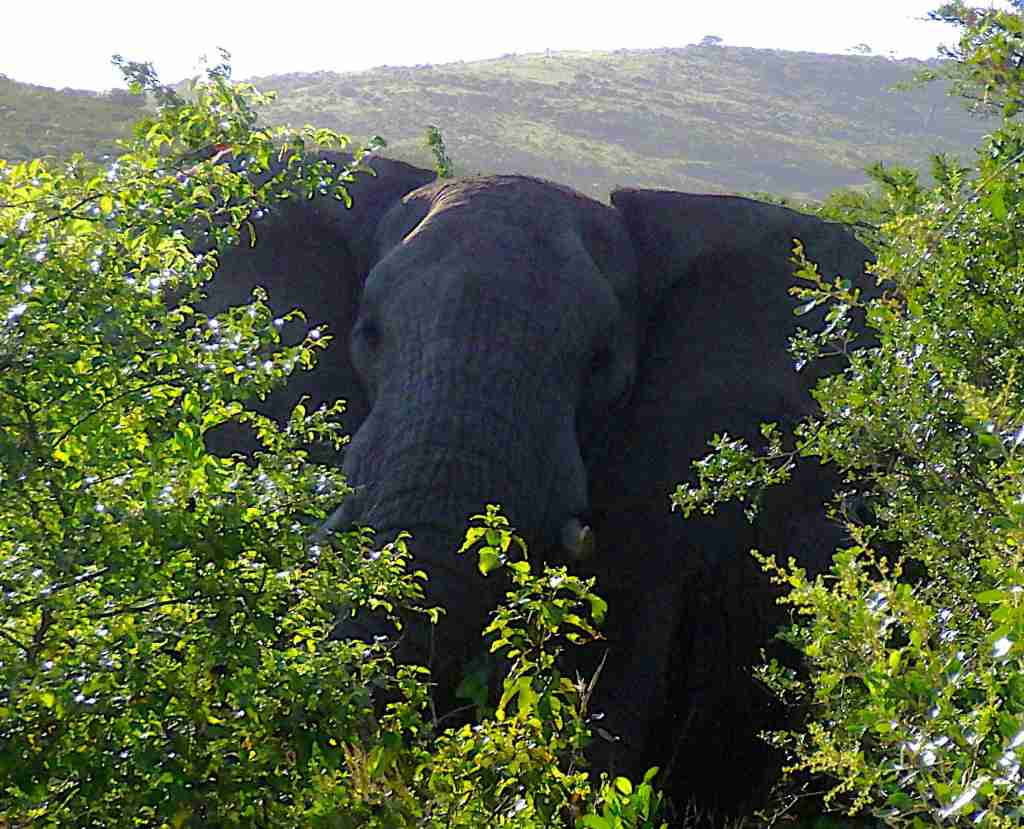
We never knew what might be lurking around the next corner or crest. We were often surprised by elephants or rhinos, grazing just off the trail. We were close enough to smell their musk and hear them chewing. Our guide shared that because of his year’s extended wet season, it had resulted in more babies, and we saw many young ones across the breeds.


Catching the slight movements of grass, we watched as two male lions crept slowly across the field. A resting rhino alerted and shifted position from prone to standing, eyes and ears tuned towards the approaching pair. Our guide whispered that the lions would likely not attack the lone rhino. Not only are the males generally lazy (he said there are plenty of parallels in the human and animal kingdom!), but it’s typically the female lion who does the hunting, allowing the males priority to eat before dining herself.
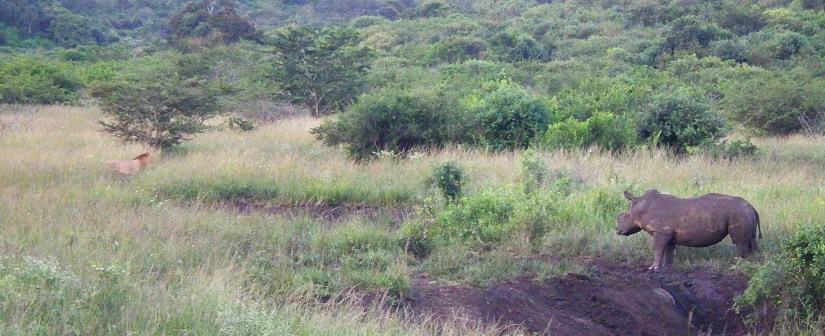
During our four-hour game drive, we observed the transition from afternoon light to dusk to darkness. The shift revealed a fascinating change in animal behavior, from lethargic siestas to intense hunting or cautious evasion as predator and prey became more active.
The darkness also brought a chill to the air as our vehicle bounced us back towards the lodge. The constellations of the Southern Cross and Orion revealed themselves in the dark sanctuary sky. Nearing almost 8pm, we opted for dinner immediately upon our return to Camp, saving showers for afterwards. Local braii game meat platters and curries were offered, which we all ate hungrily. I think we all may have been asleep before our heads hit the pillows.

The Camp was chilly and shrouded in darkness as we climbed into the safari truck at 4:45 am. We set off on our 4-hour morning drive, foregoing breakfast and coffee until later, with anticipation propelling us.

The darkness seemed to make you more aware of the pre-dawn stillness. But at the first sign of dim light on the horizon, a nearby bird pierced the silence with its morning call, followed by others. Nature’s alarm clock. A new day begins in the wild.

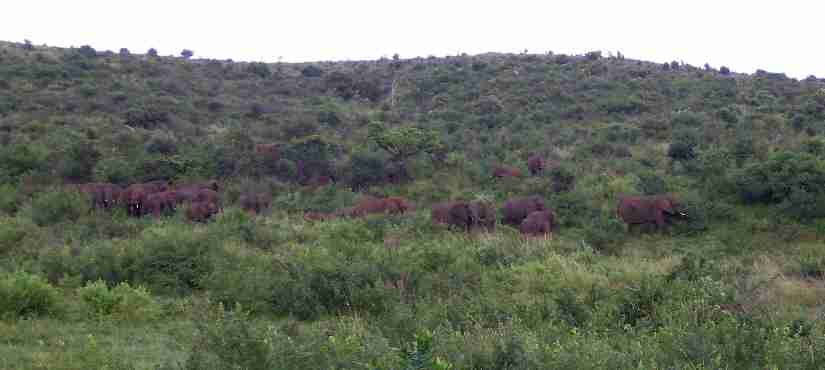
Leaving the nighttime safety of the high hills, a herd of elephants began their slow migration down to the watering hole. Mostly females and babies, followed by the males who tussled over who would dominate today.

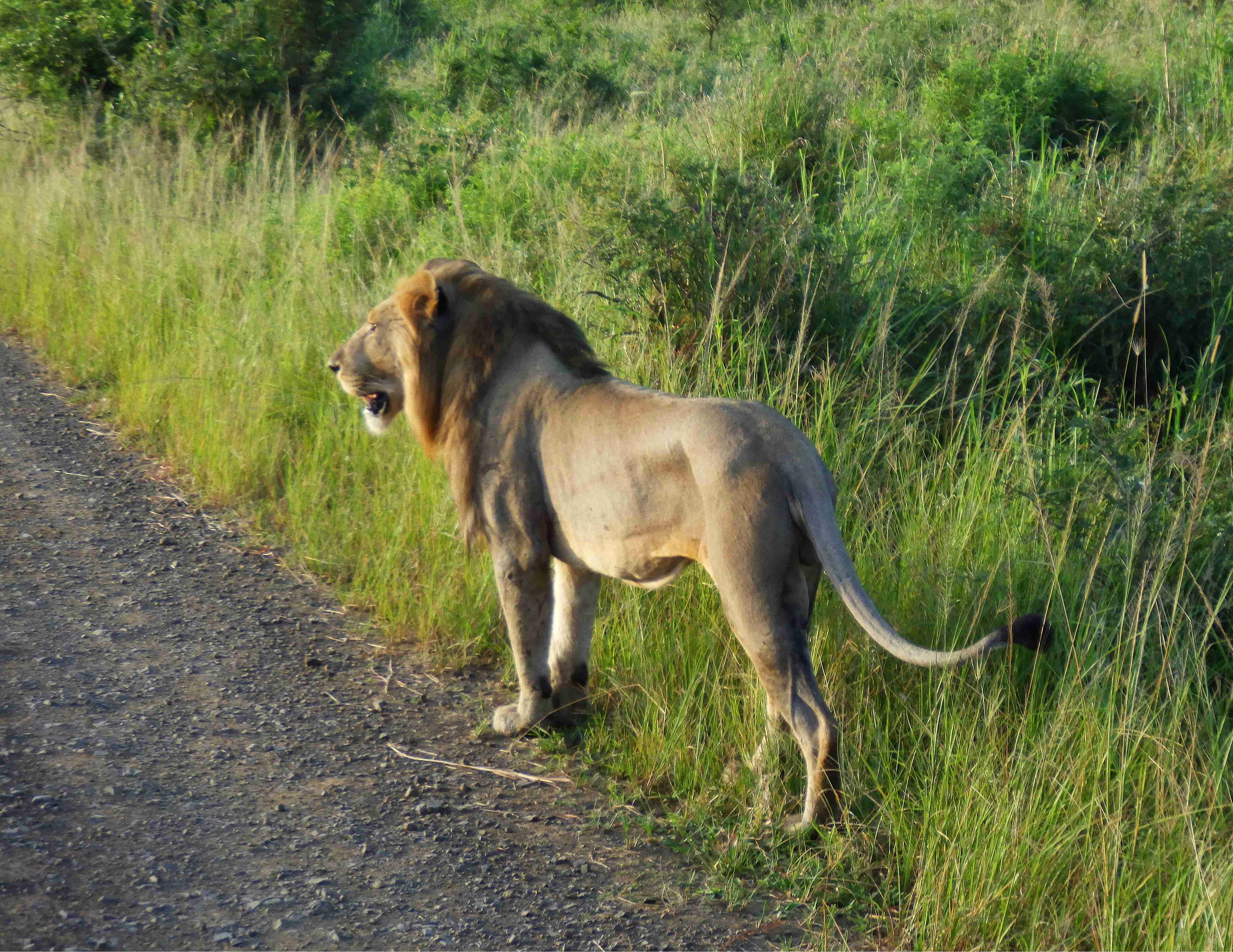
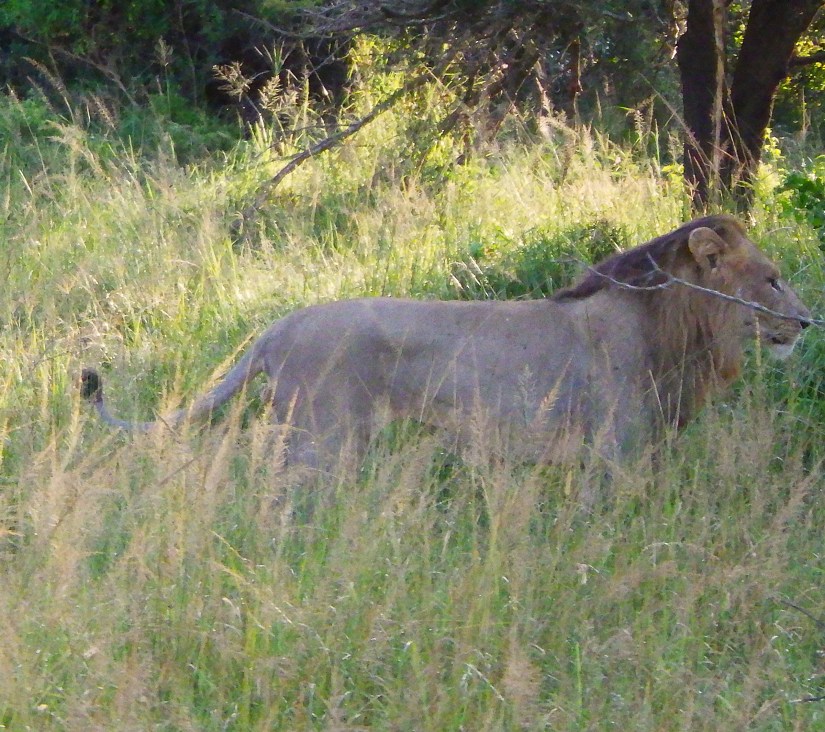
We came upon a male and female lion sauntering down the dirt road for several hundred yards before turning into the bush. Happy Man continues to keep pace with them, 50 yards in the bush. Suddenly, the lioness rockets after a warthog, with the lion sprinting behind. The short burst is over in less than a minute. The lioness missed and the warthog lives another day.

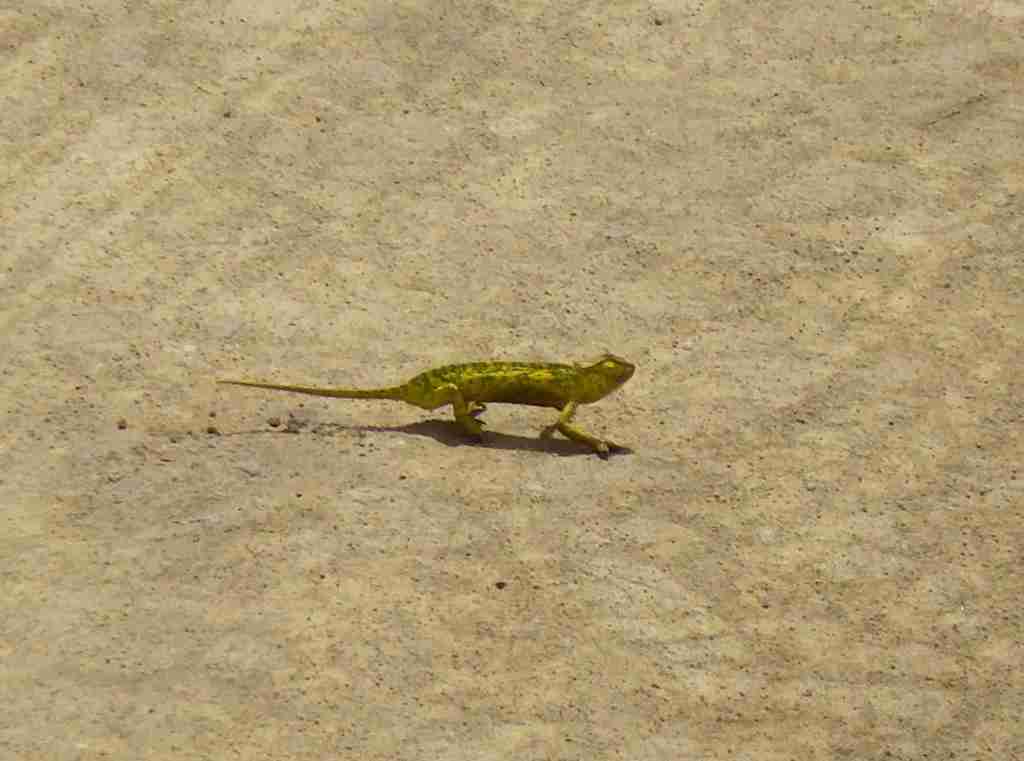
Our relatively short safari was long on experiences and sights of so many beautiful animals. During the four-hour drive to Durban, we collectively recalled and listed the various species and breeds observed, which amounted to a total of 32 animals, birds, or reptiles (even a chameleon!).




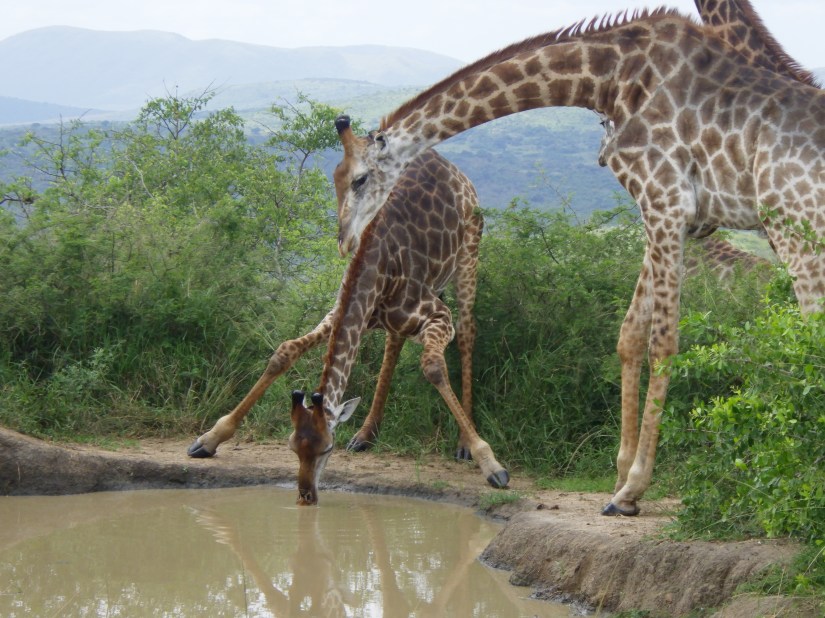
Our merry band of travelers were content to return to Zuiderdam for welcomed long, hot showers. And I was grateful to have two sea days to cull through the too-many photos I took!
Table Mountain was shrouded in the low hanging clouds and rain fell on our decks as we entered the Port of Cape Town, South Africa. Zuiderdam found her pier where she’d stay for 2 days, bringing on reprovisions, supplies and fuel, while the rest of us played ashore.

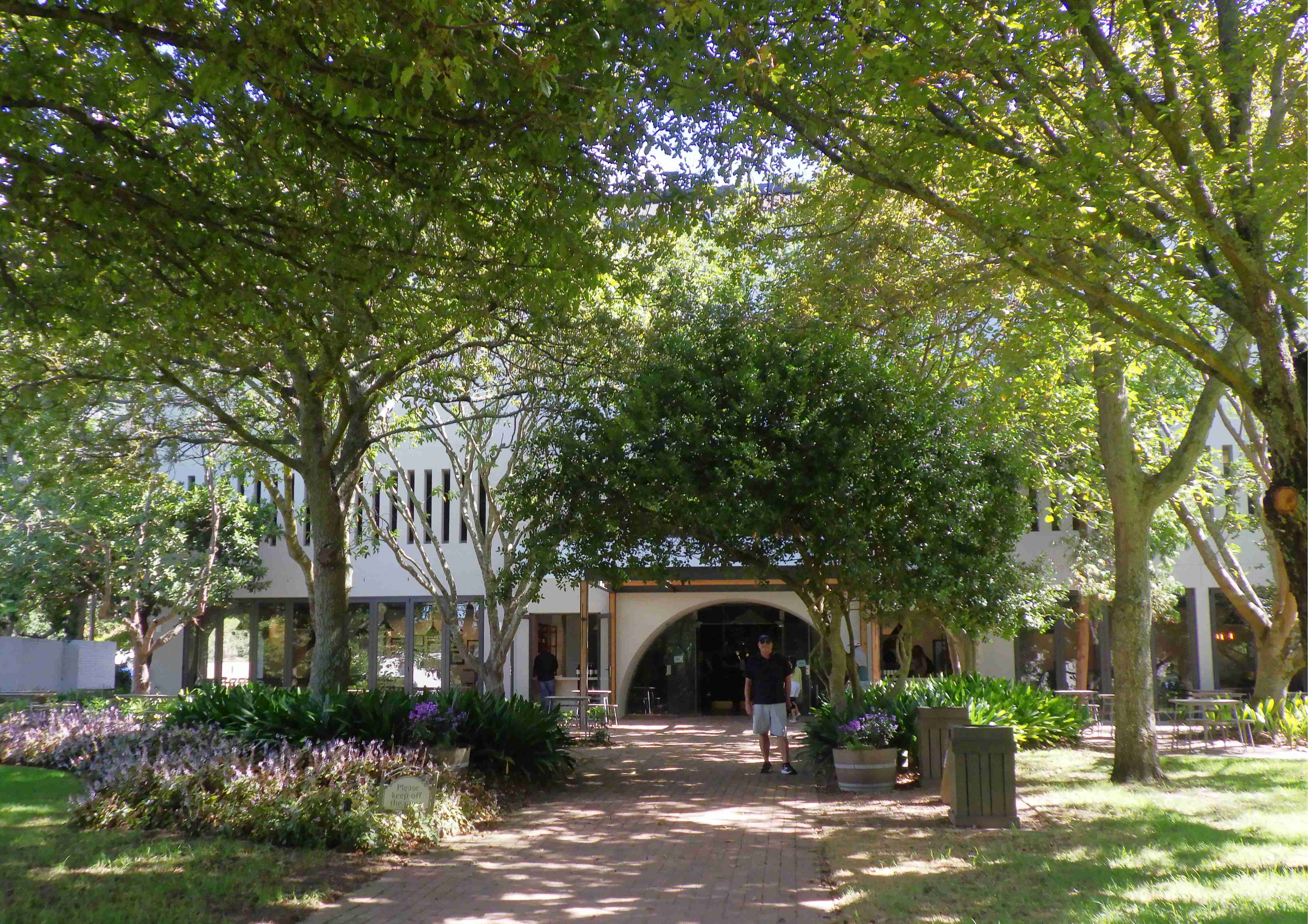
Only an hour from the port, the mountainous and scenic Stellenbosch is home to award-winning vineyards and orchards. Visit Stellenbosch – Official Stellenbosch Tourist and Information Centre Our group of six met Cedric, a private guide, who was impressively knowledgeable in viticulture and winemaking, and supplemented our drive with his expertise.
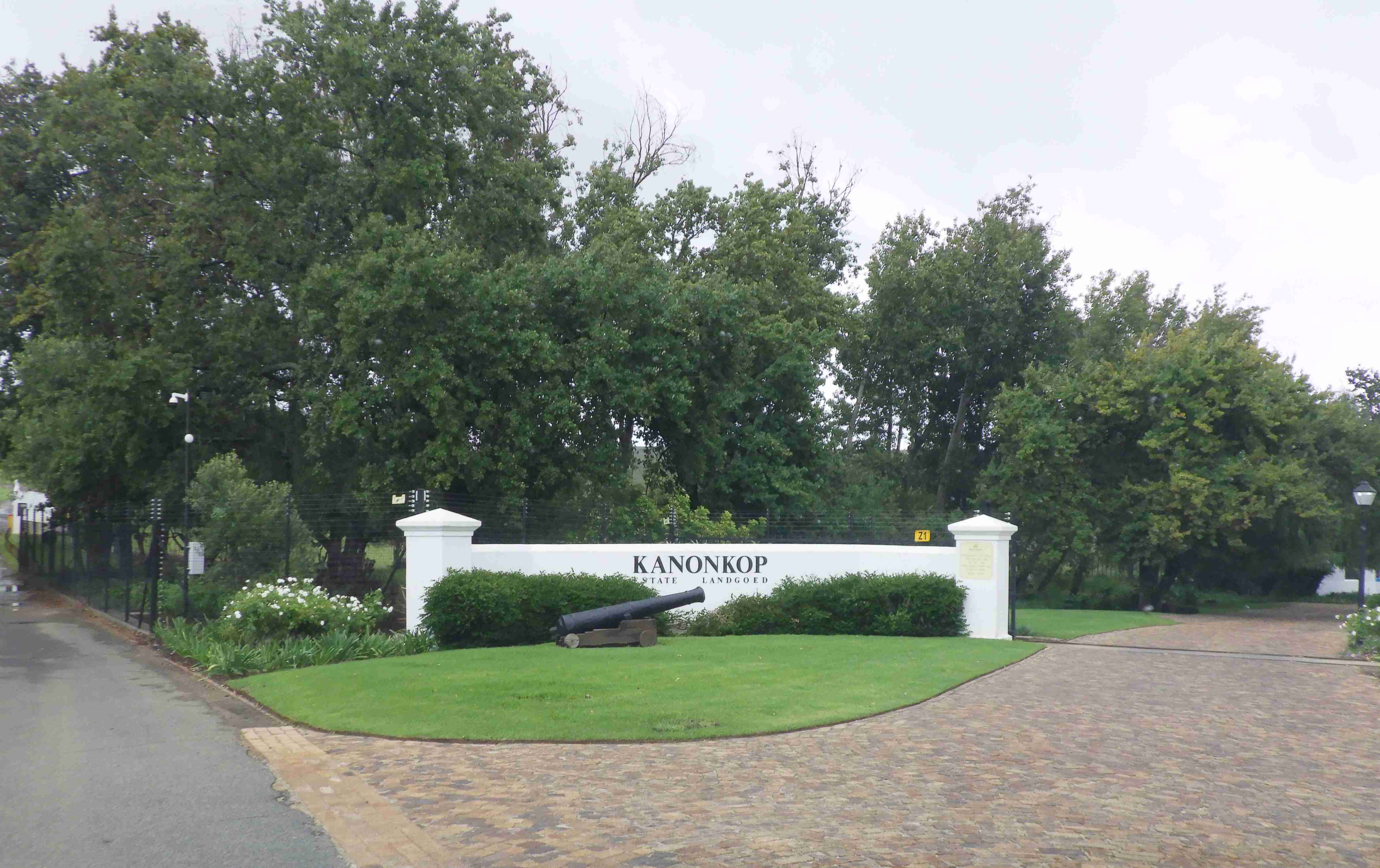
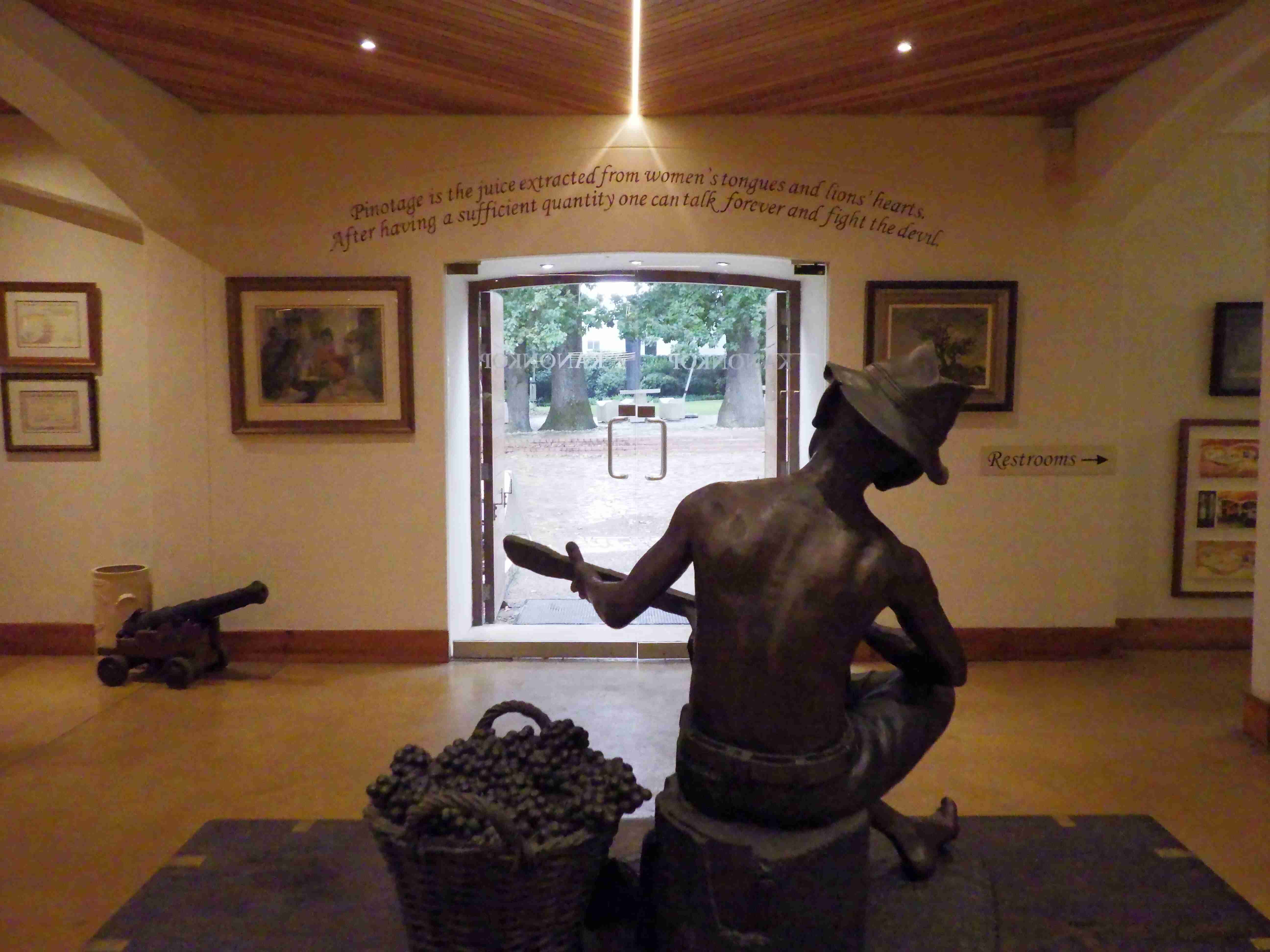
Our first visit was to Kanonkop, a 4th generation family owned wine estate. We watched their classic approach to wine making, including yeast inoculation with manual punch-downs every two hours during fermentation to ensure optimum tannin and color extraction.

Further afield, Cedric’s van climbed the muddy track leading to Rainbow’s End Wine Estate with its stunning views. The rain had begun to abate, and the clearing clouds afforded us a peek at majestic Jonkershoek Mountain.


For lunch, we enjoyed a South African favorite of “Bobotie” at the Stark-Conde Winery. Reminiscent of Shepherd’s Pie, it is a baked dish of curried minced beef and turmeric rice topped with a bay leaf infused custard on top. It was served with tomato and onion salad and homemade chutney. Delicious!


For dessert, the Waterford Estate offered us chocolate and wine pairings.


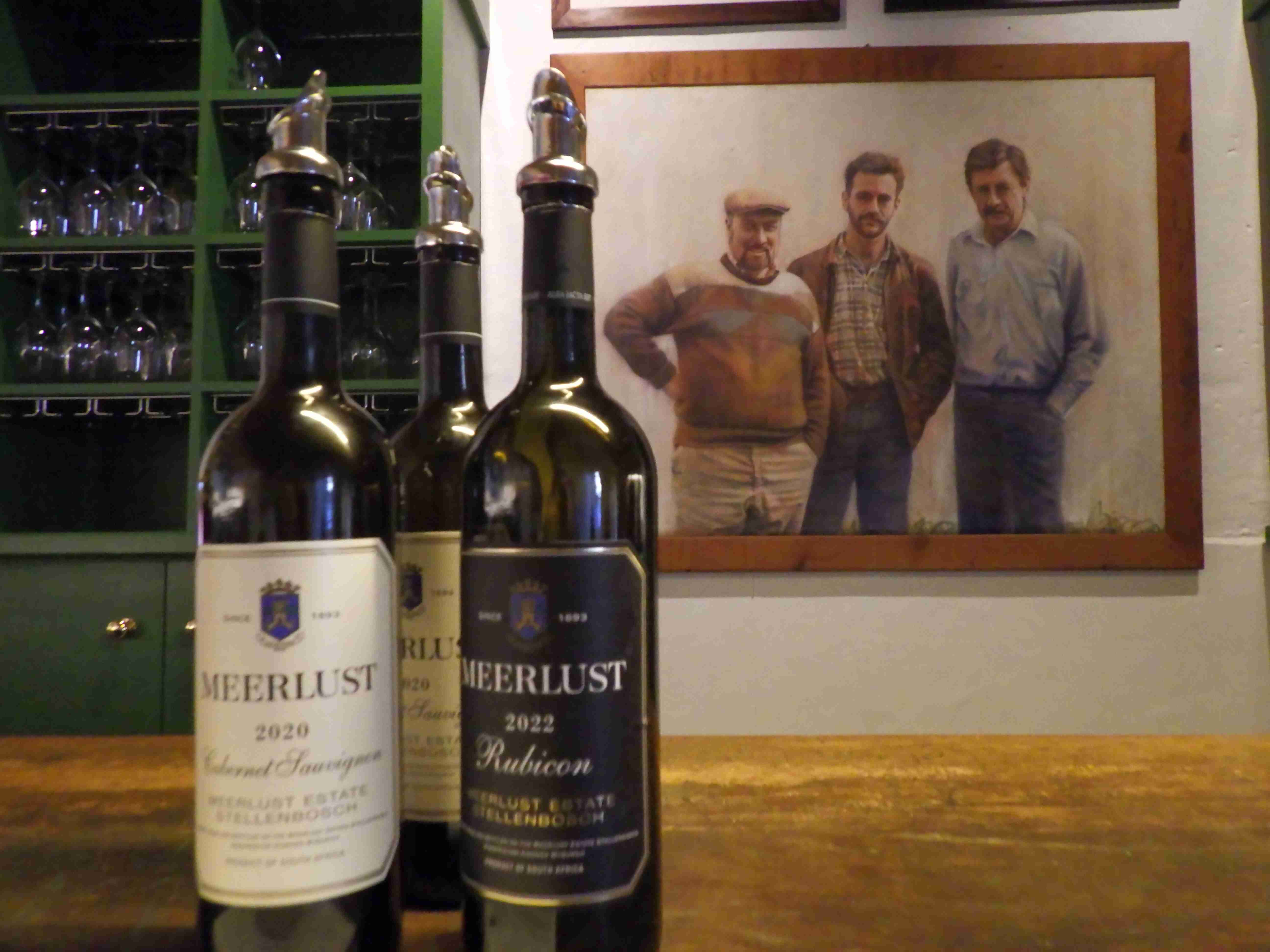
Maybe saving the best for last, the Meerlust Wine Estate established in 1756, gave us a taste of their renowned Rubicon Wine.


Back to the port, we strolled around the lively at V & A Waterfront, finding local tribe dancers, shopping, art galleries and restaurants along the marina. The perfect place to people watch as the sun set.

We awoke to our second day in Cape Town filled with sunshine and temperatures in the mid 70’s. A perfect day to tour the vast area via Hop On Hop Off Sightseeing bus. Our morning route took us through downtown’s Long Street, the convention center, the historic Mount Nelson Hotel, District 6, gorgeous views of Devil’s Peak, the Kirstenbosch Botanical Gardens, and the University of Cape Town.
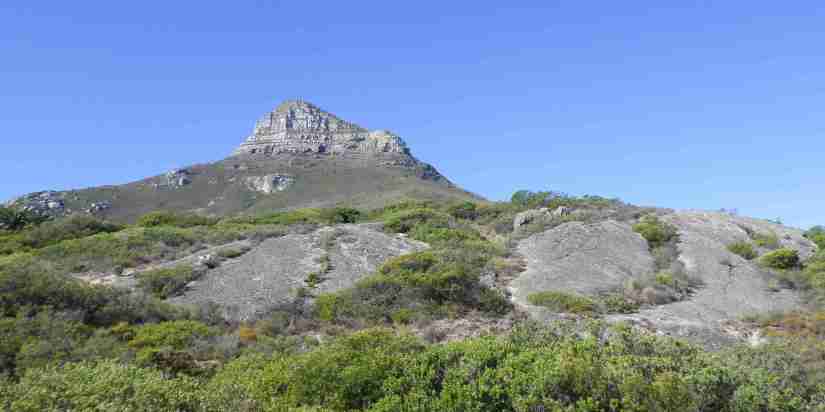

For lunch, we had a delicious outdoor lunch overlooking the picturesque landscape of Groot Constantia; my favorite King Klip fish and mussels for Tom.

The scenic afternoon route encircled Table Mountain and the Twelve Apostles, giving every angle imaginable of this prominent landmark.

The coastal beauty and upscale neighborhoods of Hout Bay and Camps Bay are great places to linger, so we found a café overlooking the beach to soak it all in.


Continuing onward were residential areas of Clifton, Bantry Bay, Sea Point, Three Anchor Bay, Mouille Point, past the Cape Town stadium and finally, back to the port.

We were glad to have two days in Cape Town, and yet still there is so much more to see for next time!
Fifty miles offshore of Walvis Bay, Namibia, we awoke to thick fog surrounding Zuiderdam and hear her bellowing horn every 3 minutes. Playful seals escorted our ship for remaining miles as we neared the harbor entrance for our 11am expected arrival. By the time we docked, the fog had lifted, and spotty areas of blue sky were peeking through.
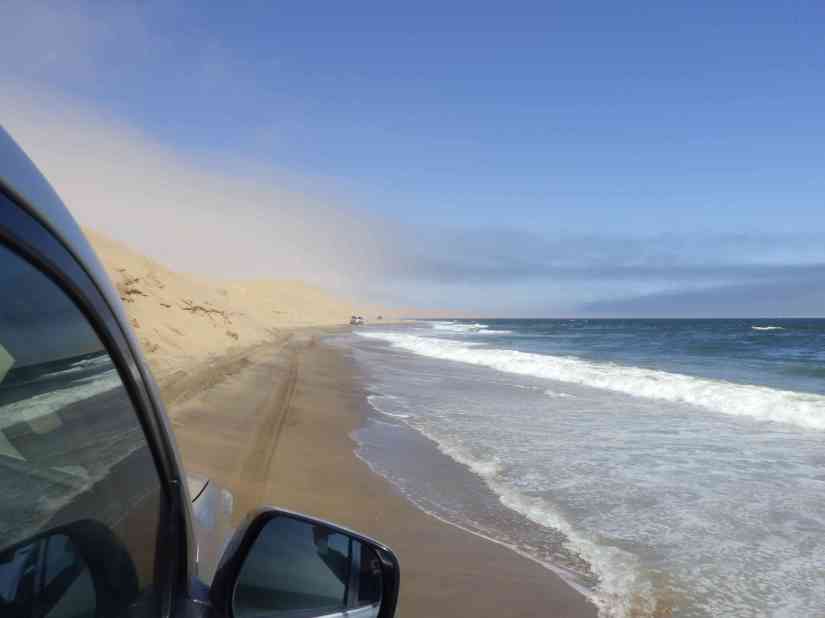
We had such a great time here last year, that we couldn’t wait to contact John “Robby” Robinson once again for another Sandwich Harbour dune experience in the Namib Naukluft Park. Nine of us met him and fellow drivers Glenn and Hennie to follow the shoreline 50 miles to the sweeping dunescapes of Namibia.

It is the only place on Earth where towering dunes plummet straight into the ocean. At low tide, the exposed beach area in front of the dunes is just wide enough for a vehicle. The perfect place to celebrate Tom’s birthday today!
Leaving the suburban neighborhoods of Walvis Bay behind, we transit through the vast, pink salt lakes and flats. Walvis Bay alone produces over 900,000 tons of salt annually.

South of the salt flats, the coastal shore is a marine sanctuary teeming with flamingos, cormorants and grebes. An occasional seal rests on the beach.


From there, the topography begins to change. Small mound dunes and scrub vegetation provide home to our sightings of oryx, springbok, jackal and even a shovel-snouted lizard.
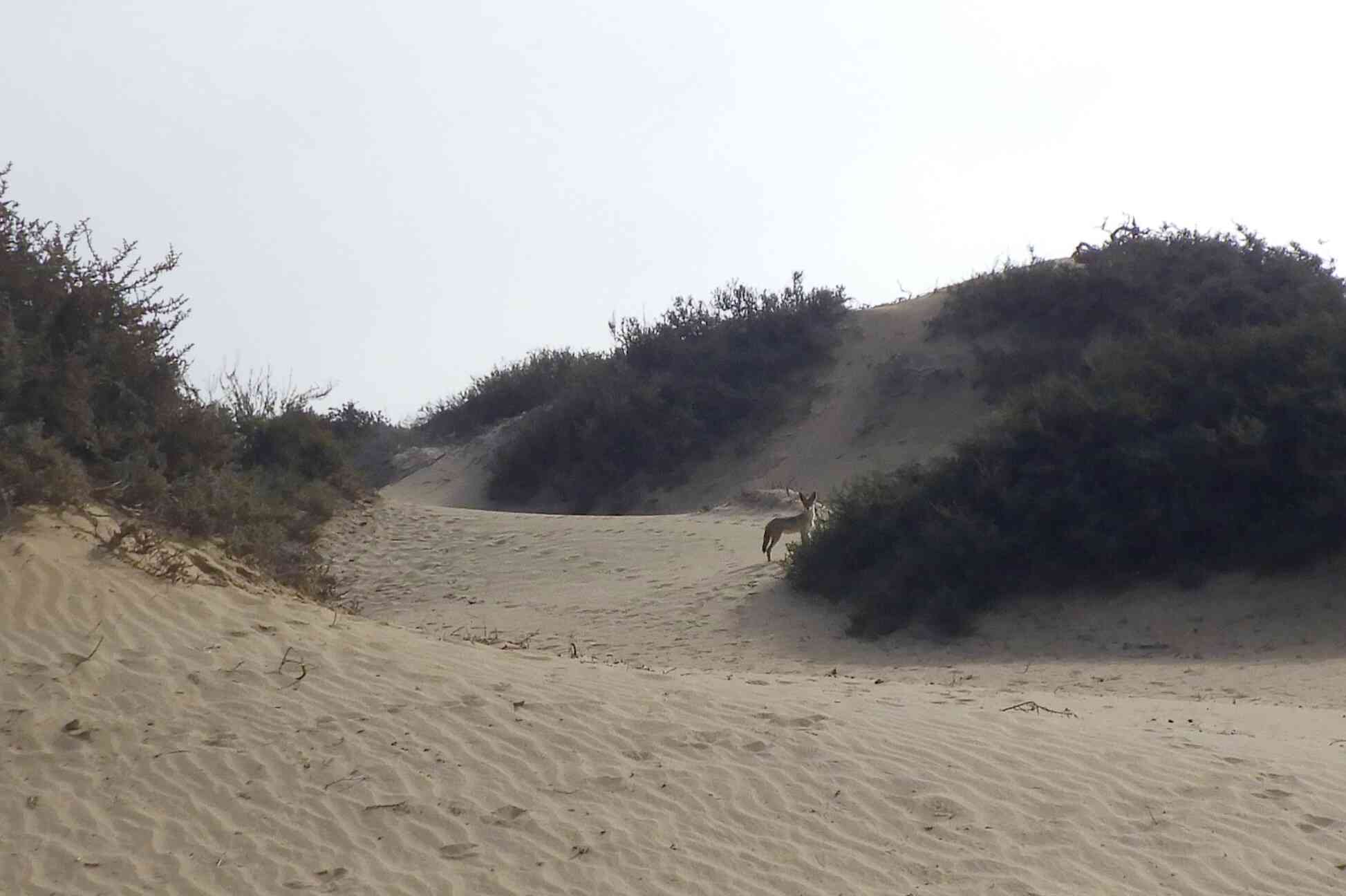

If you’re wondering (like us) how this vegetation grows in the desert, Hennie shared that there is actually fresh water beneath these sand dunes from natural underground aquifers. Water seeps through the dunes creating a unique wetland ecosystem, despite the arid desert surroundings and supports vegetation and wildlife in the area.
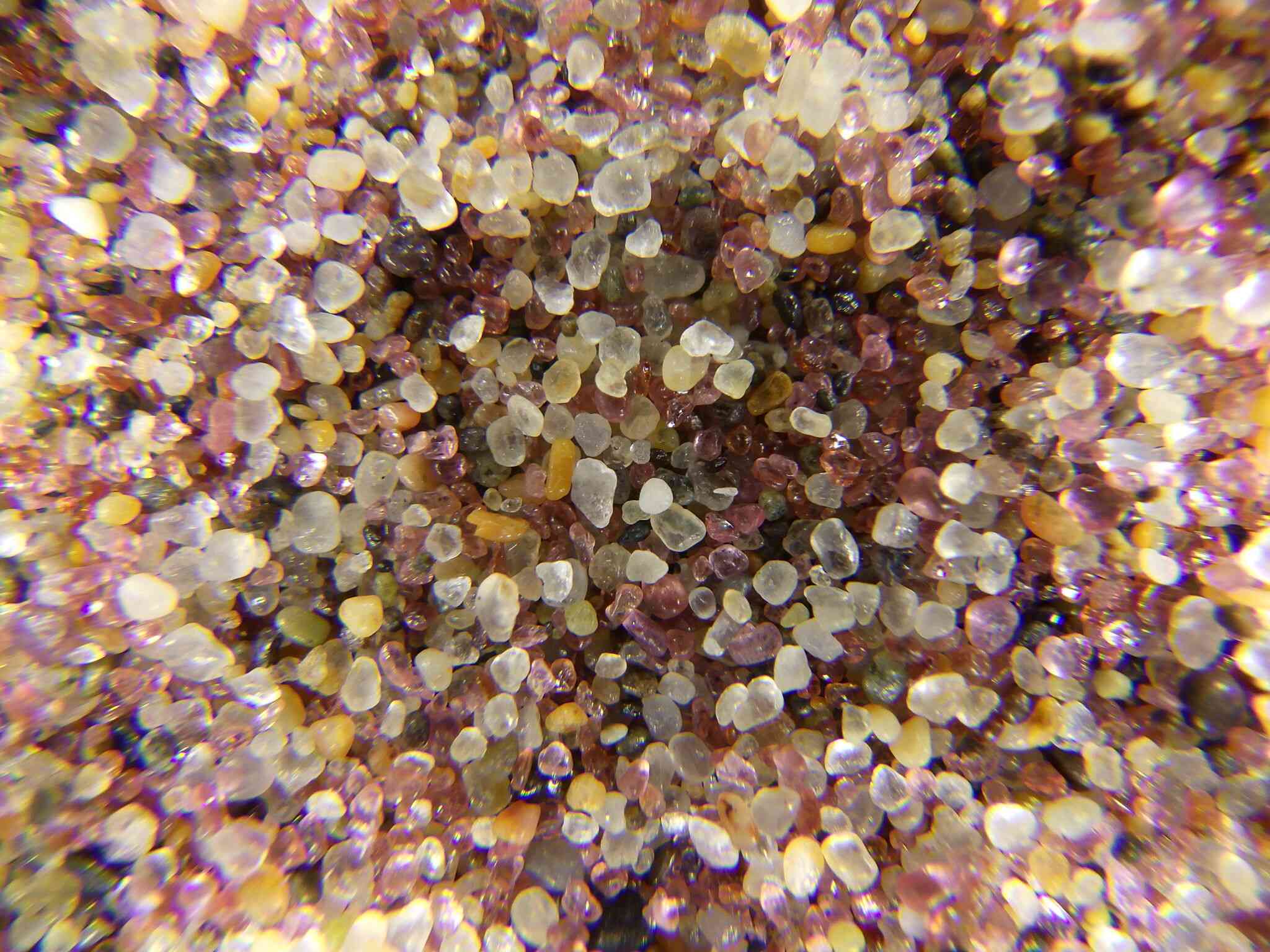
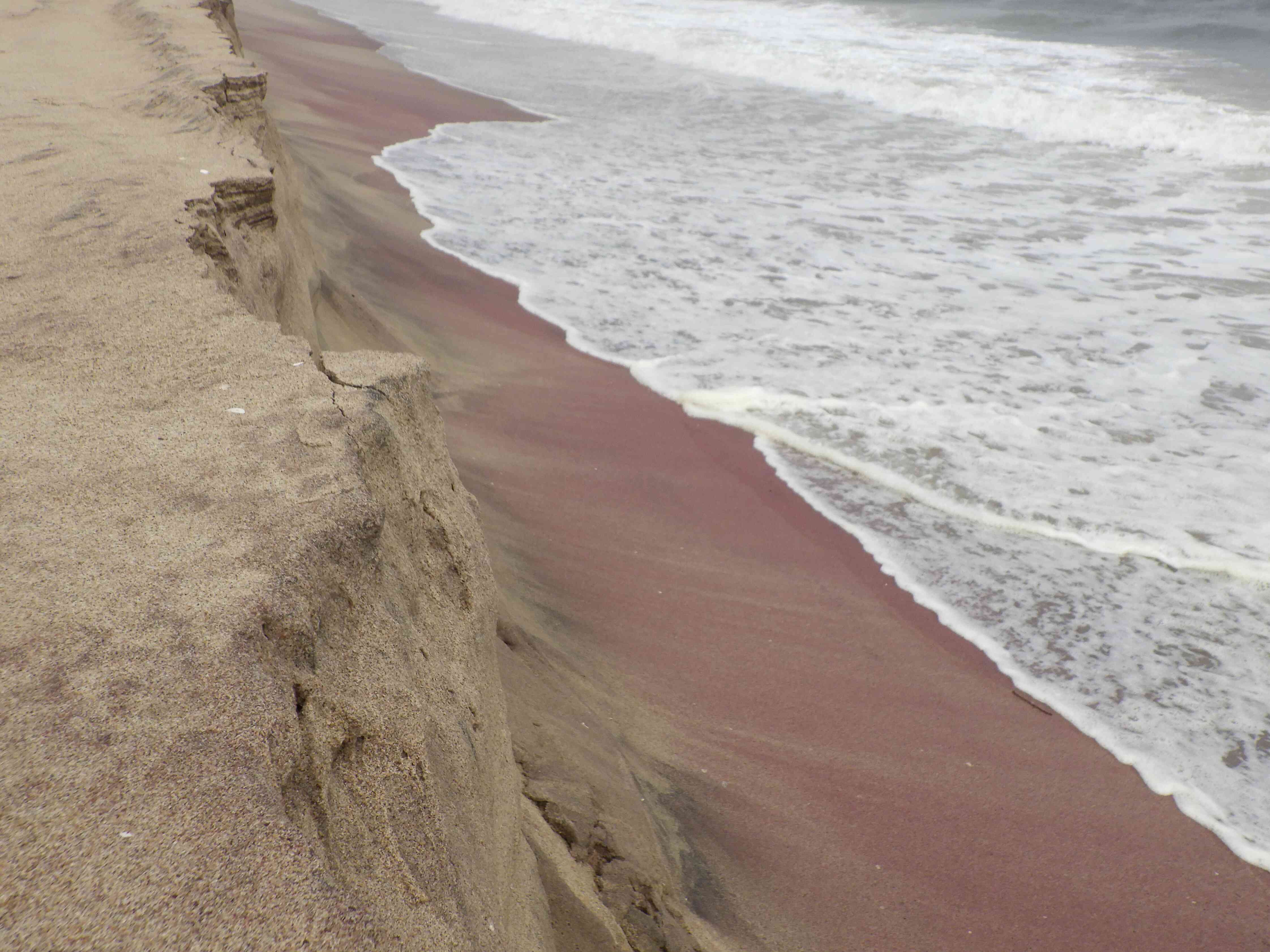
And taking a closer look at the sand in Sandwich Harbour (macro photo below), we found that it reveals a kaleidoscope of colors! Minerals like dolomite, sodalite, quartz, feldspar and mica, as well as iron oxide, which gives the sand its reddish hues. The heavier iron oxide remains settled in and near the shoreline, and the dune becomes more golden in height.

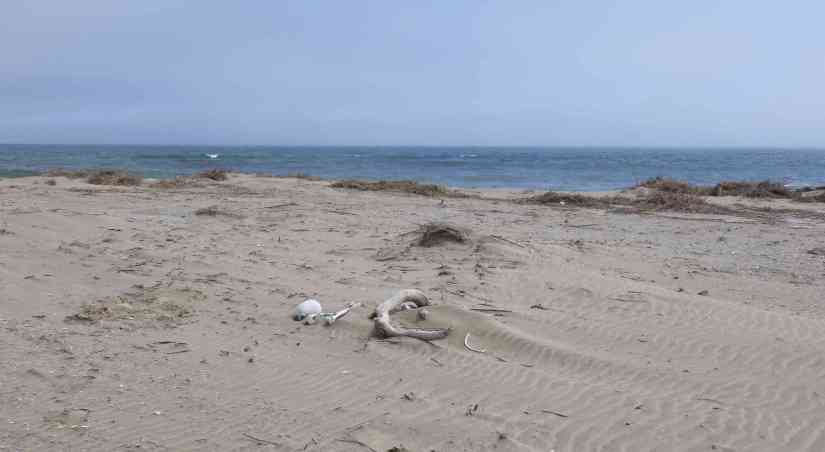
Maybe the biggest surprise was coming across a human skull and bones being uncovered by the wind. Hennie explained that they were from old burial grounds. The Park had been contacted to ask whether they should be reburied, but the reply was no, that they would allow nature to take its course.
But all that science aside, the most thrilling thing about the dunes is riding them like a roller coaster!
Back down on the windswept beach, our guides quickly set up an ‘elegant’ lunch complete with oysters on the half-shell, grilled fish, chicken, quiche, oryx kabobs, sausages, spring rolls, sweets and champagne. They even brought Tom birthday cupcakes! –what a birthday celebration it was!


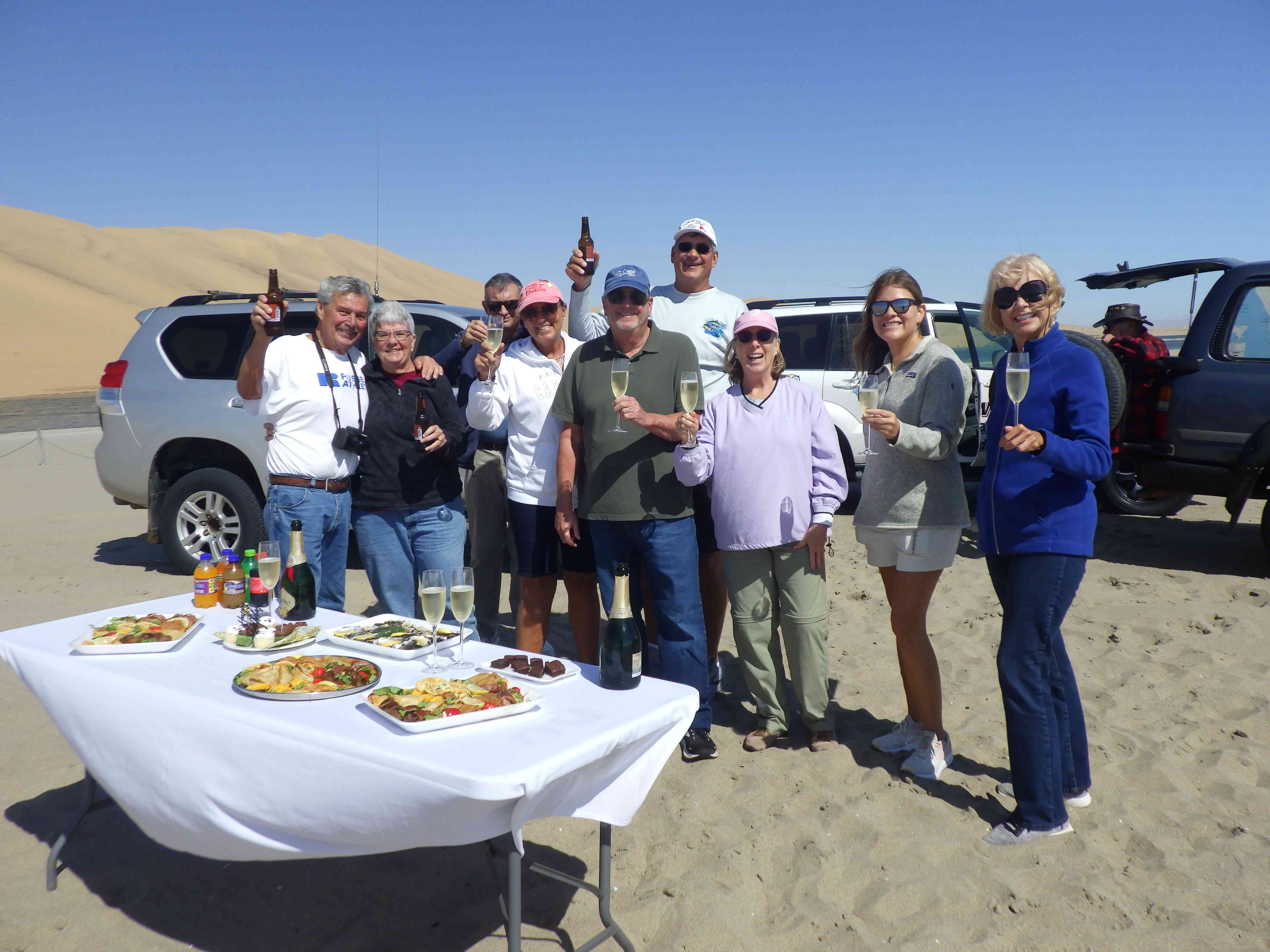
Robby, Glen and Hennie expertly navigated the shifting sands, knew when to accelerate and kept an eye on tides to allow our safe return. We thoroughly enjoyed the beauty, adventure and Tom’s birthday celebration in Namibia!
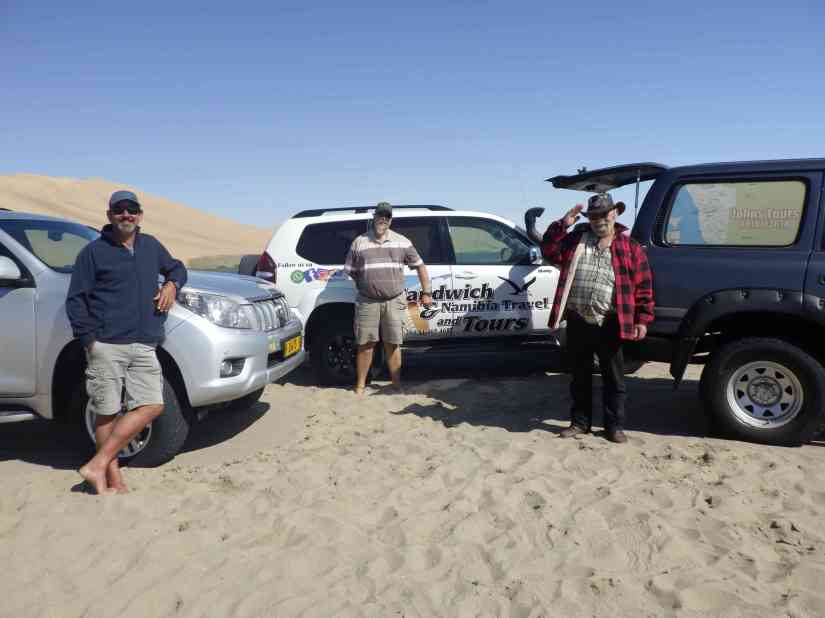

For spectacular aerial photos and more information on the dunes: https://www.sandwich-harbour.com/
From here, Zuiderdam will navigate 3,100 miles over the next six days at sea to reach the Cape Verde and Canary Islands before turning inland at Gibraltar to explore the Mediterranean. Stay tuned!
Discover more from Life in Nautical Miles
Subscribe to get the latest posts sent to your email.
 Life in Nautical Miles
Once again loved the narrative and photos. Glad you captured my favorite animal …the giraffe.
Happy birthday Tom.
Lynne
LikeLike
Wow -once aga
LikeLike
Happy Birthday, Tom! Love reading about all your adventures. Such an amazing world tour!
LikeLike
wow all the wild animals.
LikeLike
WOW! Amazing!!! Belated birthday wishes to Tom!
LikeLike