


Priai, Ilha de Santiago – Cape Verde Islands
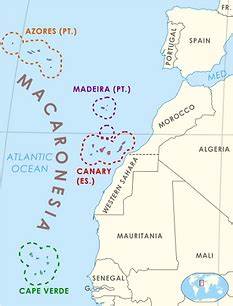
Lying just 350 miles west of Senegal are the Cape Verde archipelago consisting of 10 islands. Praia is the capital and largest city located on the island of Santiago and offers a blend of Portuguese and West African cultures and colonial architecture.

Street art and murals are popular and can be found throughout the city.


The ship provided a shuttle from the pier to Alexandre Albuquerque Square where we began our exploration on foot. The adjacent pedestrian street was lined with small shops that were just beginning to open for the day.
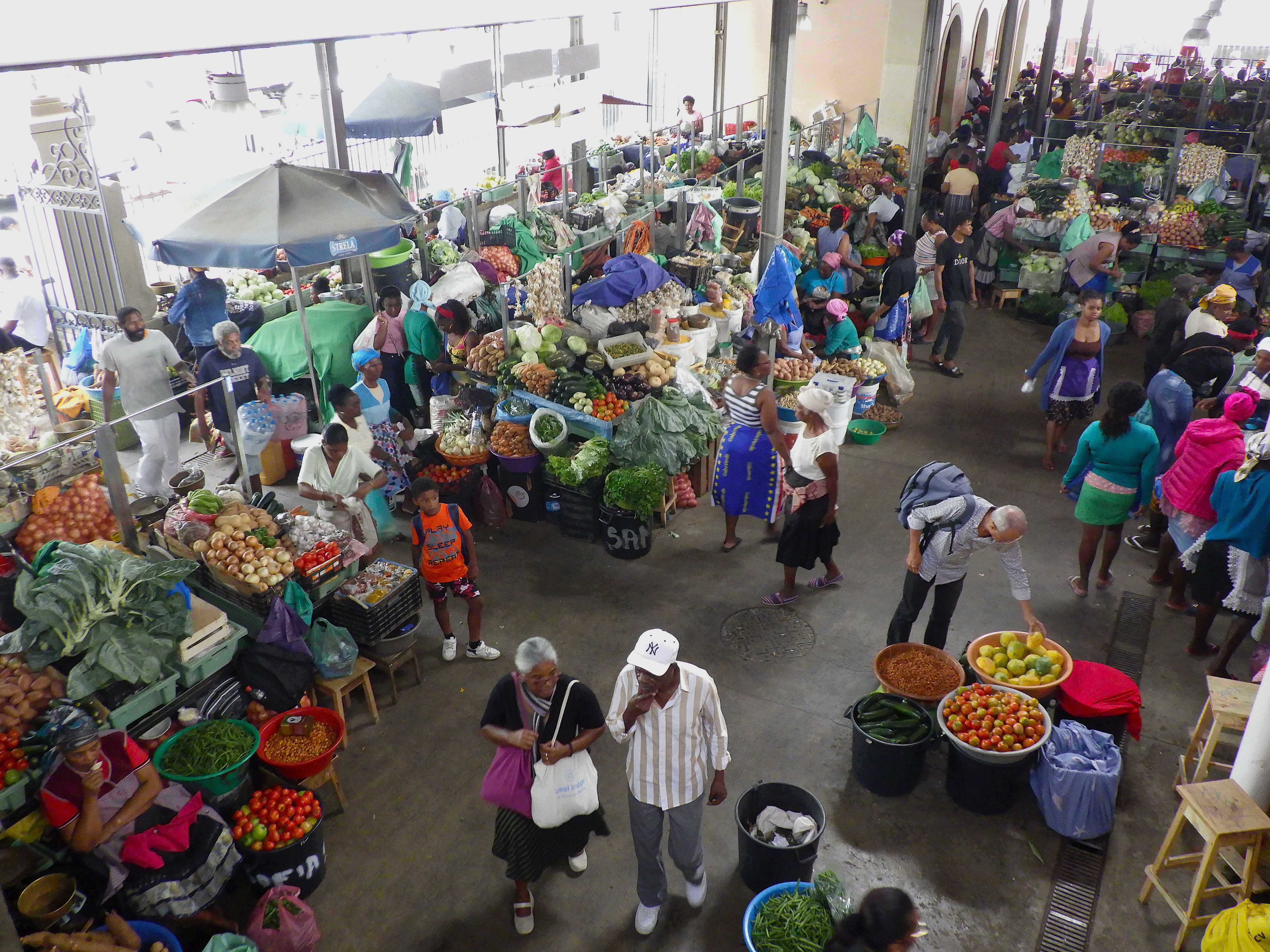
It seems that no matter where you might be in the world, nothing says “Saturday” more than a central market. Praia’s Sucupira Market was in full force for our morning visit. Hawkers shouting in their native Creole, countless vendors transporting nearly everything on their heads, and the aromas of street cooking provided stimuli overload for our senses as we walked through.

Along the coast, Prainha Beach was lined with small hotels and condos. We indulged in a massage at the Hotel Barcelo before finding some lunch in a lovely café.

The grilled grouper with rice and sauteed vegetables, a generous platter of Portuguese sausages and cheeses, and 2 glasses of wine cost less than $30. Praia was a relaxing and delicious visit!

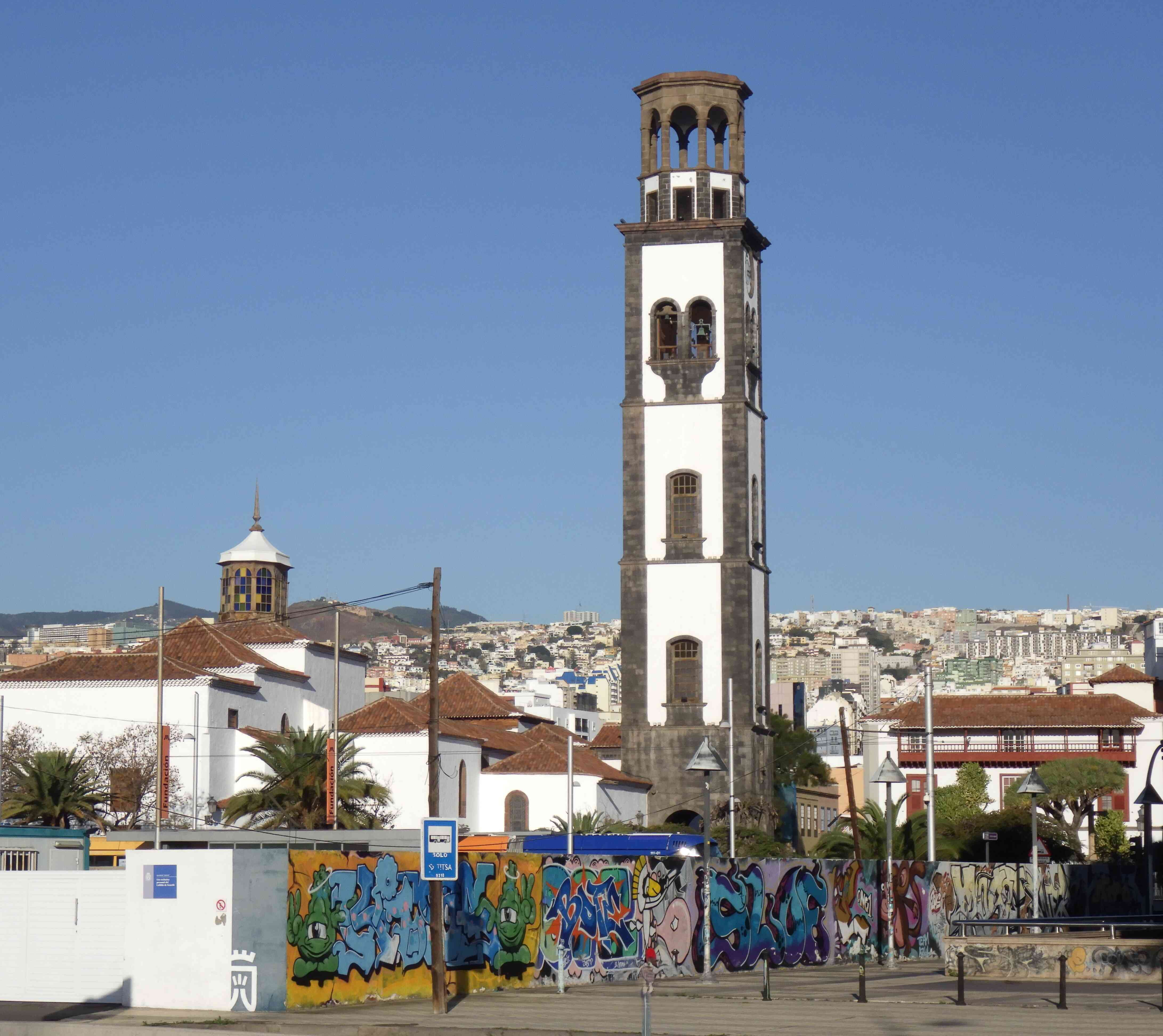
Santa Cruz, Tenerife – Canary Islands After two days at sea, covering 937 nautical miles, we arrived at Santa Cruz de Tenerife, the largest of the seven Canary Islands. This friendly port city is home to approximately 200,000 residents and combines history, modern architecture, old world charm, and natural beauty.

Despite the volcanic terrain, landscapers were trimming the grassy areas adjacent to the ship’s pier. The smell of fresh cut grass was something we didn’t even know we longed for. It smelled so good!

Our 9-mile walkabout in town included all the sights, starting with the shoreline promenade to the Opera House, a swimming club and an oceanfront botanical garden called Palmetum, featuring palms from around the world.

Onward through plazas, residential neighborhoods, pedestrian shopping streets, parks and an artsy Central market complete with florists, handicraft artisans, gourmet cheeses, meats and the usual produce.


Beyond the sights, it’s always important to get to know a place by its local cuisine! Like the deliciously indulgent Tenerife ‘barraquito’, a multi-layered coffee liqueur drink, and some hearty Iberian Ham Tartare.
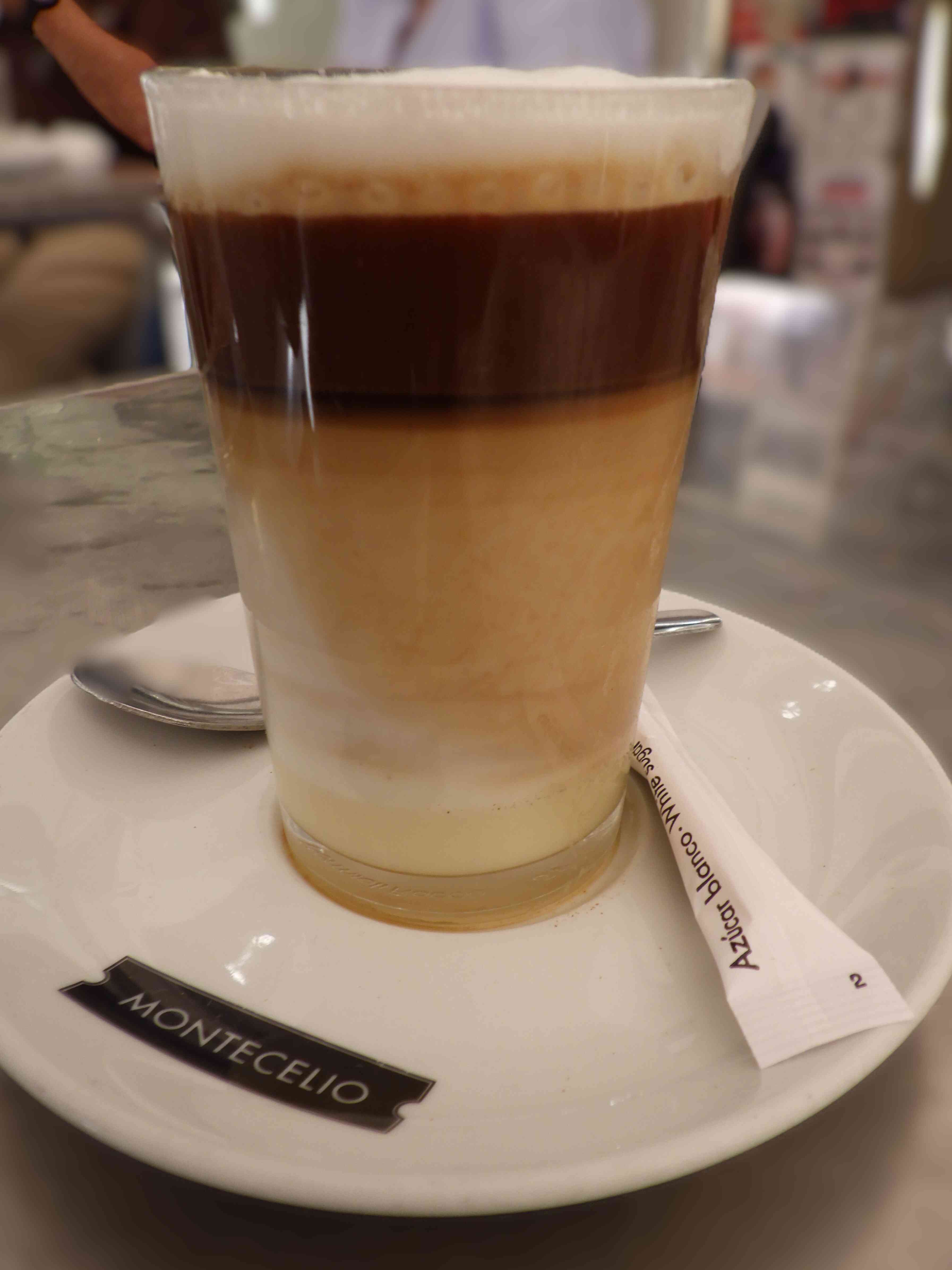

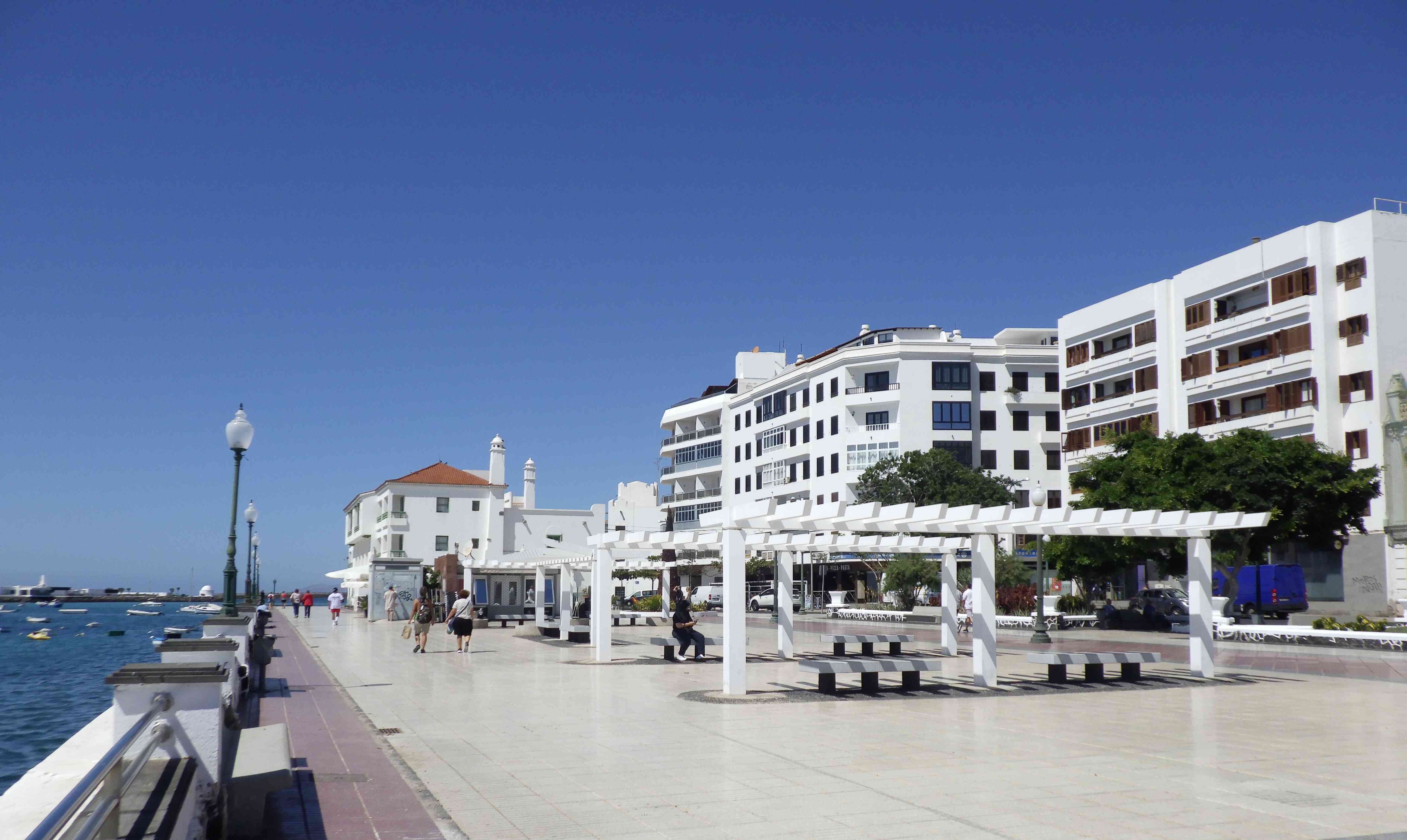
Arrecife, Lanzarote – Canary Islands The second Canary Island we visit is northeast by 158 miles. Lanzarote’s landscape is dotted with hundreds of volcanic cones and looks like it could be the surface of the moon. But the coastal town of Arrecife is an oasis, with a decidedly Mediterranean feel to it; from the El Charco tidal lagoon, to its seafront promenade lined with palms, and the golden sands of El Reducto beach. We enjoyed a lovely day here, walking around in the mid 70-degree sunshine!
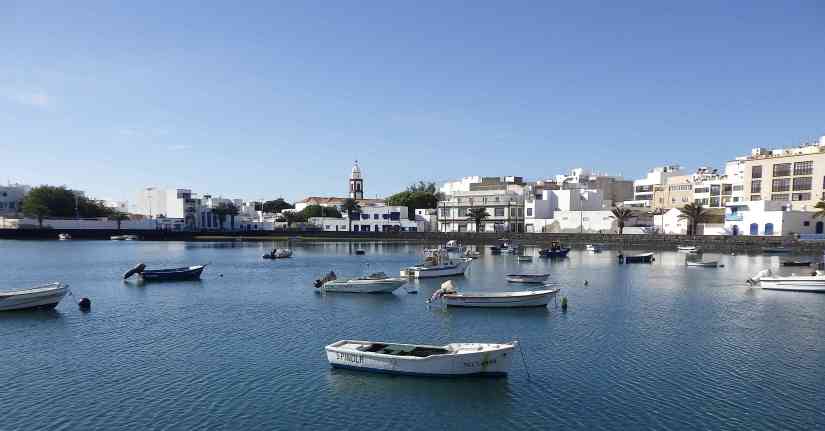
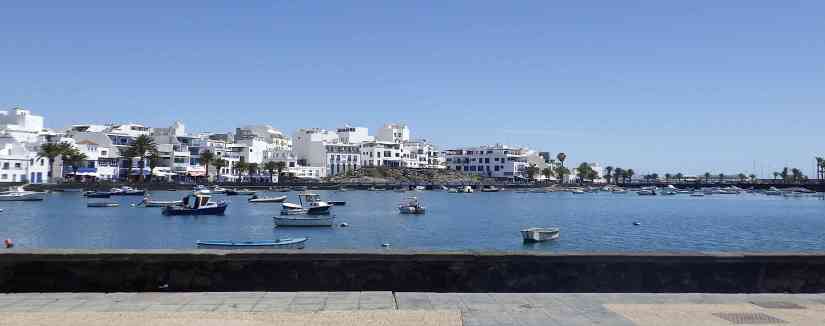
The crisp-looking blue and white painted buildings, a modern promenade and lively pedestrian streets make Arrecife a delightful place to visit!

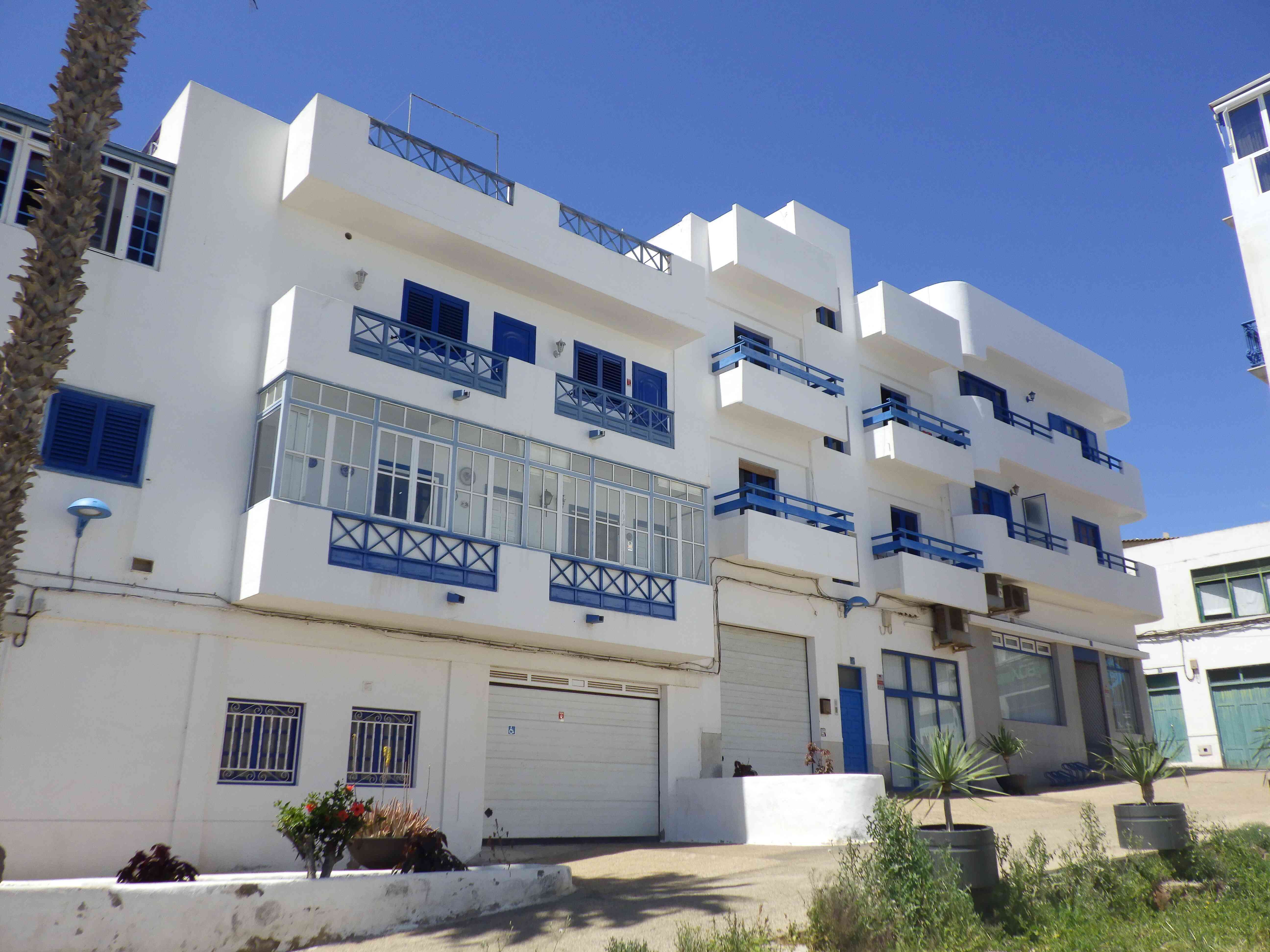
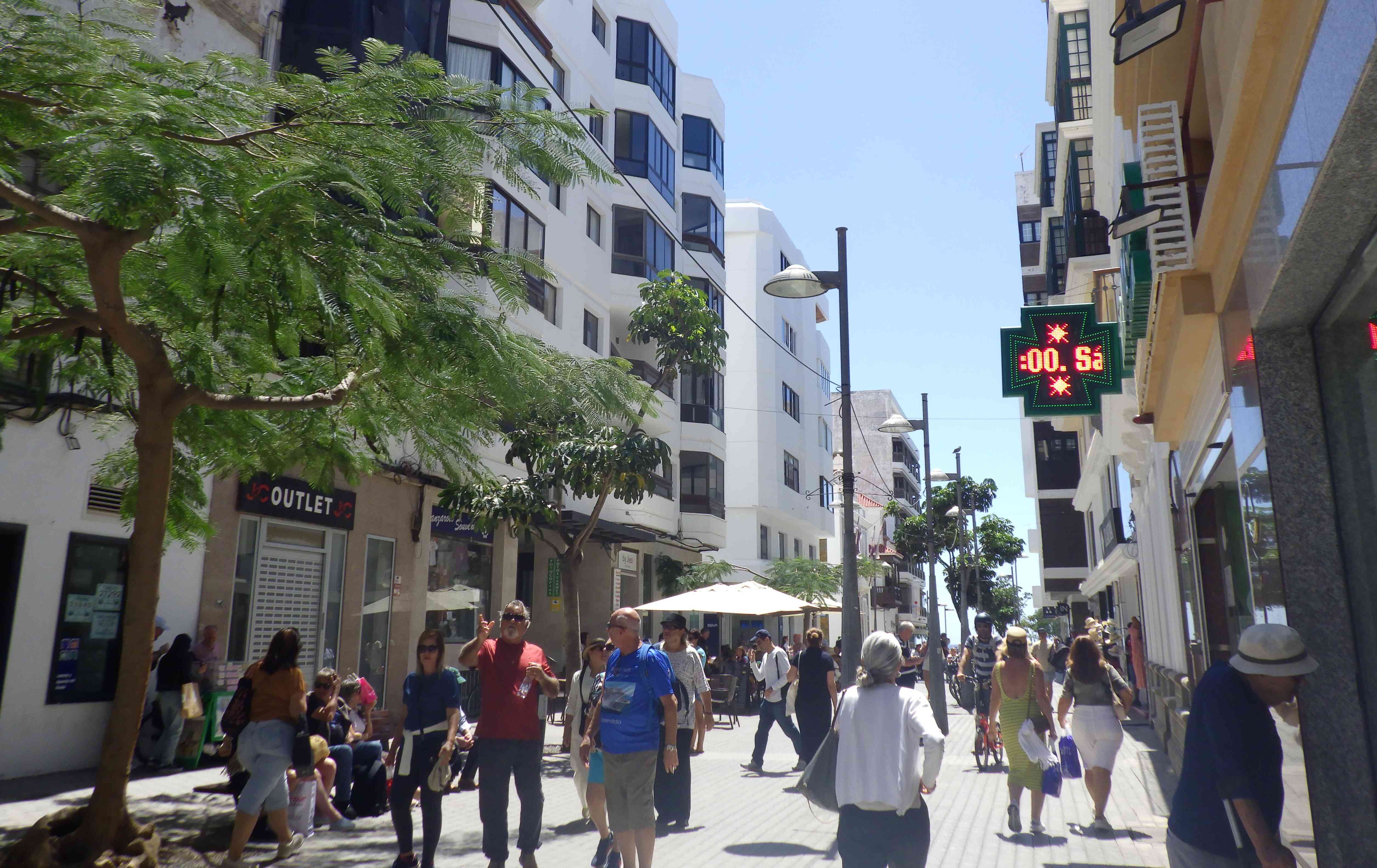

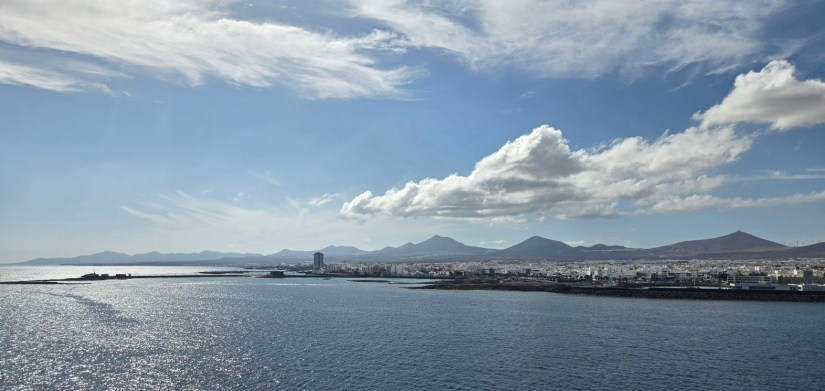
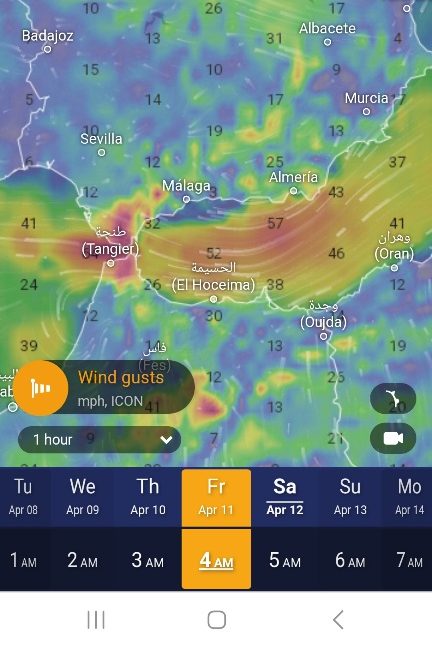
From the Canary Islands, we follow the Moroccan coast 609 nautical miles to the entrance of the Mediterranean and the Strait of Gibraltar. Winds often funnel through the Strait at gale force strength or greater. Here’s a screen shot of wind gusts for our transit’s date and time. Fortunately, the wind was on our bow and there wasn’t too much fetch on the surface conditions. We felt some gyrations, but fortunately at 4am, most everyone was still in bed.
Gibraltar, Overseas British Territory At 6:30am, Zuiderdam makes an impressive maneuver of backing into the narrow entrance of the Gibraltar breakwater and is secured to the pier just before dawn. We are on deck to watch “The Rock” reveal itself to a new day.

Located at the southern tip of Europe, this tiny 2.6 square mile British Overseas Territory is known for its giant limestone rock formation, as well as for its strategic part in wartime and maritime histories. It is home to 34,000 people and about 300 Barbary Macaque monkeys, their unofficial mascot.
With an all-aboard time of 3:30pm, we hurried to secure a tour guide from the pier parking lot. Joseph was born on Gibraltar and shared history, facts and figures as we sped along winding one-lane roads from south to north and of course, UP!


Above, the Europa Point Lighthouse, stands 66 feet tall on the southernmost point and was built in1800’s. The island photo gives you an idea of its urban density.
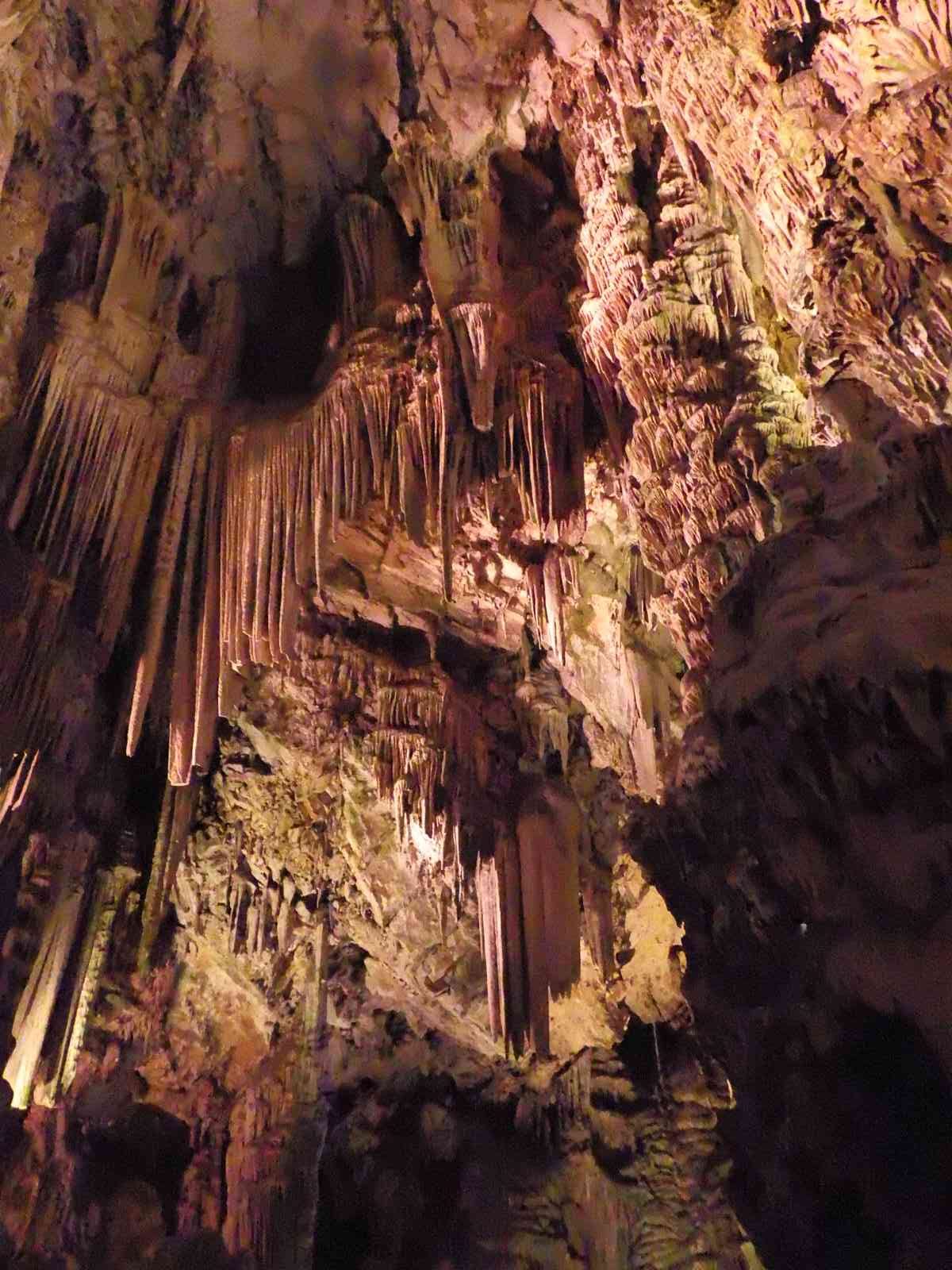
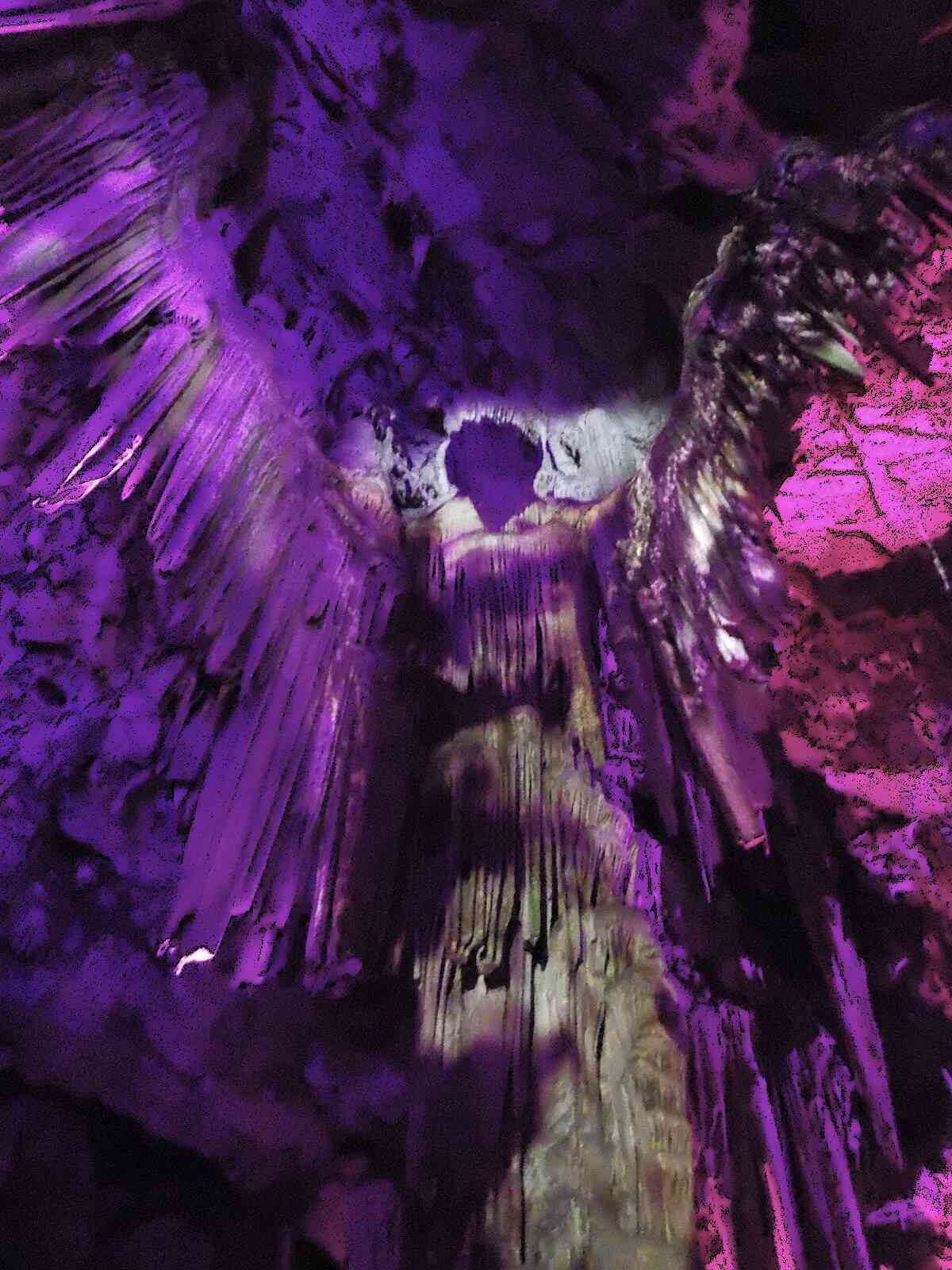
St Michael’s Cave contains the magnificent beauty of stalactites/mites, and various limestone chambers. The especially cavernous Cathedral Cave is used as an auditorium, with seating for 400 in front of a concrete stage. With natural acoustics, this venue hosts operas, concerts and other events. For tourists, a fantastic light show is shown every 7 minutes.
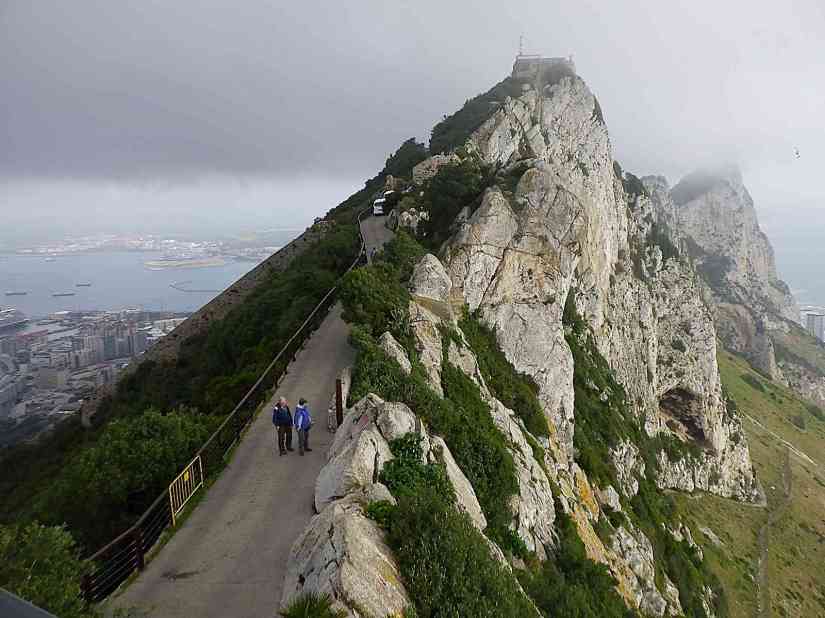
The Upper Rock Nature Reserve rises 1,397 feet above sea level. We crept out on the overhanging platform of the “Skywalk”, which featured a clear (well, opaque) floor. If you dare to look down or over the edge, the 1,115 feet of sheer rock face plummets straight into the foaming sea beneath. Photos simply didn’t do it justice.
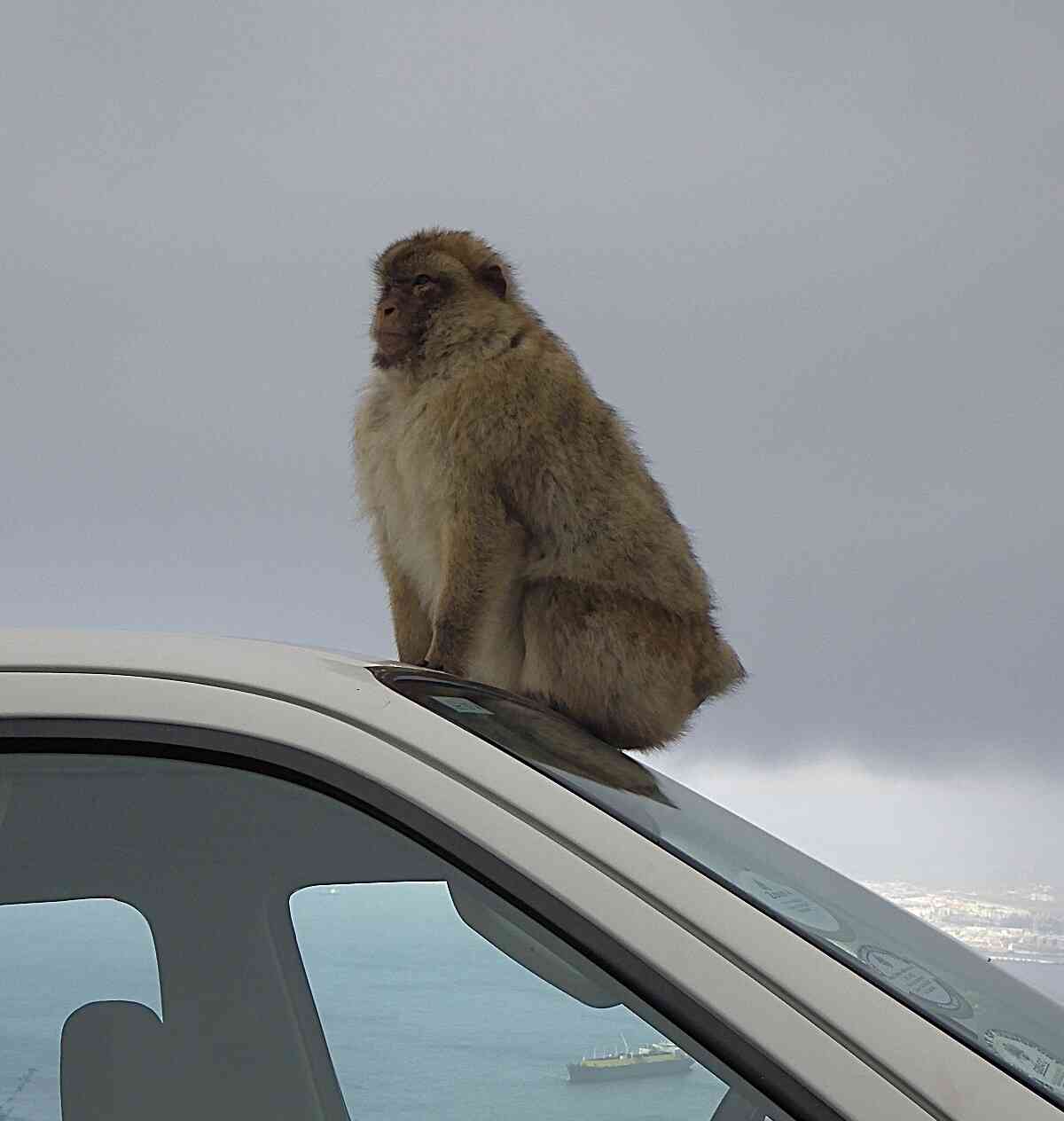
Unfazed by heights are the population of the Barbary Macaque ‘apes’ that rule the roost here. Assertive, clever and curious, they are quick to grab anything of yours that is not attached!


Both the Great Siege Tunnels of the 1700’s and the WWII Tunnels of the 1940’s are historic defense systems as well as feats of engineering. For instance, peak tunnelling speed for the WWII tunnels was 177 feet per week. There were over 27 miles of tunnels carved out by 1945. The legacy of and about these tunnels goes well beyond the scope of this blog, but worth looking up if you’re a war history buff.
Another historical site was The Moorish Castle. The plaque above the small entryway reads: “When the Moors recaptured Gibraltar from the Spaniards in 1333 they rebuilt an earlier tower ruined in the fighting, into this solid tower of homage, which has since withstood ten sieges.”

A unique feature about Gibraltar’s airport is that a city road goes right across the runway! Naturally, the road is temporarily closed for the 3 daily flights. In 2023, they’ve finally built a tunnel, but for pedestrians only.

The small geographic space of this island also results in densely populated streets with diverse cuisines and a wide variety of shopping; everything from luxury brands to artisan wares. Glassworks and ceramics are popular here. Gibraltar even makes its own gin!

The Grand Casemates Square is where we finally took a break and snacked on a delicious thin crust pizza. However, the massive portions of fish & chips were popular at many eateries as well.

Honestly, there was so much to see in our short time there, that I’m including this link for more information as well as aerial photos that I could never capture! https://gibraltar.com/en/about-gibraltar/welcome-to-gibraltar.php
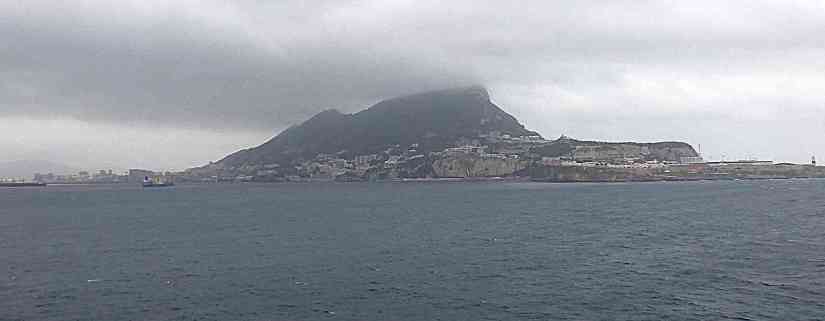
Cartegena, Spain – Did you know that there are more than thirty Cartagena’s in the world? Today, we visited the oldest one! Located on the southeastern region of Spain, this ancient town was founded around 227 B.C.
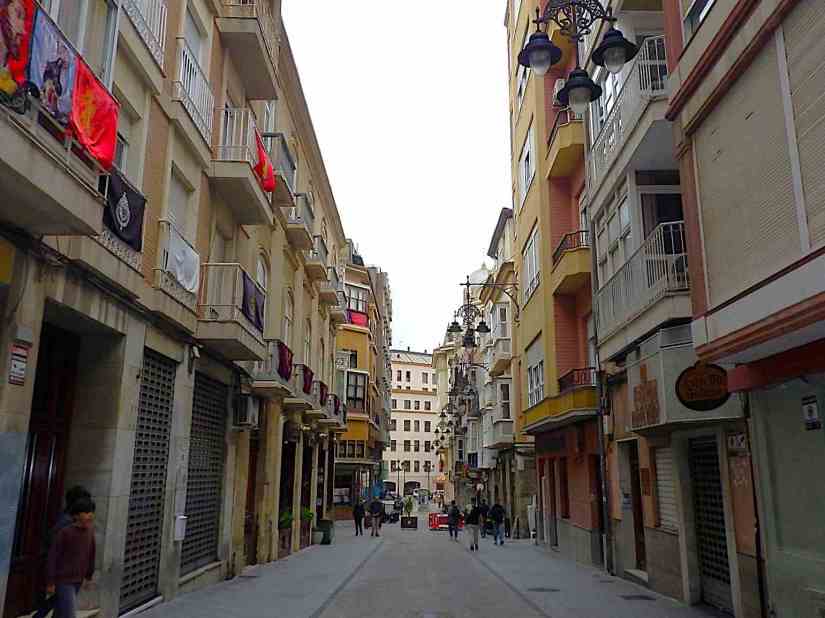
A group of us got together for a ‘Walking & Tapas” tour within the historical center to learn about the history and foods of Cartagena. The Roman Theater was certainly a highlight, as was wandering the narrow, pedestrian-only streets of Old Town.

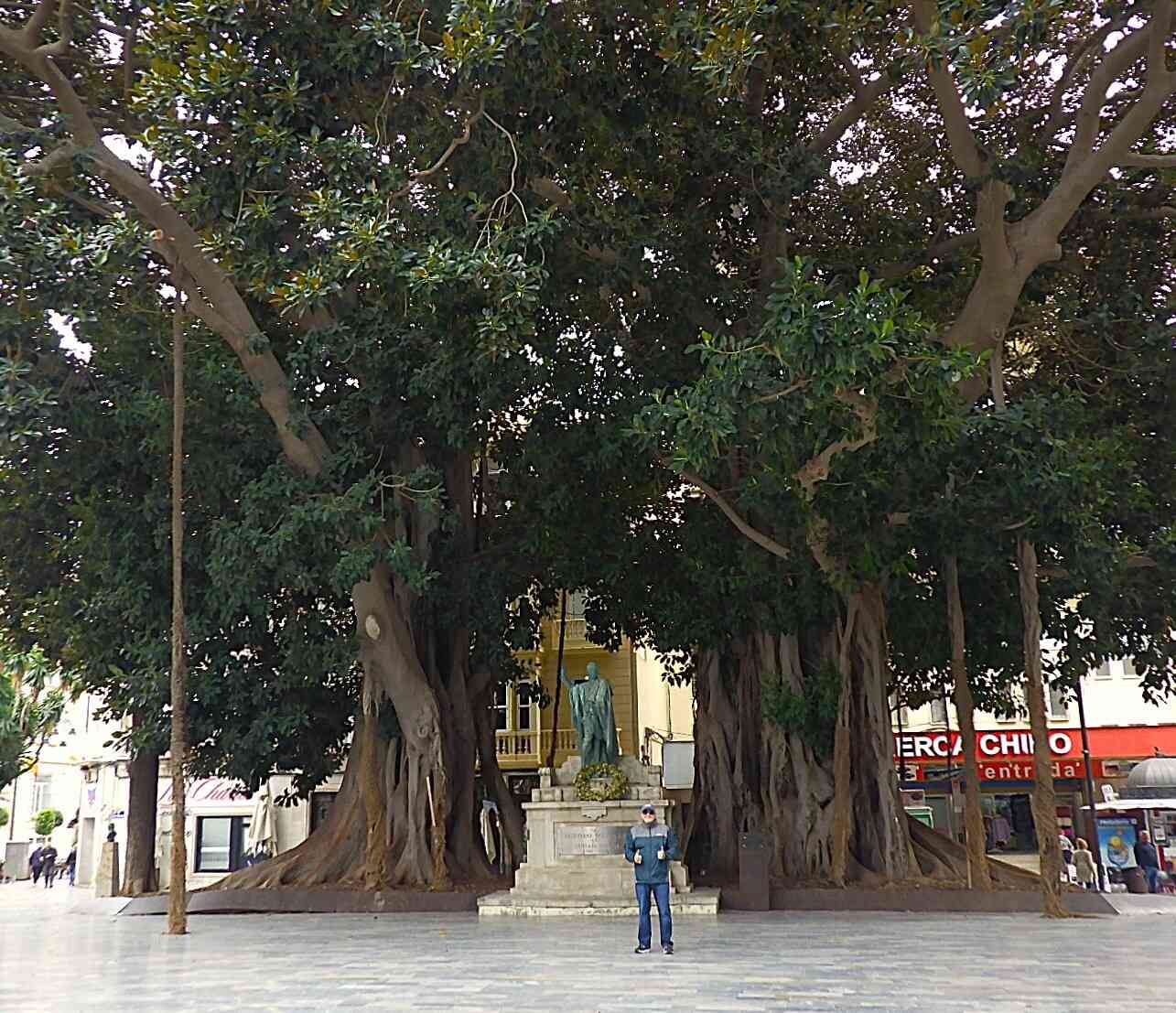
On the banyan-shaded and marbled Plaza San Francisco, we stopped at Al Diablo Tapas to taste their Magra con Tomate, a hearty pork stew with tomato and peppers.

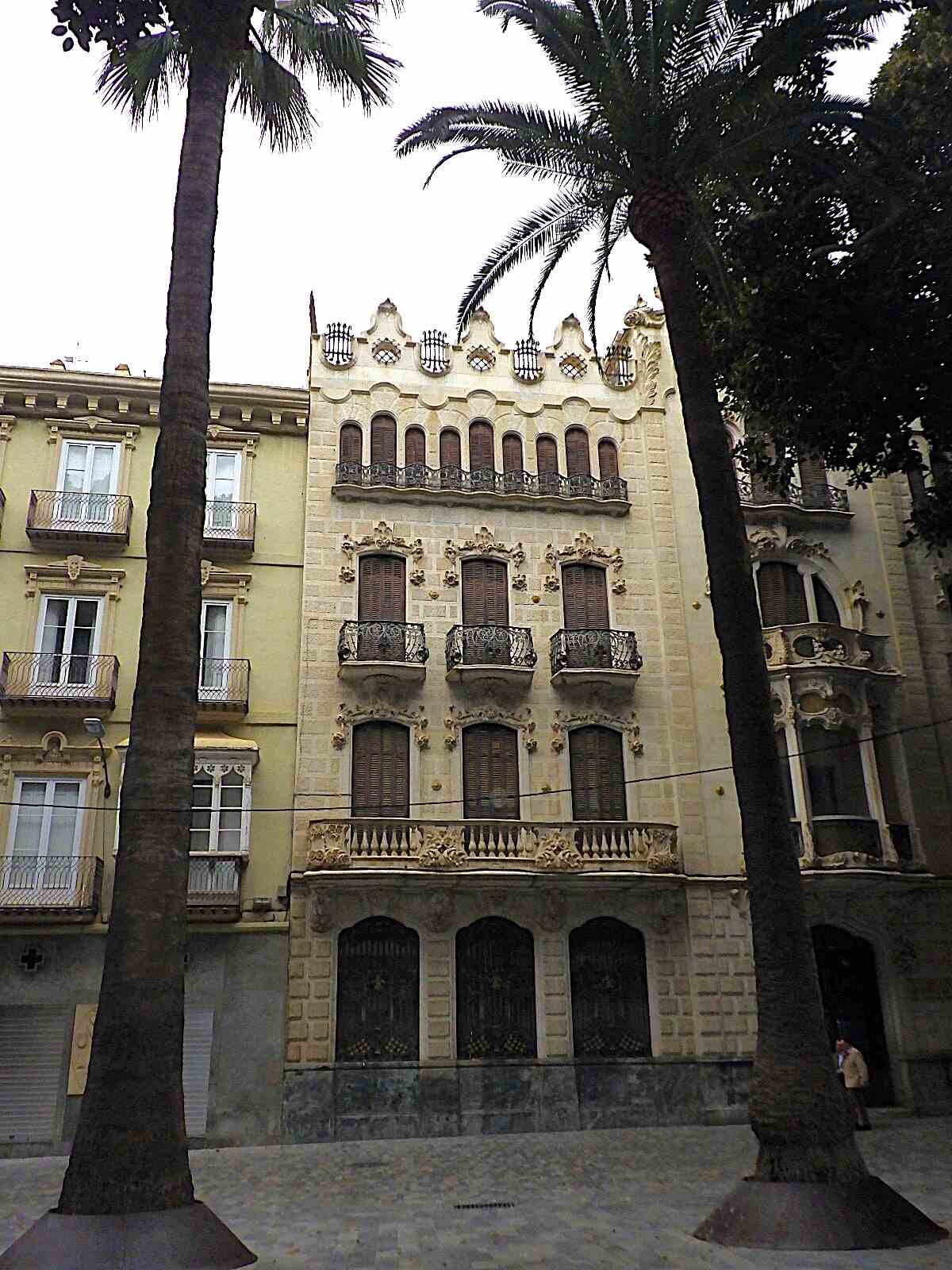
As we strolled, we asked about the reason for the number of abandoned facades we were seeing. Our guide explained that the city’s construction codes require that a building must preserve and use its original, historical architecture. But the hidden structural problems and preservation costs are typically more than an owner can afford, and therefore many have fallen into even further disrepair. However, efforts are being made to preserve and restore these historic structures, as they are an integral part of Cartagena’s cultural identity and charm.

Our next stop was at La Fuente, one of the oldest café’s for a traditional snack of “Marinera”. Similar to what we may know as tuna salad, Cartagena’s version is made with a mixture of tuna, potato, egg and mayo, topped with an entire fresh anchovy filet and served on a crispy bread stick. Asiatico coffee was our accompaniment.


Along the way, our guide shared history, short stories, and spoke of daily life in Cartagena. We also had to step out of the way for a few Holy Week processions that were taking place in the narrow streets.
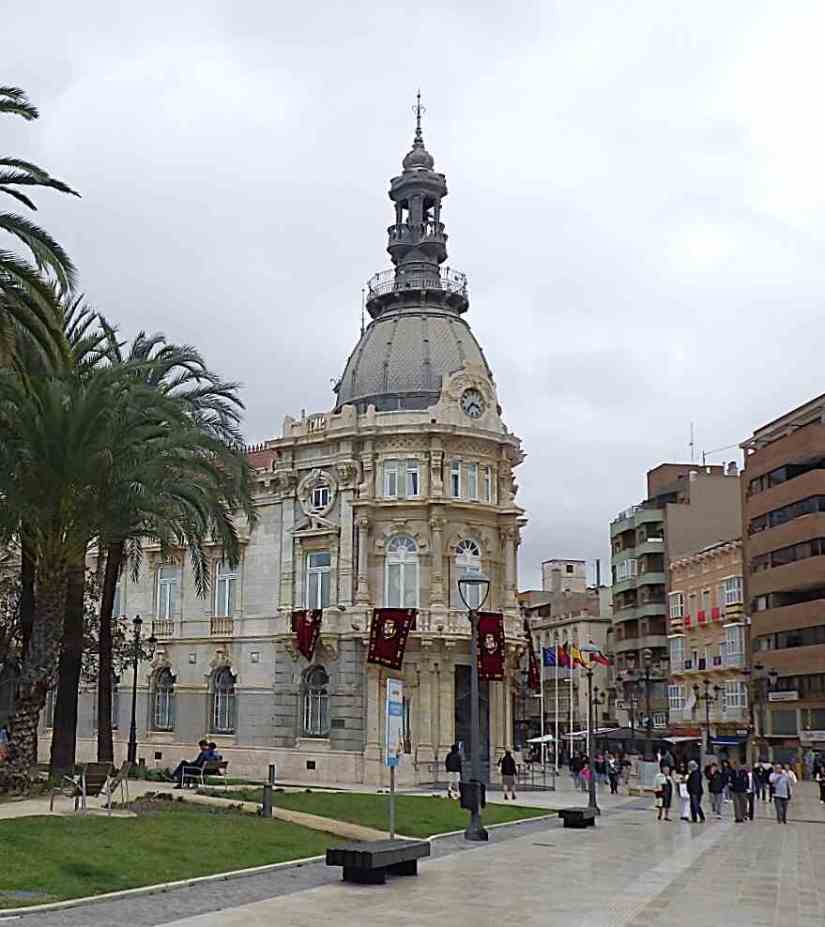
Our last tapas stop was at the vegan Chef Momo café for Arancini, Spanish-style. Rice, couscous and cheese topped with a cheese sauce.

We all waddled back to the harbor and marina promenade with full bellies and a better understanding of Cartagena’s social life and gastronomy.
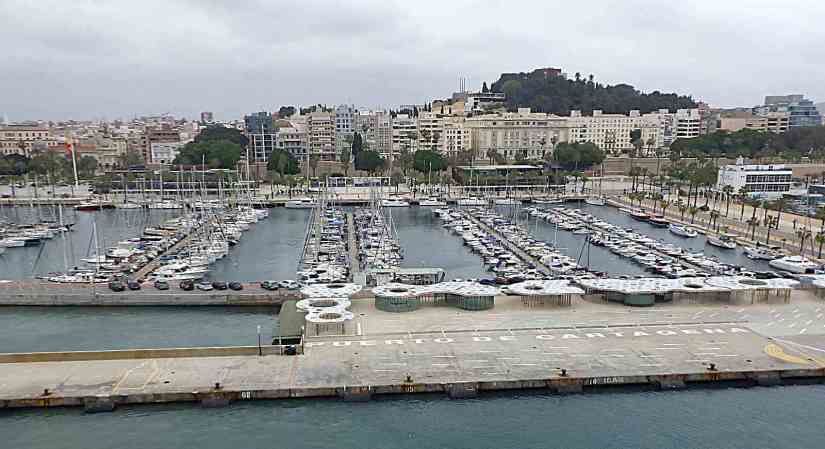
During the sea day after leaving Cartagena, I was still reflecting on its age, trying to get my head around 227 B.C.! In the United States, when we think of “old” we consider our histories as around 200 years old. But now that we’re traveling in the Mediterranean, it seems wherever you wander here, “old” means “ancient”! Most of our next ports will all offer rich histories of empires, pharos and past civilizations, so please forgive any overuse of words used to describe millennia!
Case in point is our next port of call, Valletta, Malta, which may be one of the oldest continuously inhabited spots in Europe, since around 5900 B.C.! And per Wikipedia, Malta’s been ruled by all kinds of powers: the Phoenicians, Romans, Byzantines, Arabs, Normans, the Knights of St. John, the French under Napoleon, and then the British. It finally became independent in 1964 and a republic in 1974.
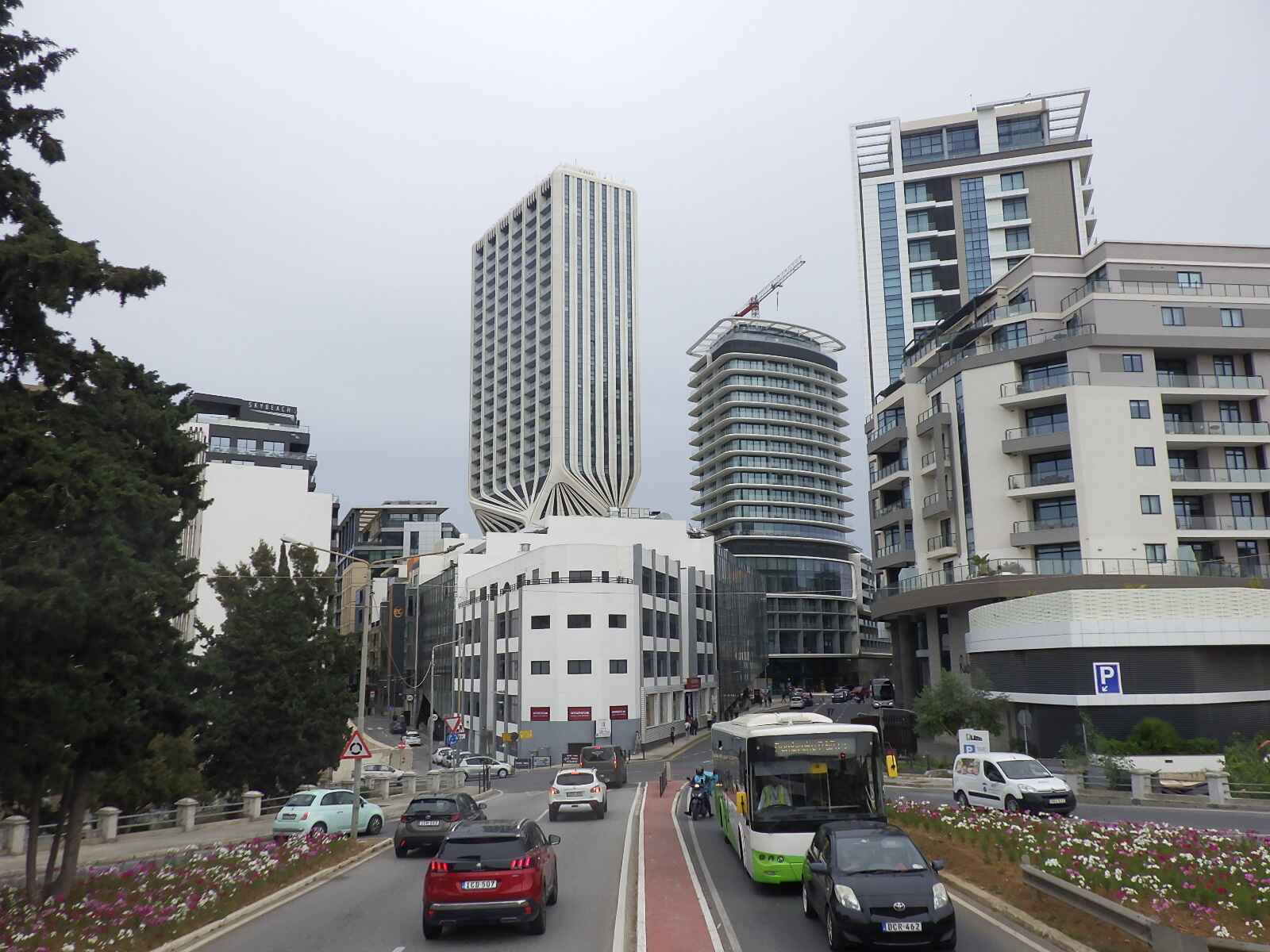
Zuiderdam makes her entrance into the inner harbor of Valletta before noon, with plenty of locals and tourists ashore waving a warm welcome. The stunning ancient city surrounds the harbor, making for a spectacular sail-in. Every angle of Malta seems to present a grand photo op!

Not knowing too much about Malta, we were eager to explore and discover this small island of 122 square miles. We found the best means to cover the most ground in a few hours was a Hop On Hop Off bus. We began by heading out of town first and would save exploring Valletta for the afternoon.
Despite the cool wind, the panoramic views from the open-top bus were breathtaking on our way to the medieval walled city of Mdina. Sitting atop a hill, Game of Thrones fans might recognize it as the filming location for King’s Landing in Season 1.
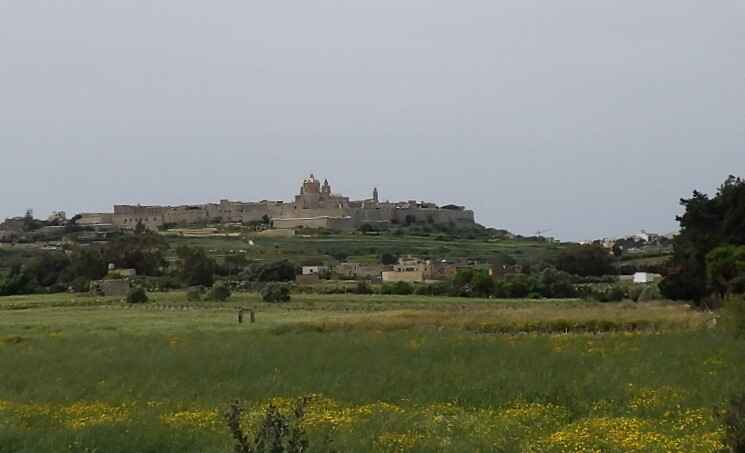
We leave the bus and walk through the thick, golden stone walls of the main gate and follow the labyrinth of narrow passages to wherever they may lead. It’s as if we’ve passed through a time machine.
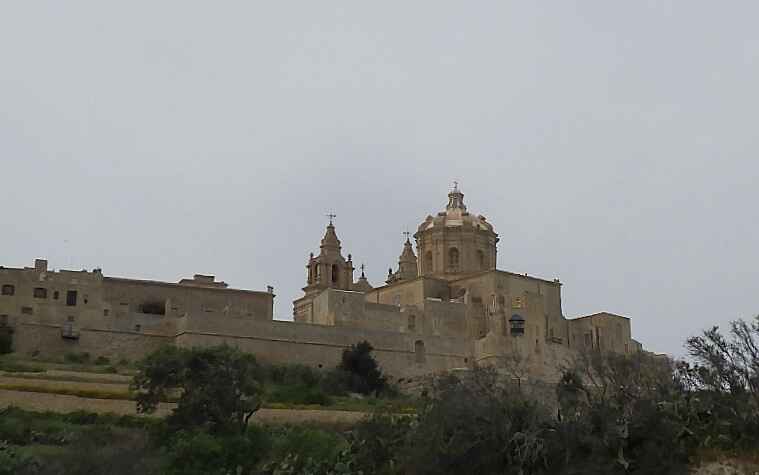


An hour later, we reboard the bus and make stops at landmarks like Golden Bay and the Mosta Dome, as well as pass through their agricultural belt, blending natural splendor with cultural heritage. It was a whirlwind tour that showed us Malta’s diverse landscapes, chic coastal towns, and rich history in just a few hours.


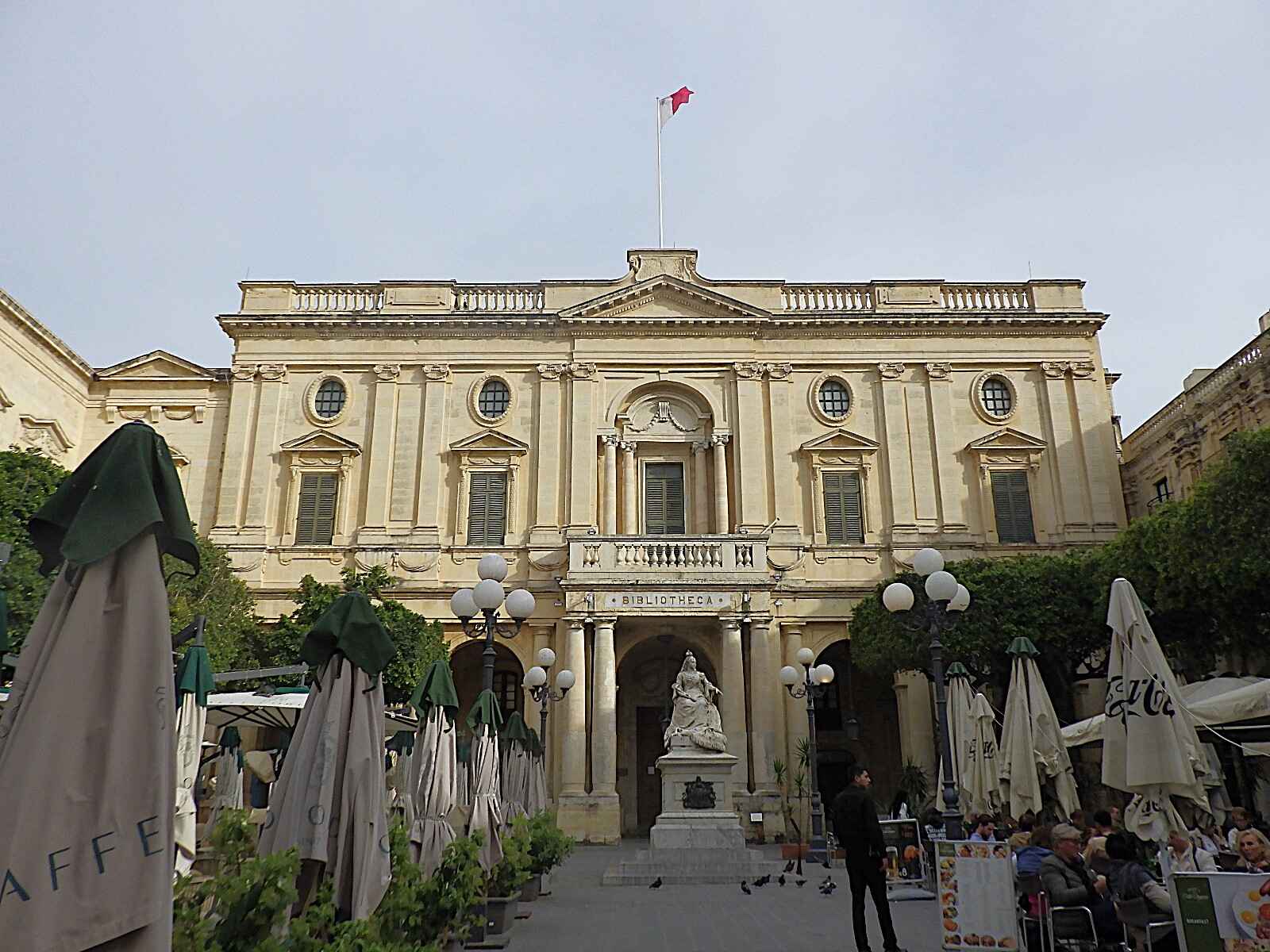
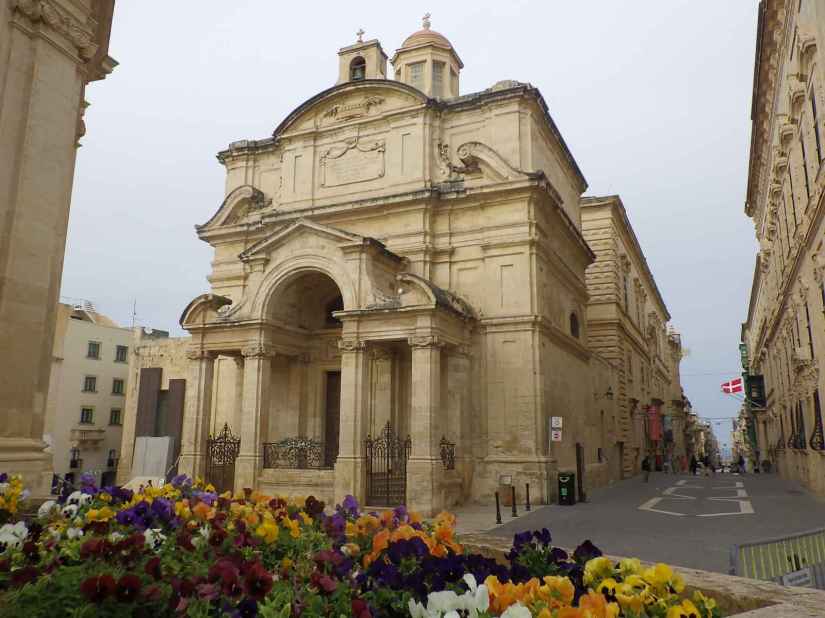
But maybe saving the best for last, we crisscross the Baroque streets of Valletta, finding monuments and impressive architecture at every turn, including the Library and St. John’s Co-Cathedral.


Tuckered out, hungry and thirsty, we sat at an outdoor café to people-watch while eating. I ordered their traditional rabbit stew and while Tom had local goat cheese ravioli. With dusk came cooler temperatures, so we headed back to the ship.


Later, Tom and I watched from our portside cabin veranda as Zuiderdam slipped her Malta dock lines at 10:30pm. It was gorgeous sail-away, with golden lights illuminating the ancient walls of Valletta. The tugboat and pilot boat escorted her until the breakwater, where she turned to starboard into the darkness. Malta is truly a hidden gem of the Mediterranean!

Our eastward course over 860 nautical miles will bring us to the Port of Alexandria, Egypt. The mysteries of the pyramids await …….
Discover more from Life in Nautical Miles
Subscribe to get the latest posts sent to your email.
 Life in Nautical Miles
Thanks for the update. I enjoy reading about your adventure.
Dick of Arkansas
LikeLike