

The Zuiderdam had cast off from the docks of Malta at 10:30 PM, setting course for Alexandria, Egypt. Over the next two sea days, she covered 810 nautical miles across the Mediterranean. Anticipation built as we neared the port—we were eager to stand before the legendary symbols of ancient Egypt.
Our 5:30am alarm got us going for a full-day excursion that would take us to Cairo and Giza, visiting the Museum of Antiquities, the Pyramids of Giza and The Sphinx. Excitement buzzes throughout the ship during breakfast, because not only are more than 800 passengers going, but also almost 300 of our beloved crew. Over 25 buses with police escorts will make the 3-hour commute, then split off into the various excursions offered. Each bus has its own itinerary and tour guide.
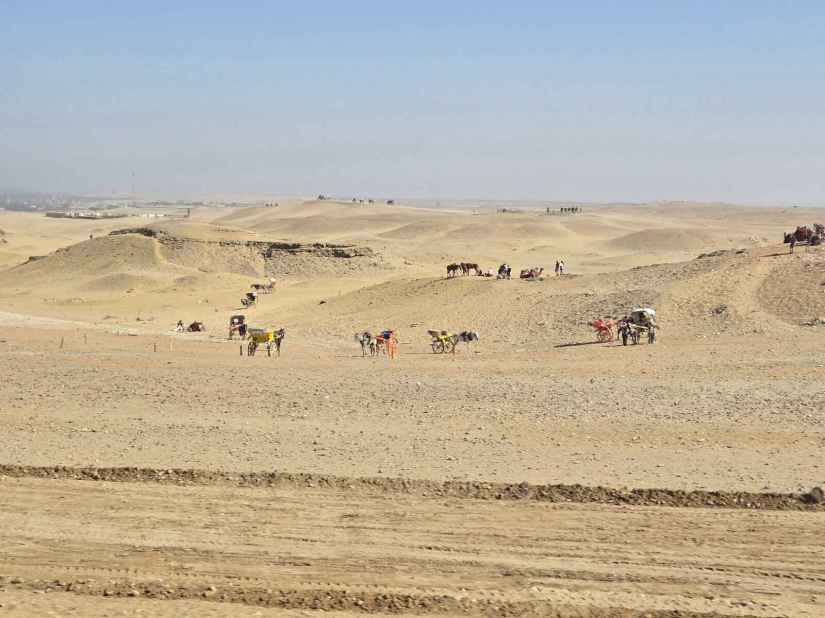
Leaving the port area, we drove through very poor neighborhoods with crumbling buildings and piles of rubble everywhere.


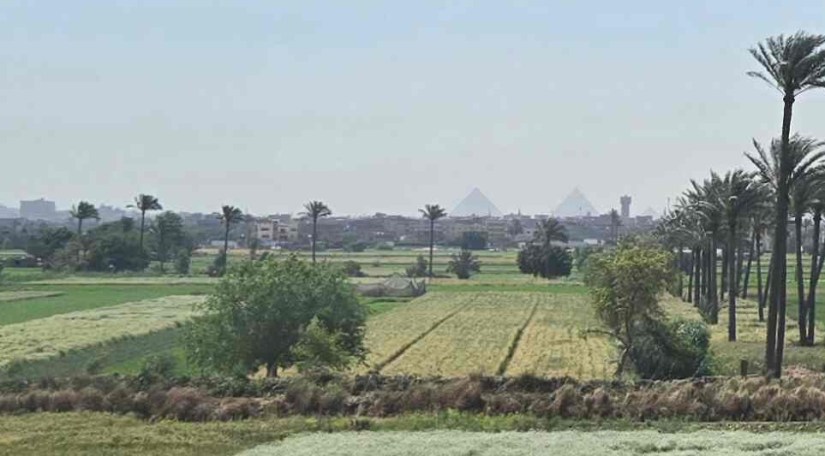
Within a half hour, the terrain became more rural, and we viewed the green agricultural acreage being nurtured between the two fertile arms of the Nile River. Orchards of citrus trees and date palms dominated the landscape.
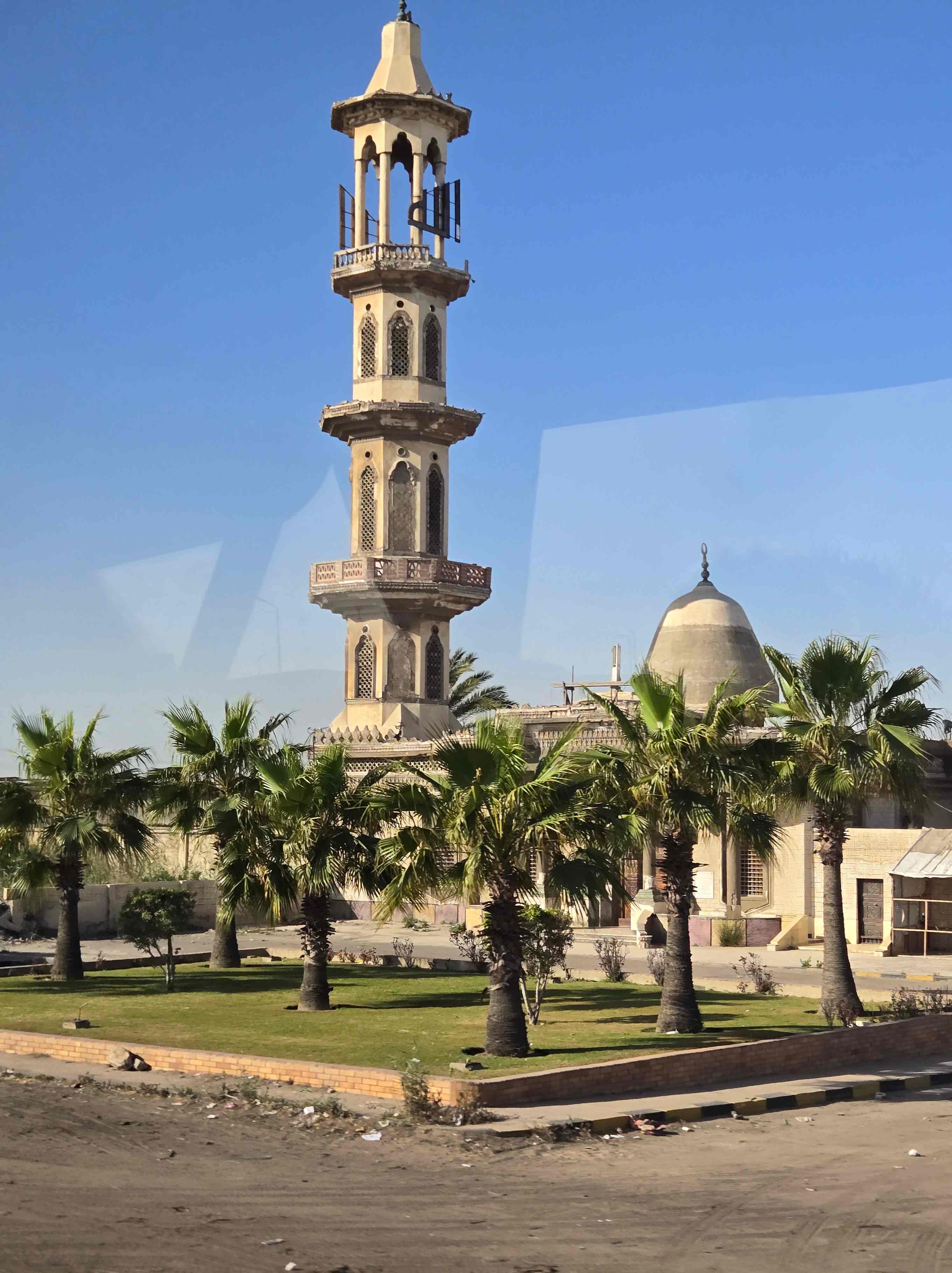
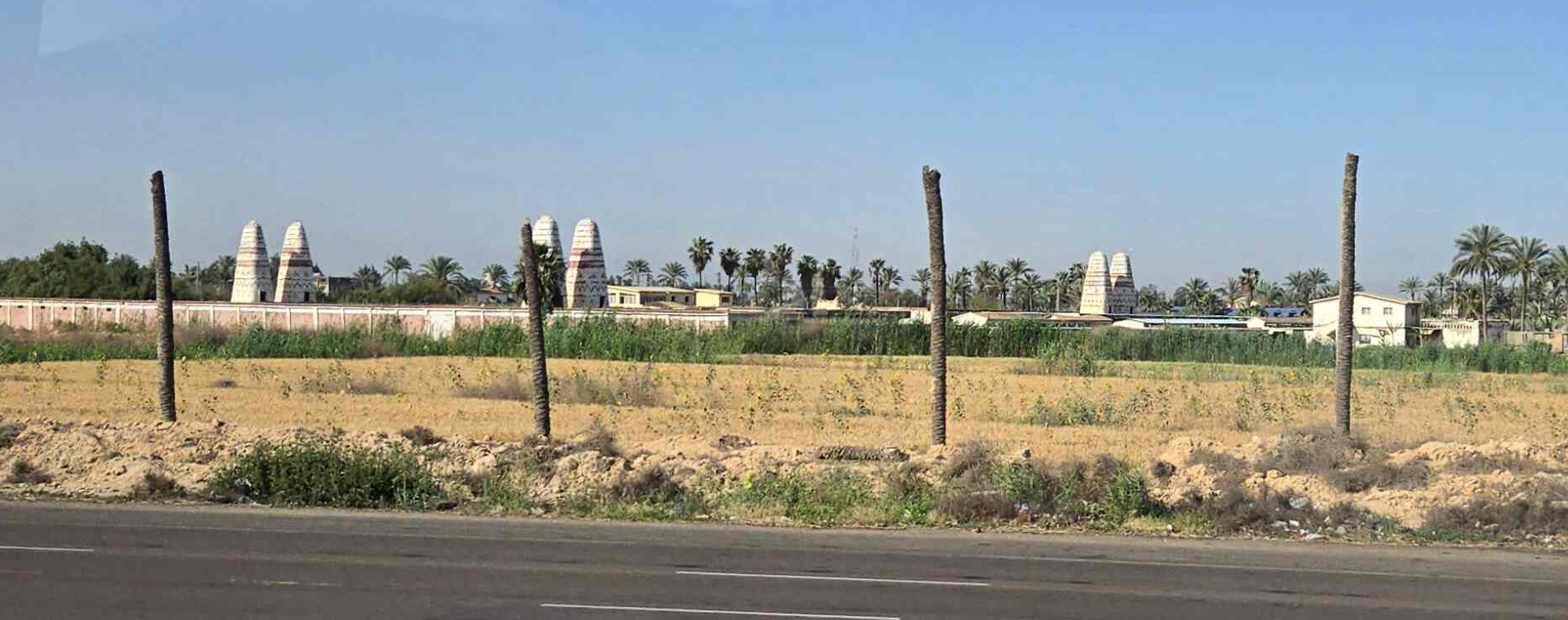
Every 2 or 3 miles we passed a mosque; some small, some larger, predicated on the size of the nearby settlement (left, below). Also numerous near some homes were pigeon towers (right, below). Not only do the 15-20 foot vertical cone structures encourage pigeon population into the fields for pest control but also serve as a “pigeon coop”. Considered a delicacy in Egypt, pigeons are stuffed with rice and roasted for special occasions.
Entering the outskirts of Giza and Cairo, new roads have been laid, and long city blocks of new high-rises sit empty. Locals tell us that while the government attempts to improve its infrastructure and quality of life for its citizens, no one can afford the rent, nor have the means of transportation necessary to get there.


Downtown Cairo is just as frenetic and exotic as you can imagine. Streets are jammed and horns are blaring. Camels, mules and horse drawn carts intermix in traffic beside Mercedes sedans and lorry trucks. Piles of trash and more rubble can be seen everywhere.


The Museum of Antiquities was our first stop, with its extraordinary collection of some of the world’s most valuable artifacts, including King Tut’s funeral mask.
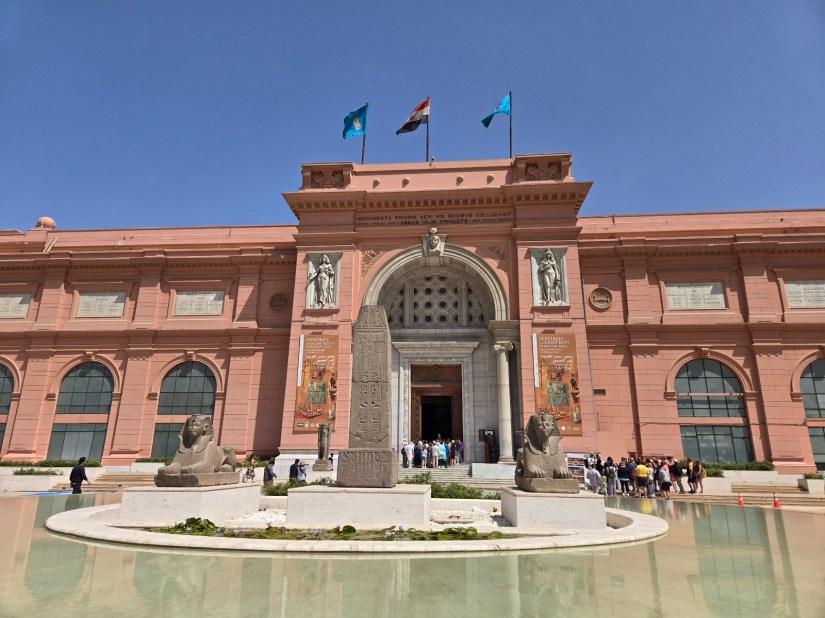
But of the twelve great halls of exhibits normally available for viewing, we had access to one, as contents are already being relocated to the new, larger Grand Egyptian Museum, opening this June in Giza. One hall contained plenty for us to see!
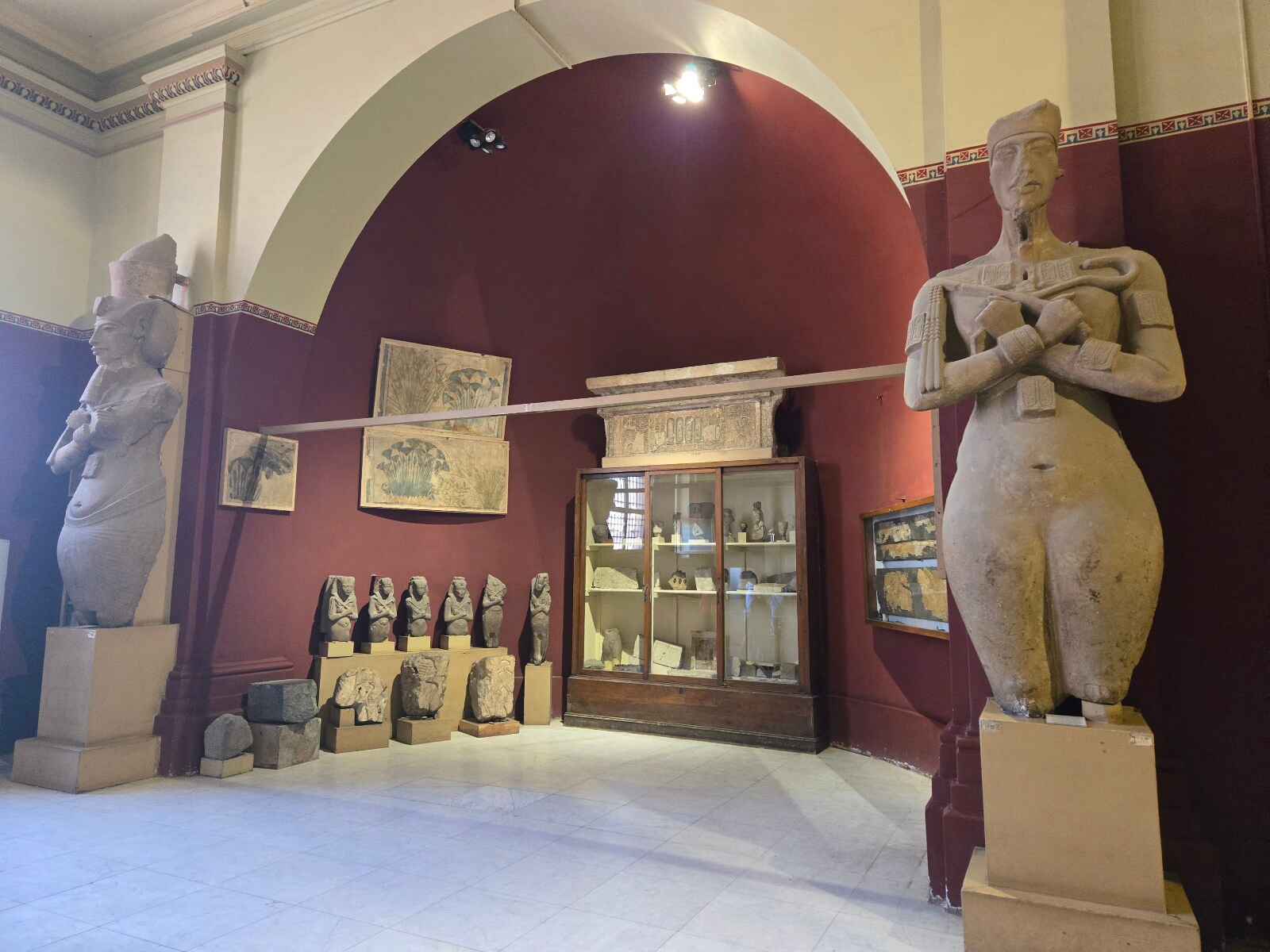


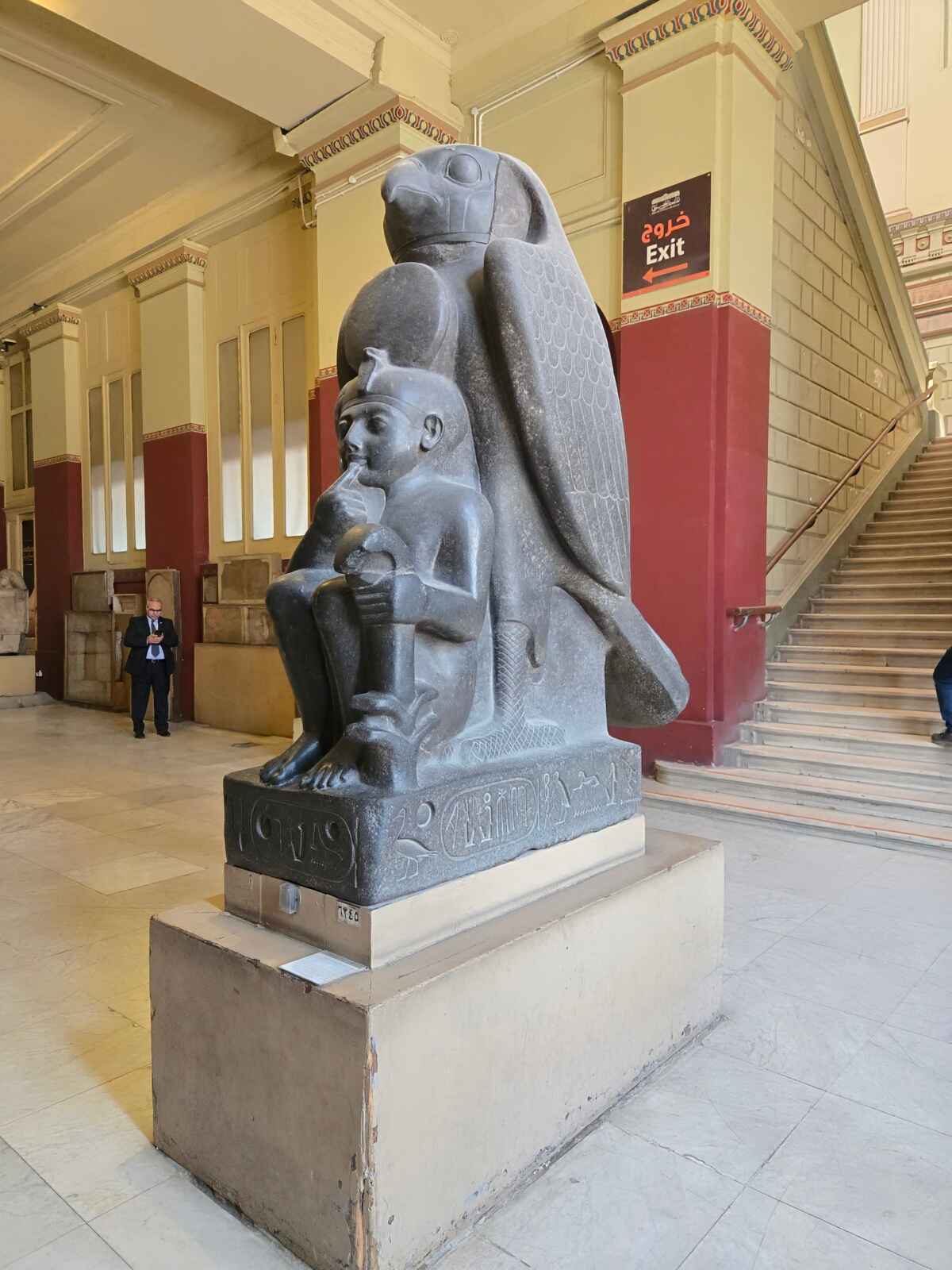
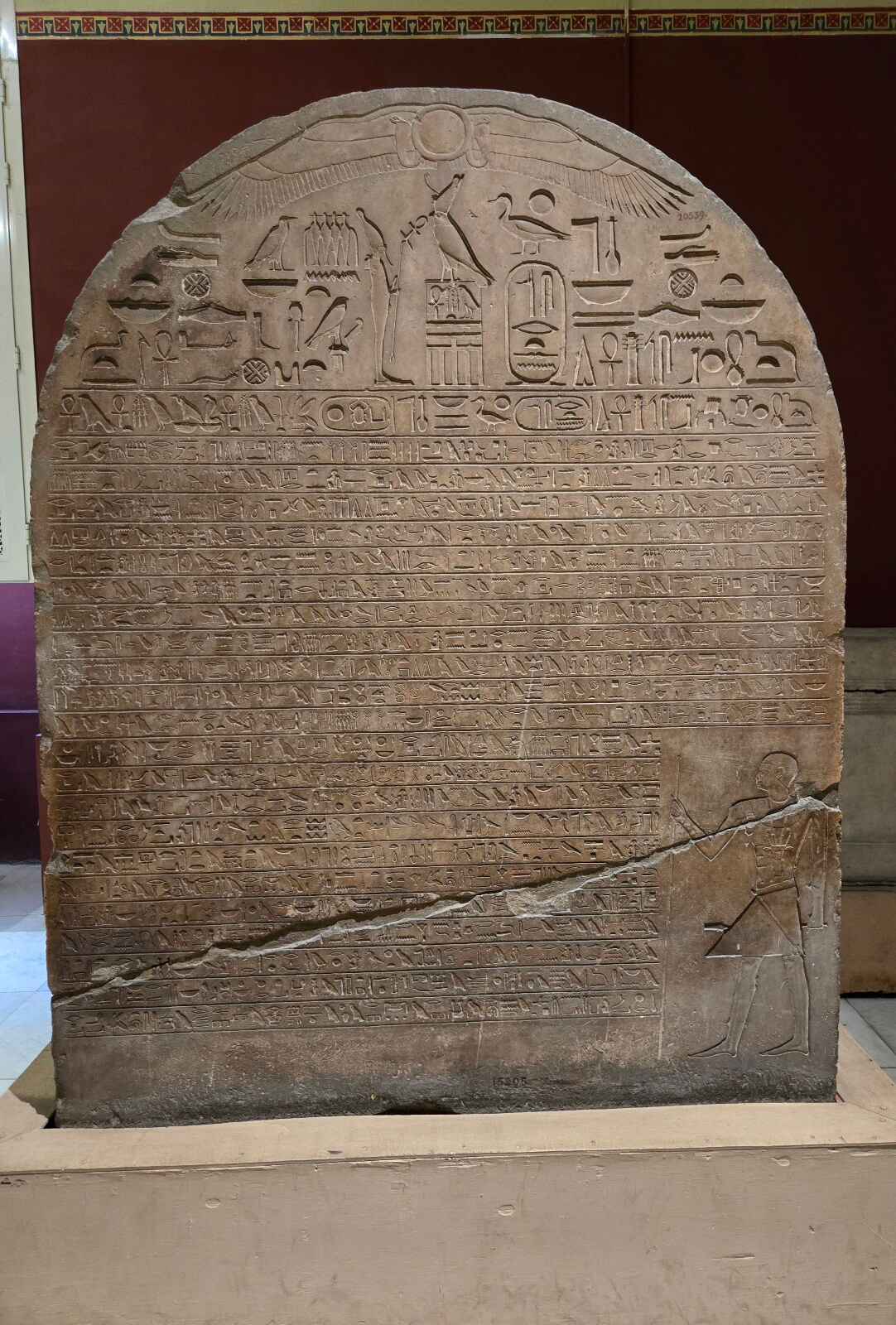
Our one-hour stroll provided only a brief glimpse into the depth of its collections, so here’s a link for more, if interested: https://egyptianmuseumcairo.eg/
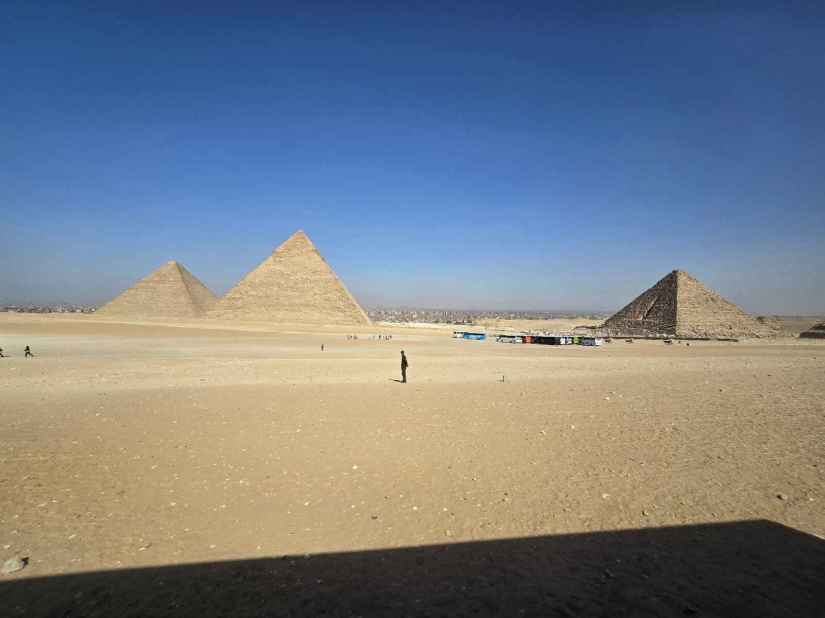
The Pyramids of Giza stand out in the distance nearly anywhere you are in Cairo. Three triangles loom in the hazy horizon, the same color as the sand. But no matter how far or near, I will say emphatically that nothing prepares you for how utterly massive they are seeing them in person.

And once you’re standing at the pyramids base gazing upward, you’re astonished at the absolute precision that each stone block is laid. They form fit together so tightly (grout was never used), that not even a razor blade could be slid between them. Never mind how they even got the blocks here in the first place, or how they hefted them in place. Truly bewildering!
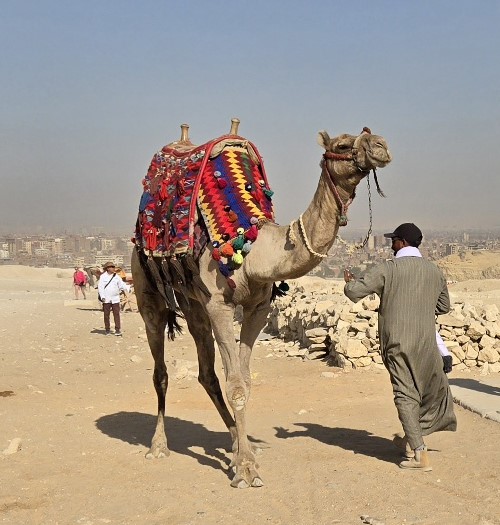
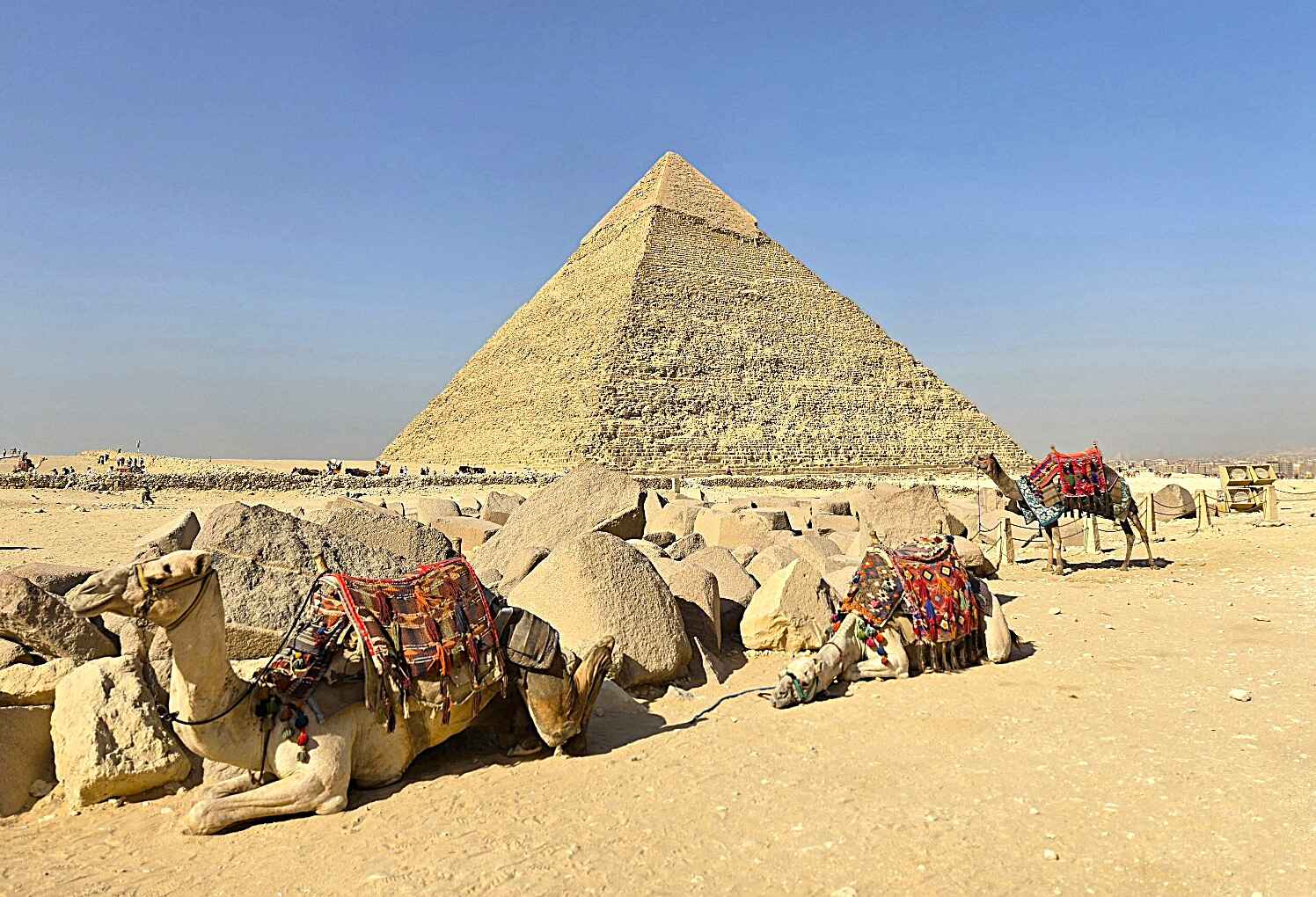

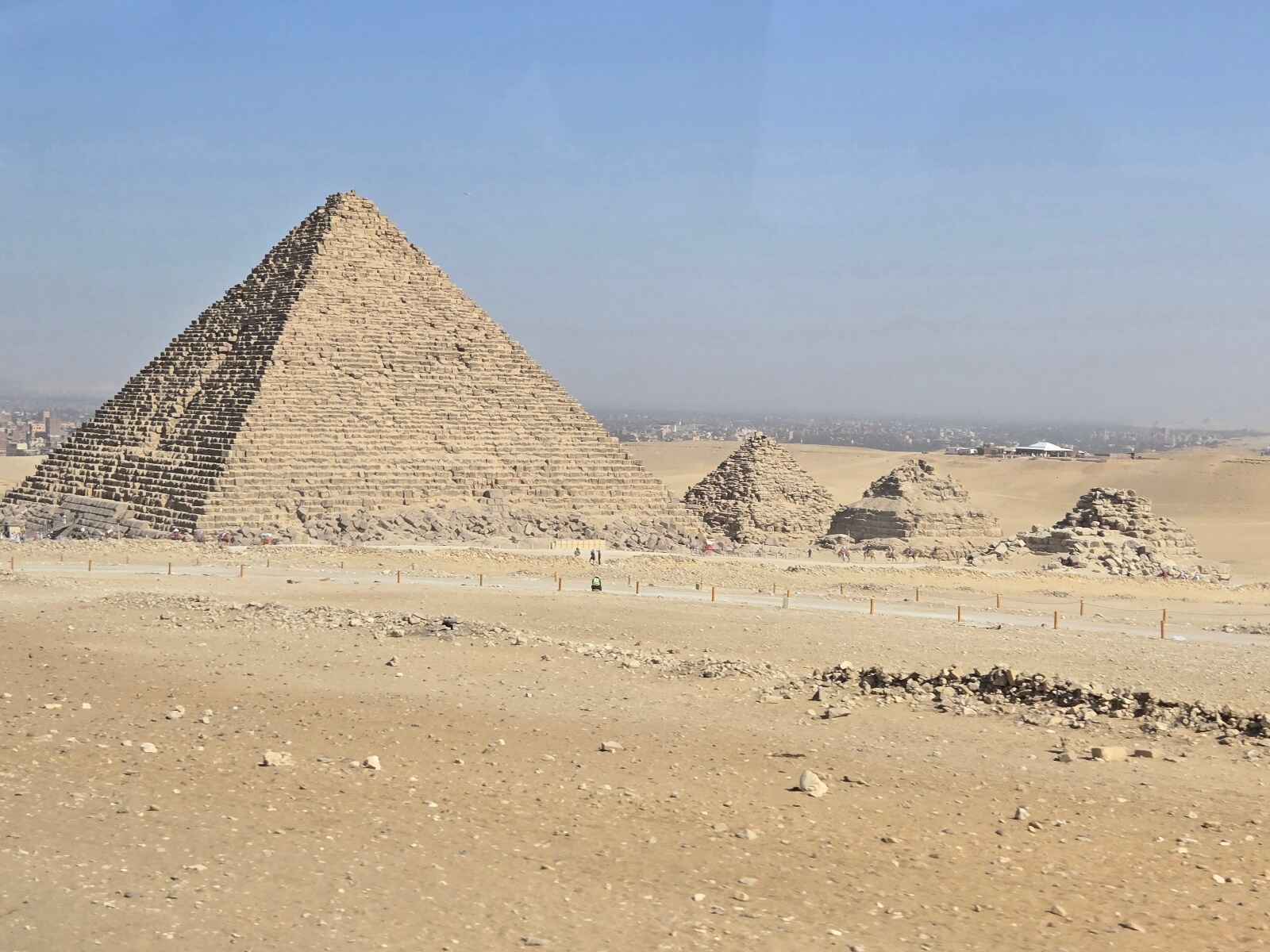
The Great Sphinx commands quite a presence. Believed to be approximately 4,500 years old, it faces East and is said to inhale the sunrise every day.


Back on the ship, I shared an elevator ride with another passenger. Though we were both exhausted after a 14-hour excursion, we smiled and agreed: “Today was unforgettable.”
Kusadasi, Turkey is a charming seaside town of 200,000 residents, that swells to over a million with Europeans who love to summer here. It is also the gateway to the ancient ruins of Ephesus, only 12 miles away.
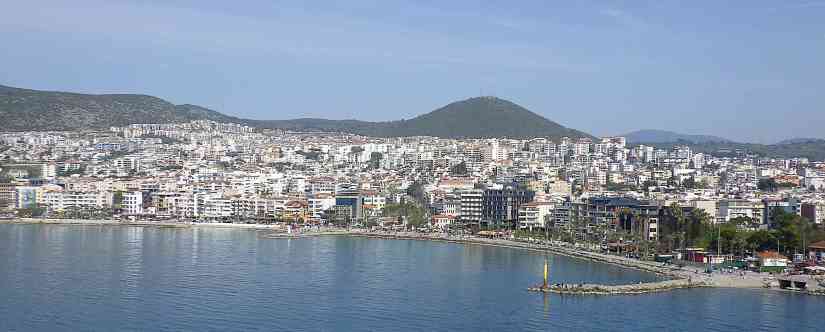
Exploring the Ephesus ruins was like stepping into a time machine that transported us to an ancient civilization that lived in grandeur. We wandered through the marbled Curetes Street, marveled at the towering Library of Celsus, Terrace Houses, the Rhodian Peristyle, Prytaneum, Basilica Stoa, Stage Agora and the impressive Great Theater.

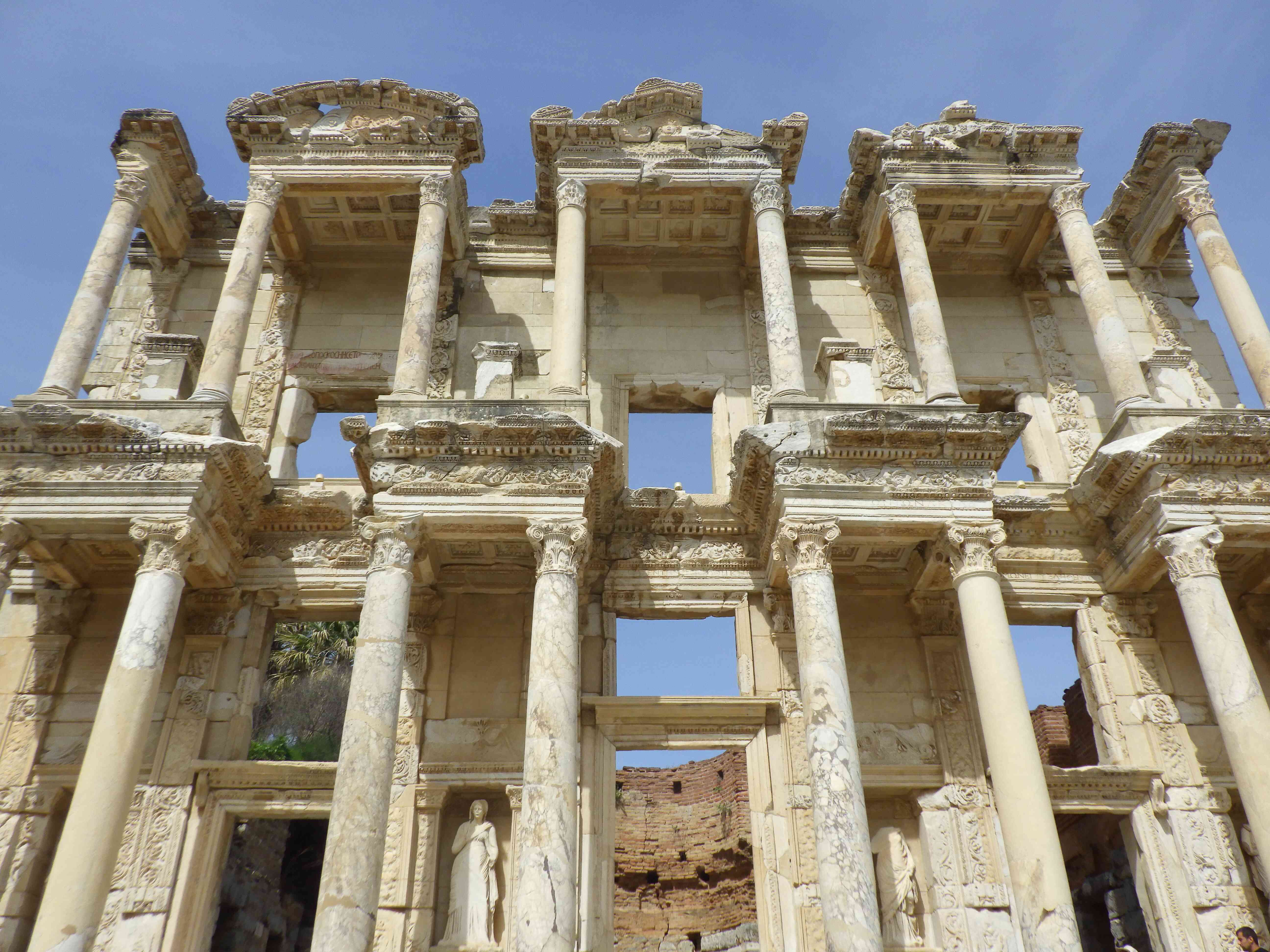


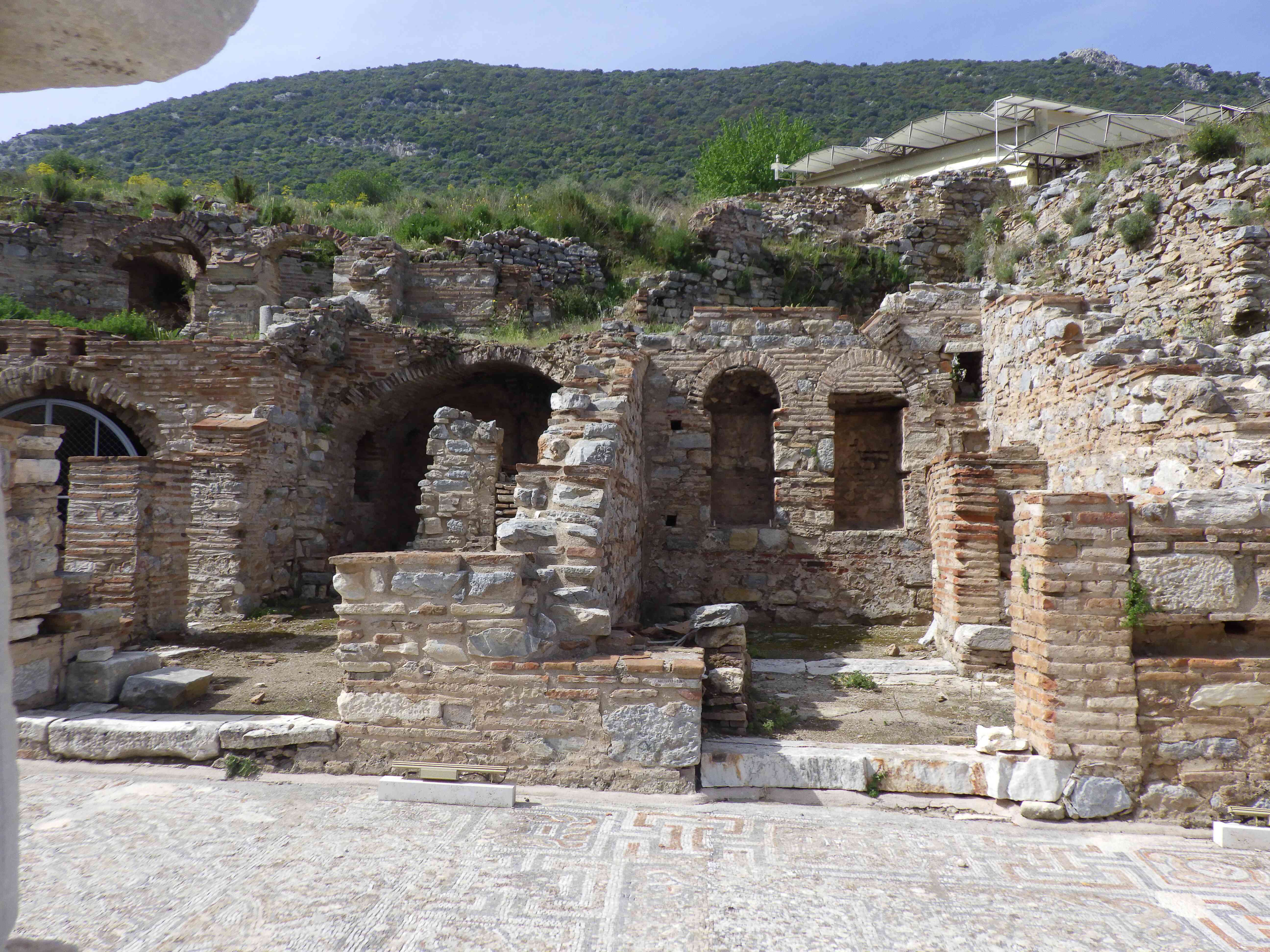

The intricate carvings and architectural details left us in awe, and we could almost imagine the bustling life of this once-thriving city. The ruins are incredibly well-preserved, making it easy to visualize the history that unfolded here.
Returning to the town of Kusadasi, we had time to stroll the streets and marketplace.
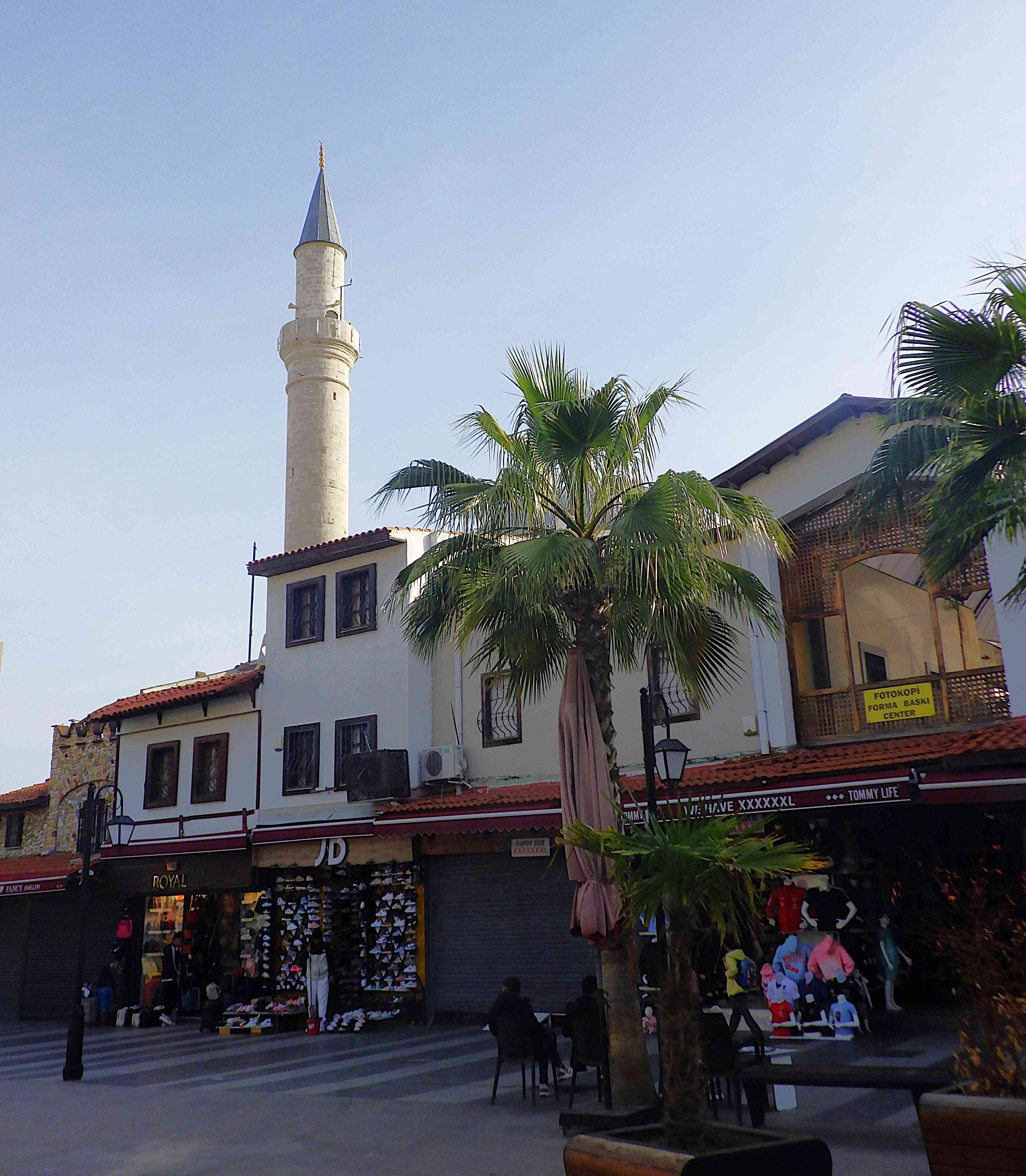

Though our visit was brief, the experience was unforgettable…a perfect blend of history, culture, and beauty.
Piraeus, Greece: With four cruise ships in port and most passengers likely heading to Athens to visit the Acropolis, we decided to take a different path. Perhaps we were a bit worn out from the crowds and historical sites, so instead, we chose to explore the coastal city of Piraeus.

Piraeus is a gem in its own right—especially on this Holy Saturday, the day before Easter. As we disembarked the ship at 8 a.m., the joyful pealing of church bells rang out from the 31 Greek Orthodox churches scattered throughout this municipality of 168,000.

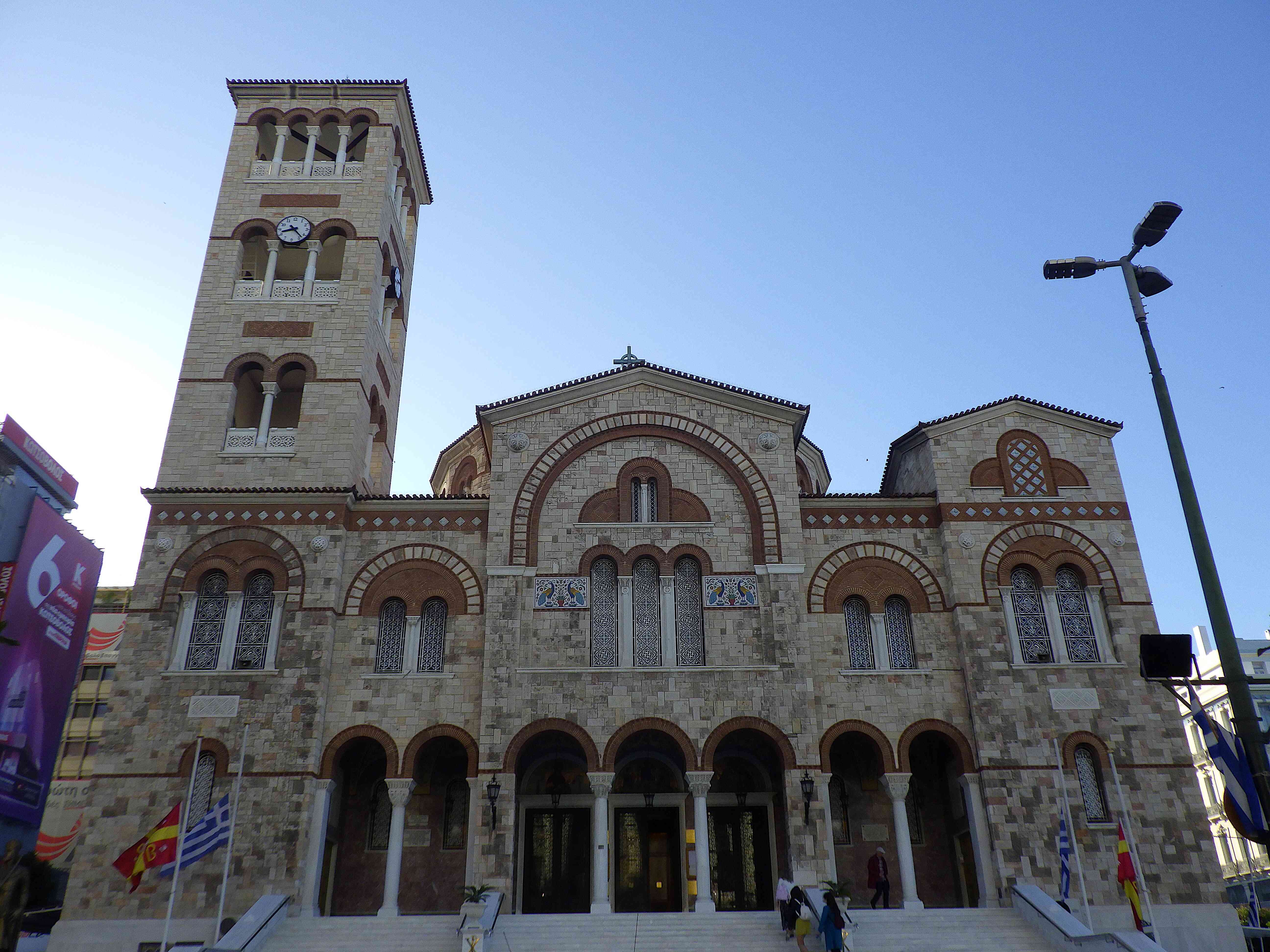
Soon after, singing sermons echoed from loudspeakers into the open air, creating a moving, spiritual atmosphere on a clear, cloudless morning. (Turn up your volume for audio video below.)
Those sacred sounds followed us for the next few morning hours as we wandered from one neighborhood to another. The scent of orange blossoms and honeysuckle filled the empty streets, which were deserted during the city’s time of worship.


Eventually, we climbed a steep hill and were rewarded with a sweeping view over Mikrolimano Harbor. From there, we made our way down to the promenade for a cappuccino. By now, café owners were beginning to open their doors and set up for lunch, while families gathered for after-church celebrations. The mood was peaceful, relaxed, and joyful.


Easter Sunday was a sea day aboard Zuiderdam, filled with sunrise sermons on the aft deck, egg hunts, brunch, and a festive dinner shared at a table of ten. Just days before, Mount Etna had begun to stir, and that evening, as the Zuiderdam glided through the narrow Strait of Messina—only 1.5 miles wide—we caught a glimpse of nature’s own light show. Stromboli continued its latest eruption, casting a fiery glow into the night as we passed. It’s a shame our camera couldn’t capture the evening show, but I was on deck early for the morning show as we were coming into Naples….

We awoke to a quiet Easter Monday in Naples. The plazas and streets were still hushed, the city seemingly catching its breath after the holiday weekend. Our morning began with a visit to the Galleria Umberto, Piazza del Plebiscito and its Royal Palace and Basilica, followed by Naples special hazelnut coffee and pastries.


From there, we stumbled upon a sign for the funicular. For just 1.50 Euro, it carried us to the top of the hill, where we followed signs to Castle Sant’Elmo. The castle soon came into view—its massive stone walls commanding attention. With no line at the ticket booth, we thought, “Why not?”

From 780 feet elevation, we were rewarded with sweeping, panoramic views of Naples below, the bay stretching out to the horizon.

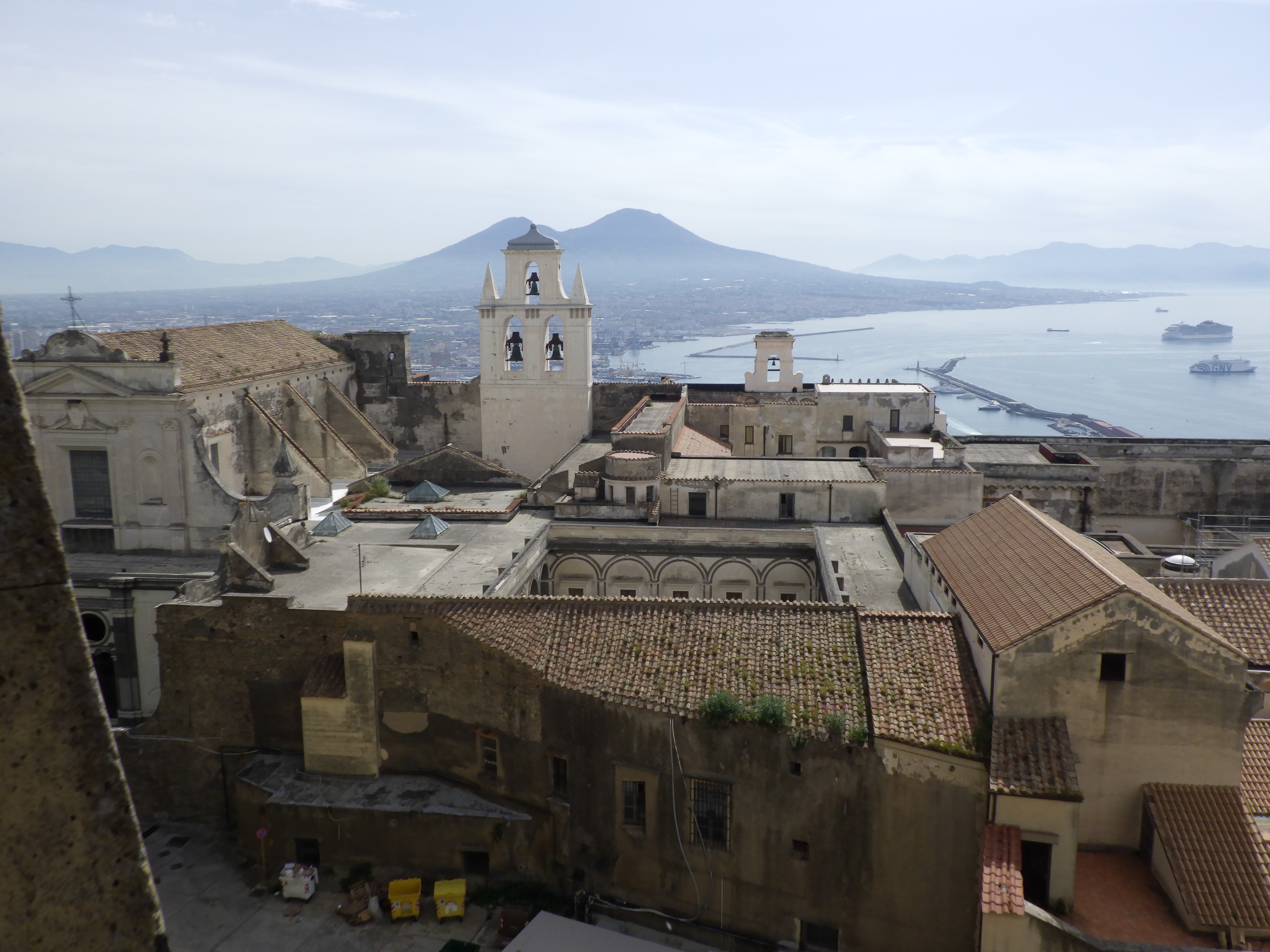
An added surprise was strolling through a modern art museum located in one of the central stone halls.

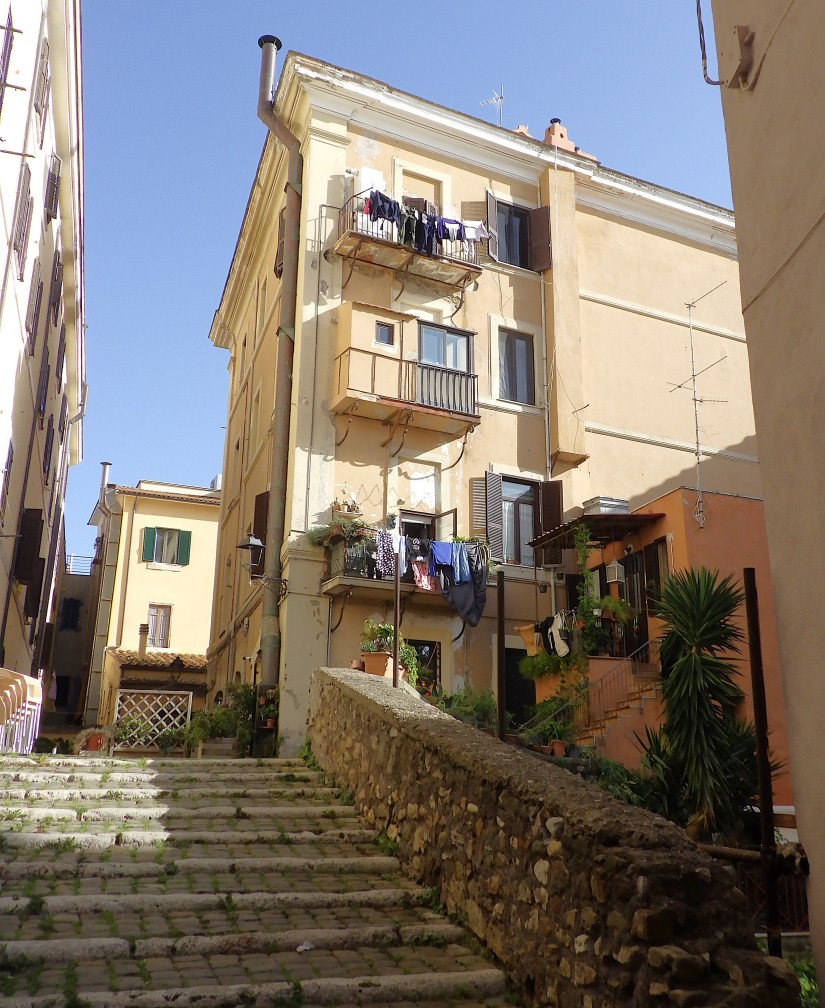
Afterwards, we began the long walk down, following a pedestrian stairway that wound through narrow alleys and between homes seemingly suspended on the hillside. It was a quiet, intimate descent, with glimpses into everyday life tucked between ancient walls.


But at the bottom, the city was wide awake. Every street was packed with pedestrians—mostly locals. Families with strollers, groups of friends, children darting between legs. Naples had come alive for the Easter holiday.
We found an inviting outdoor table in the shadow of a bell tower and ordered pizzas. In the birthplace of pizza, it’s no surprise the Italians deliver perfection: wood-fired, thin-crust masterpieces made with ultra-fine “00” flour for the lightest, crispiest base. The tomato sauce is delicate—lightly seasoned, never overwhelming—and the toppings are meant to enhance, not smother.
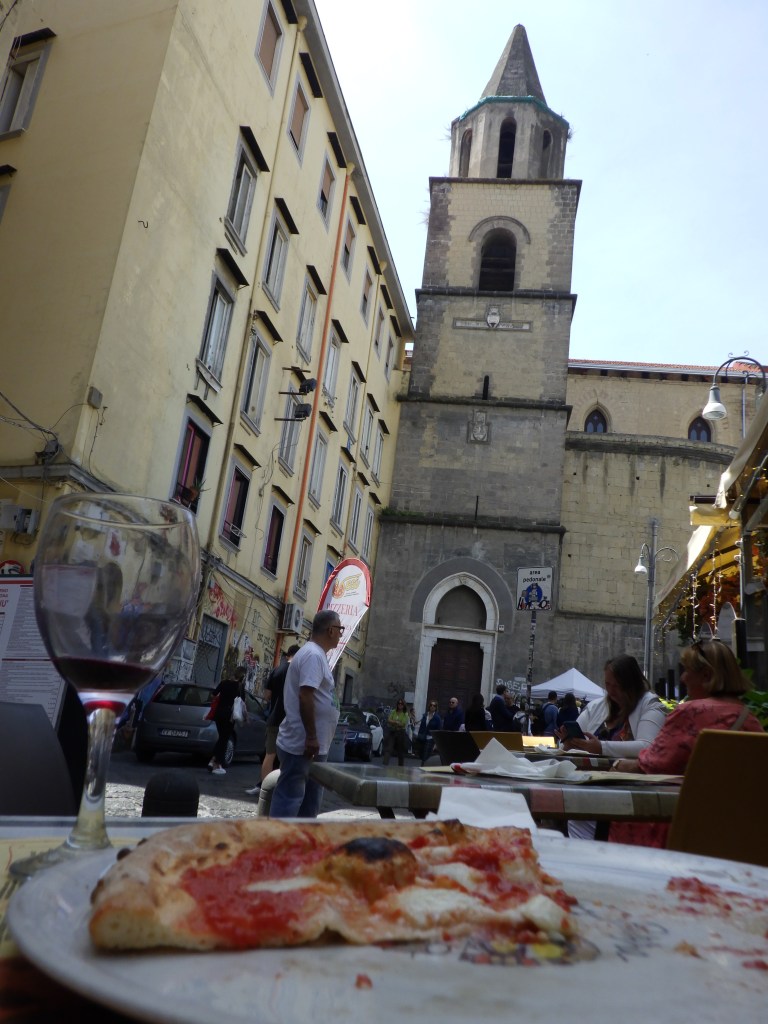
From there, we meandered slowly through the thickening crowds, the energy of the city buzzing around us.
That afternoon however, somber news filtered through the streets. Word had spread: the Pope had died. Locals read the notices being pasted to the walls around the city. Their faces were quiet and reflective, mirroring the shift in atmosphere as the weight of the news settled in.
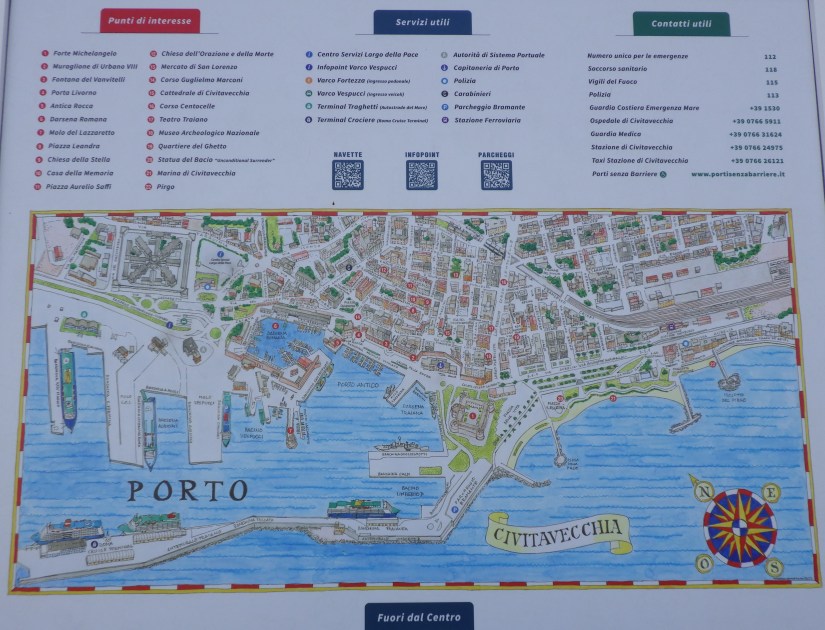
An overnight sail brought us to the Port of Civitavecchia, a coastal Italian town just north of Rome. With the Pope’s passing the day before, the ship’s excursion team had been working diligently to confirm that tours into Rome would still proceed as planned. Understandably, there were concerns about heavy traffic, already intense during Easter weekend, and now further compounded by those arriving to pay pilgrimage.
But our plans were more relaxed. Having never explored Civitavecchia itself, we opted to spend the day discovering this charming seaside town of 52,000 residents.

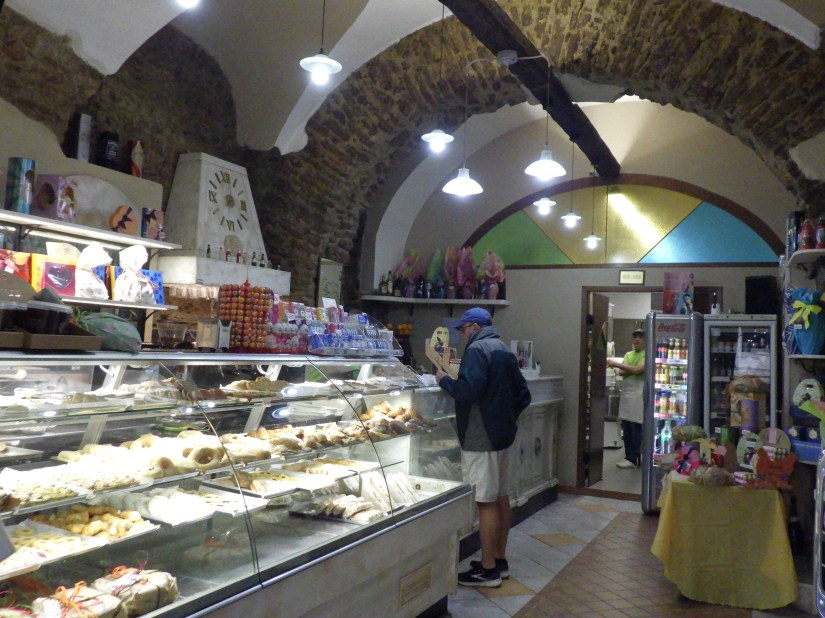
Tom had thoughtfully crafted a self-guided walking and nibbling tour. We began at Pasticceria La Fontana, a cozy local café tucked along a narrow residential alley. Over cappuccino and fresh pastries, we sat outside and watched as residents walked their dogs through the quiet morning streets. Flags hung at half-mast in honor of the Pope, lending a solemn note to the calm atmosphere.

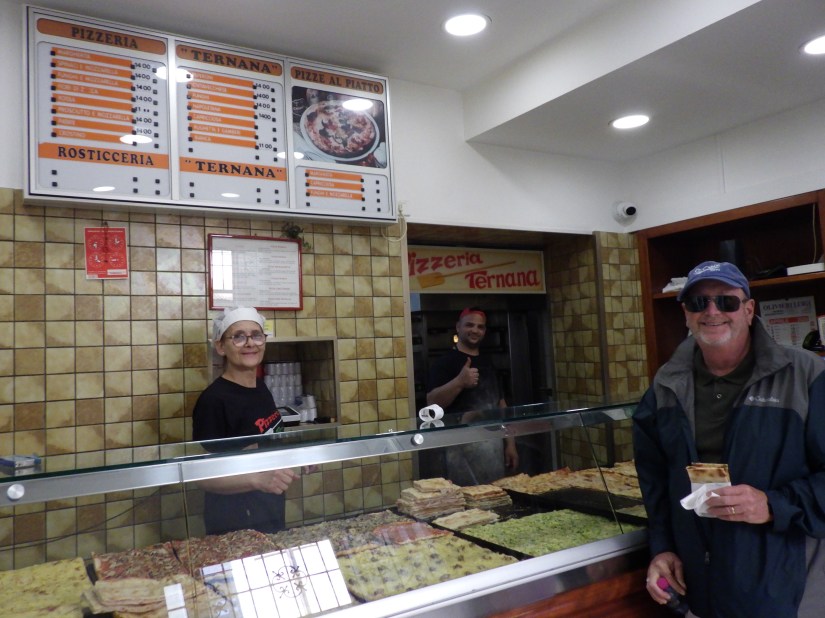
Next, we stopped at Pizzeria La Ternana, the oldest pizzeria in town, where a colorful selection of pizzas was on display. We opted for a traditional slice with a subtle hint of anchovy—salty, simple, and satisfying.
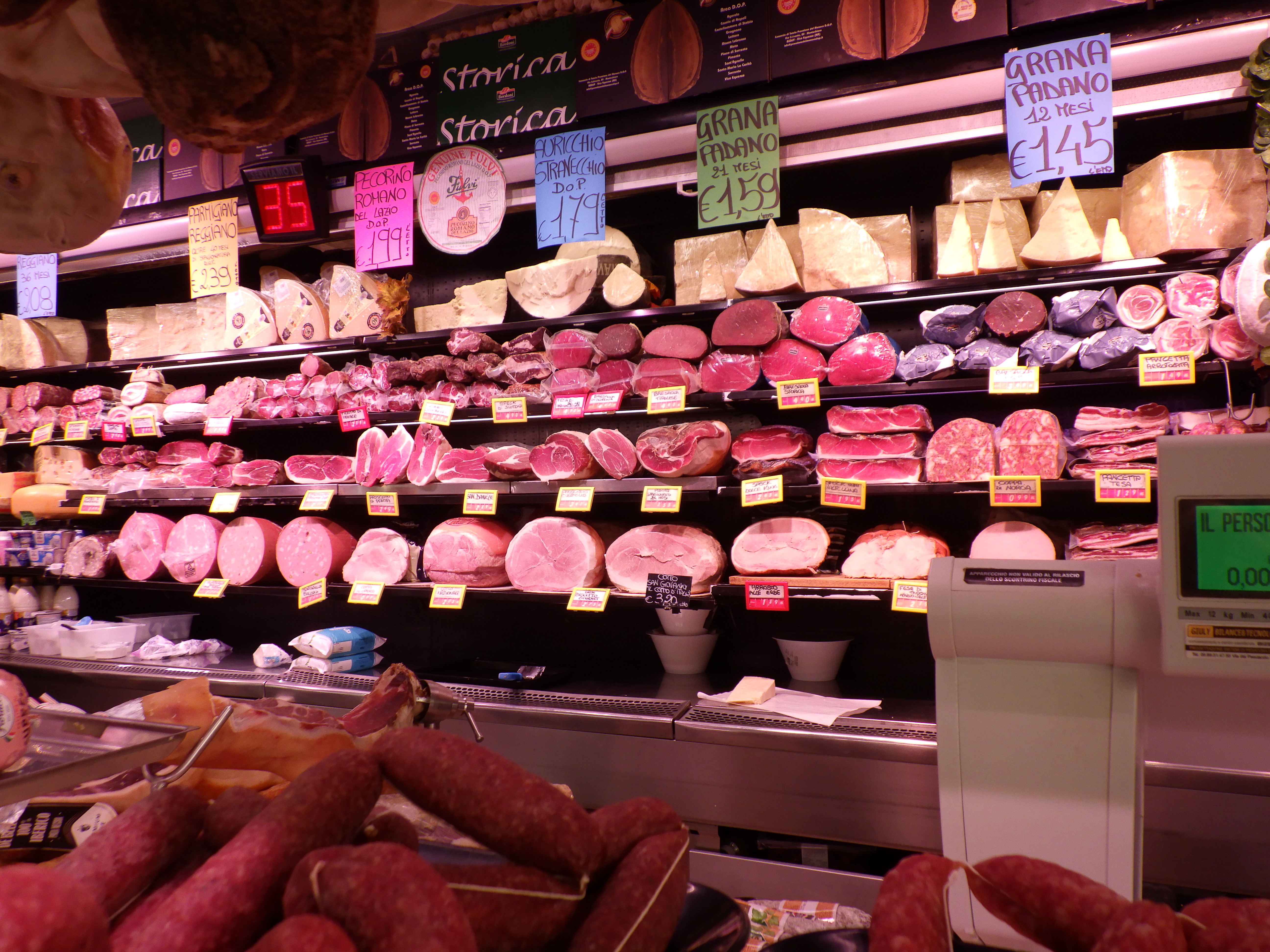
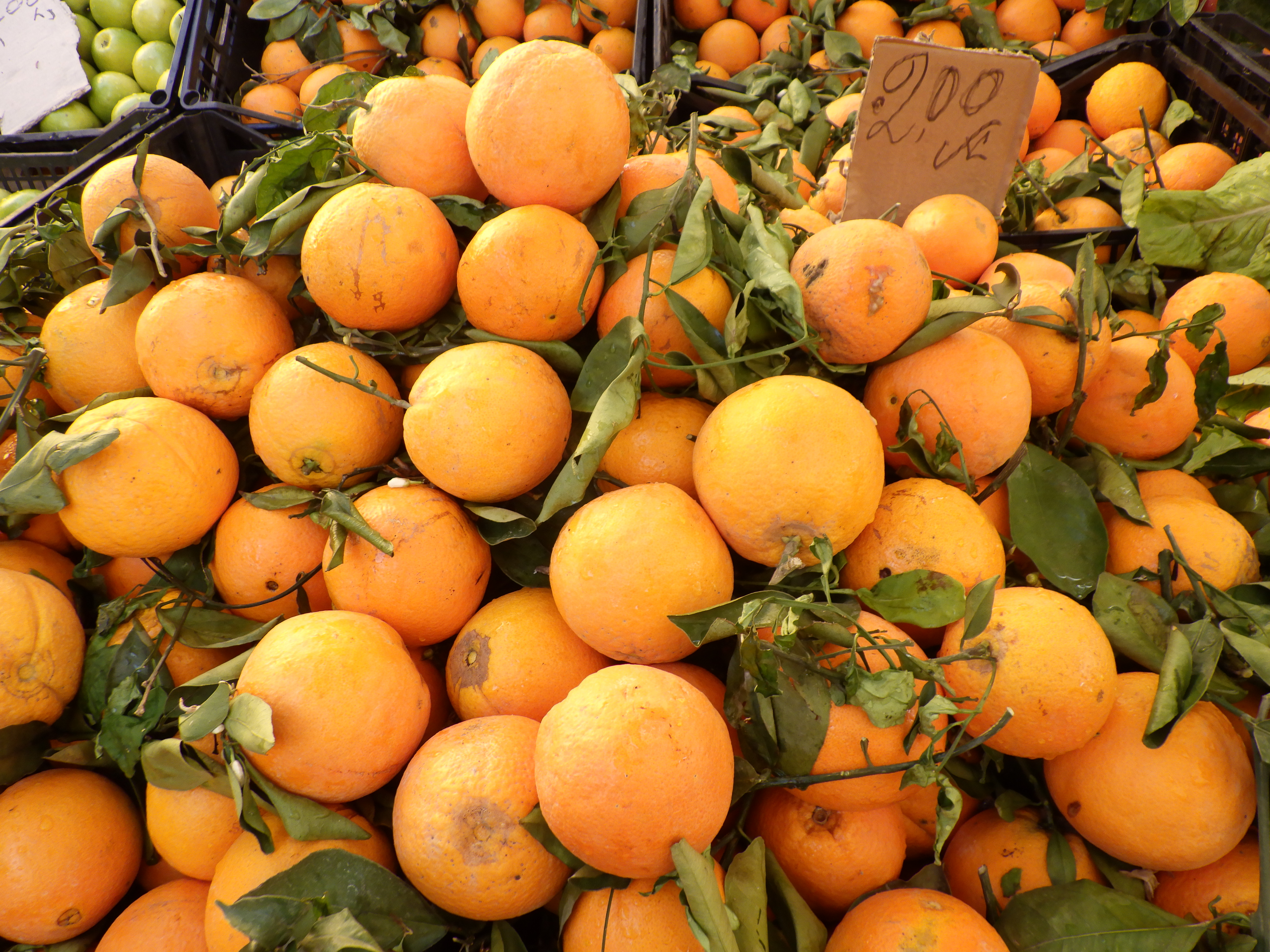
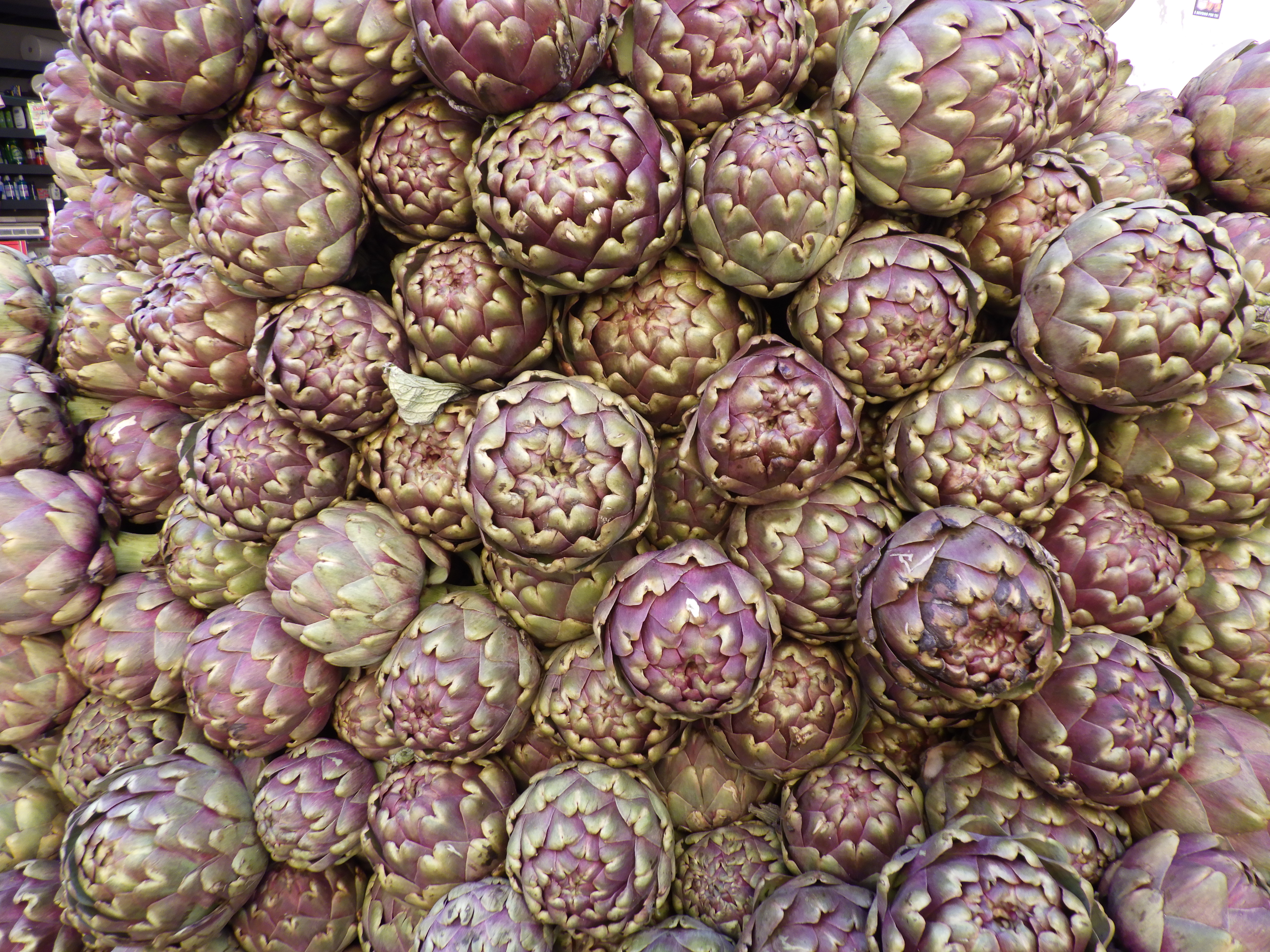
Just around the corner was the Mercato di Civitavecchia, a bustling local market offering everything from fresh fish and meats to produce and clothing. It was lively and authentic, full of the sounds and smells of everyday life.
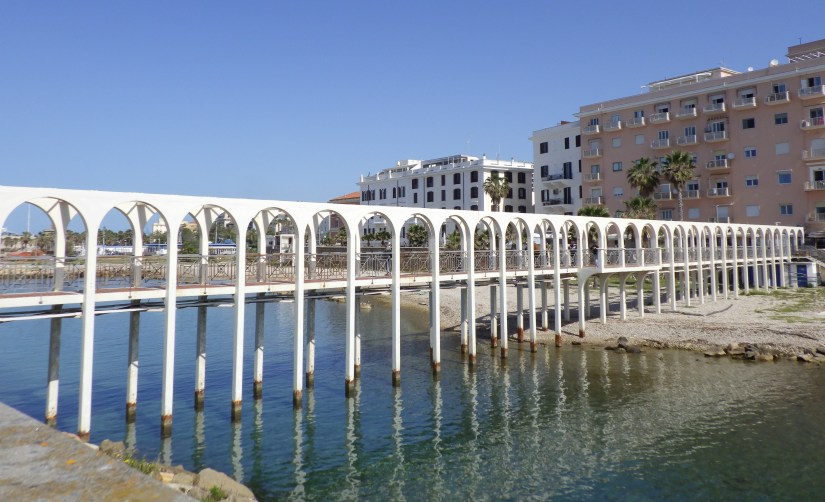
Later, we wandered down to the waterfront promenade. As the sun climbed higher and warmed the air, the shoreline grew livelier, with more locals emerging to enjoy the brightening day.

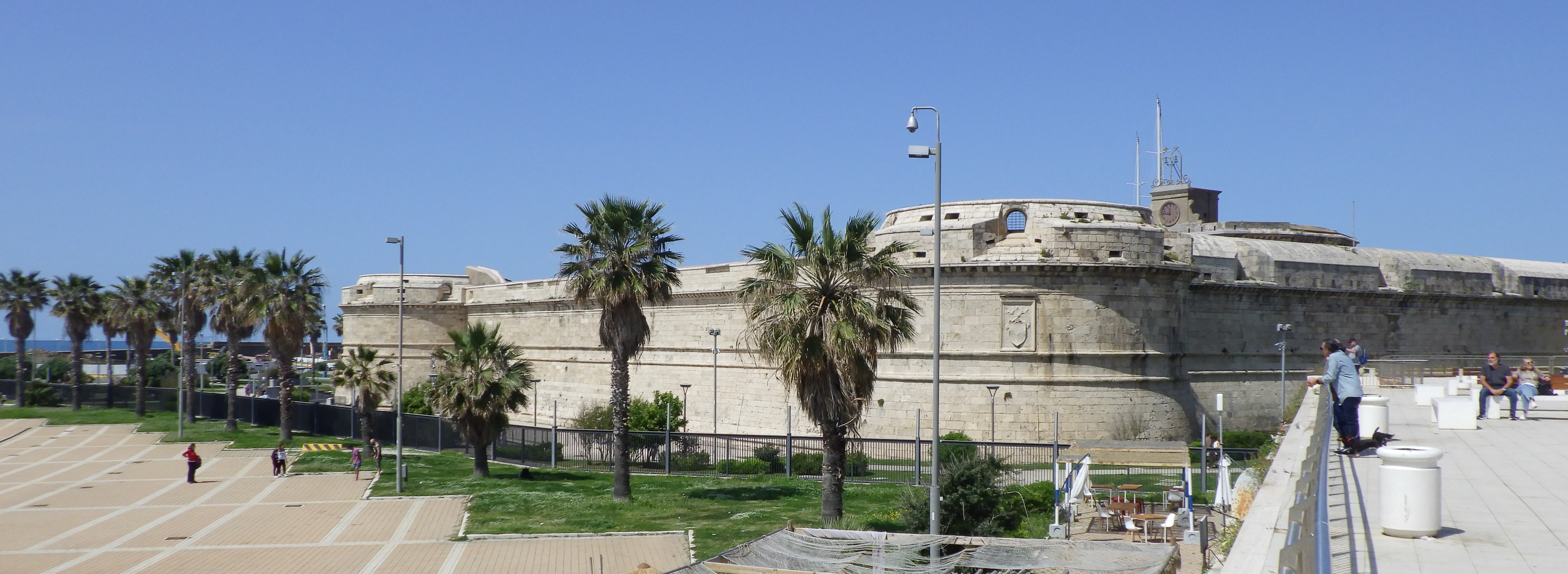
For our afternoon treat, we found Le delizie di zio bibi along the main strand and shared a charcuterie board featuring regional cured meats and cheeses—flavors that perfectly matched the town’s rustic charm. Fort Michelangelo bid us farewell as we walked back to the ship.
Civitavecchia surprised us. It offered a friendly, unhurried feel and delightful streets to explore—an ideal pause amid the grander stops of our journey.
As the sun sets over Italy, the Zuiderdam charts her course toward Sardinia and Spain—our next ports of call. More adventures await… stay tuned!
Discover more from Life in Nautical Miles
Subscribe to get the latest posts sent to your email.
 Life in Nautical Miles
Wow What timing, We were watching the amazing race on tv and they too were in Naples, the contestants had to make a pizza in one of those pizzerias and it did not
look that easy. Have fun and be safe , youll be back home soon.
LikeLiked by 1 person
You’re so right…great pizza is hard to make; easy to eat!! Hope all is well in SC!
LikeLike
Thanks for sharing. Will try Civitavecchia next time.
LikeLiked by 1 person