
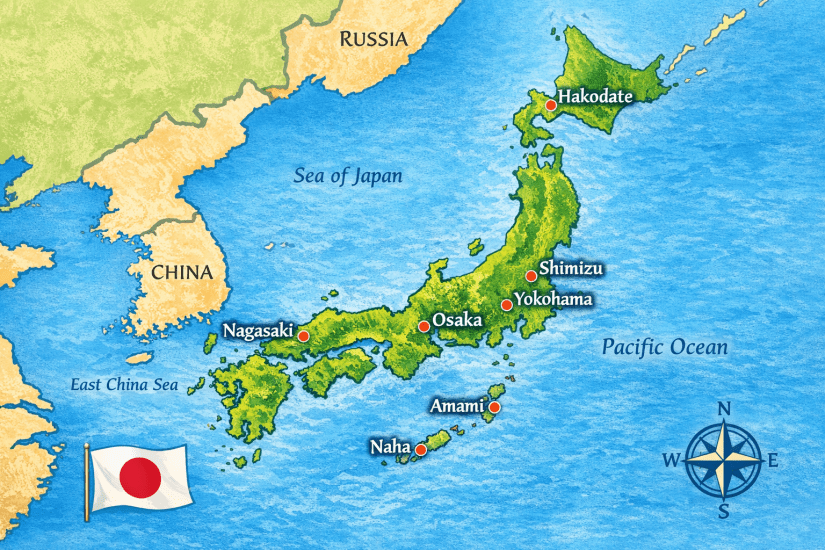
Japan! A beautiful nation made up of more than 6,000 islands. Our eleven-day, south-to-north visit would include Naha in Okinawa, the small island of Amami, two days in Nagasaki, Shimizu, two days in Yokohama, and finally Hakodate.
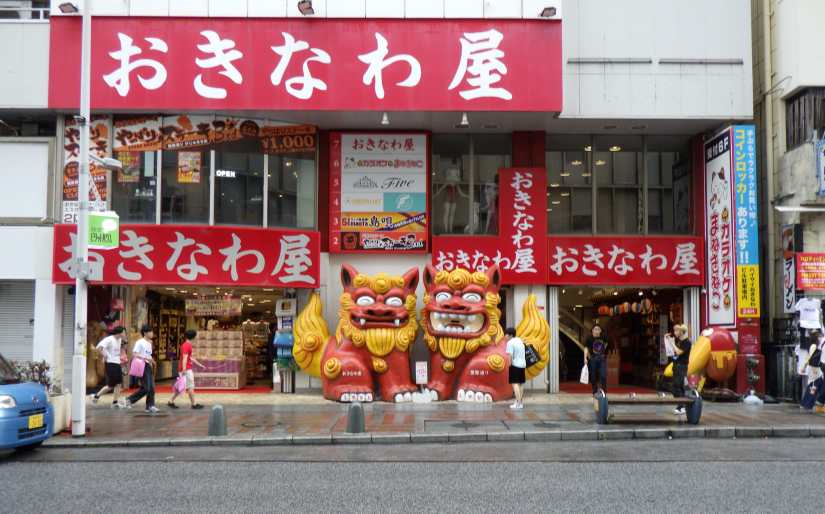
Naha, Okinawa – A deluge of rain thwarted our long-awaited excursion—booked ten months earlier—to ride go-carts through the streets of Naha. The rain was so heavy we could barely see the city beyond the harbor pier, and it continued for hours. The ten of us—including the Captain and his wife—scattered in different directions to salvage the day, while some passengers chose to remain aboard during the low-pressure system lingering over the region.
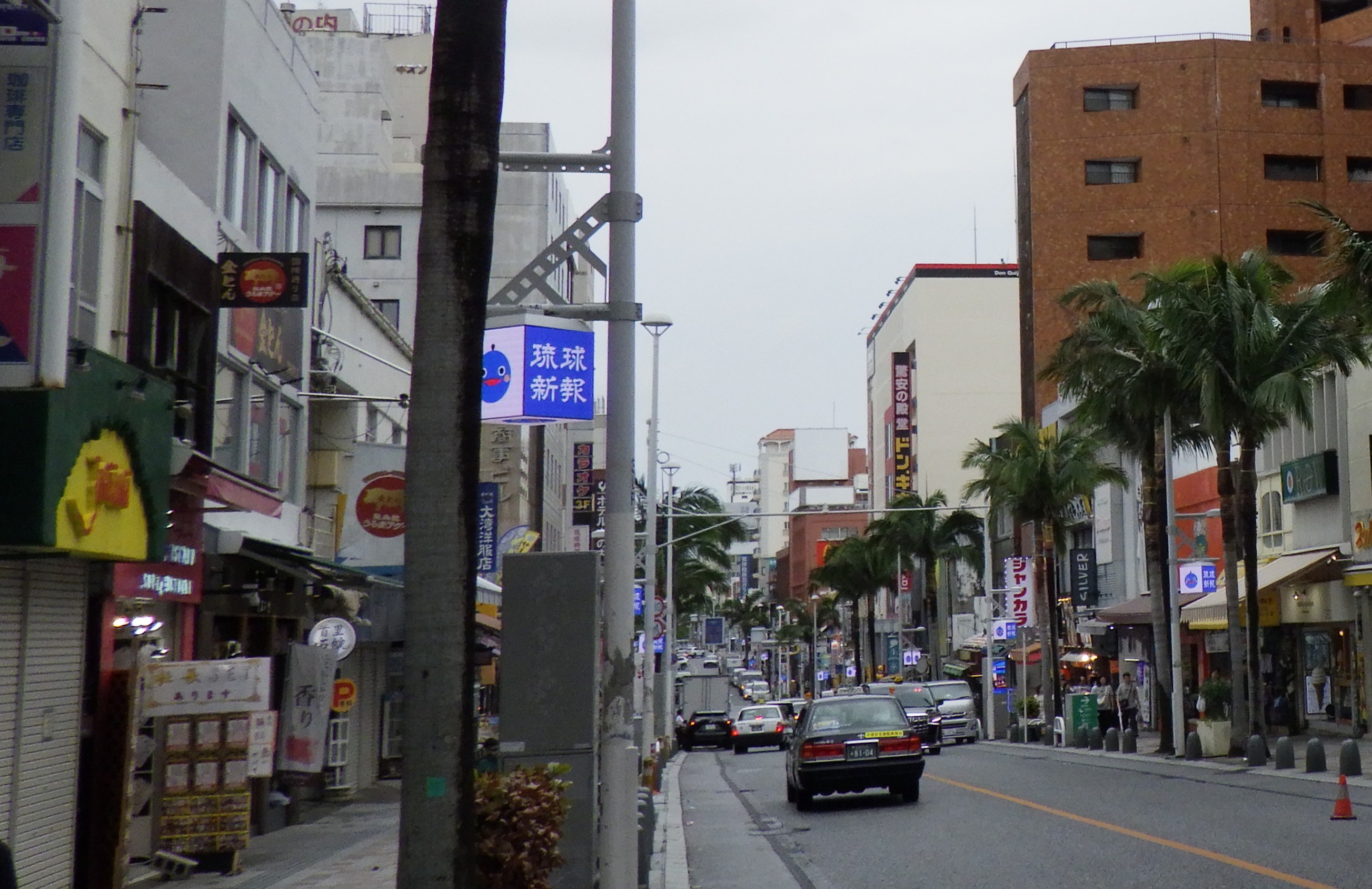
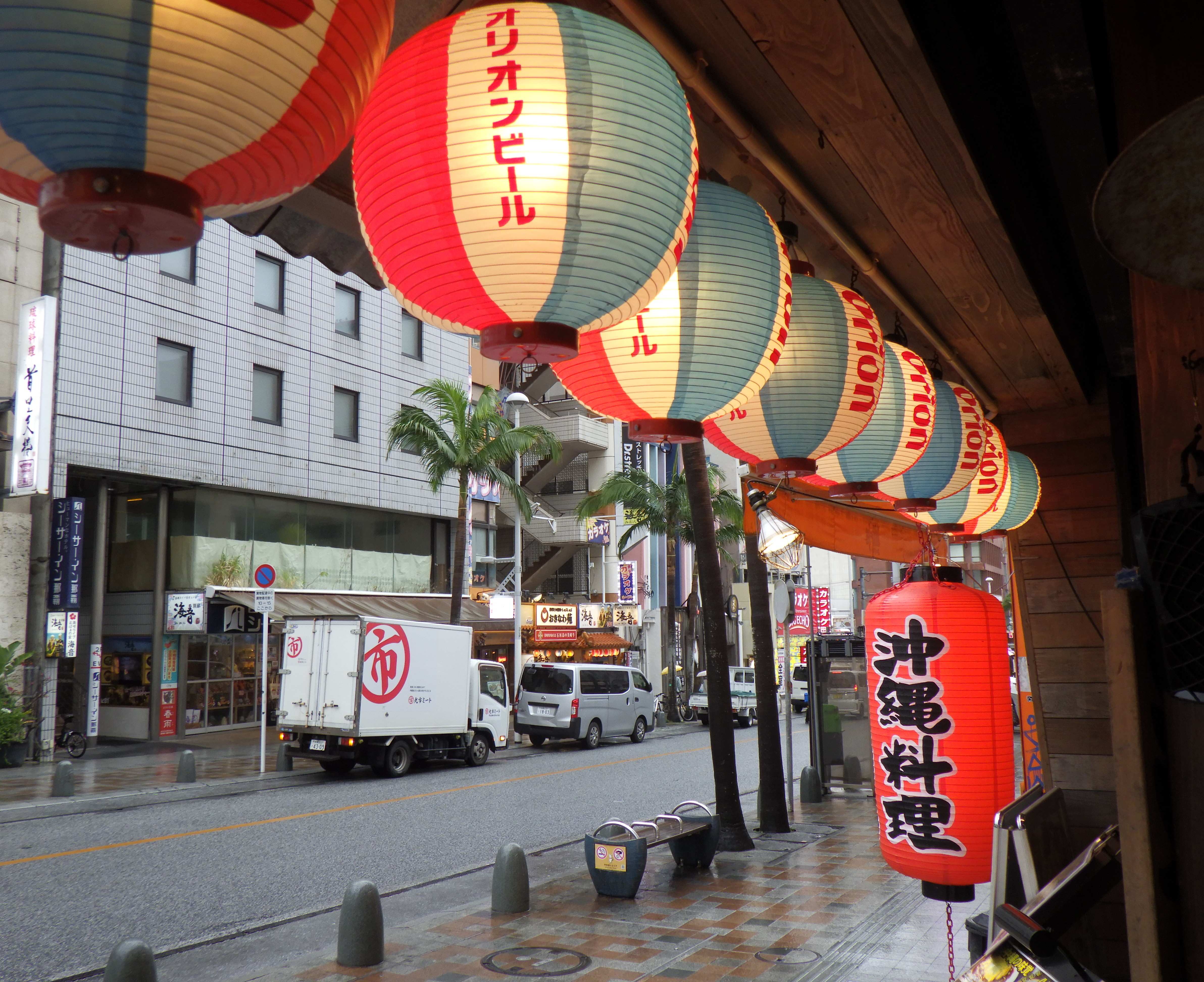
By mid-morning the rain eased to an intermittent drizzle, and we braved getting a little wet. We reminded ourselves that there is “no such thing as bad weather, only bad clothes,” pulled on our rain gear, and headed out.
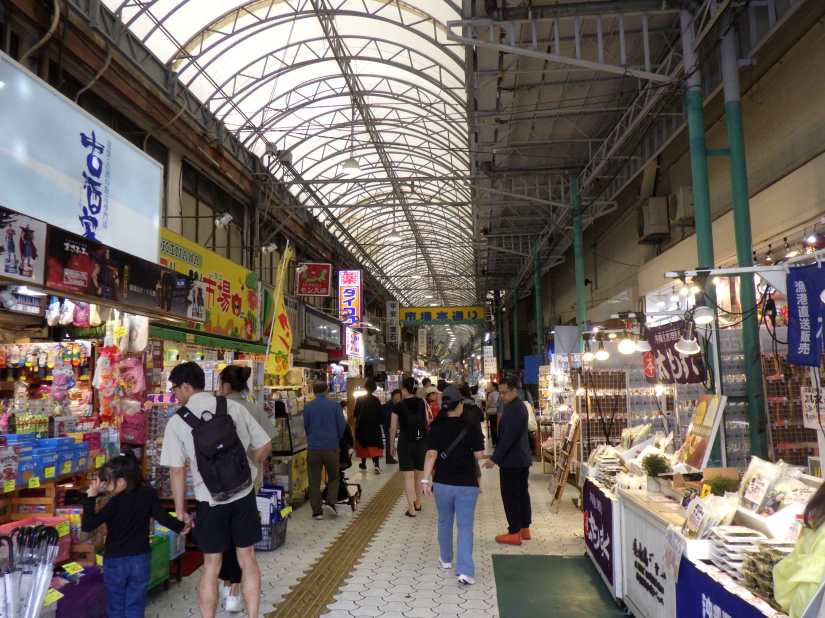
We eventually regrouped with friends in the covered marketplace and made our way from cafés to food stalls, sampling dumplings, sushi, sea grapes, snake sake, and local beer. Perhaps it was the beer that gave us the courage to try the seaweed and snake sake. As they say, when in Rome…
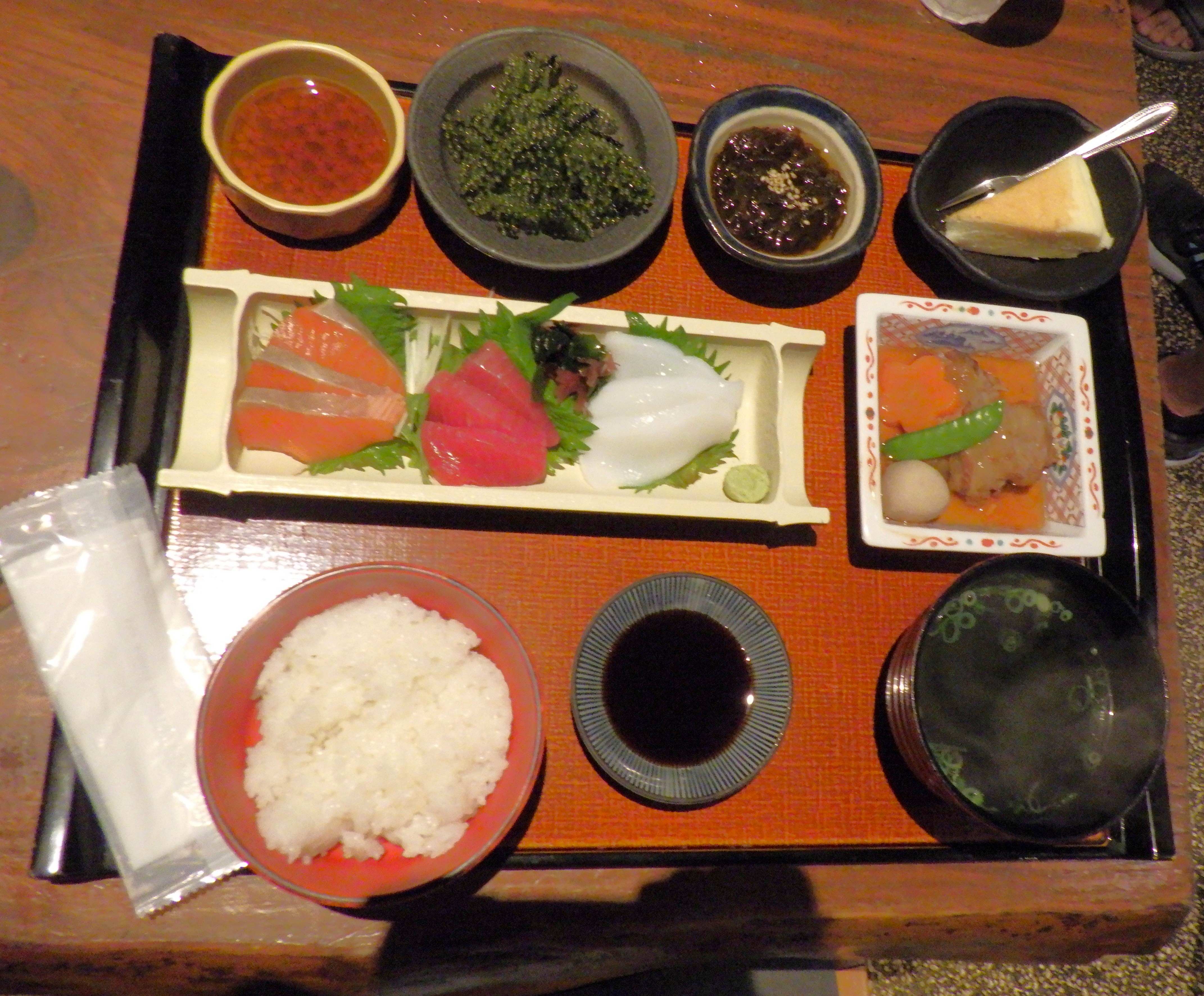
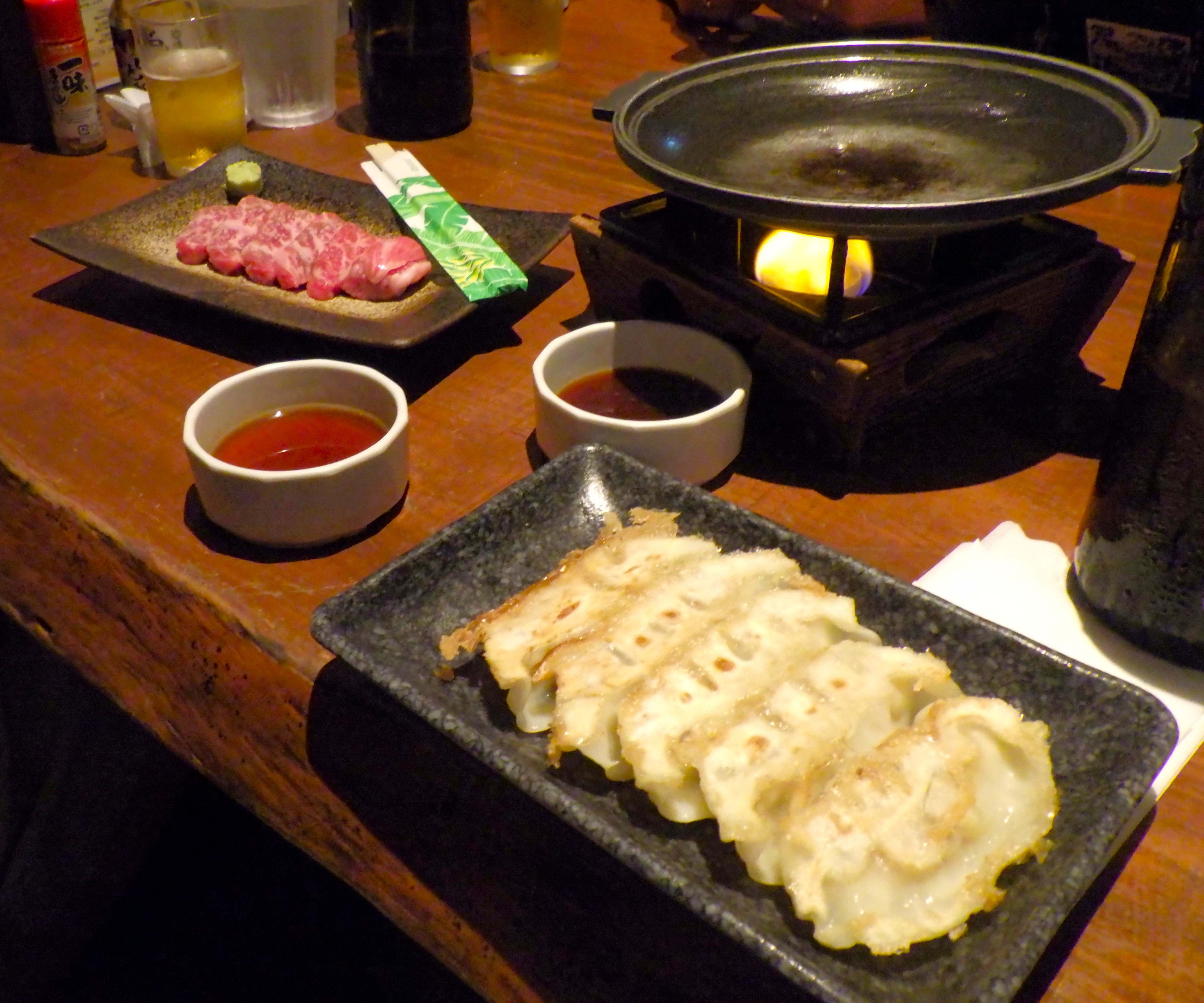
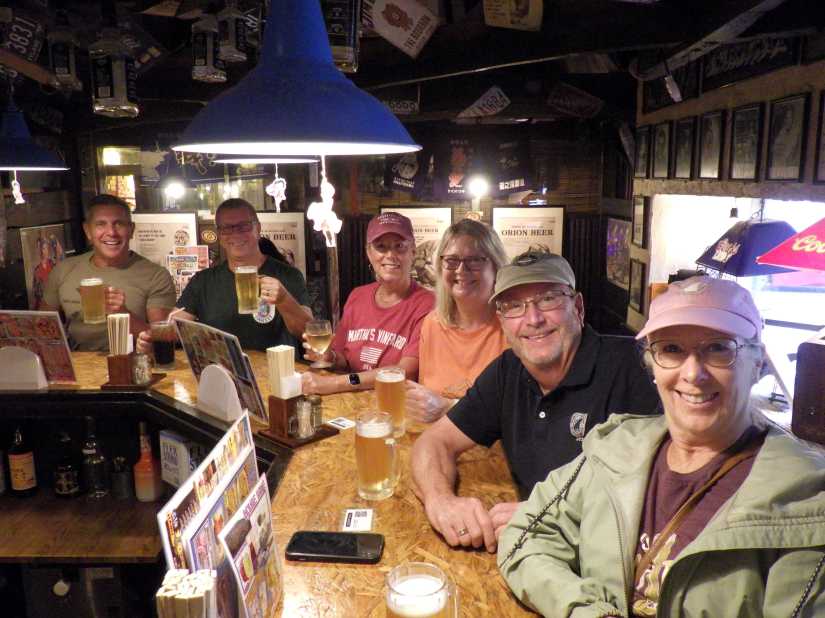
It was also a memorable birthday for our friend Sue, and we made sure she celebrated in style.
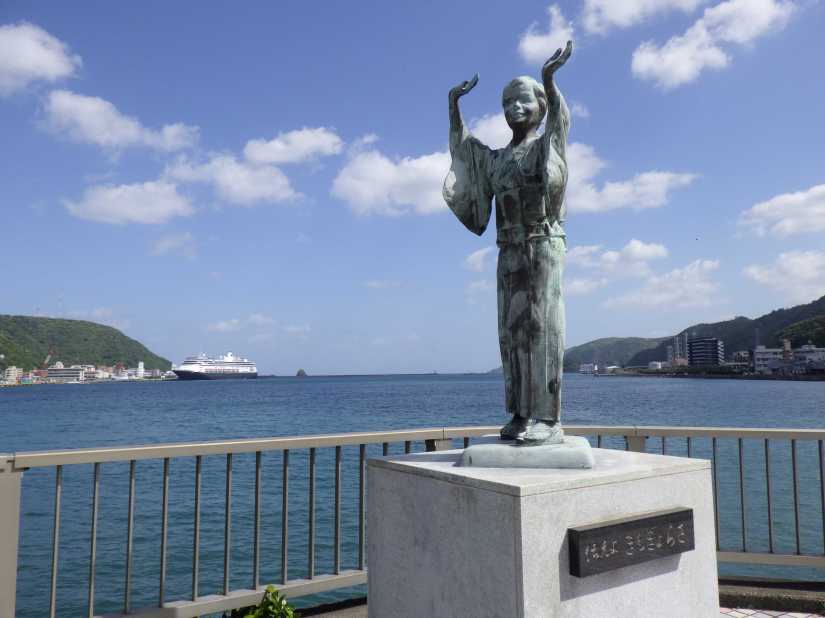
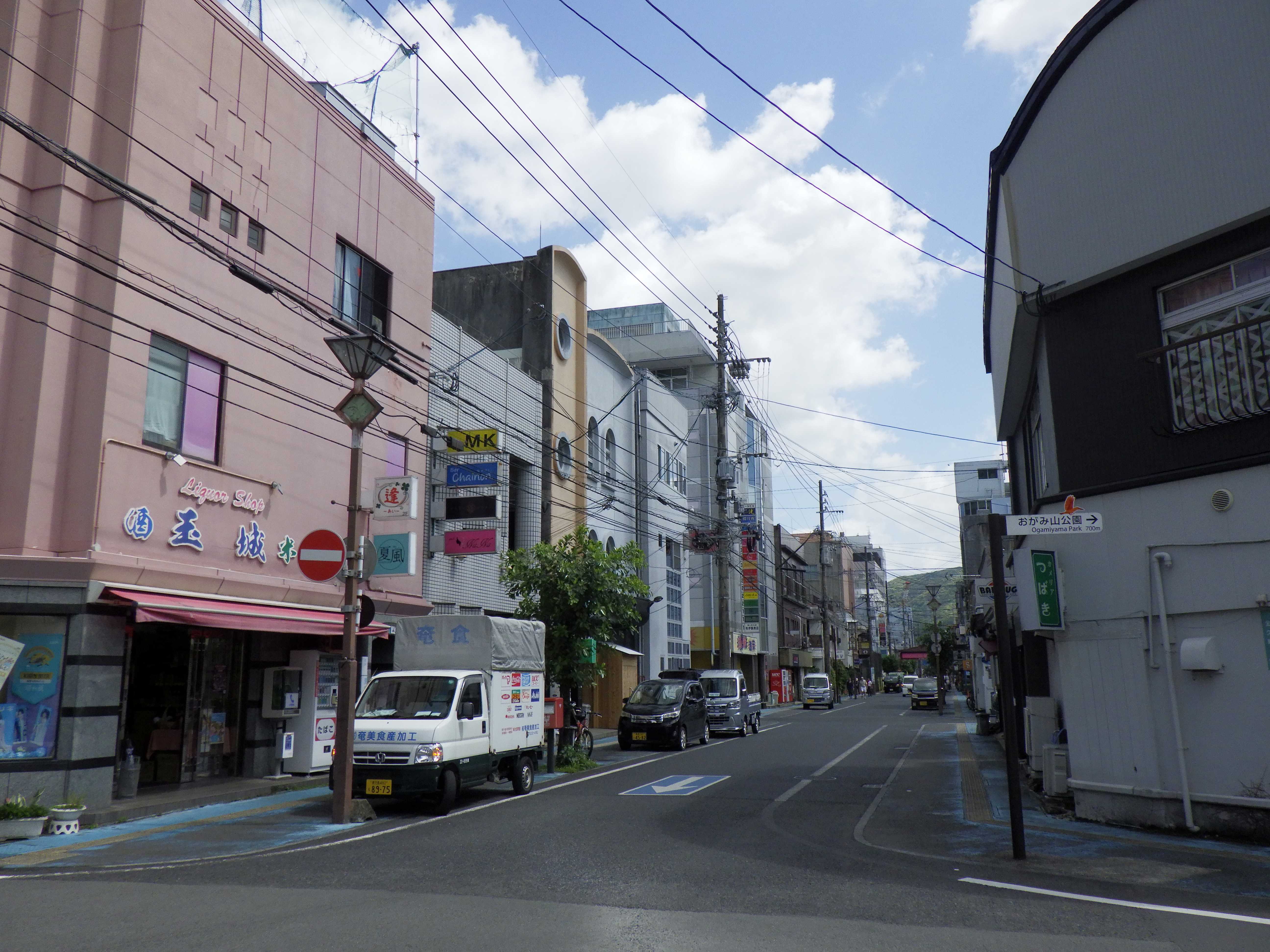
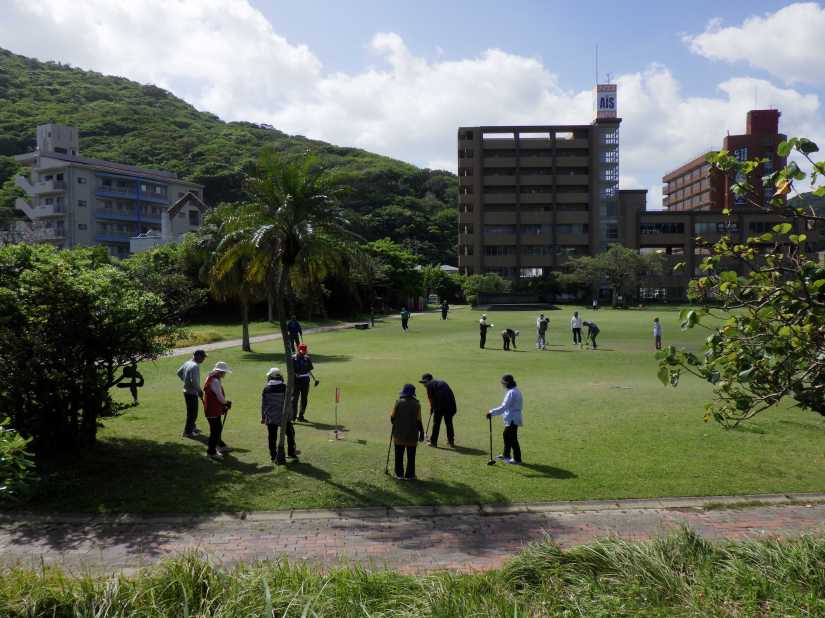
Our next stop was Amami, a popular seaside destination that felt wonderfully quiet in the off-season. In fact, many places did not even open until 11:00 a.m.
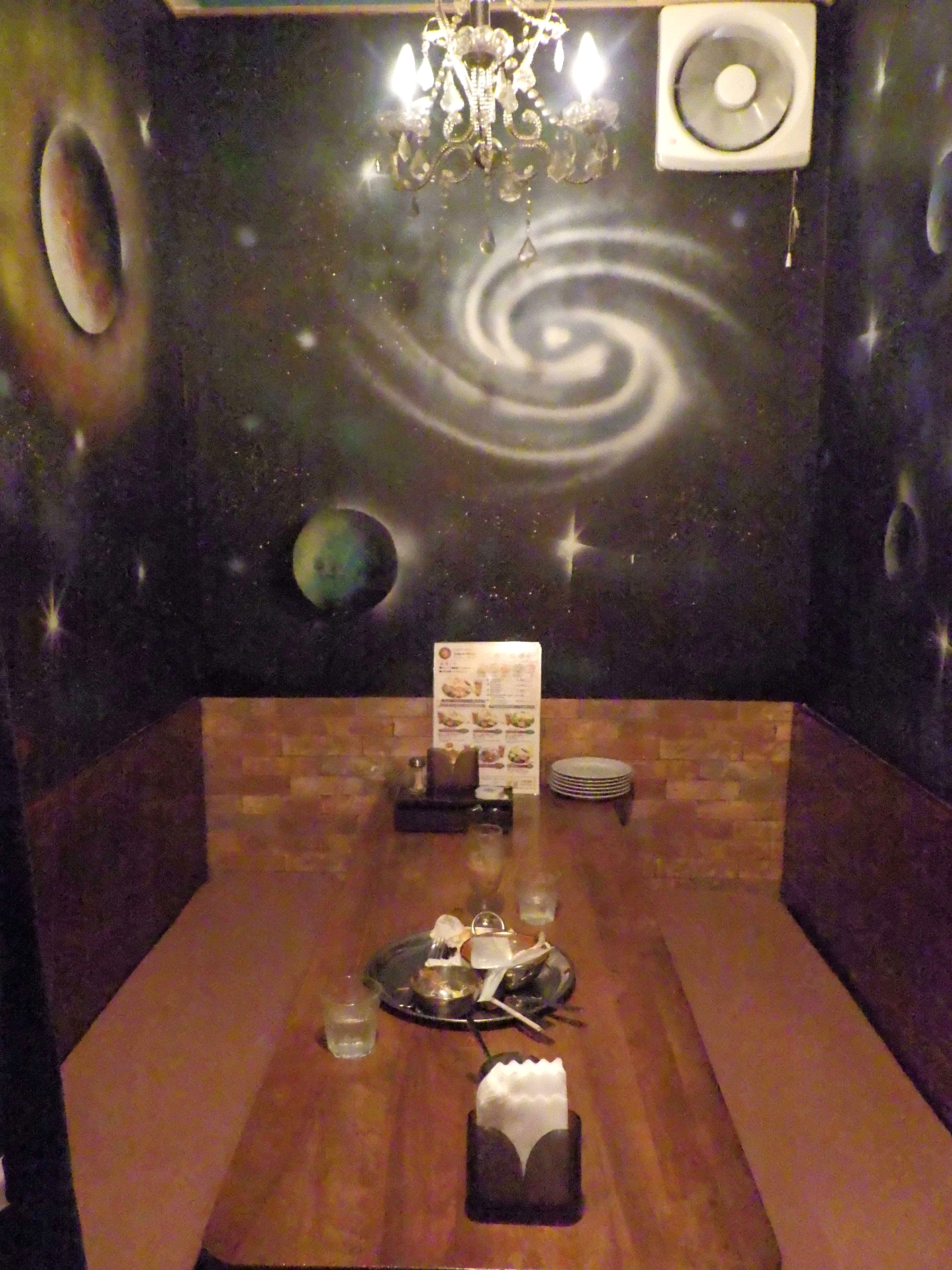
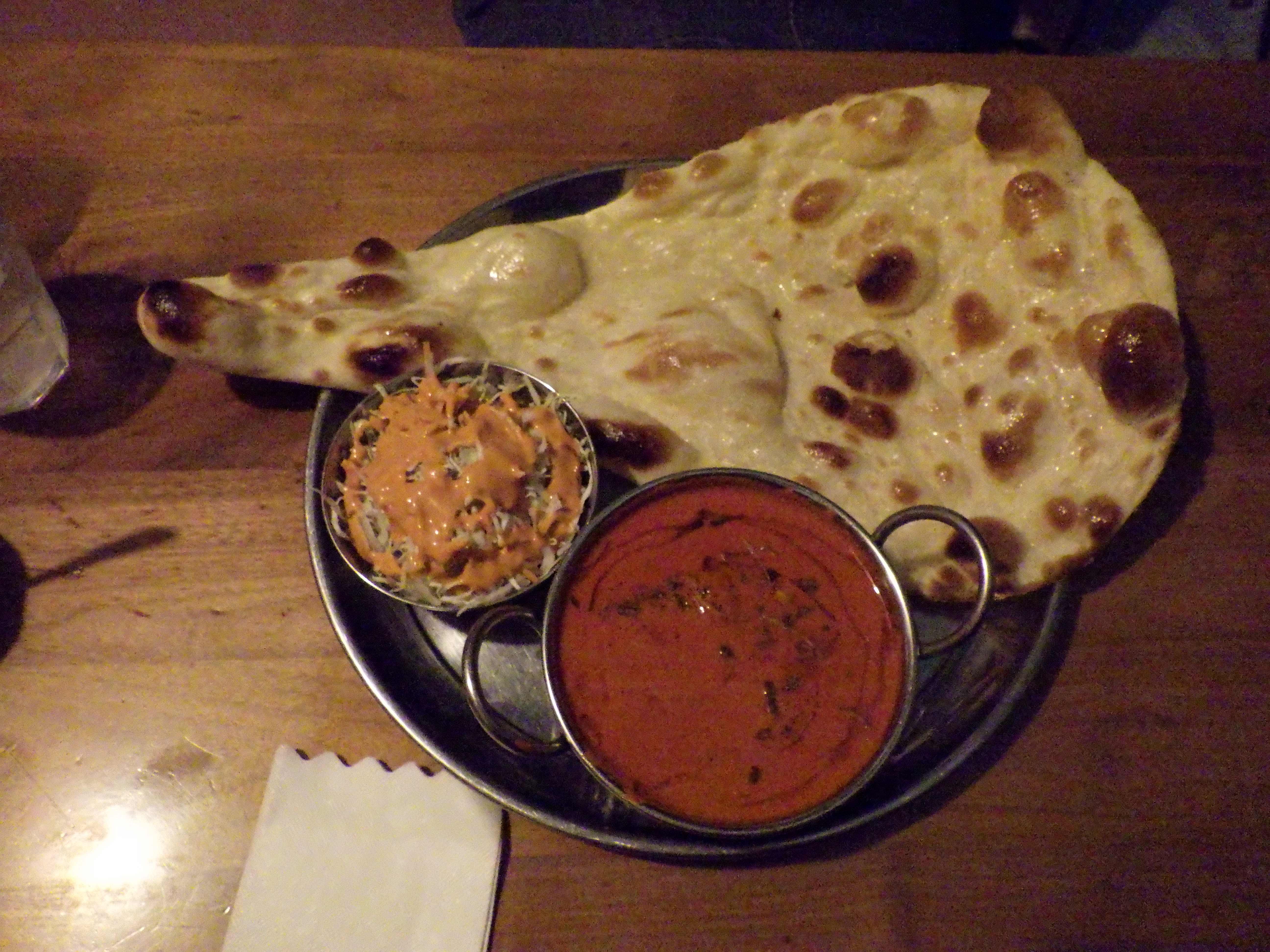
We were lucky to find a cafe open for lunch. It was a tiny place, and we sat in a cozy, cosmic corner! The food was wonderful—beautifully prepared butter chicken and homemade naan.
Back in town around 5:00 p.m., several of us gathered at the local brewery hall for craft beer. Later, we found a small, traditional Japanese restaurant that just happened to have exactly nine counter seats for the nine of us. We sat on mats, with our feet in a well below floor level.
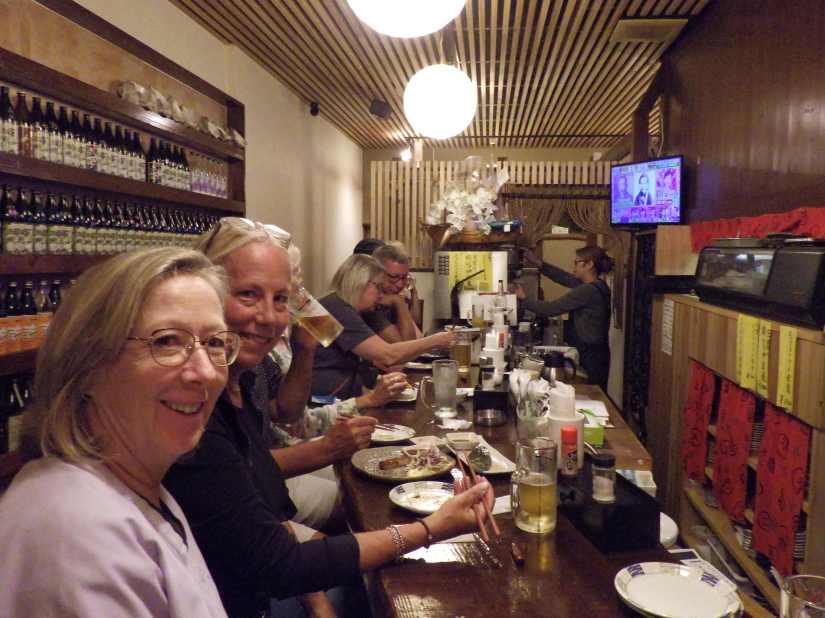
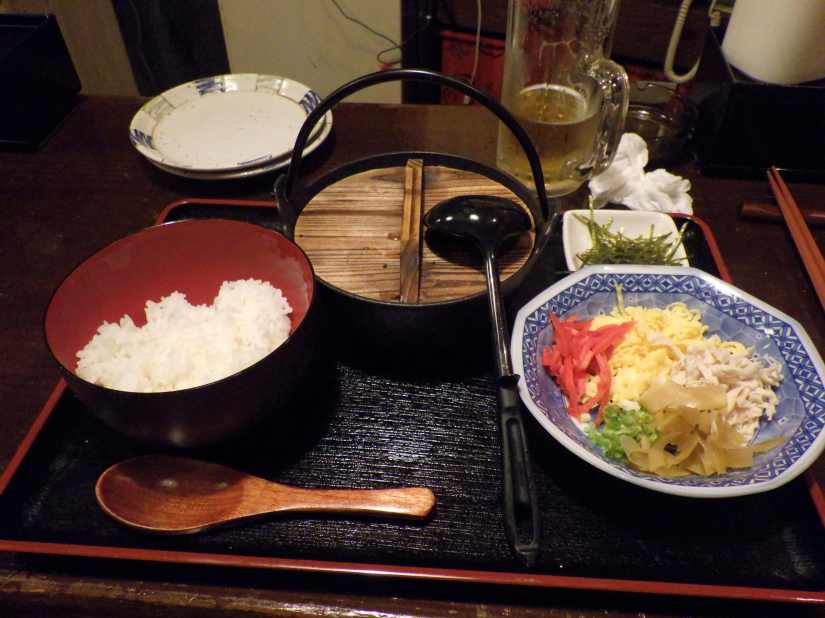
From their compact kitchen, a single chef prepared butter-sautéed oysters, stingray fin, edamame, and keihan—a comforting broth with rice, shredded chicken, mushrooms, and egg. Everything was delicious.
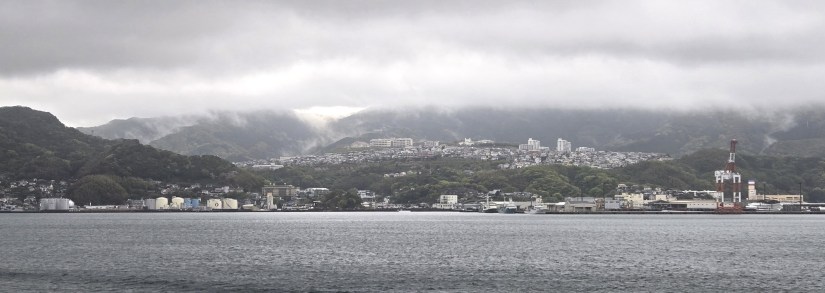
Our next port of call was Nagasaki for two days. Few cities carry such a profound place in modern history. Having suffered so greatly with the atomic bombing in 1945, we felt it important—however difficult—to learn more about what happened there and to pay our respects.
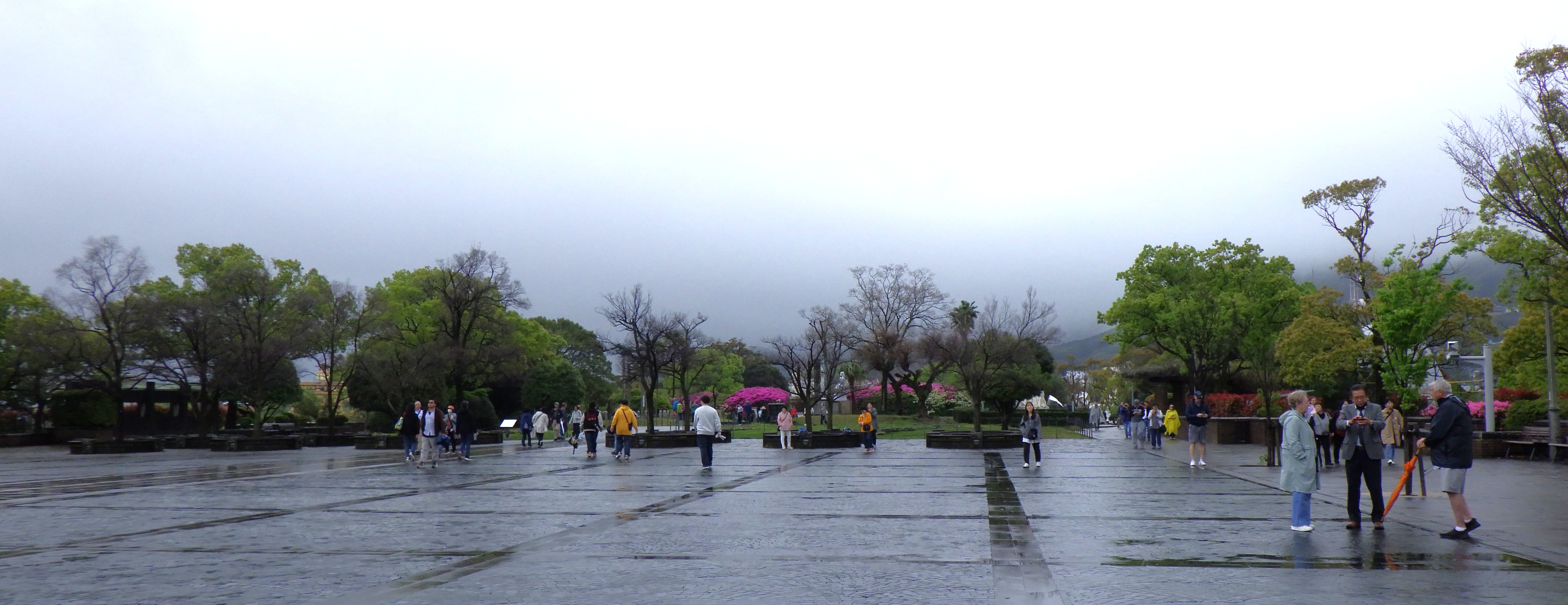
The gray, rainy morning set a befitting atmosphere for a visit to the Atomic Bomb Museum. The stark photographs and preserved artifacts were moving and uncomfortable. Raw. Somber. I’m only sharing a couple photos due to their sensitive nature.
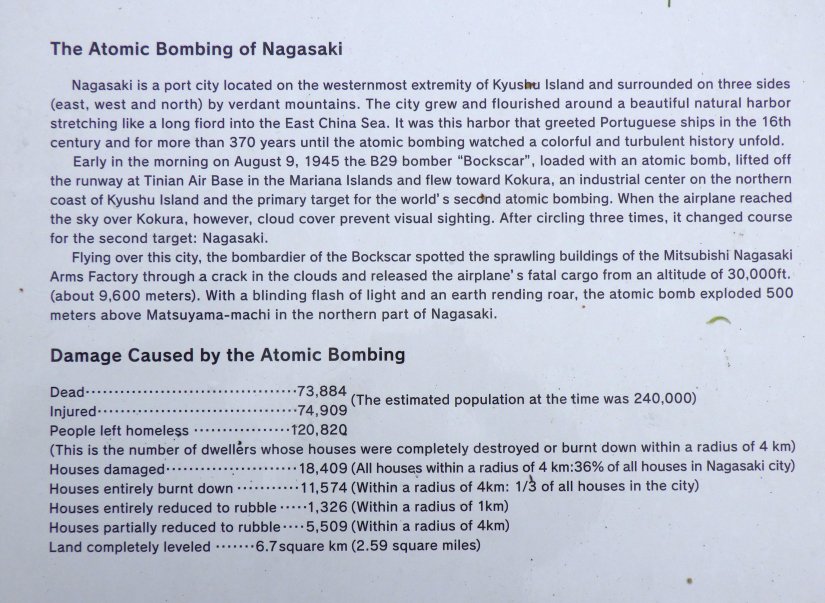
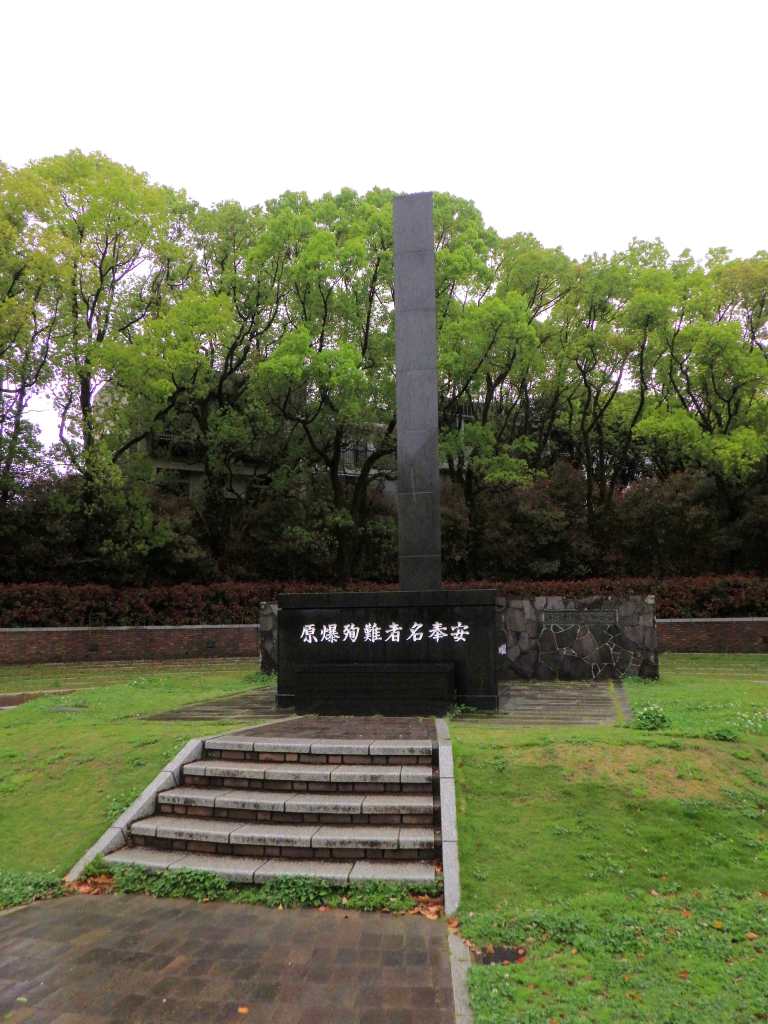
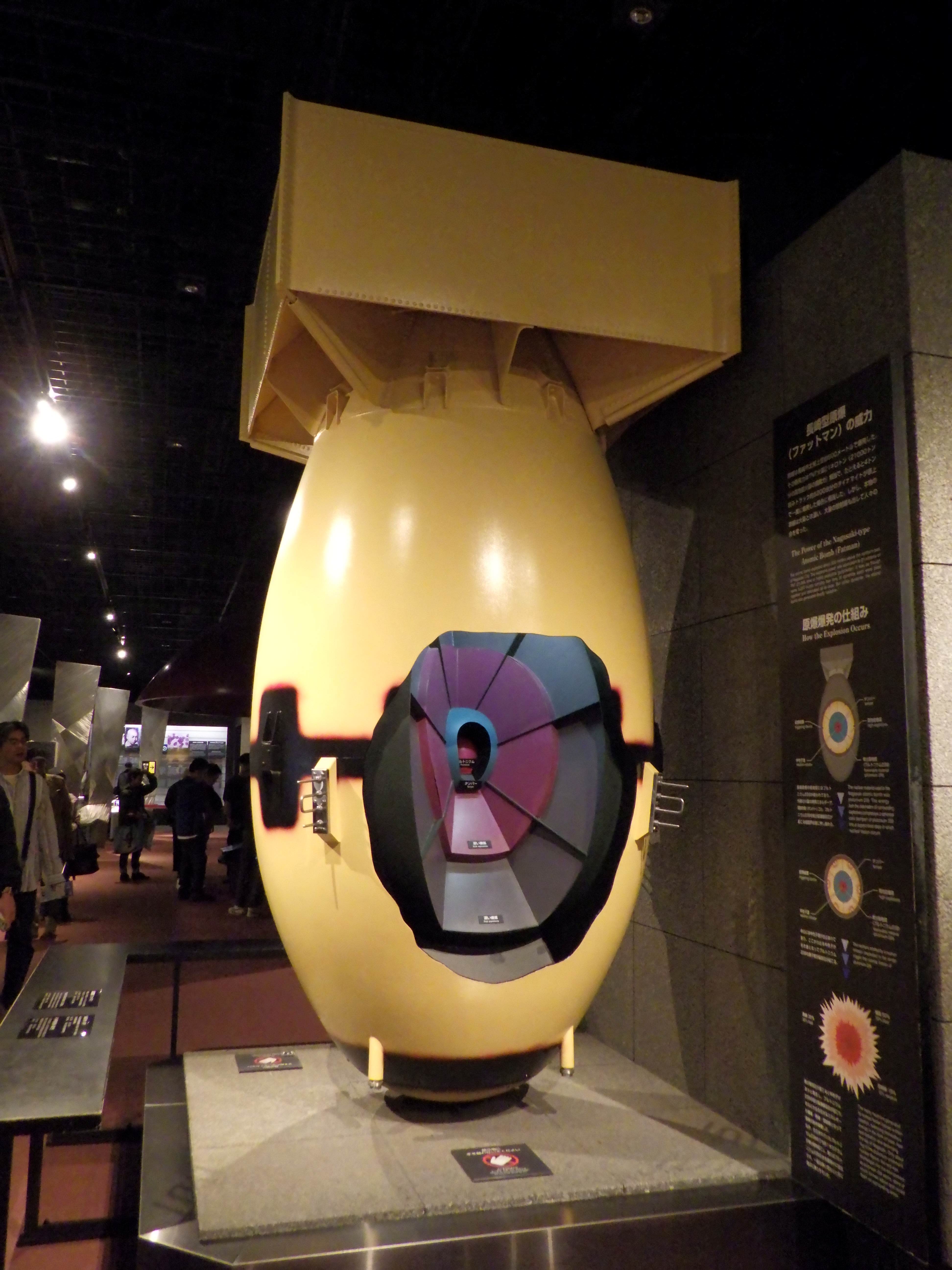
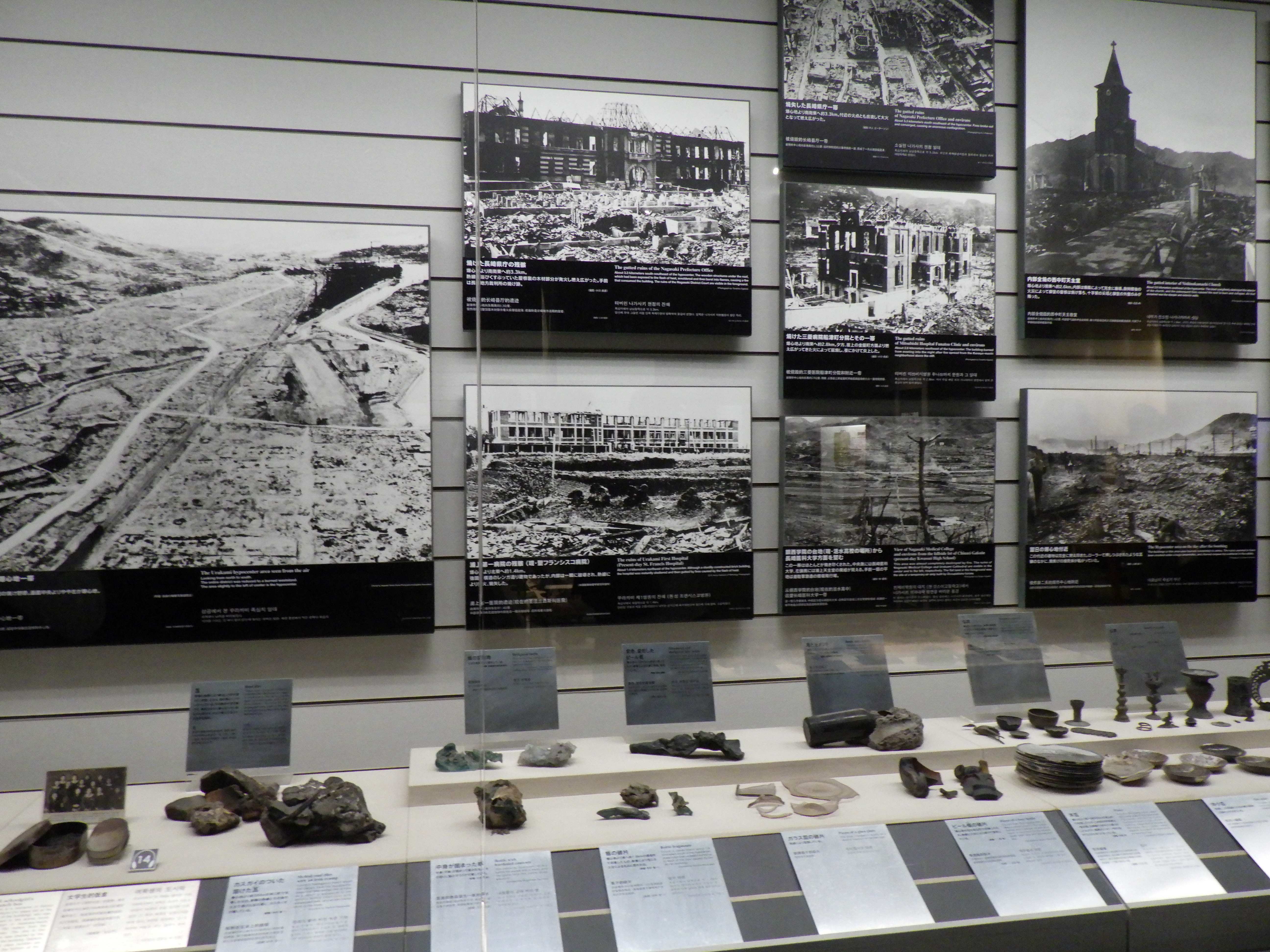
We left feeling the gravity and weight of historical tensions, as well as the ongoing global tensions of today. Have we humans learned anything?
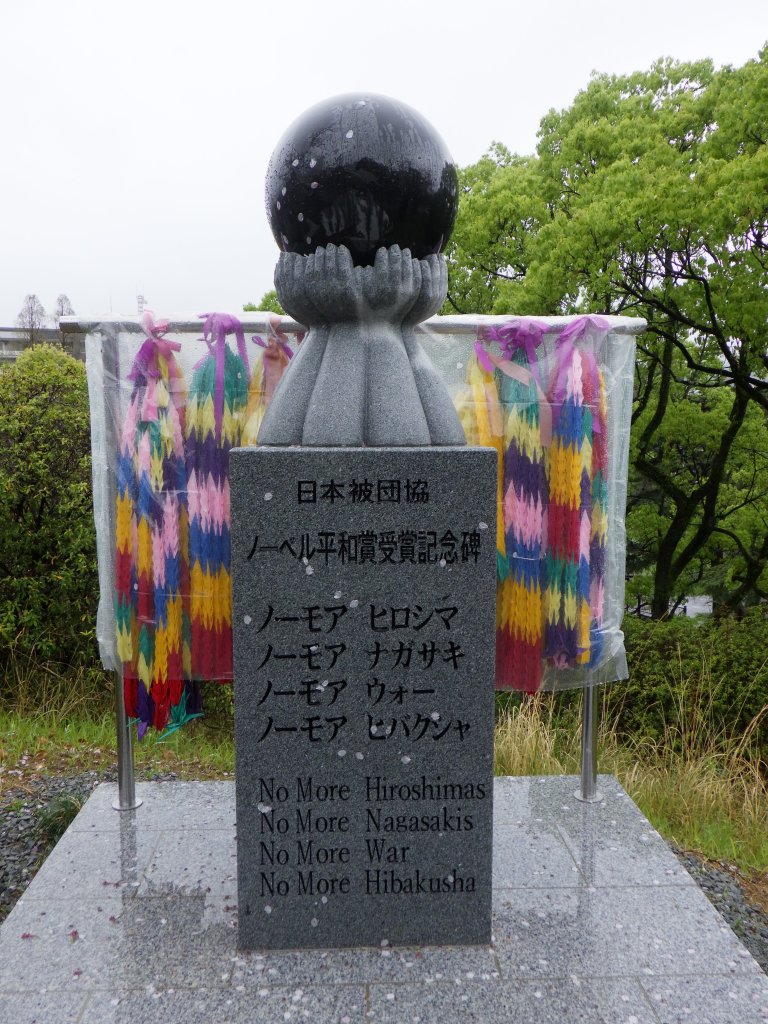
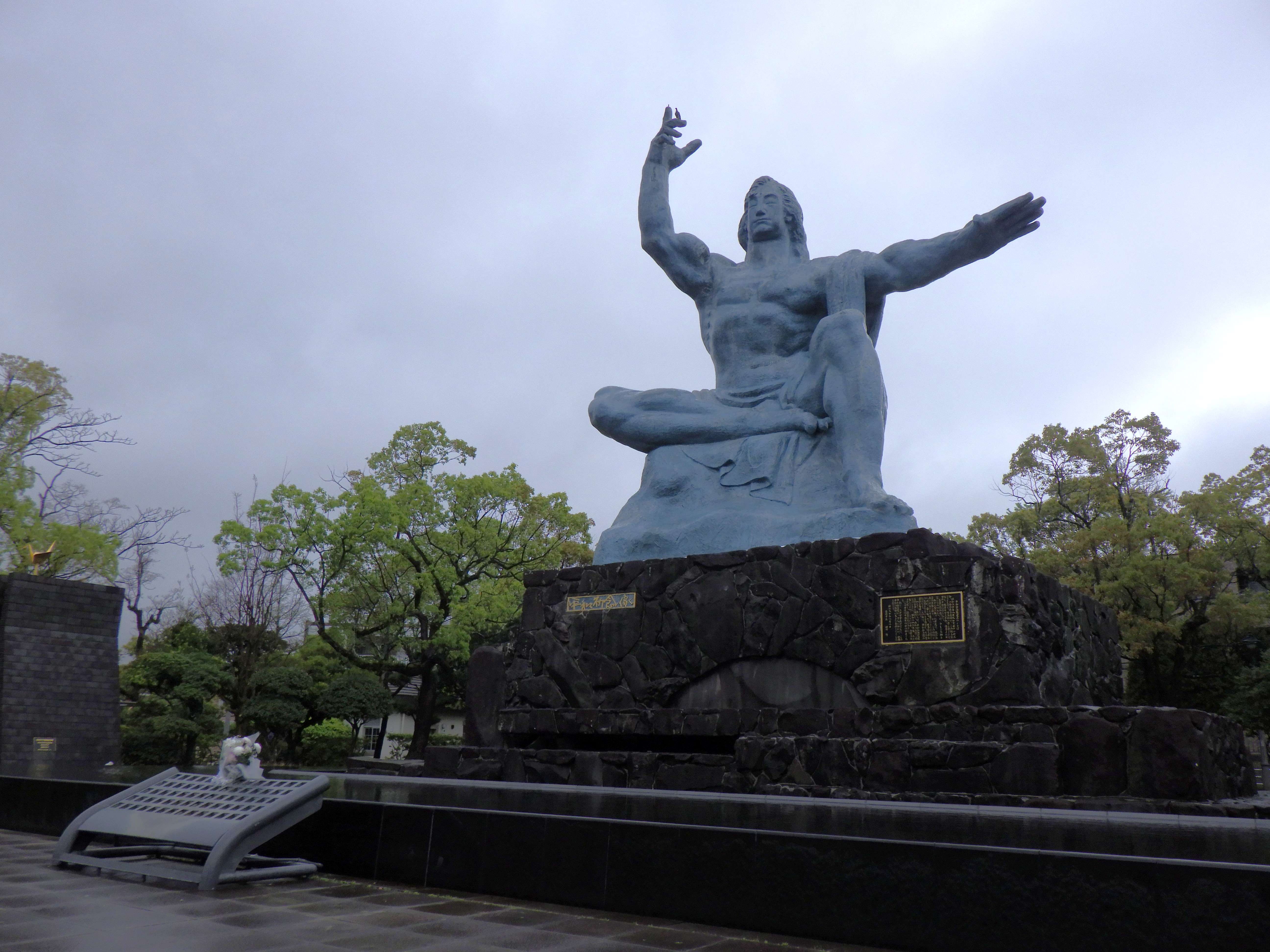
Nearby Peace Park offered reflecting pools, fountains, monuments, and gardens—places to heal, remember, and honor resilience.
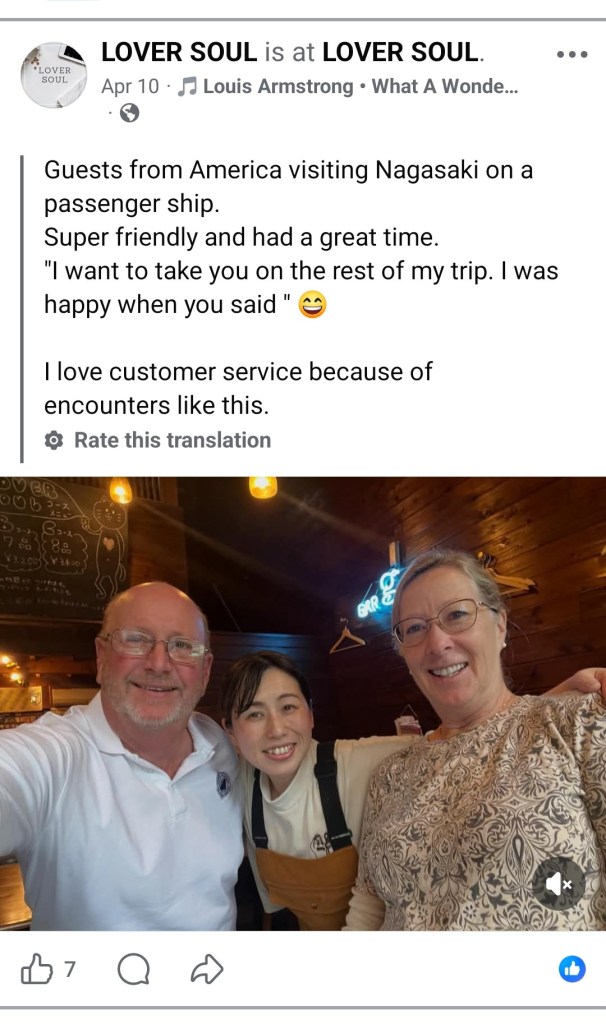
Dodging rain showers and shaking off the mood, we ducked into tea houses before eventually finding lunch in the arcade district. A handwritten sign for a café called Lover Soul caught our attention. We climbed narrow stairs to a warm second-floor café with wood beams and window views over the rainy pedestrian street below. The owner, who spoke some English, happily explained that her name translates to “Lover,” and her son’s name is Soul. Soon our baked curry shrimp and sautéed chicken in demi-glace arrived—hot, aromatic, and delicious.
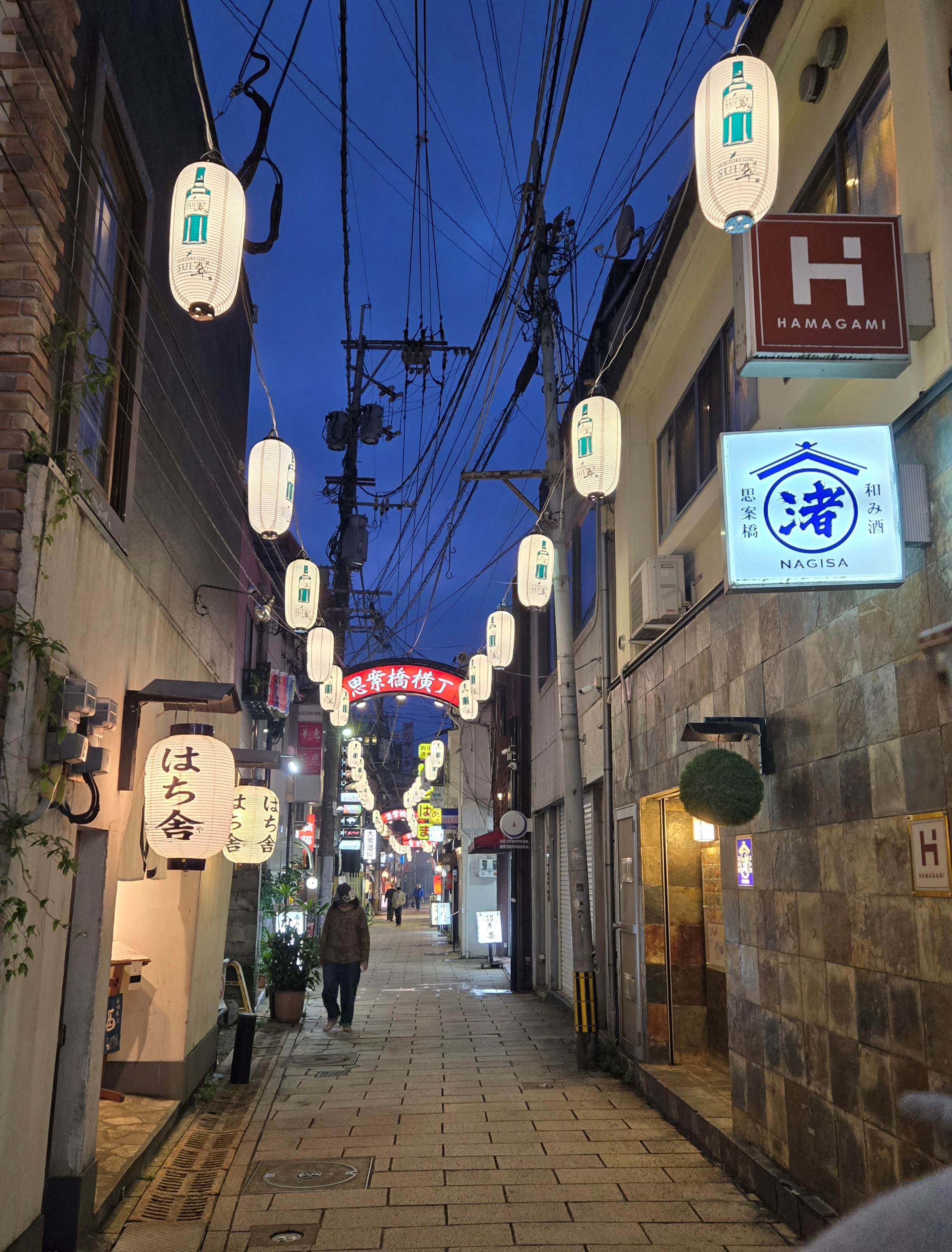
That evening, six of us explored tiny neighborhood bars in the old section of the city. Tiny meant three or four stools, a rough counter, and nothing fancy. We loved it. A tuk tuk driver took us back and cheerfully announced, “No charge…tip only.”
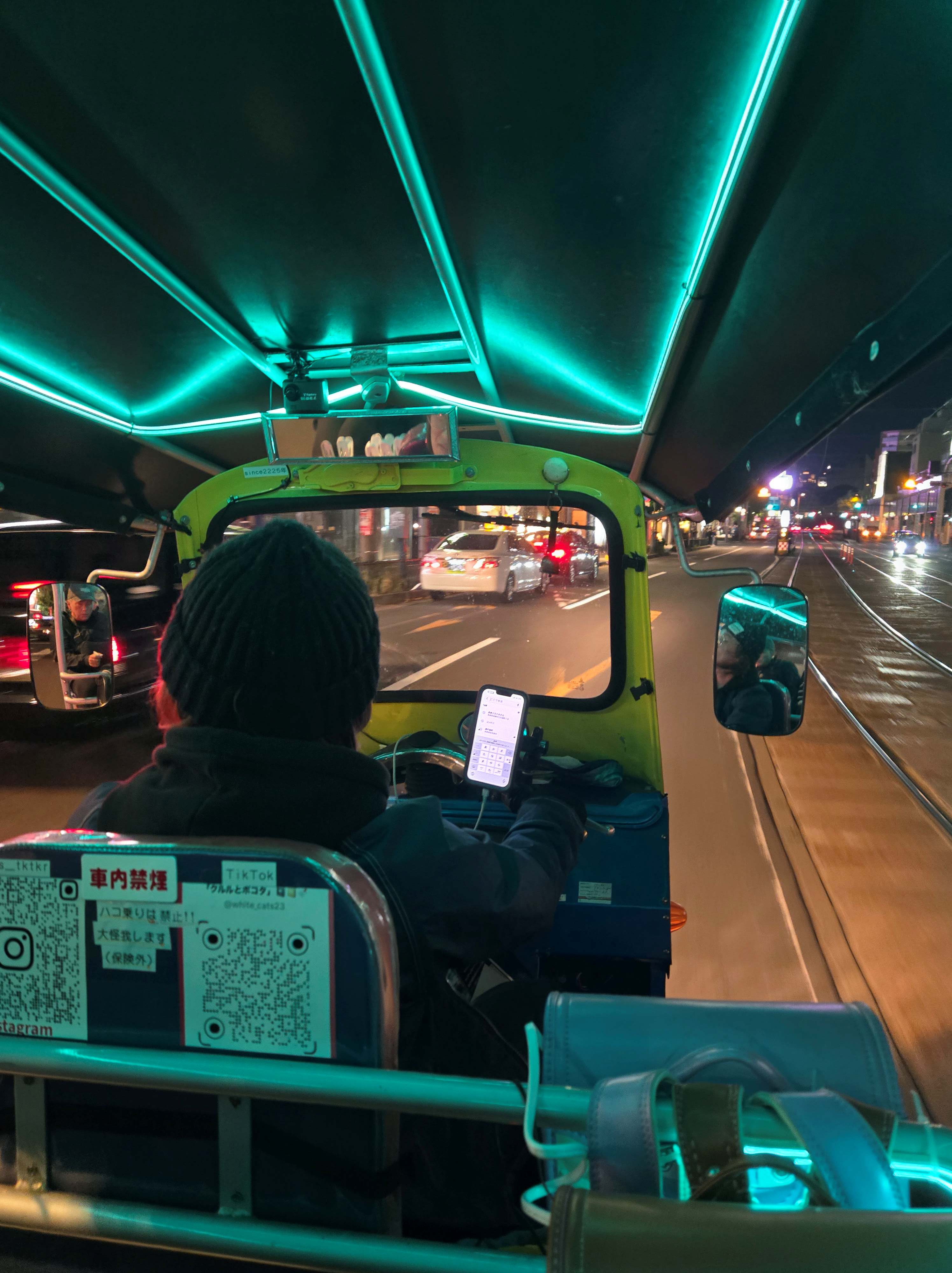
The next morning dawned bright and sunny, a sharp contrast to the previous day’s gloomy weather and museum visit…maybe even somewhat symbolic of Nagasaki’s post-WWII rebuilding spirit.
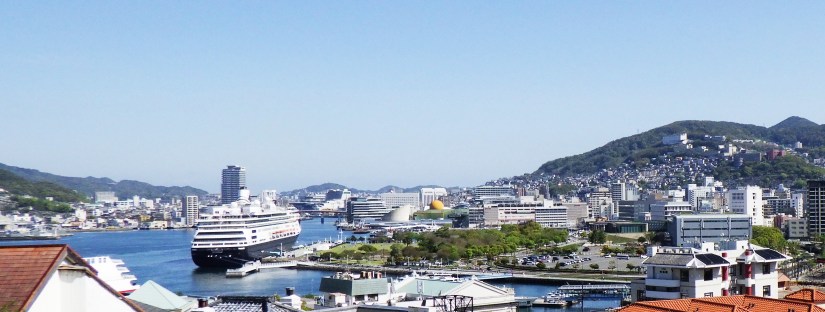
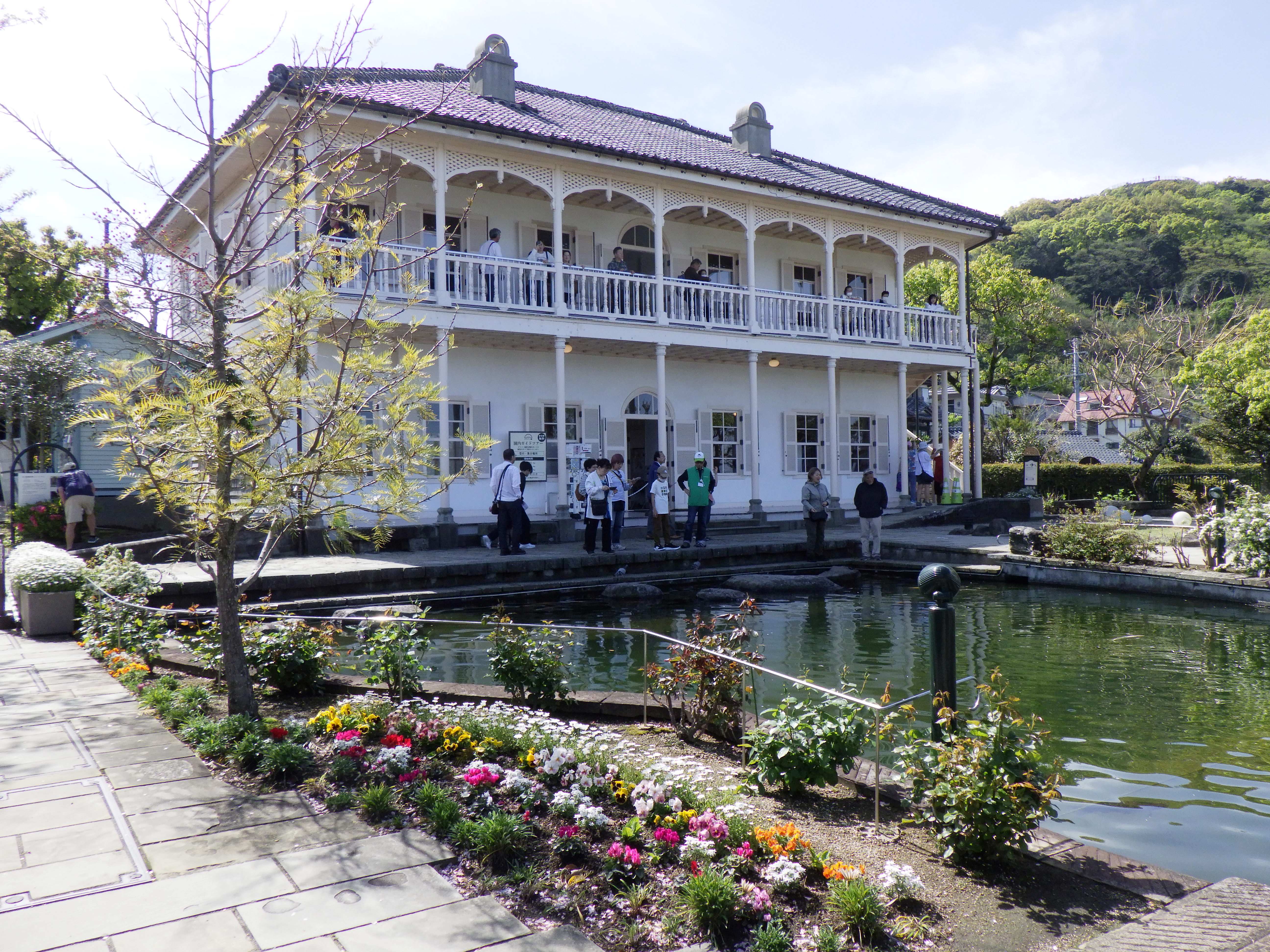
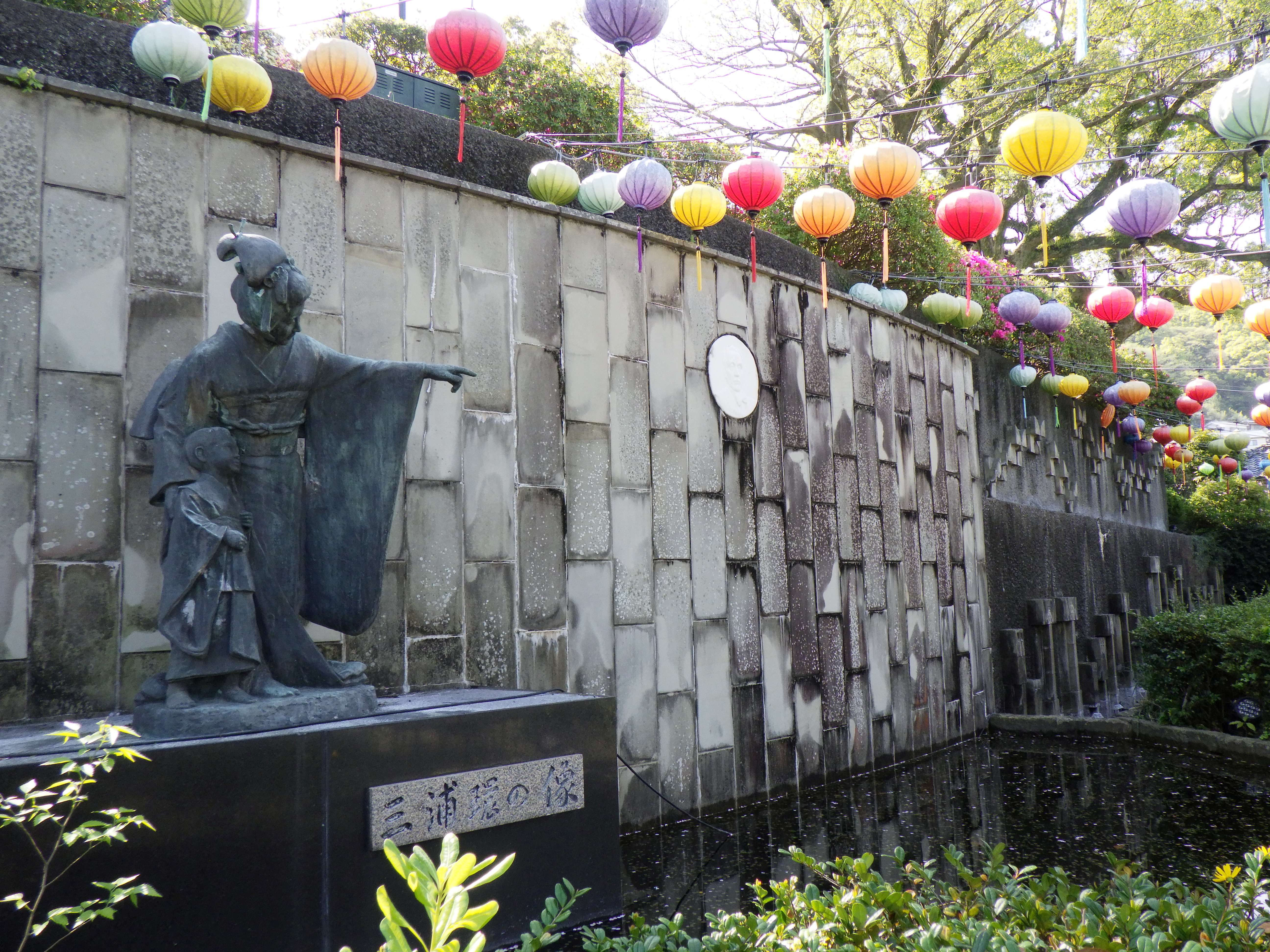
We spent the day exploring Glover Garden, a hillside collection of restored Western-style homes and gardens from the late 1800s, with sweeping harbor views.
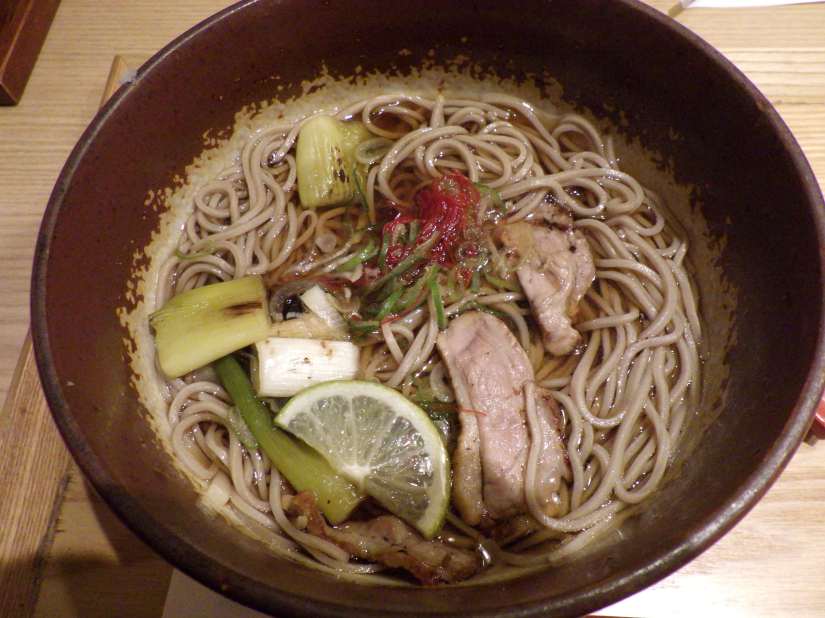
Lunch came at a busy local soba shop where the line outside told us everything we needed to know. Through the front window, we watched handmade noodles being prepared fresh. We ordered savory broth topped with sliced duck and grilled scallions. I could eat this every day!
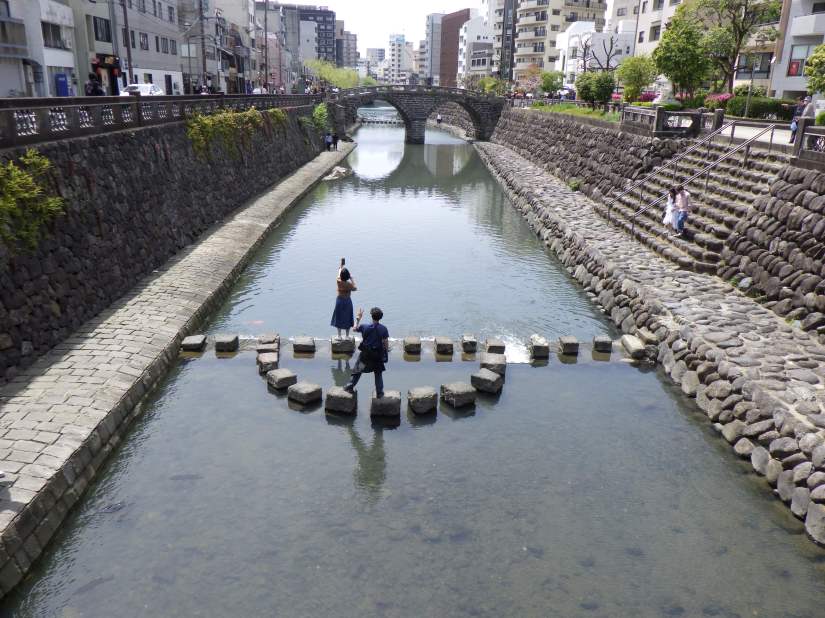
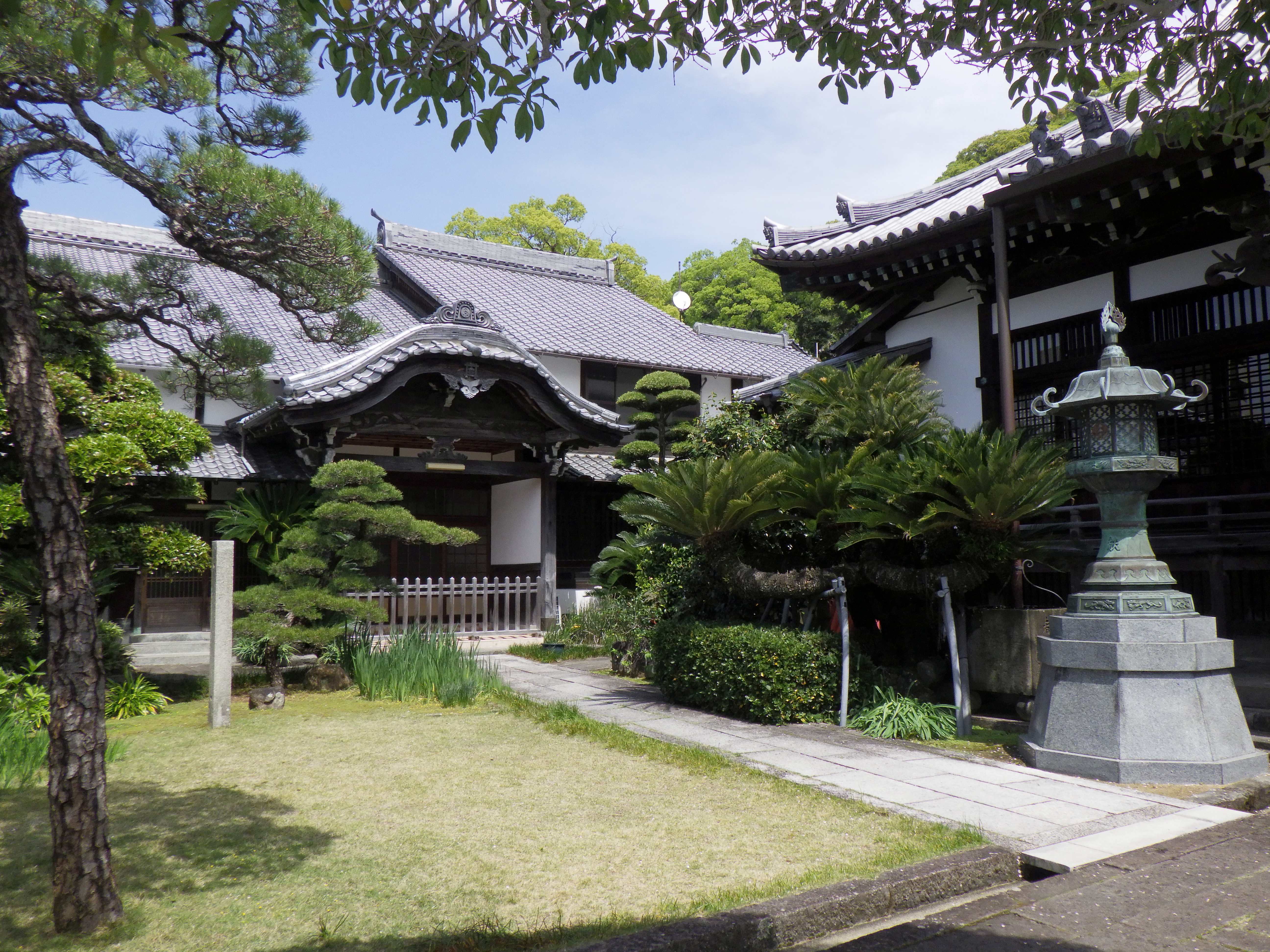
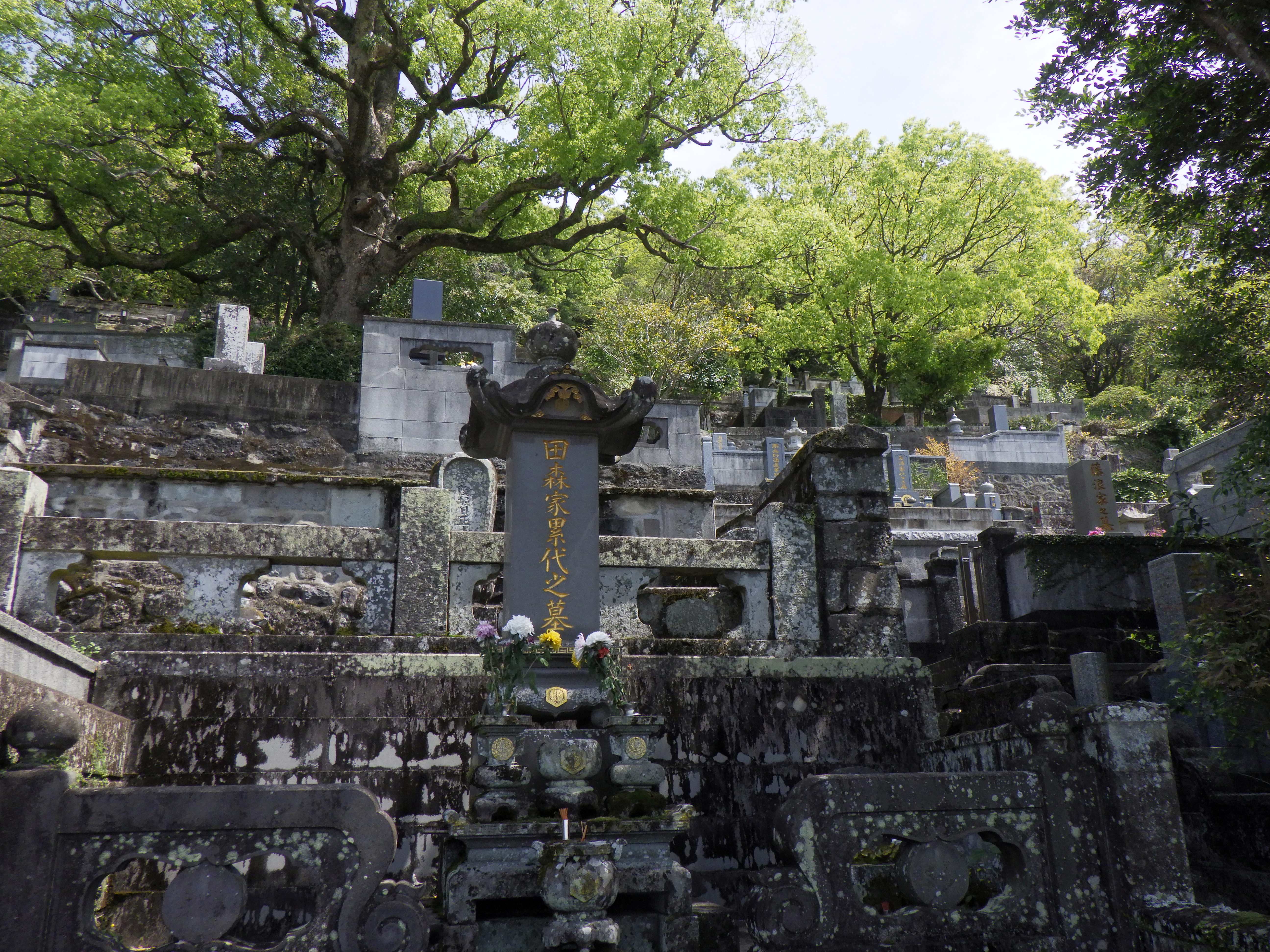
Later, we visited the famous stone bridges spanning the Nakashima River, then climbed into the hillsides where shrines and a vast Buddha cemetery overlook the city.
Though city trams have served Nagasaki for generations, we always feel a place more deeply when we walk it. Well, our feet really noticed when we walked nine miles the first day, and seven the second! Nagasaki, old and new; from ancient shrines and temples to high-rises and highways:
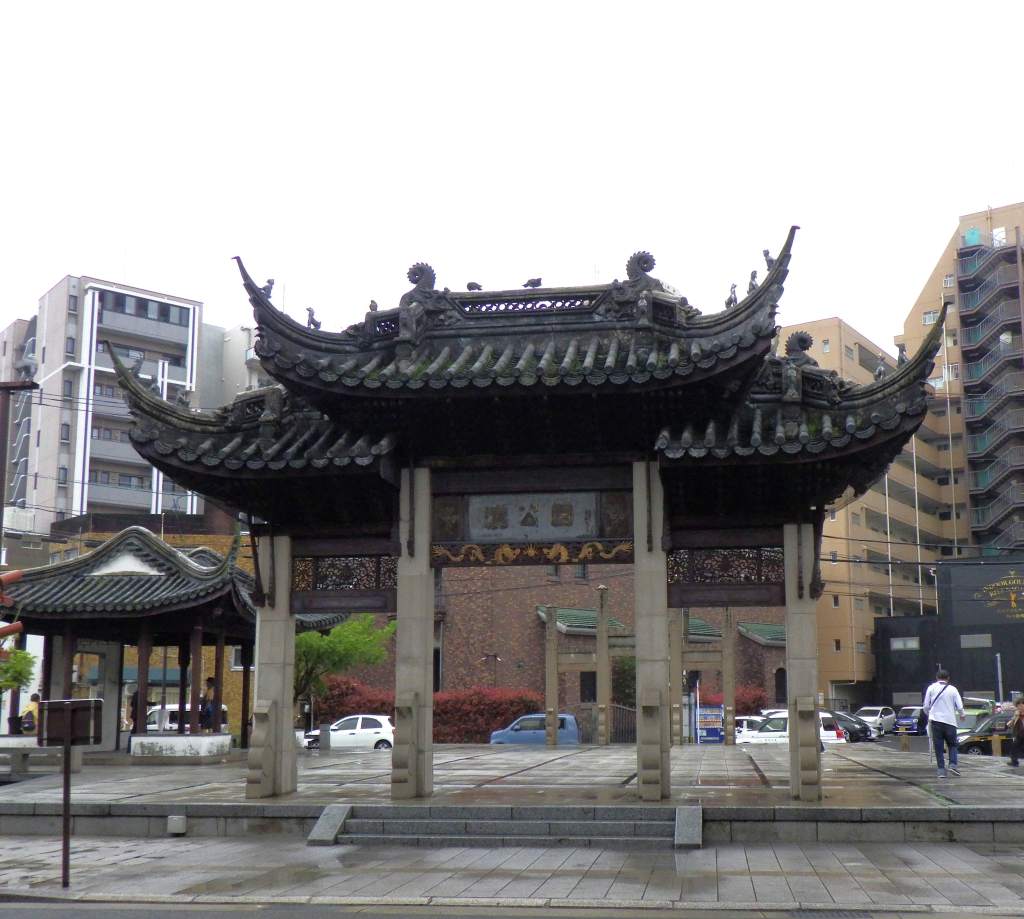
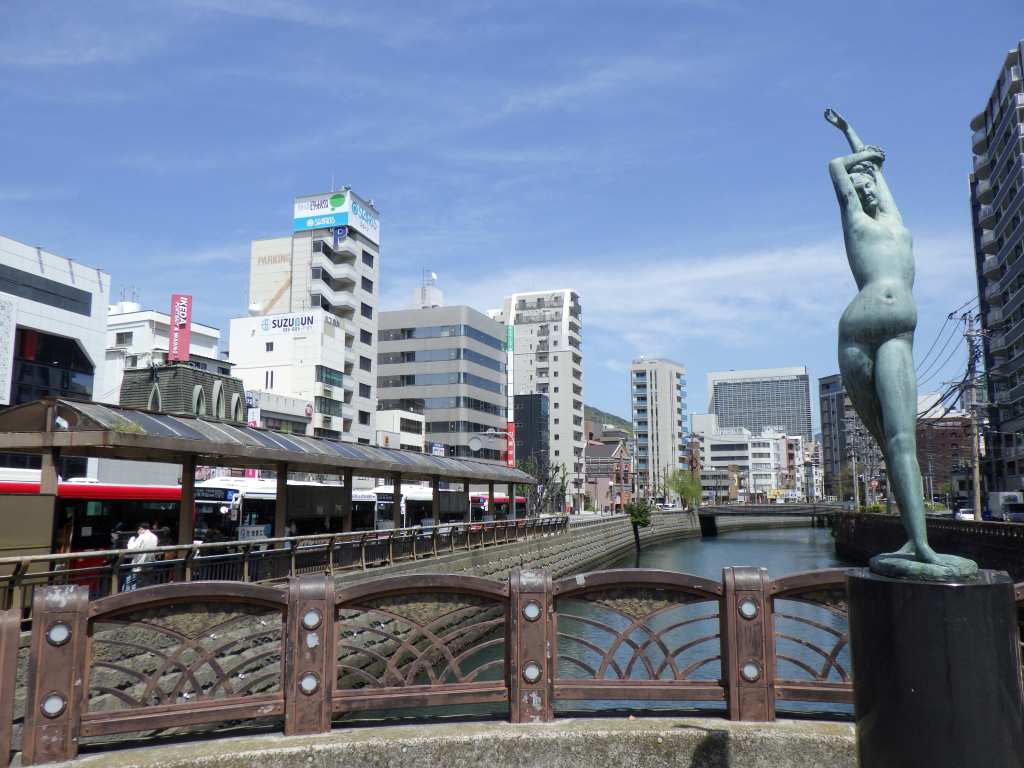
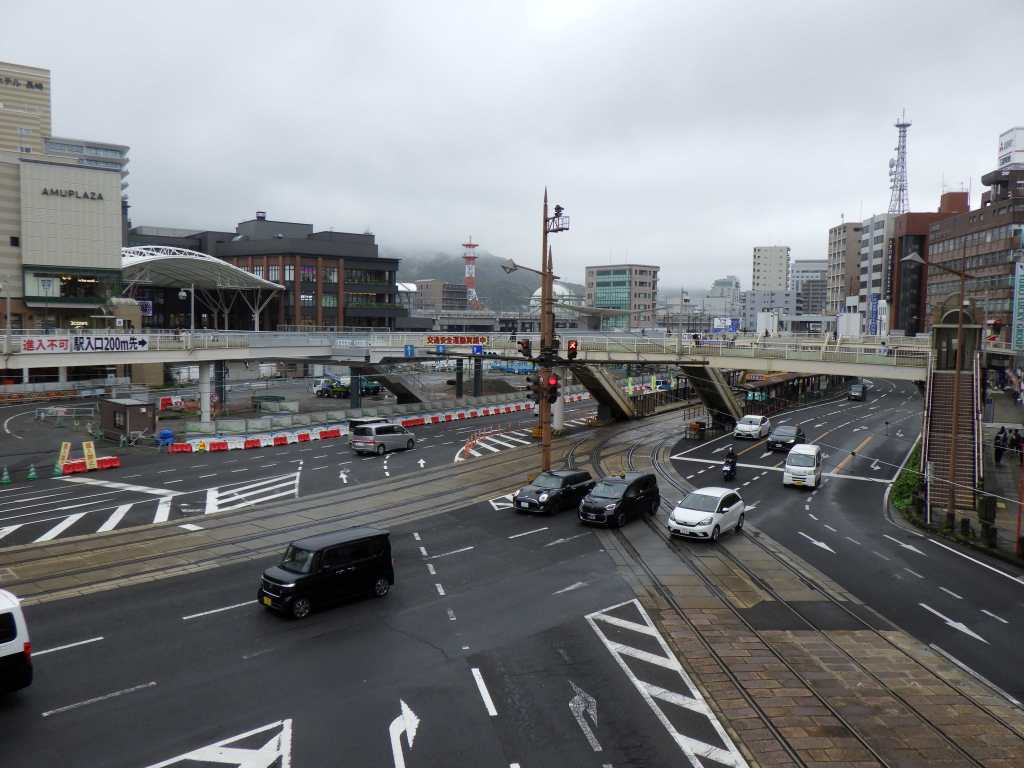
As we departed, the Nagasaki High School Marching Band gave us a spirited send-off full of talent and enthusiasm.
More than 600 miles around Japan’s southern coast brought us to Shimizu, on Suruga Bay. This coastal city is known for excellent views of Mount Fuji, while the nearby hillsides produce fine green tea.
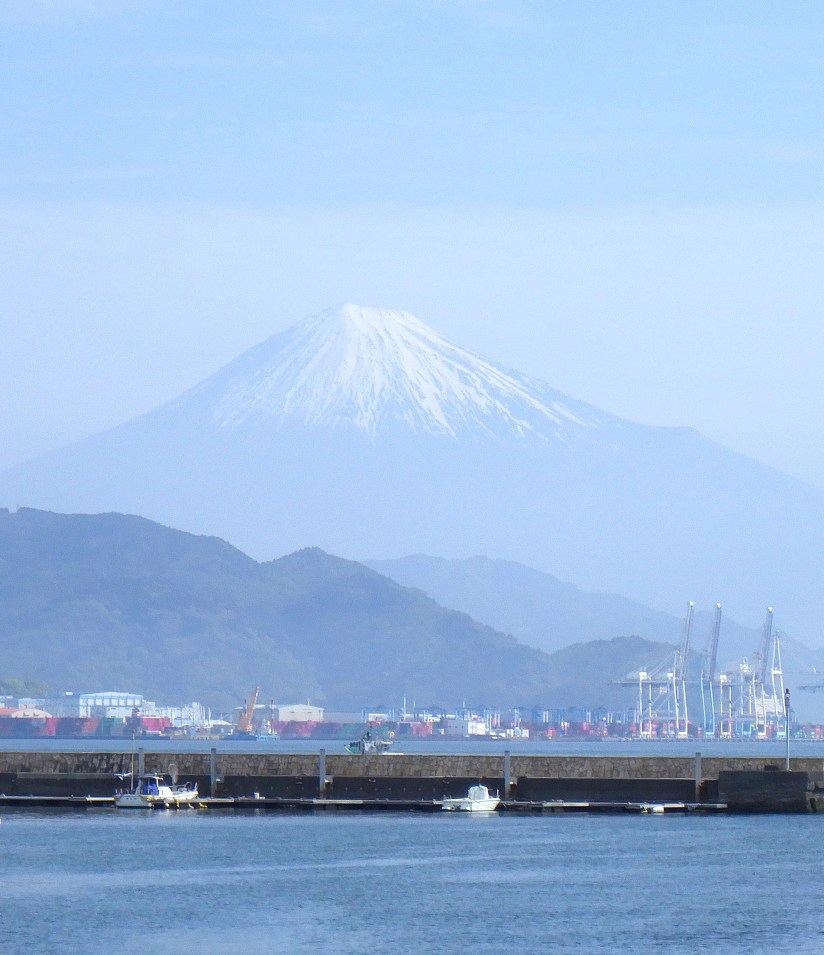
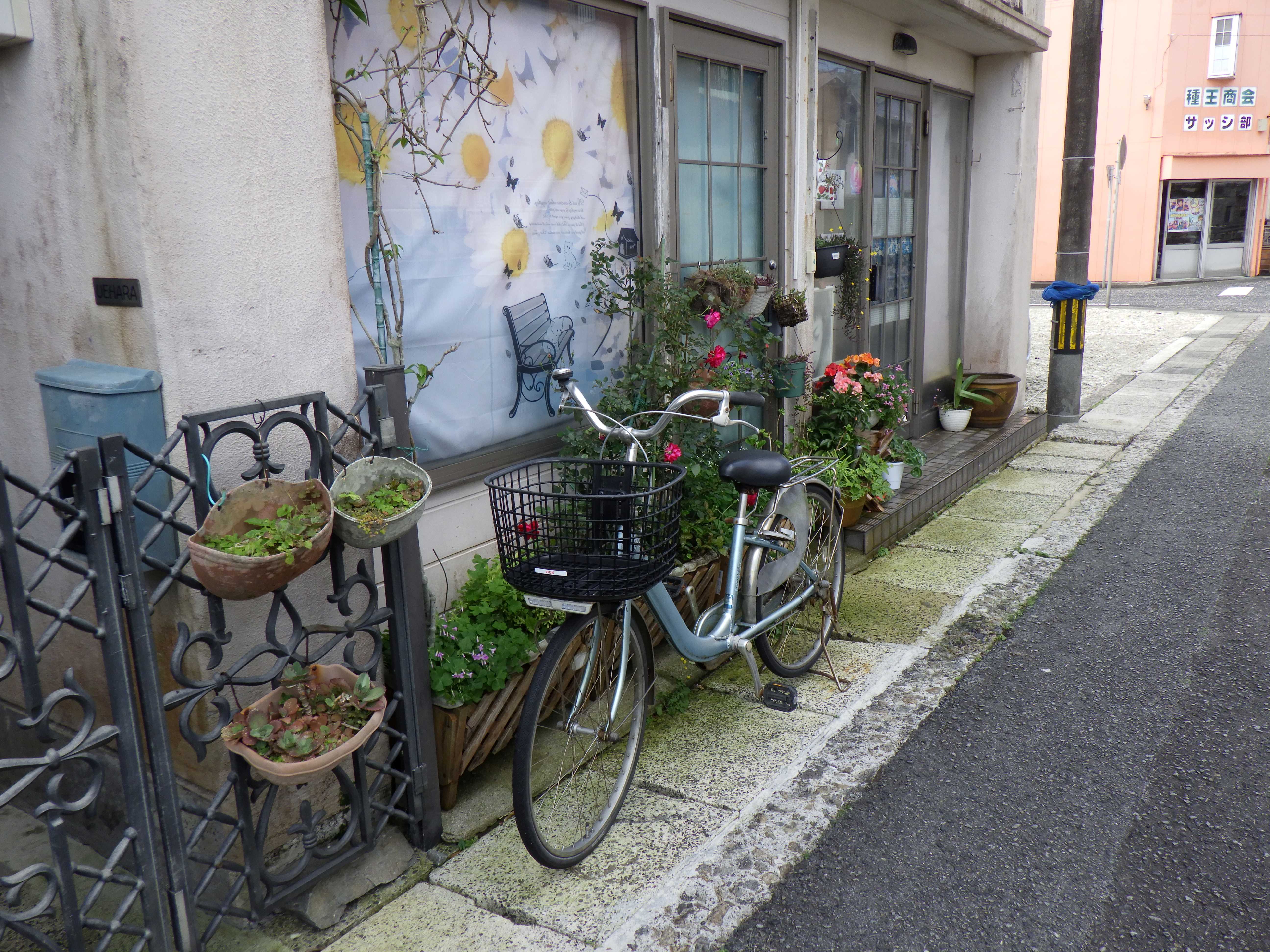
On this Monday morning, neighborhood streets were quiet except for a few residents cycling to market. Outside modest homes, pots of spring flowers overflowed by the front doors.
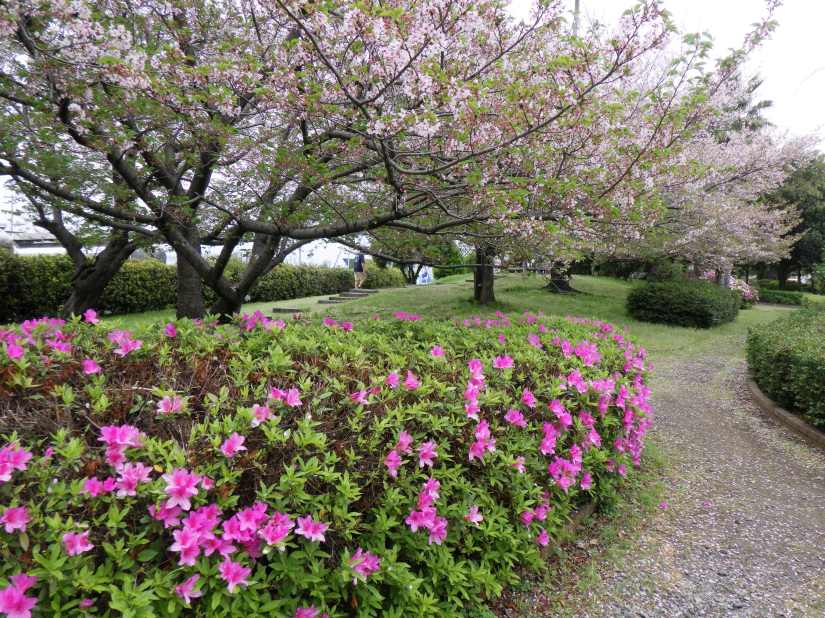
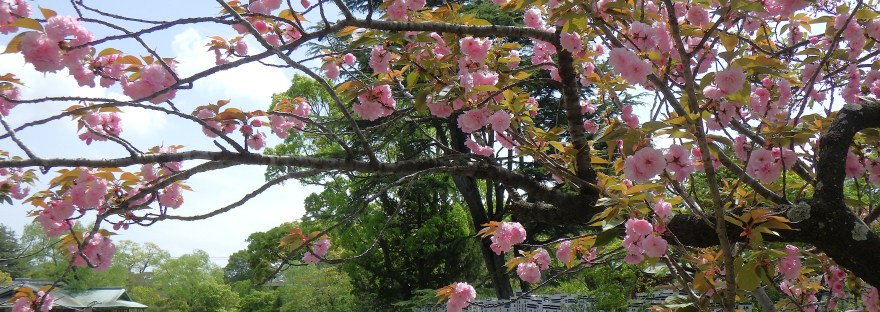
The cherry blossoms were just past peak, with petals scattered on the ground like light snow. And nearly everywhere we walked, towering Mount Fuji appeared through the haze.
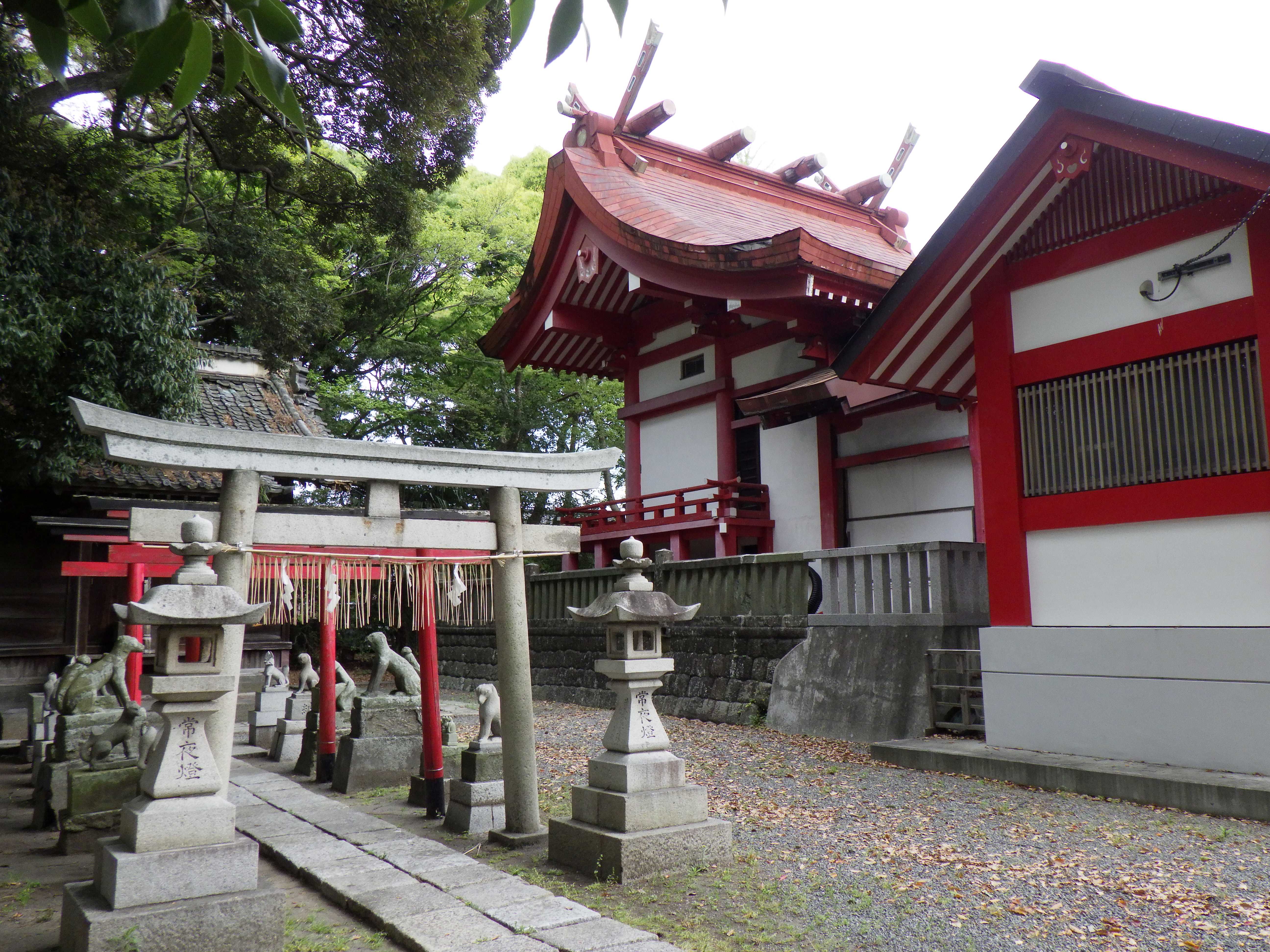
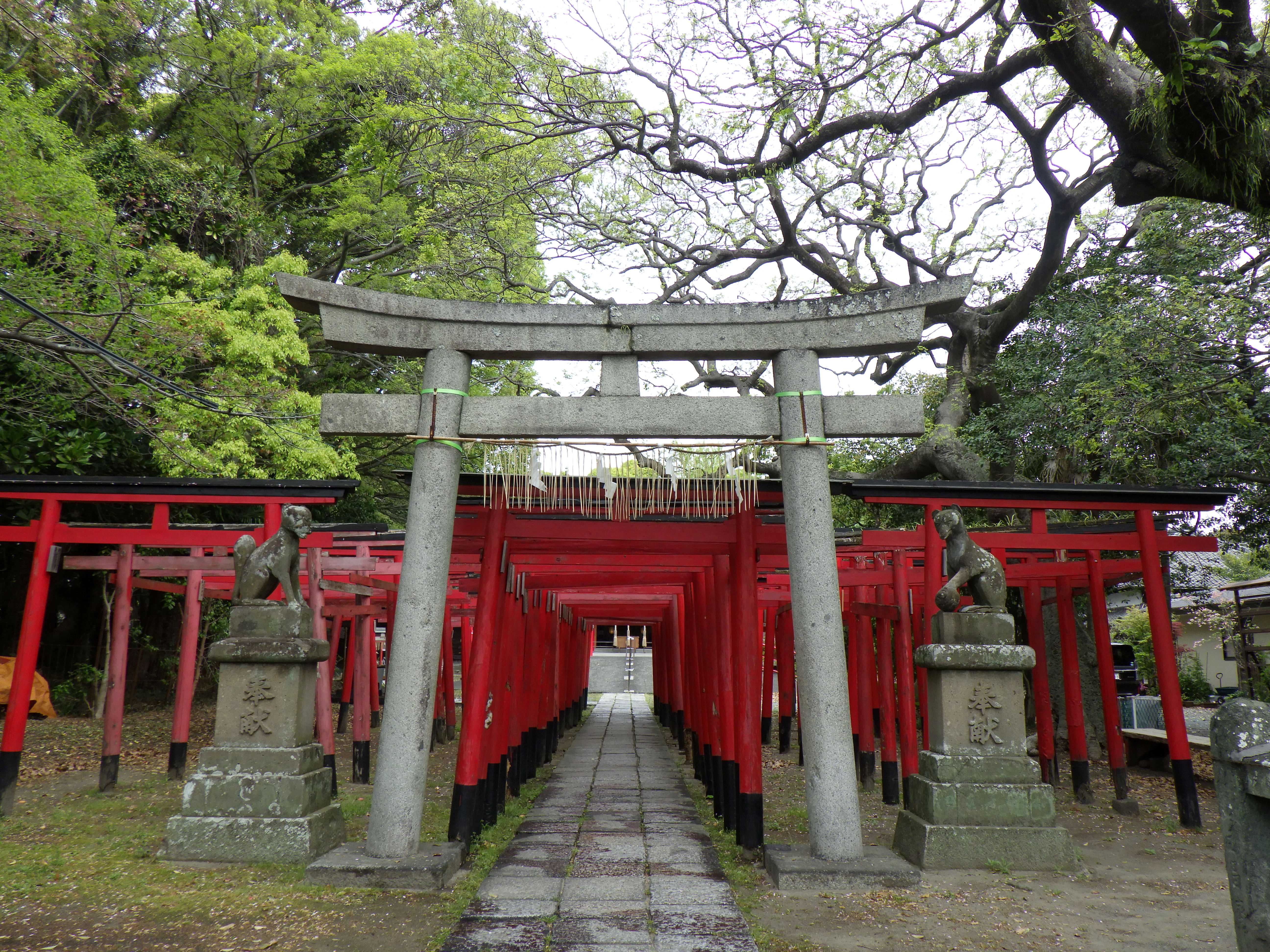
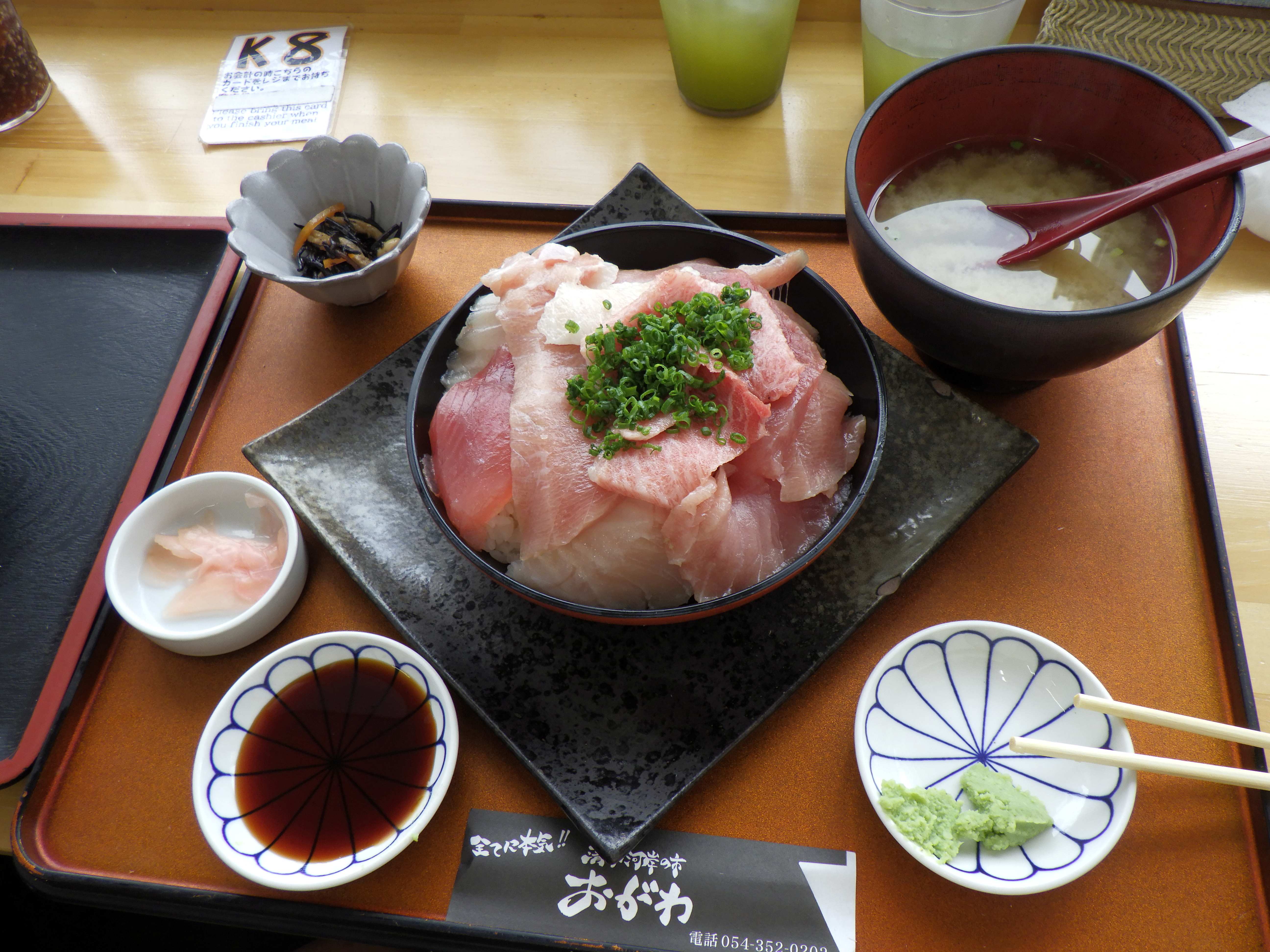
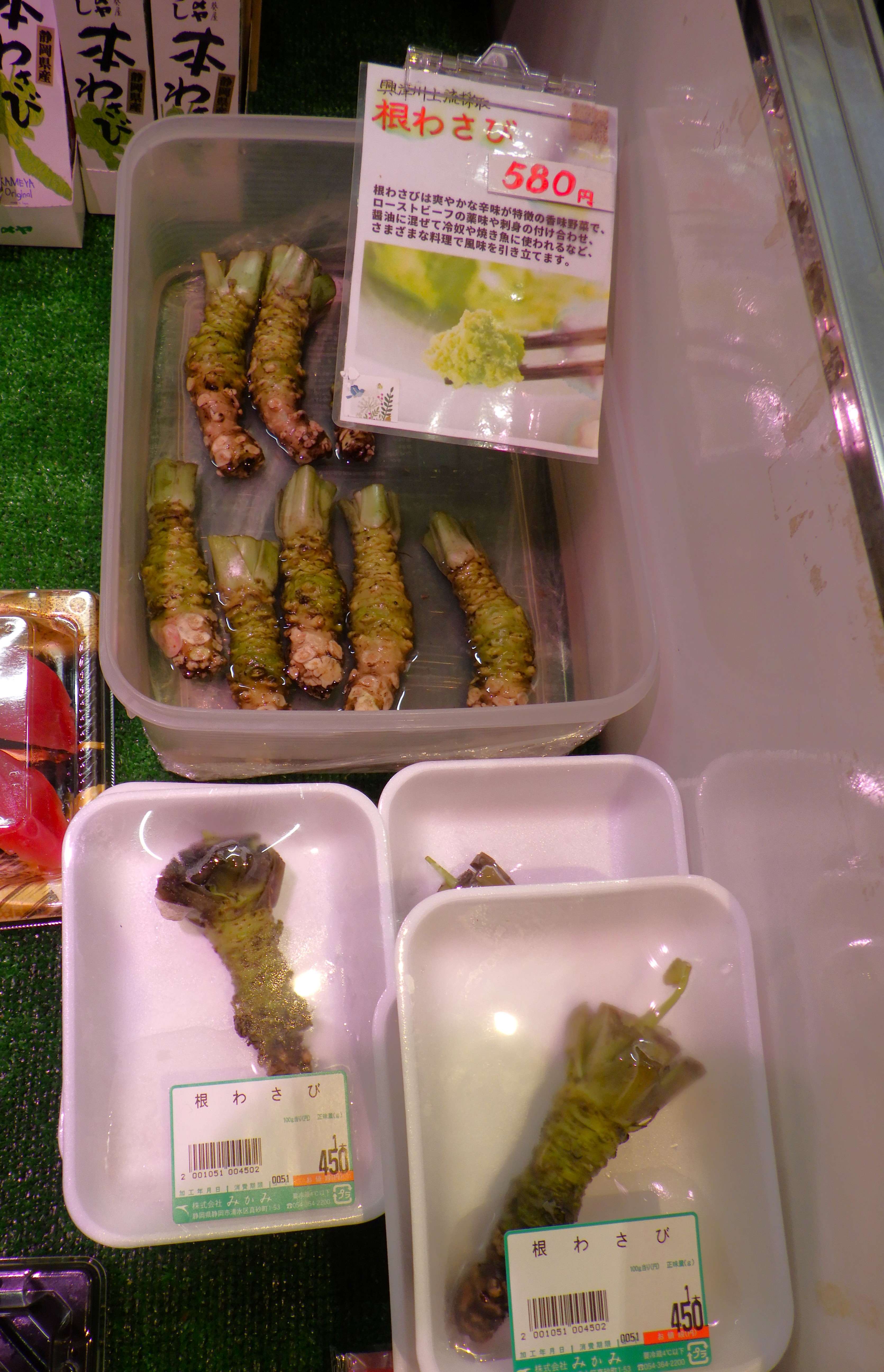
By noon, the fish market was in full swing, and we enjoyed some of the freshest tuna sashimi we’ve ever tasted. Even the wasabi was freshly ground from the root (below, right), and the pickled ginger still crisp. Locally grown green tea completed the meal.
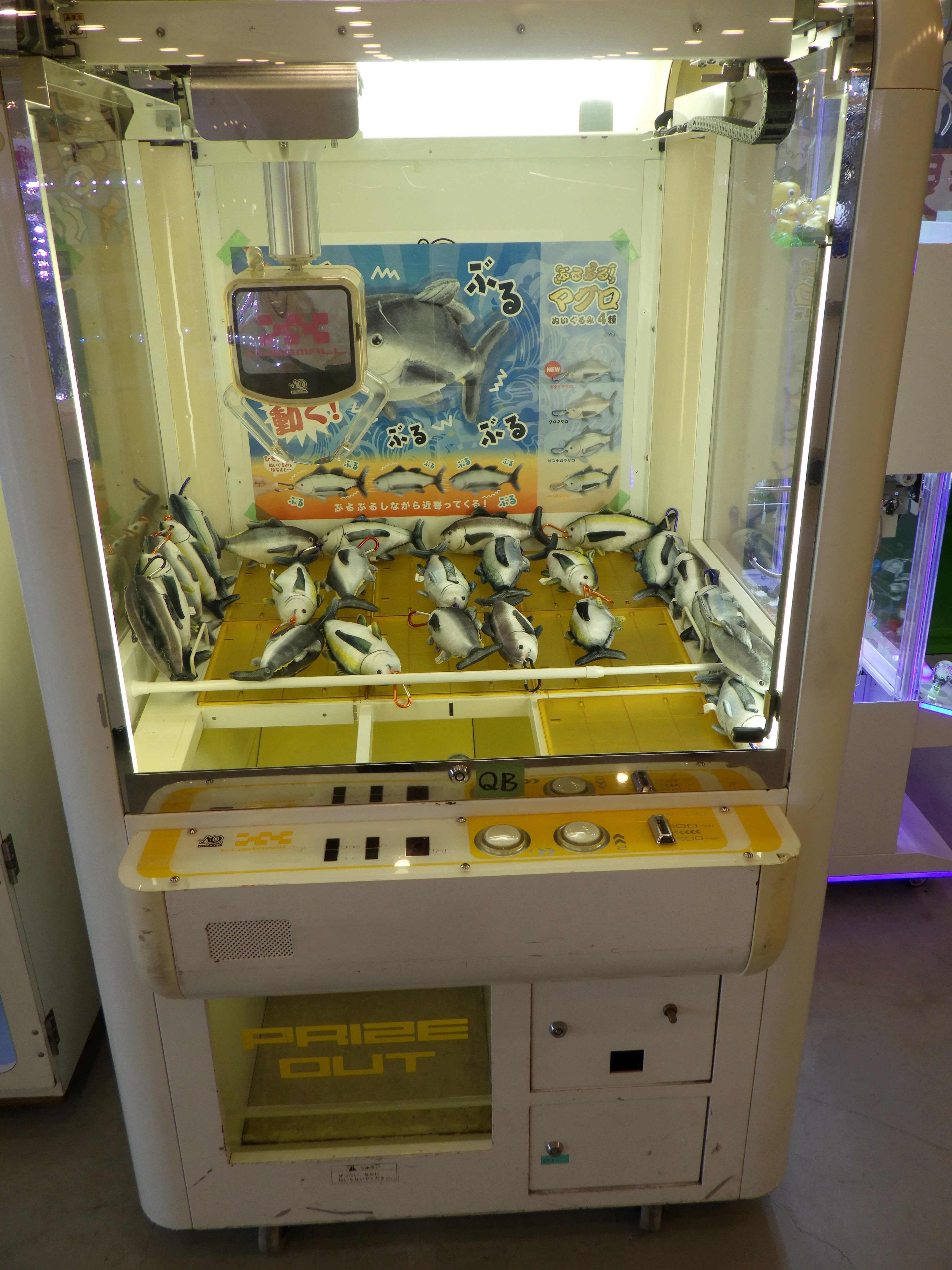
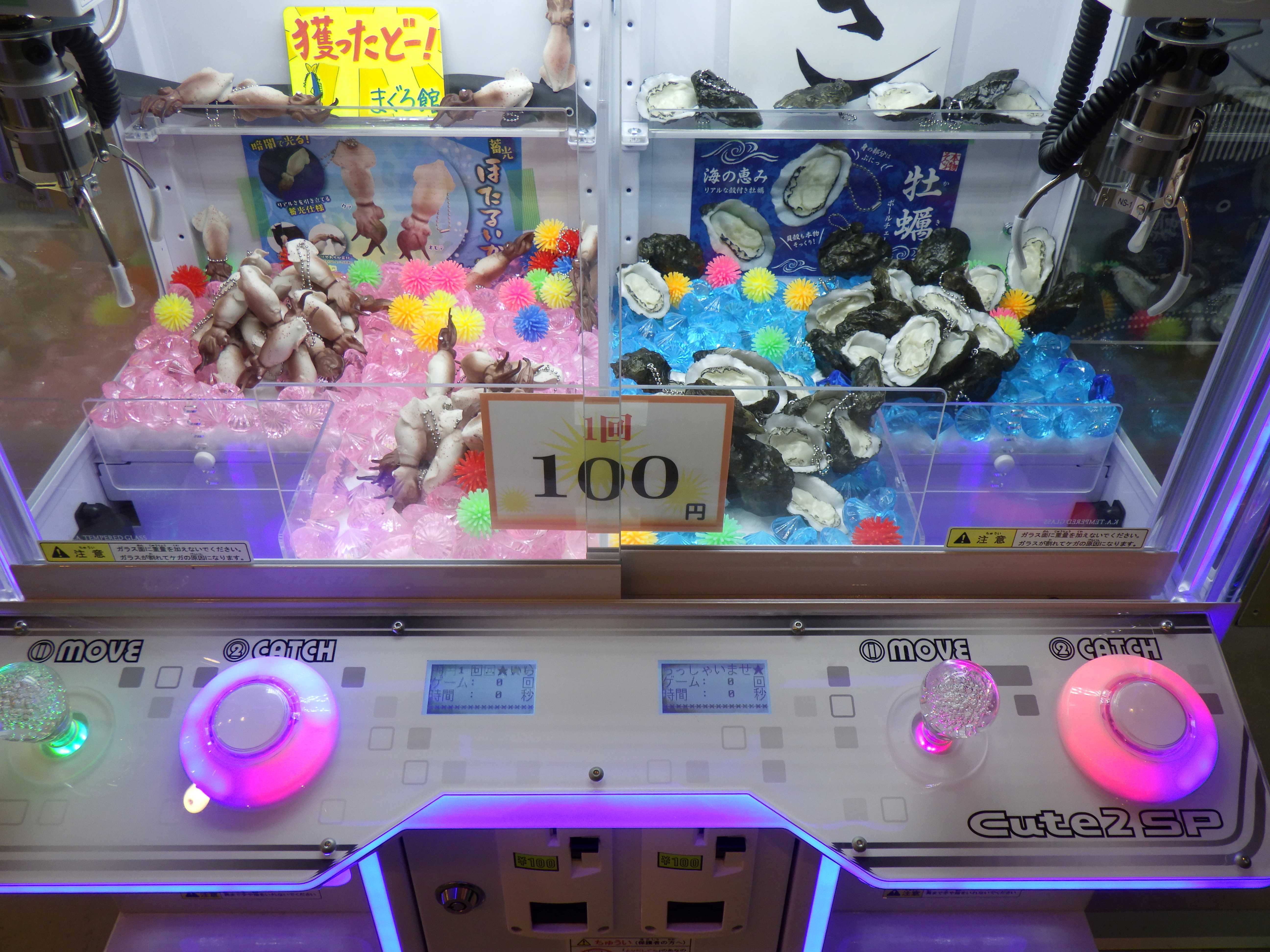
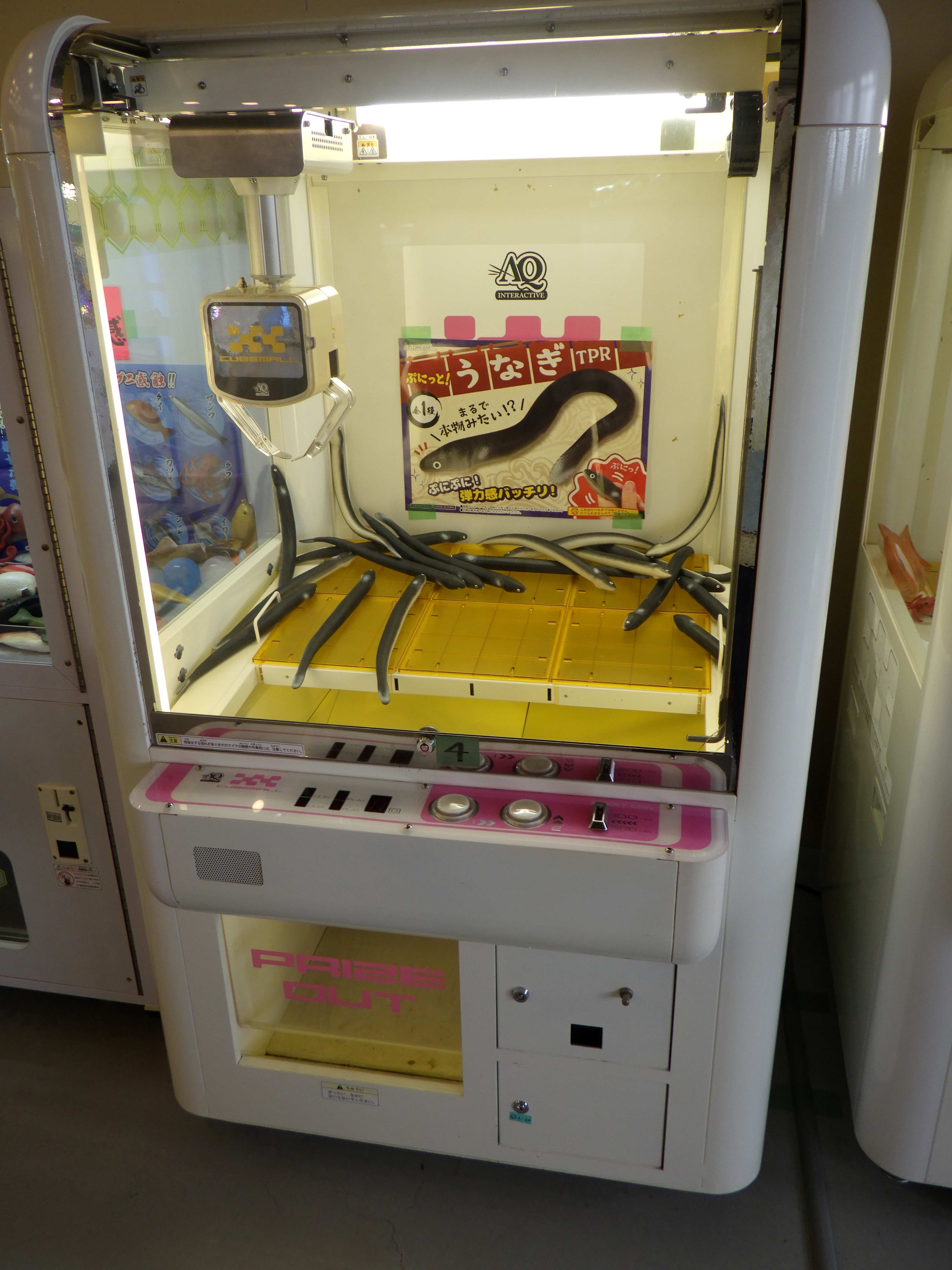
Nearby arcade claw machines amusingly offered tuna, oysters, squid, and even eels as their “catch of the day.”
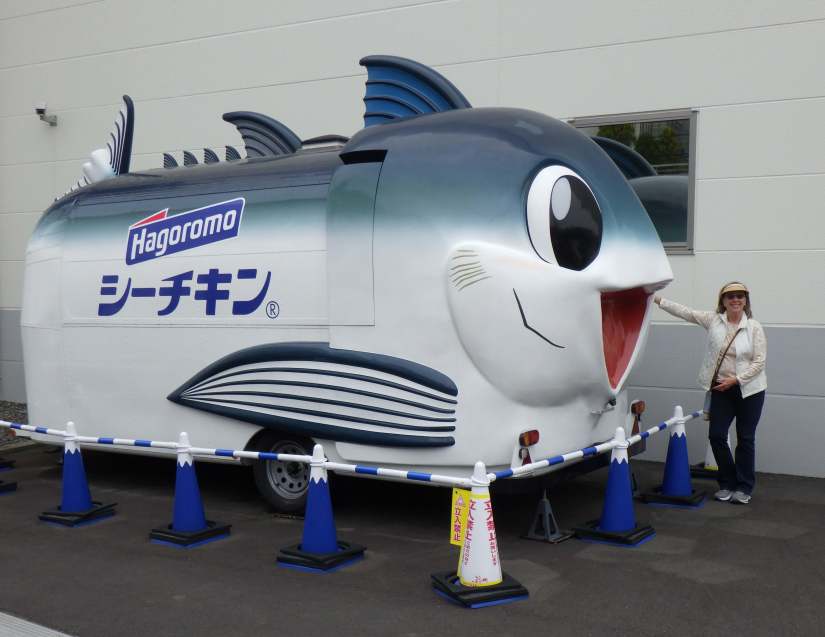
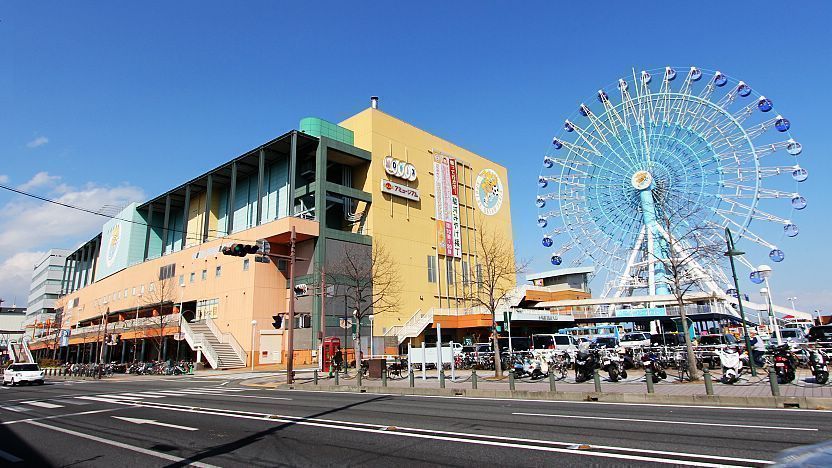
Once we reached the rail station—doubling as a shopping mall—we finally encountered other tourists. Shopping seems to attract visitors like bees. The same held true for the larger harbor front S-Pulse Dream Plaza, where I bought a t-shirt.
Back aboard that evening, we dressed for an extra-special dinner. In the intimate dining room of the Pinnacle Grill, we enjoyed a five-course meal personally prepared by renowned Chef Masaharu Morimoto. It was an extraordinary experience!
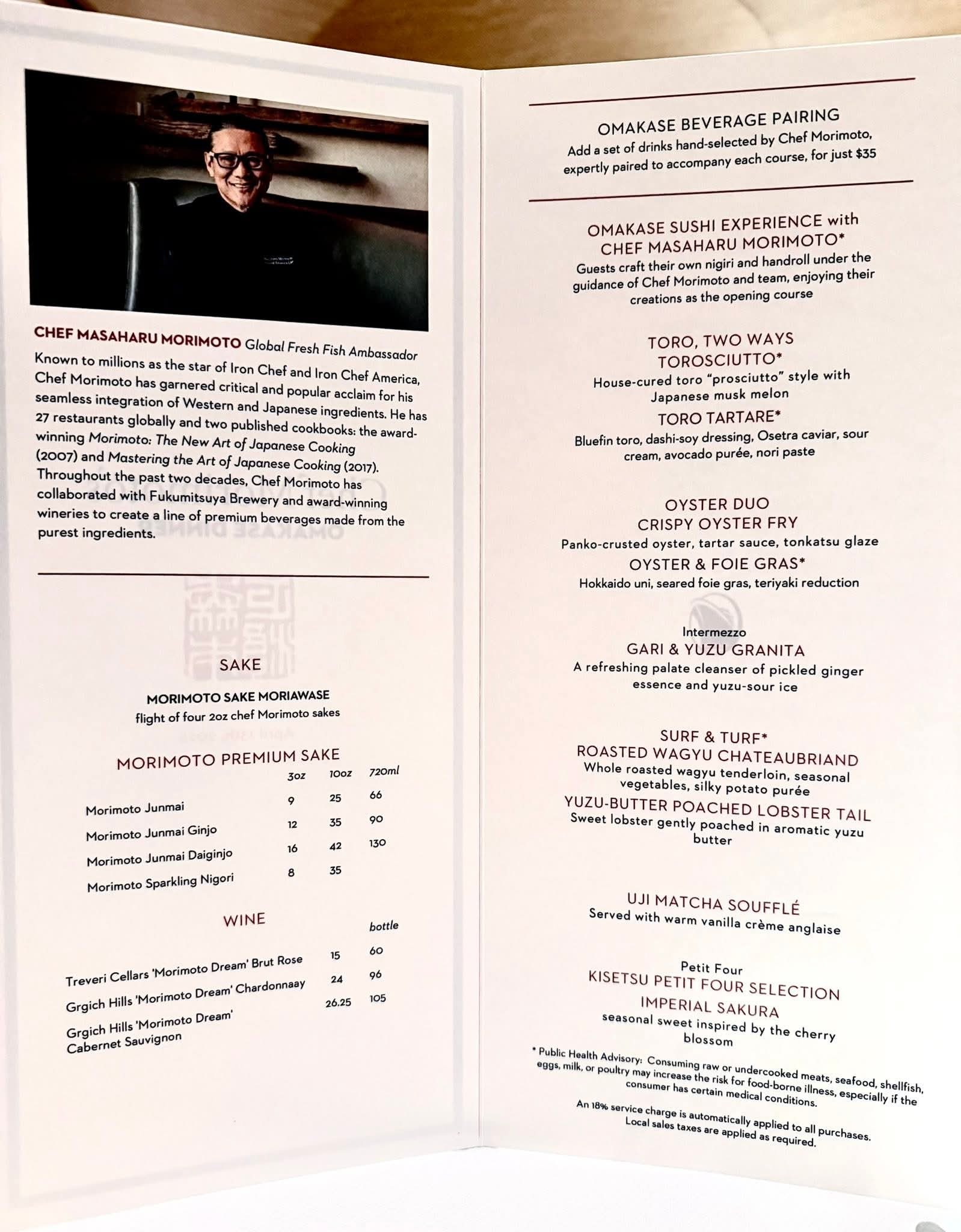
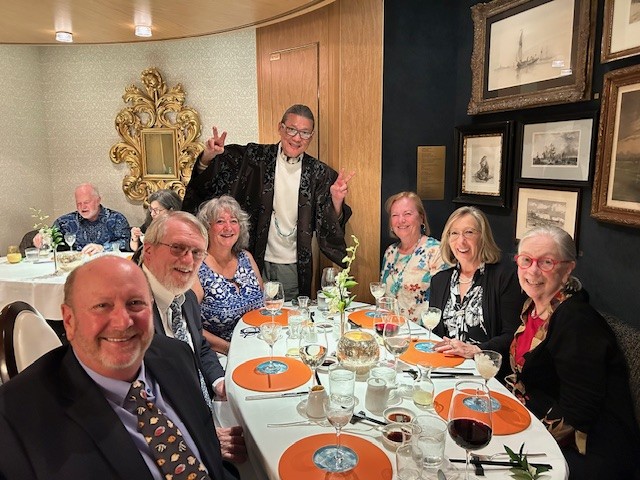
Chef Morimoto, Holland America’s seafood ambassador, had been aboard for several days giving demonstrations, hosting events, and even leading trivia. Quite personable—and clearly busy.
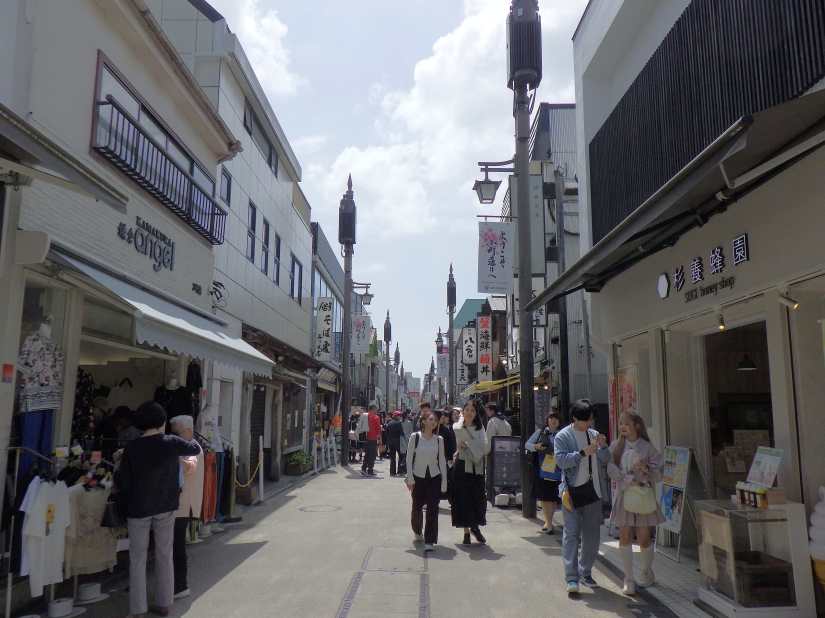
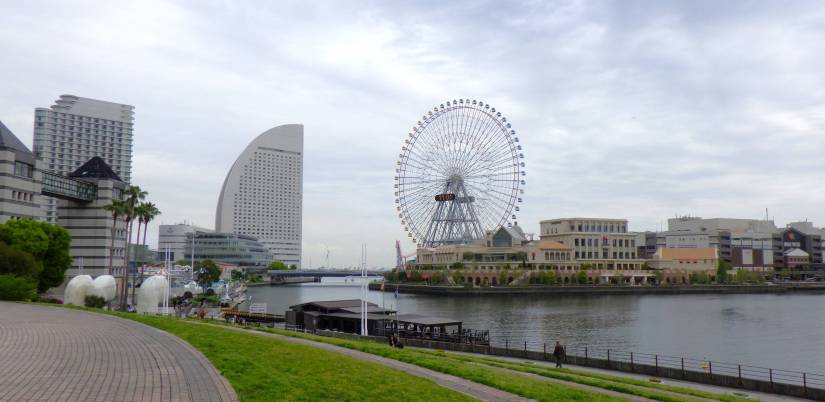
We split our two days in Yokohama visiting the city, as well as a smaller coastal town of Kamakura.
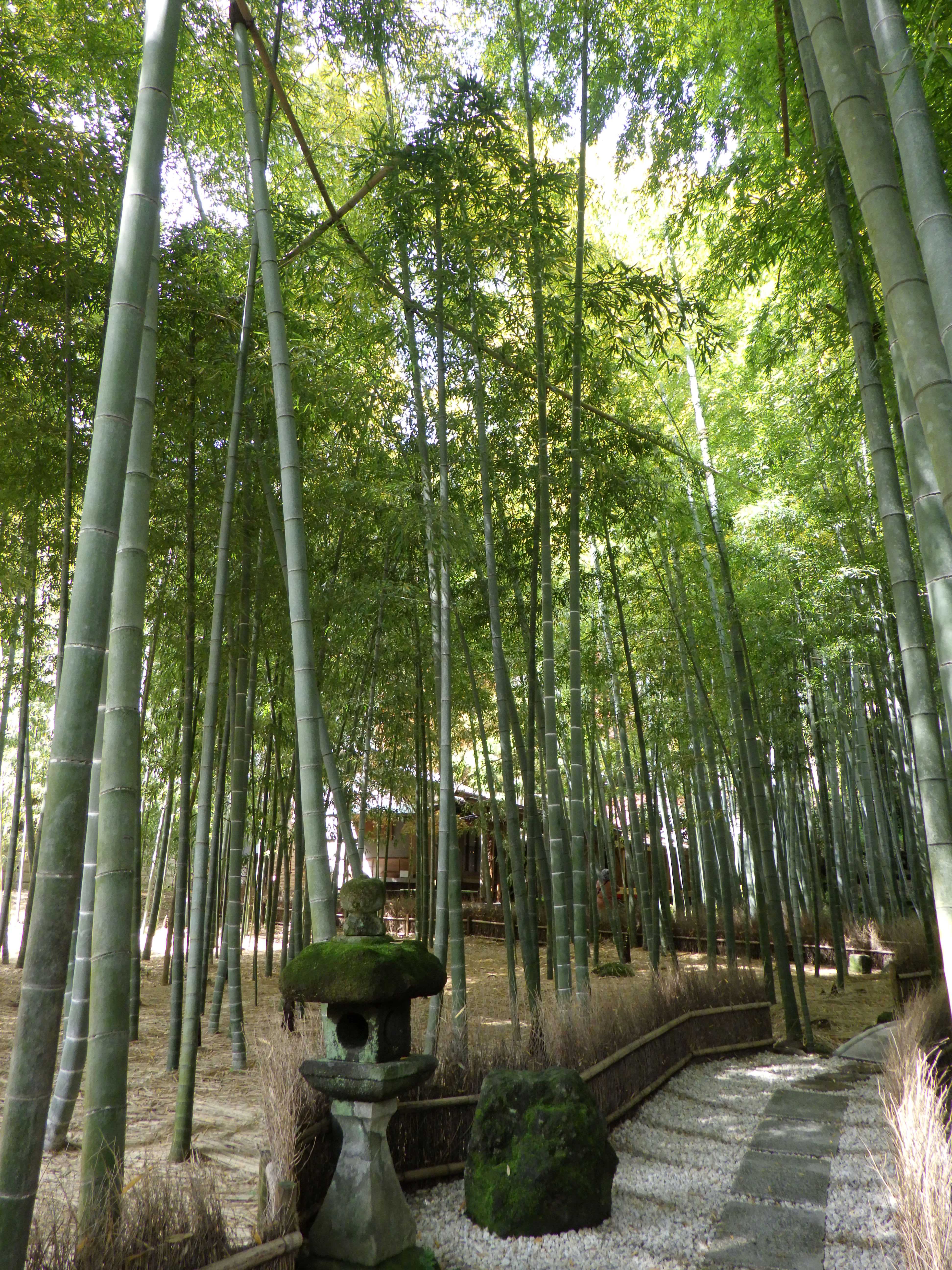
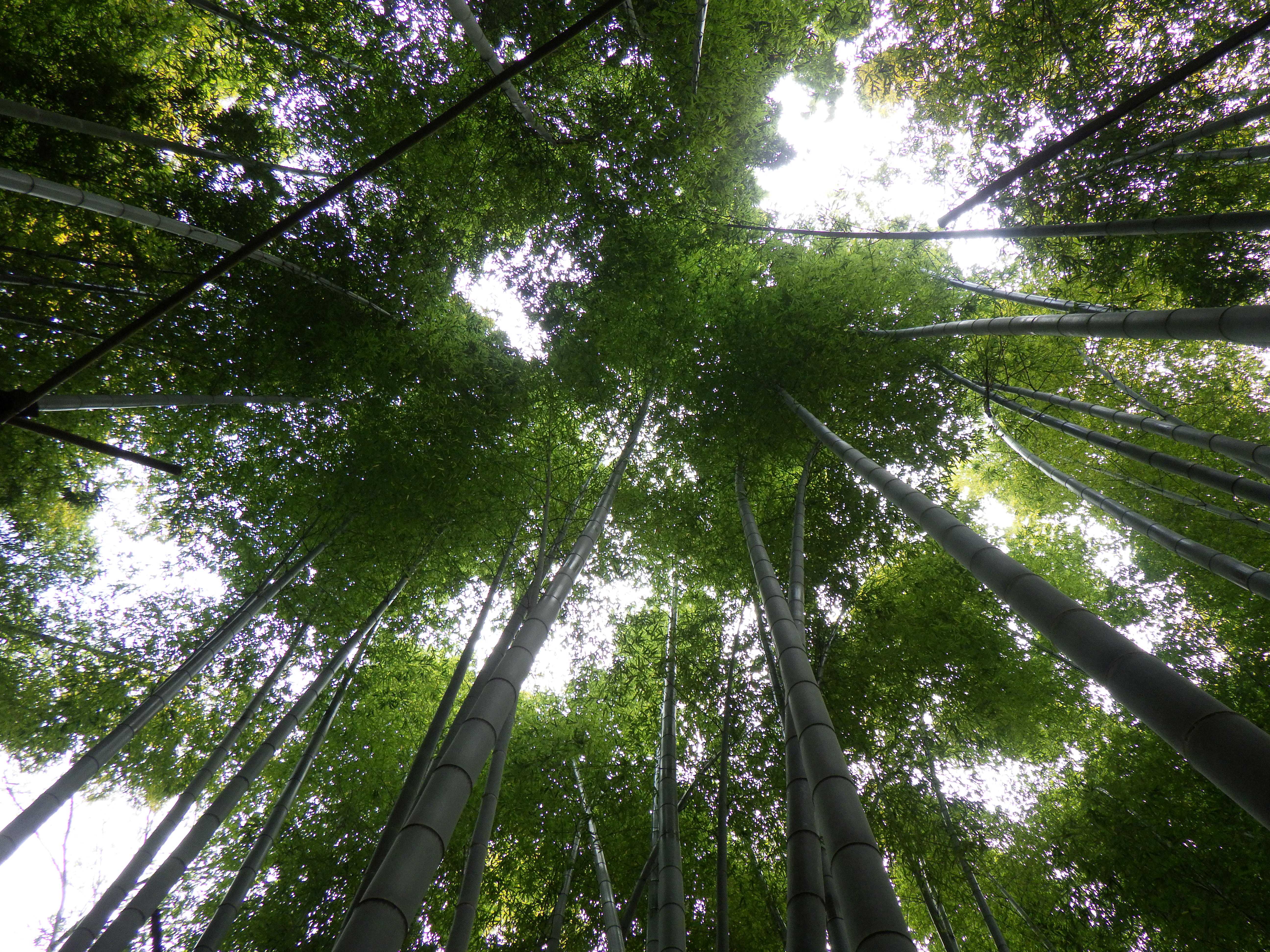
Day 1 – Our friend Jo arranged a six-hour tour to Kamakura, about an hour away. First on the tour, was Hokokuji Temple, nestled within a serene bamboo grove.
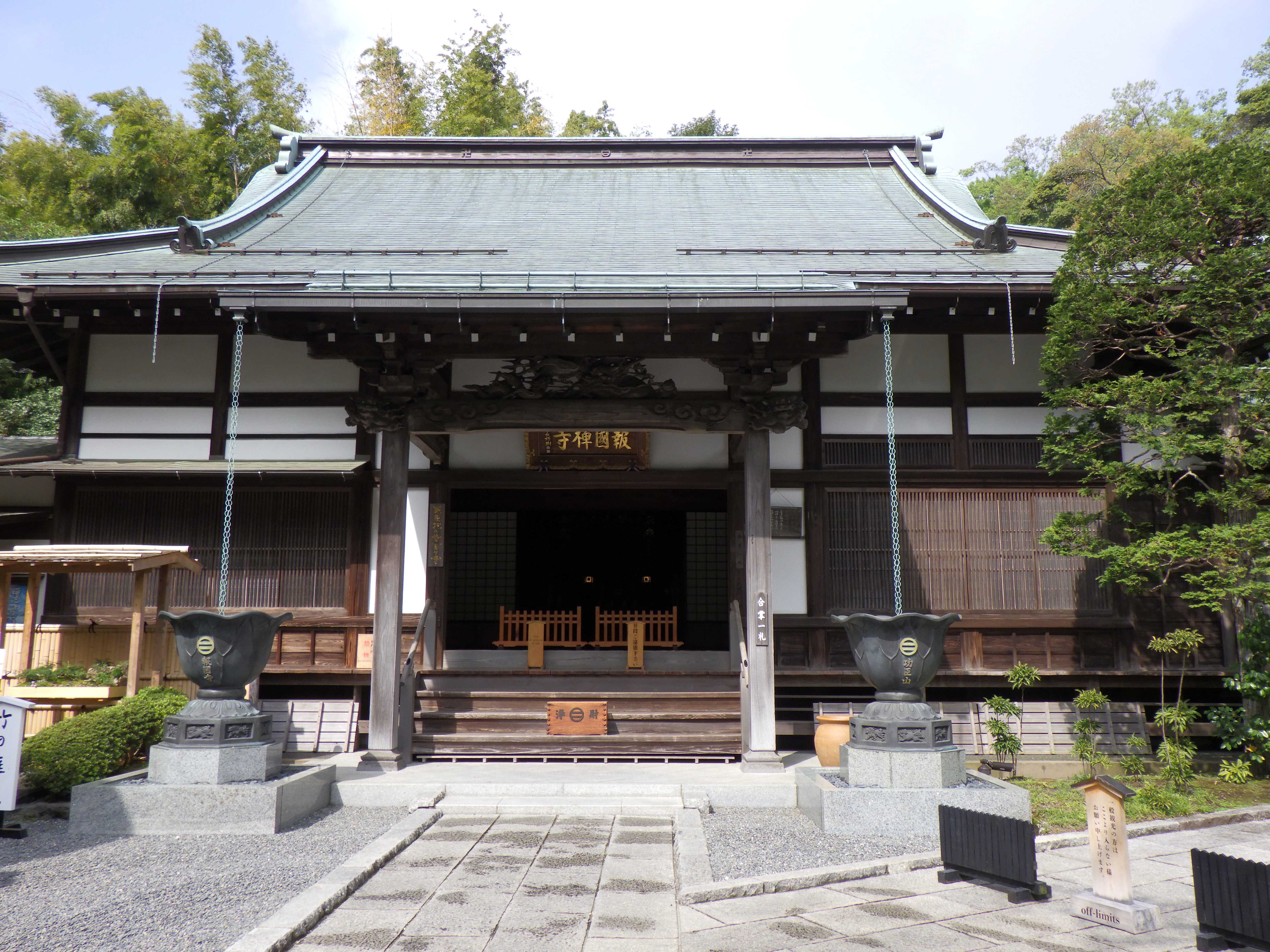
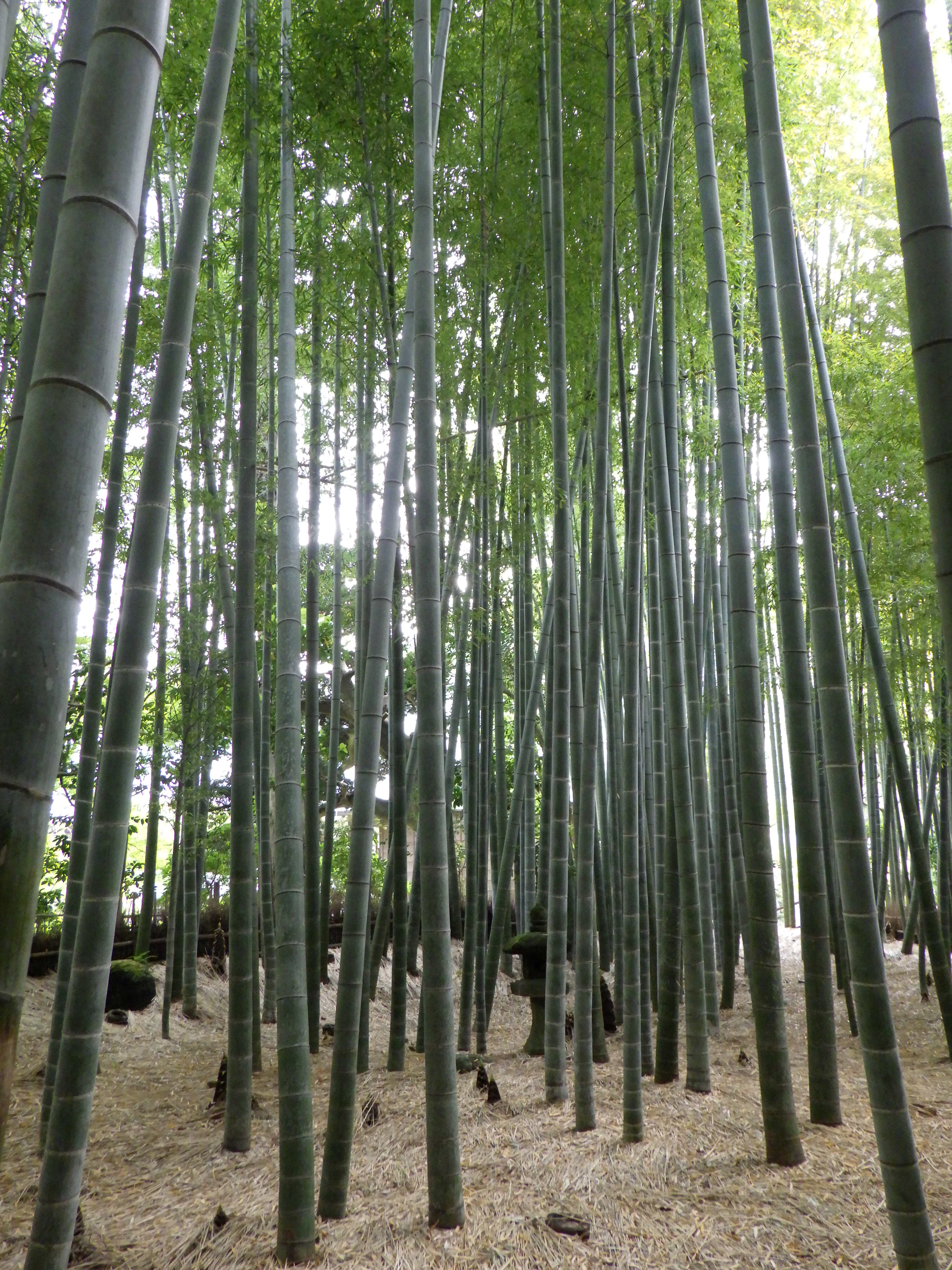
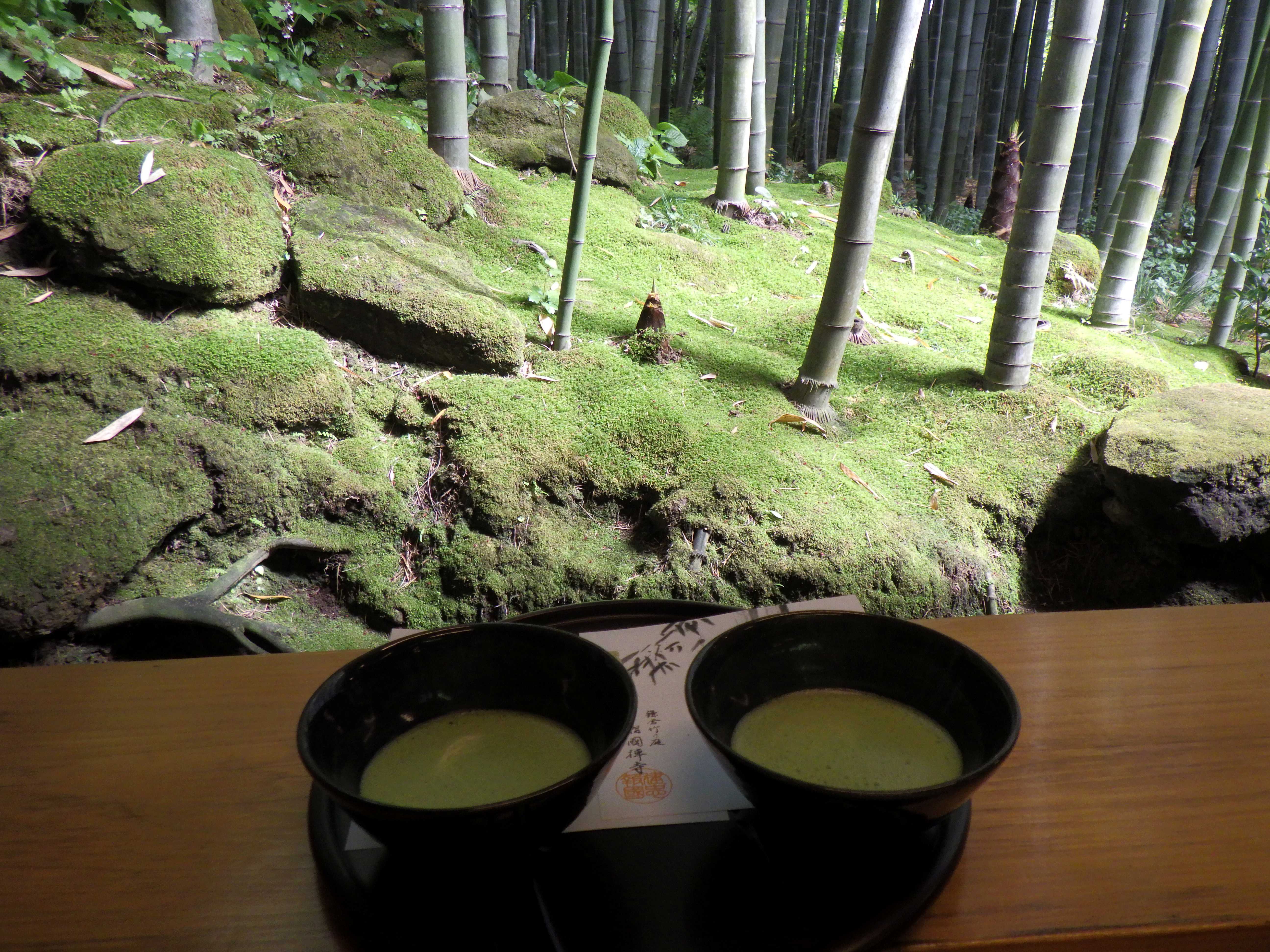
Mossy paths wound past shrines and ponds before leading to a tea house where we enjoyed hot matcha while gazing into the bamboo forest. Very zen!
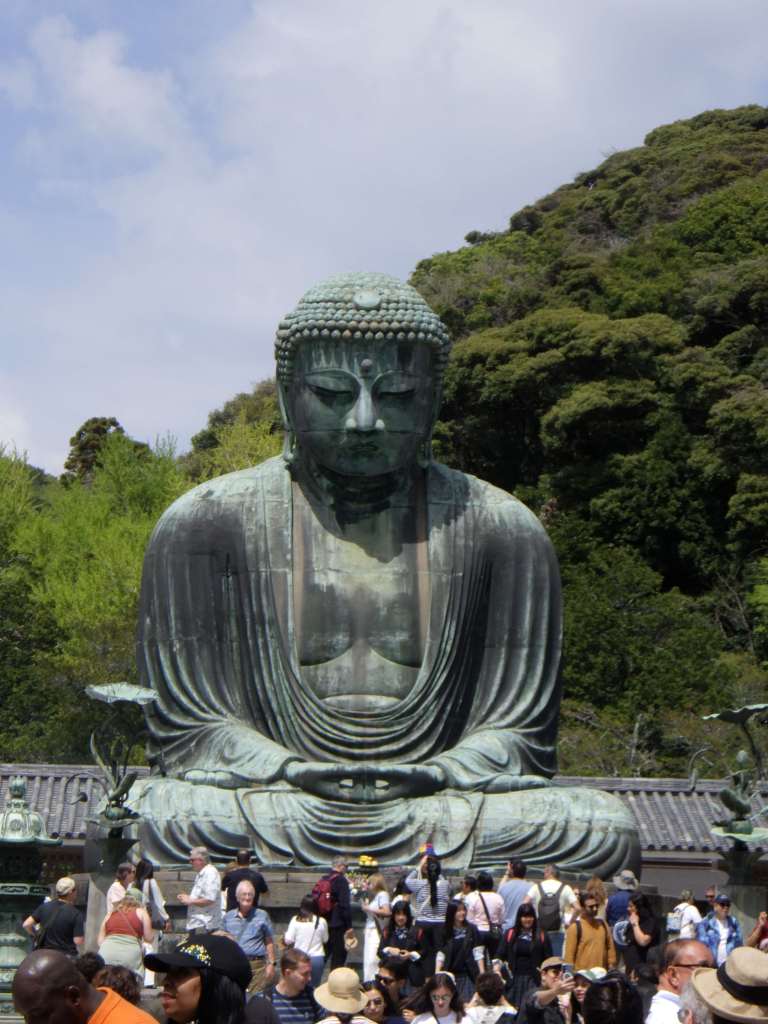
Next came Kotoku-in Temple, home of the Great Buddha of Kamakura—an impressive bronze figure nearly 44 feet tall and weighing about 93 tons.
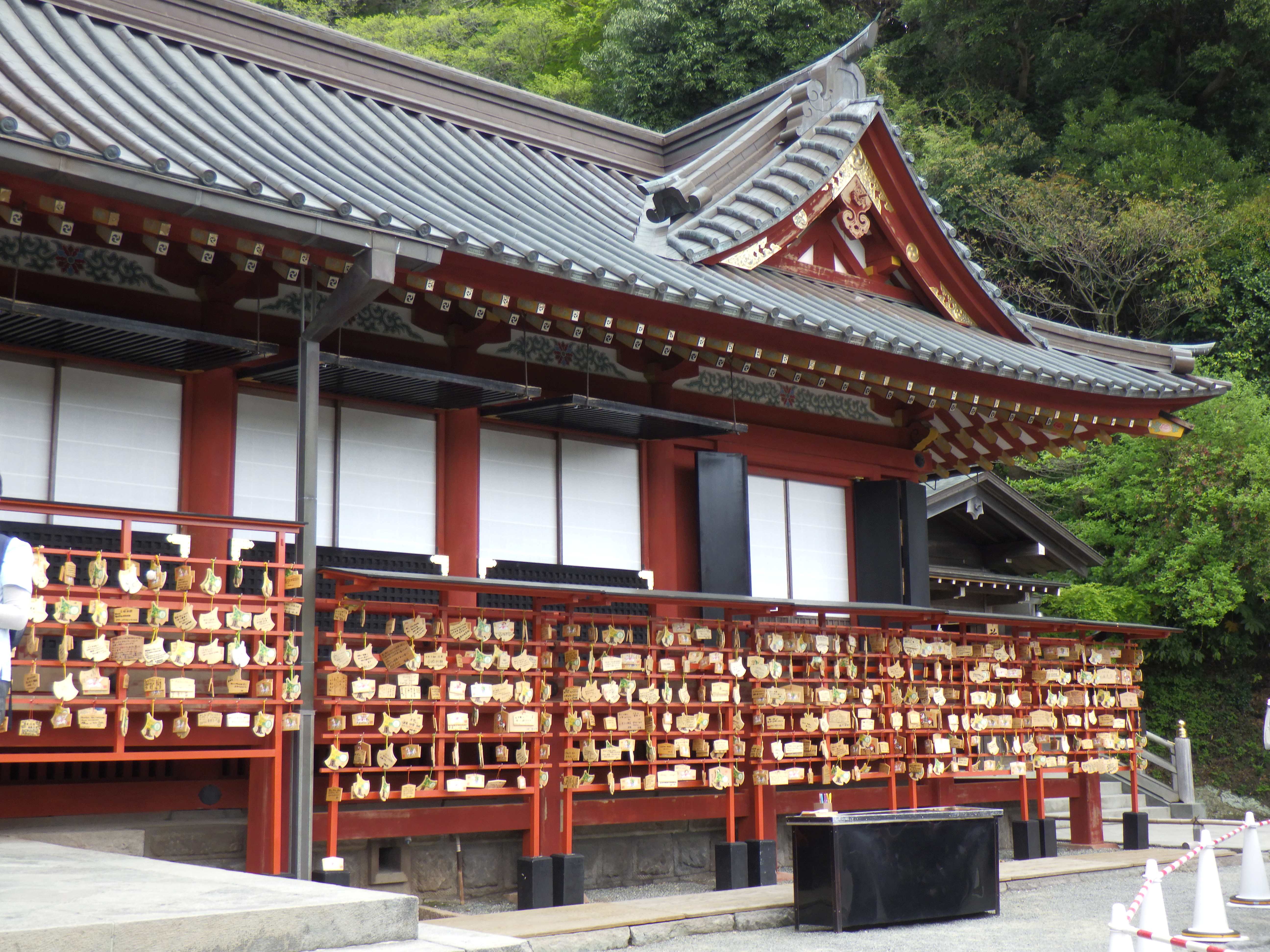
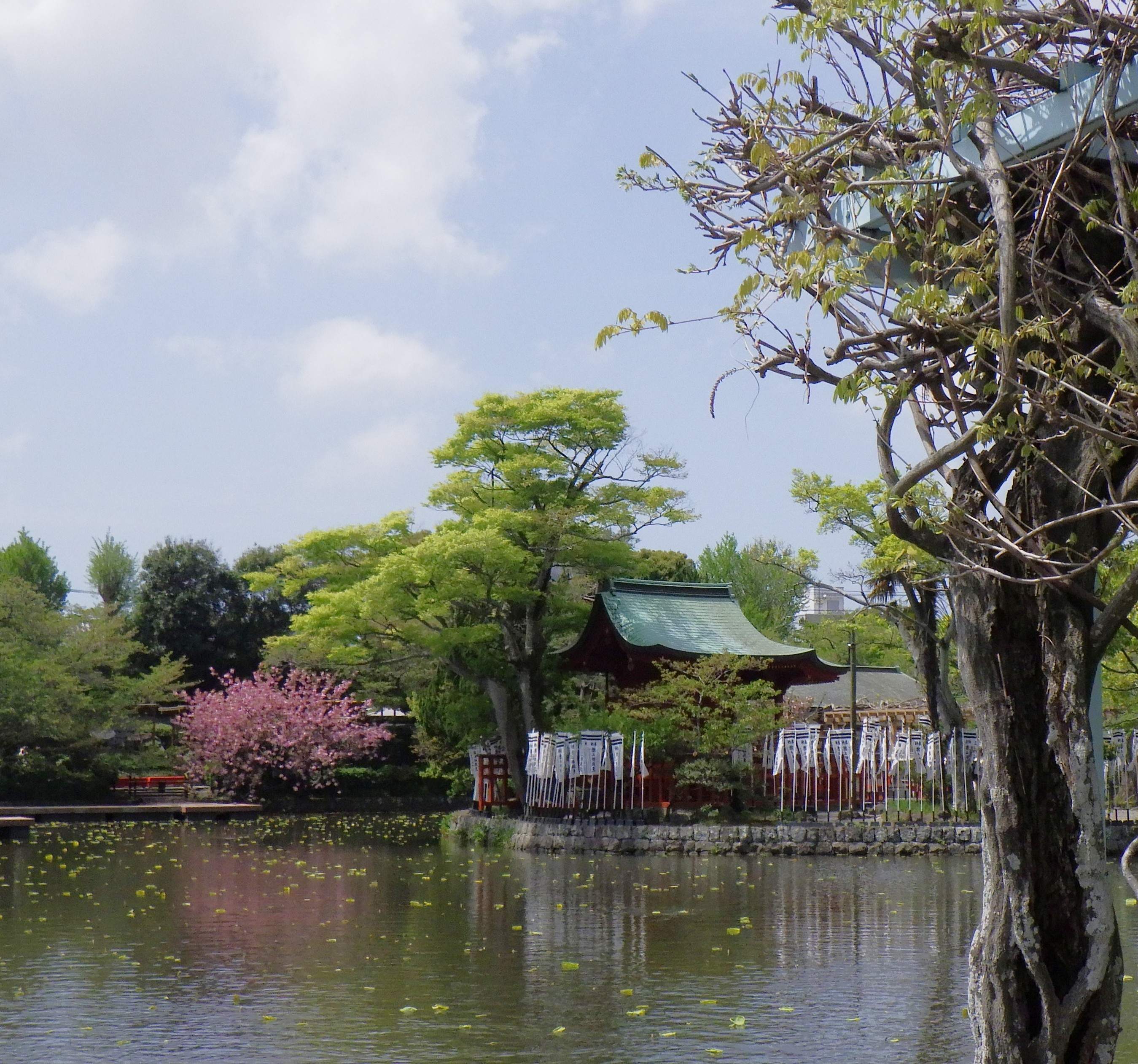
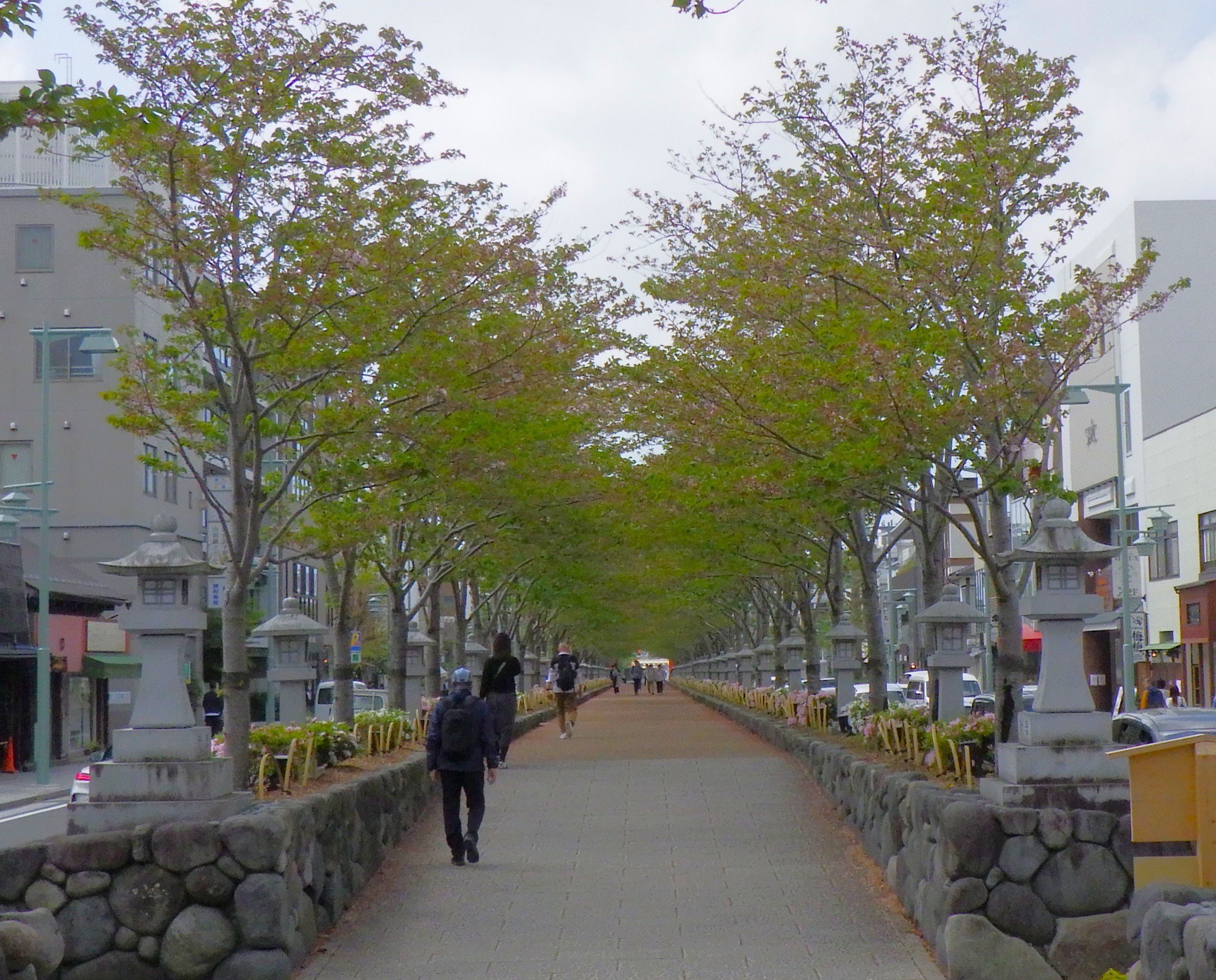
We then visited Tsurugaoka Hachimangu Shrine. This Shinto shrine is reached by a long, straight pedestrian pathway from the Kamakura waterfront through the city center, lined with several hundred cherry trees. Flanked by gardens and ponds, the grounds were as spectacular as the Shrine itself.
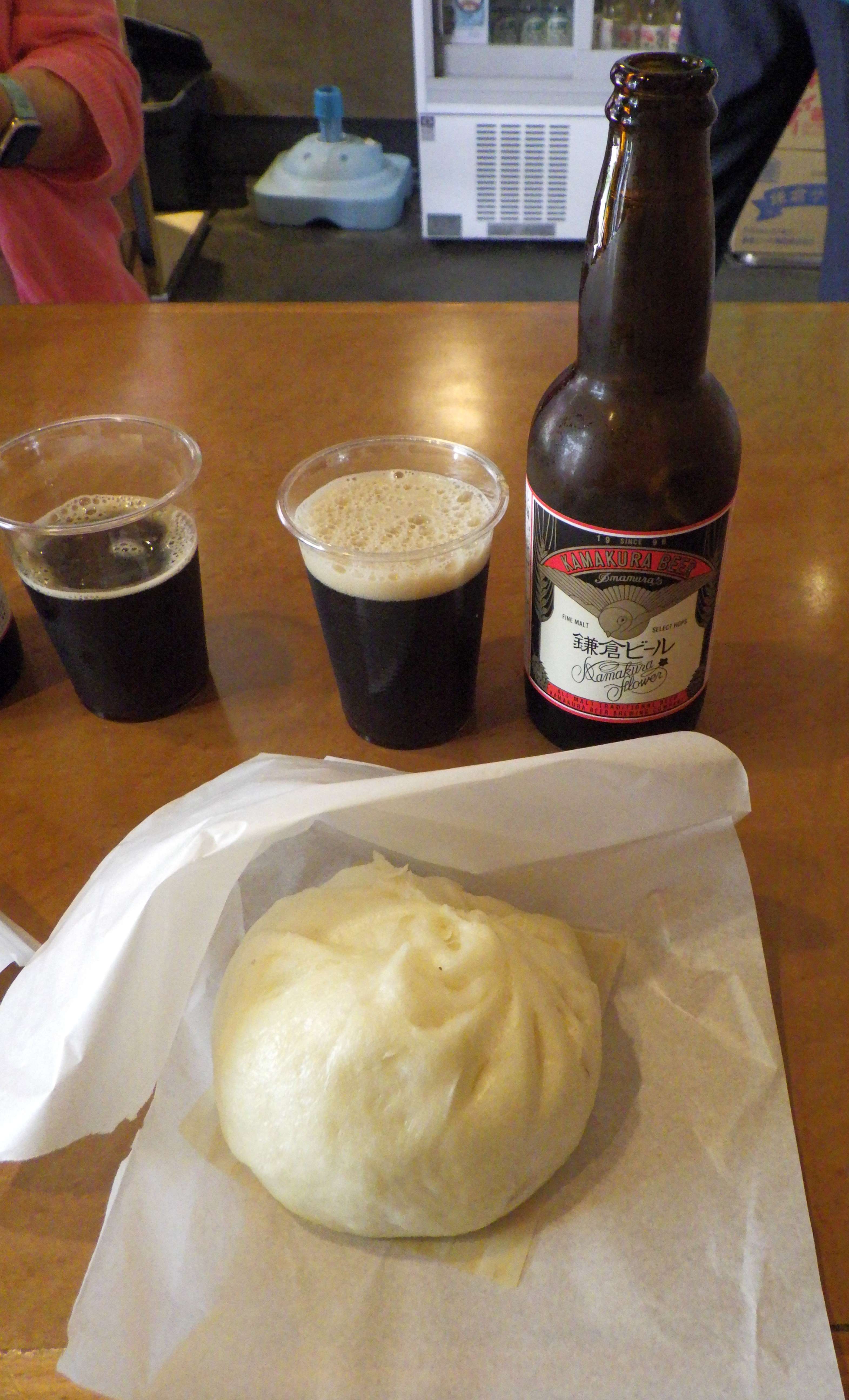
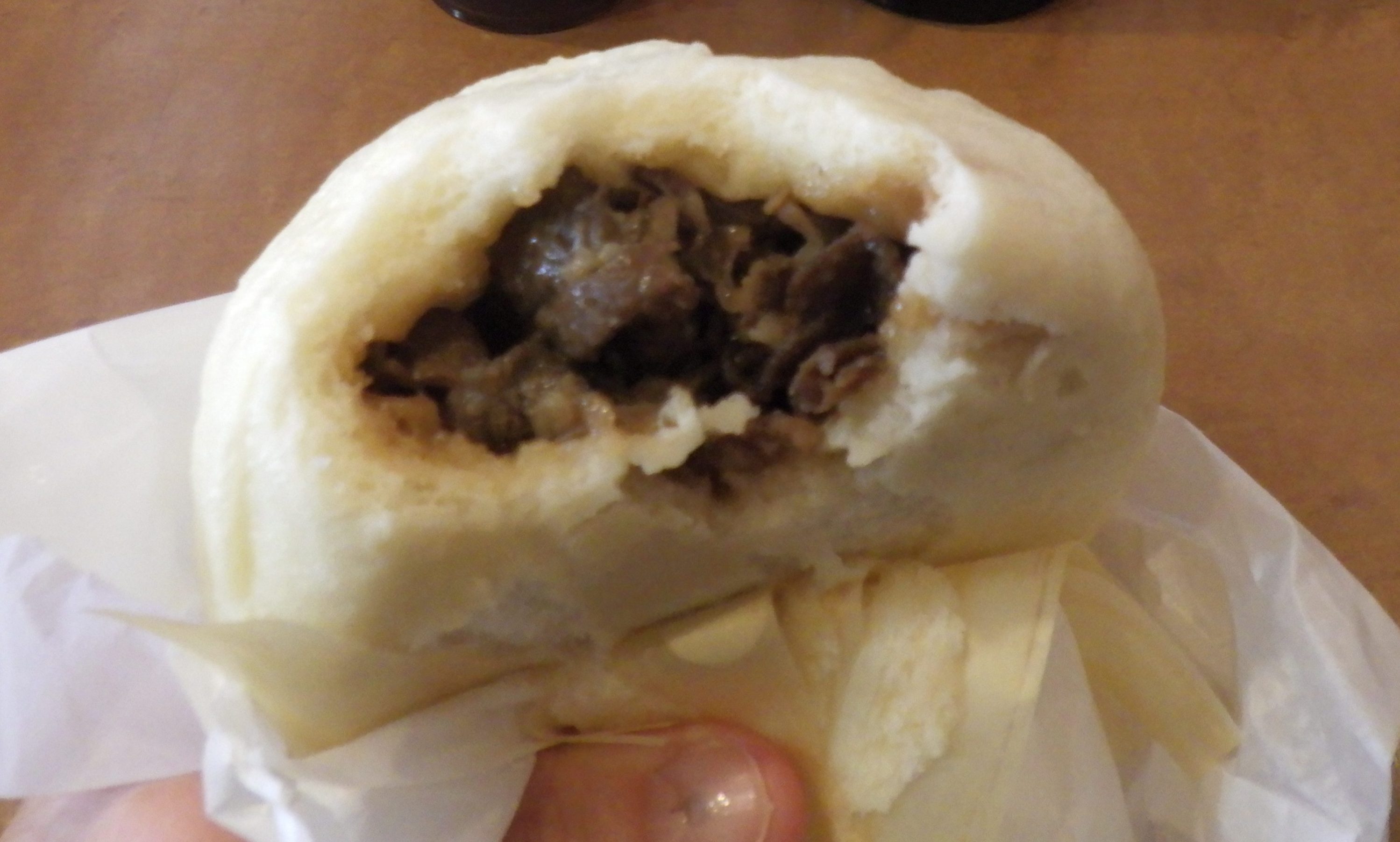
For lunch in town, we all enjoyed the local favorite snack called nikuman. These steamed white buns are soft, hot and filled with various fillings. Most popular here are pork, whitebait fish, beans or wagyu beef. We ordered wagyu beef, shitake and onion. Delicious! Thanks Jo, for a great day!
Day 2 – Our five-hour walking itinerary covered the waterfront, historic landmarks, and nearby parks. Yokohama felt green, clean, and remarkably dog-friendly—more dogs in strollers than we’ve ever seen.
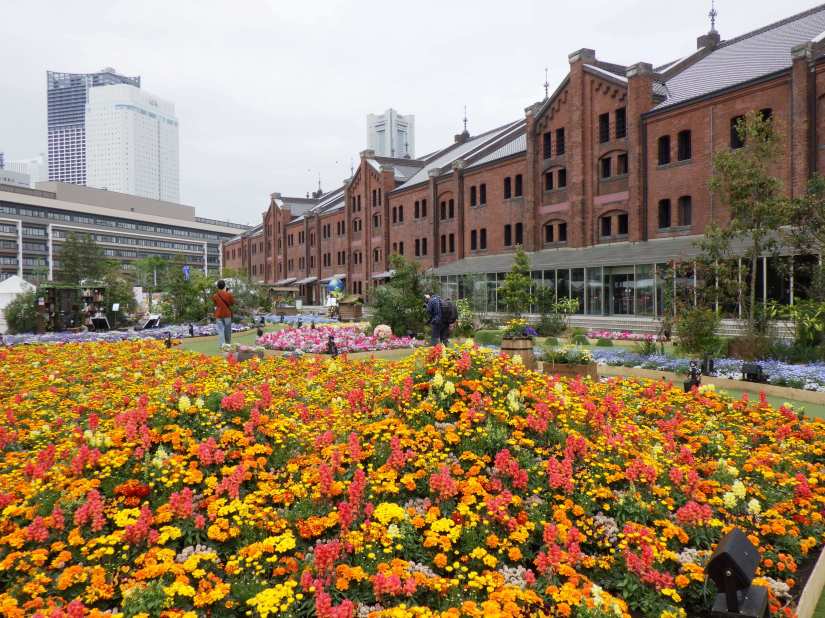
We began at the historic Yokohama Red Brick Warehouse, now repurposed with shops and restaurants, and hosting its annual flower festival with thousands of blooms on display.
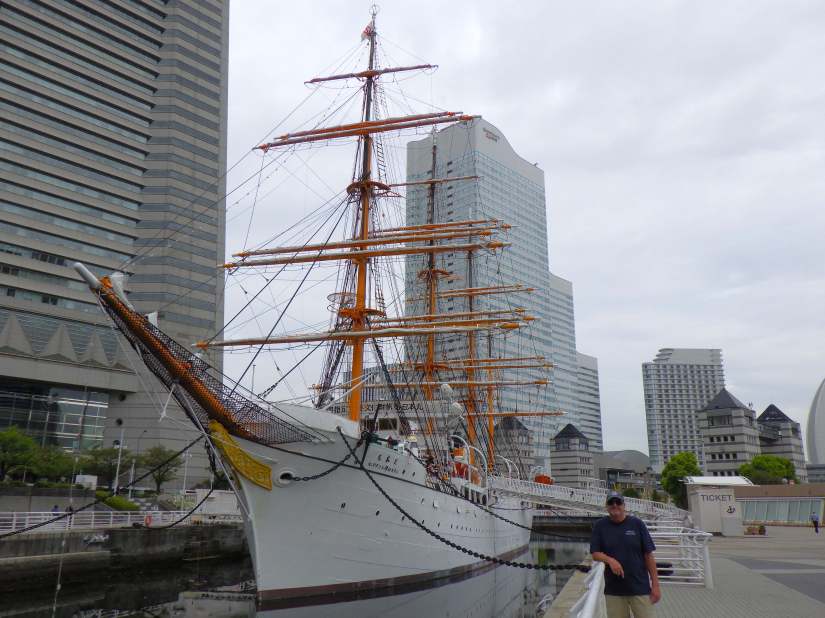
From there, we walked the harbor promenade and crossed the Megami-bashi Bridge to the Yokohama Port Museum, where we toured the magnificent 318-foot Nippon Maru. The 4-masted barque was built by Kawasaki Shipbuilding Corporation and launched in 1930. It served as a training ship for cadets of Japan’s merchant marine until its retirement in 1984.
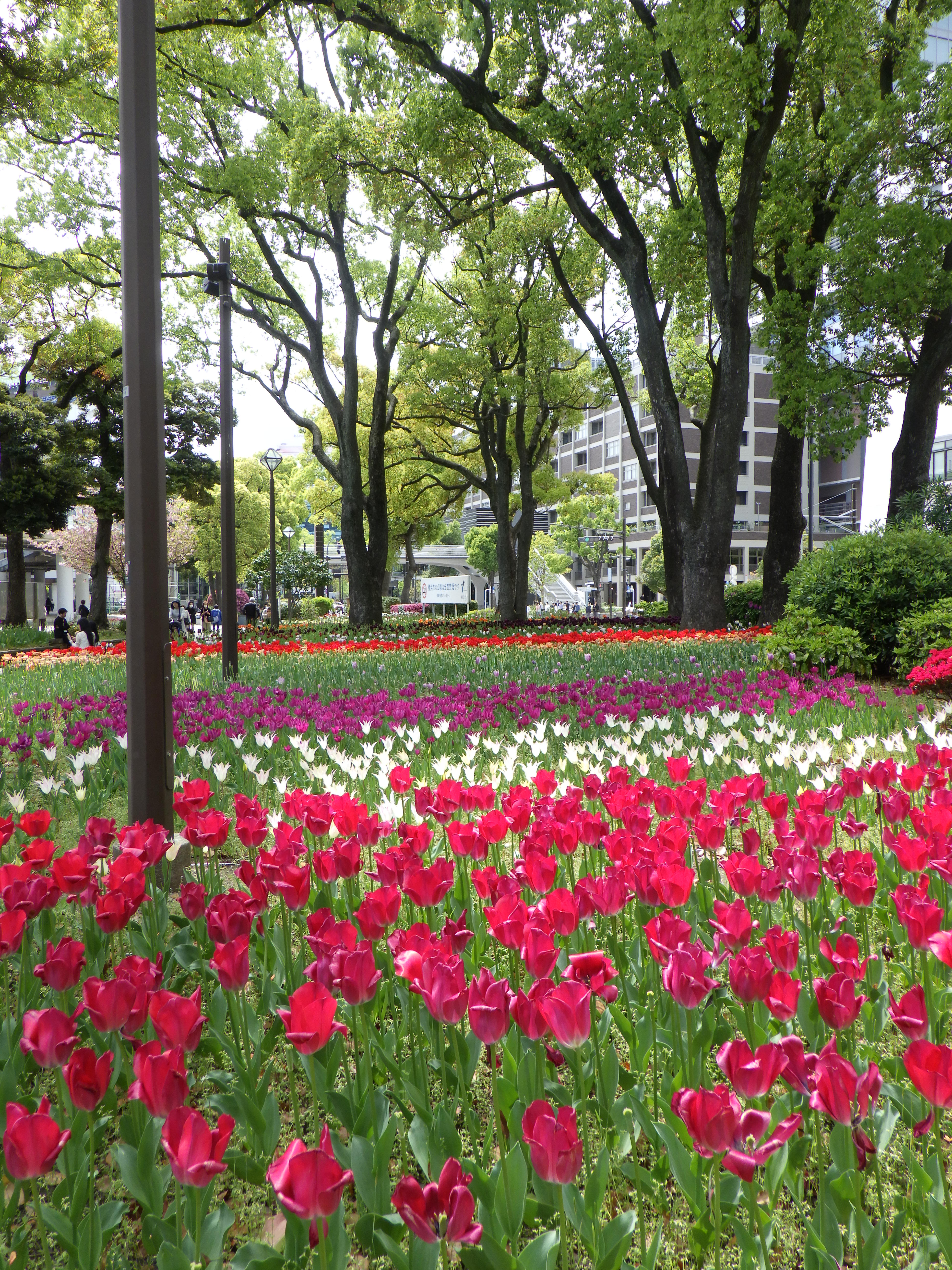
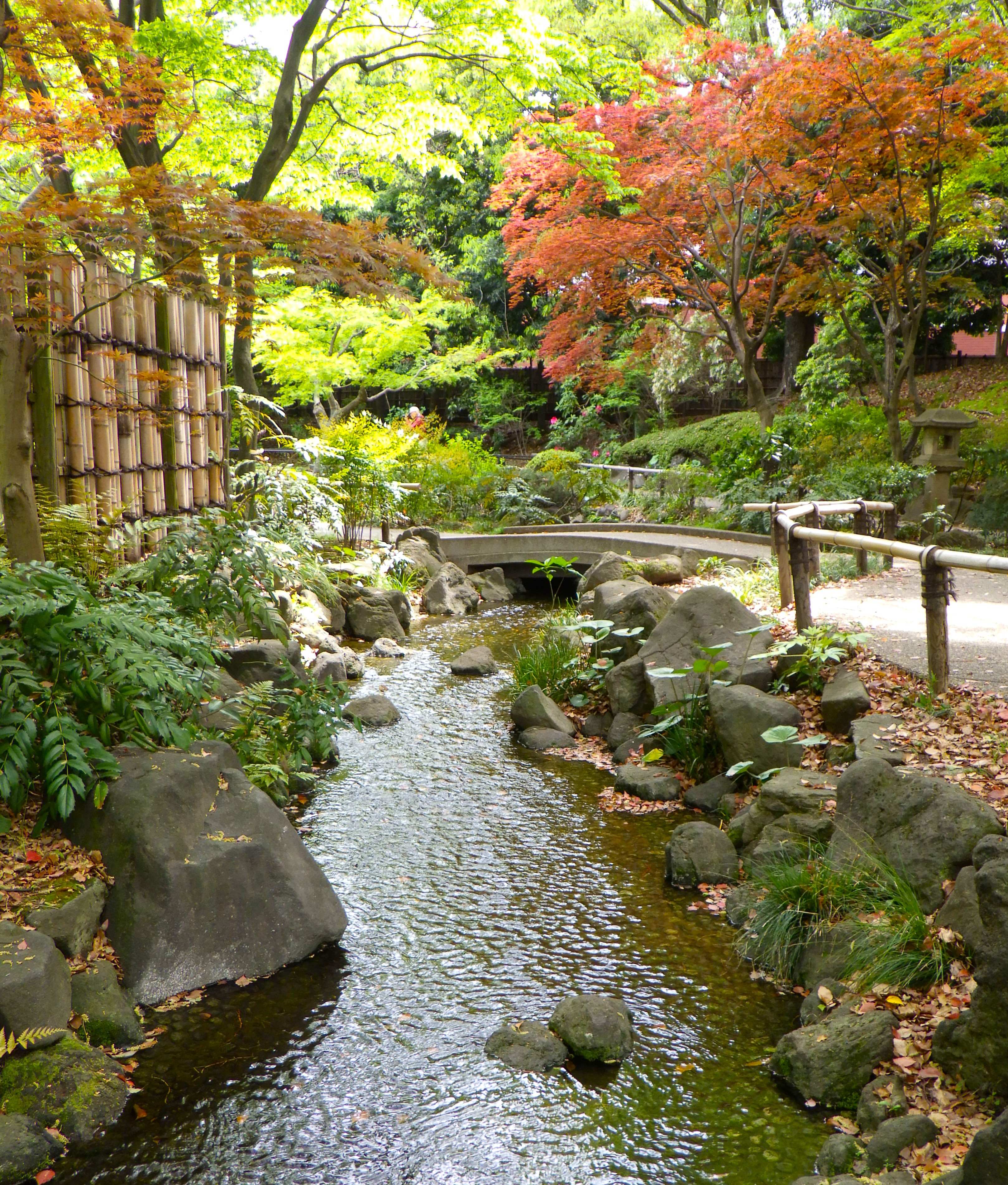
We later relaxed in Yokohama Park, with its fountains, streams and wide lawns. But the main attraction this time of year was its spectacular display of roughly 140,000 tulips in bloom.
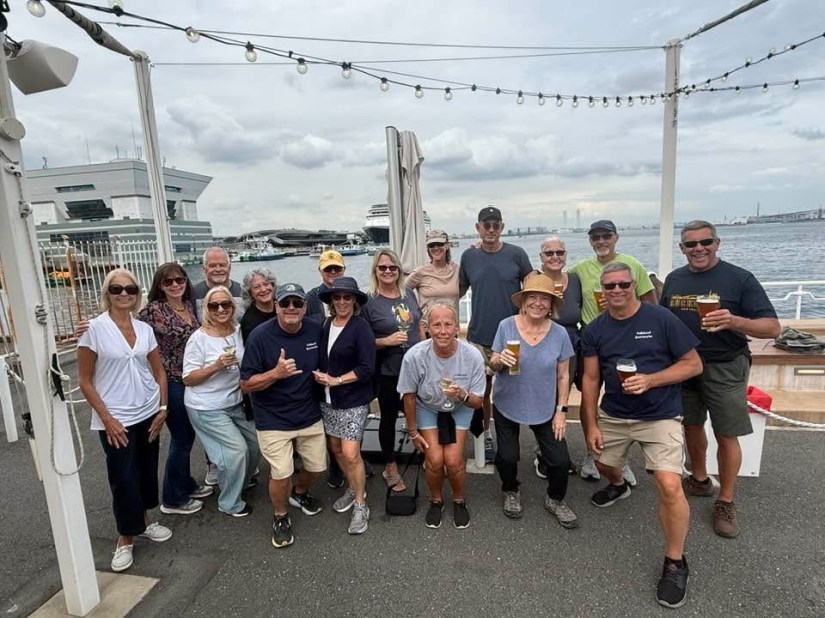
The real highlight of the day, however, was an unexpected reunion with another cruising couple who happened to arrive in Yokohama. Once word got out, many of us gathered at the waterfront for a joyful reunion.
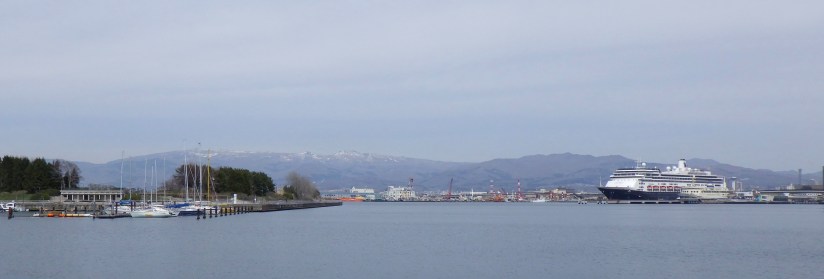
Snow-capped mountains greeted us in Hakodate on a cool, cloudy day. This coastal city is known for outstanding seafood, and its famous morning market did not disappoint.
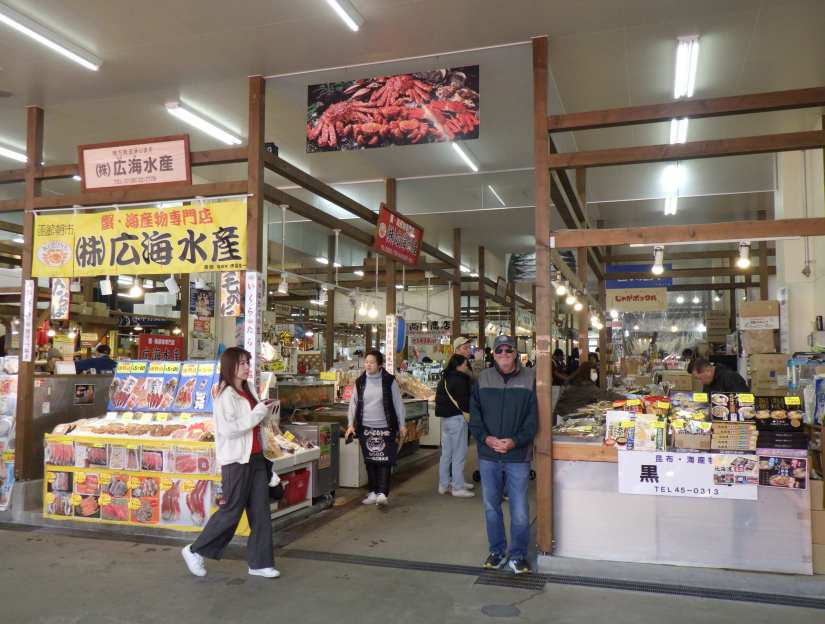
Spread across four city blocks, roughly 250 stalls loudly advertised fresh squid, sea urchin, roe, shellfish, and fish. Buy it from the tank, and they’ll cook it on the spot. Colorful, noisy, aromatic—and wonderful.
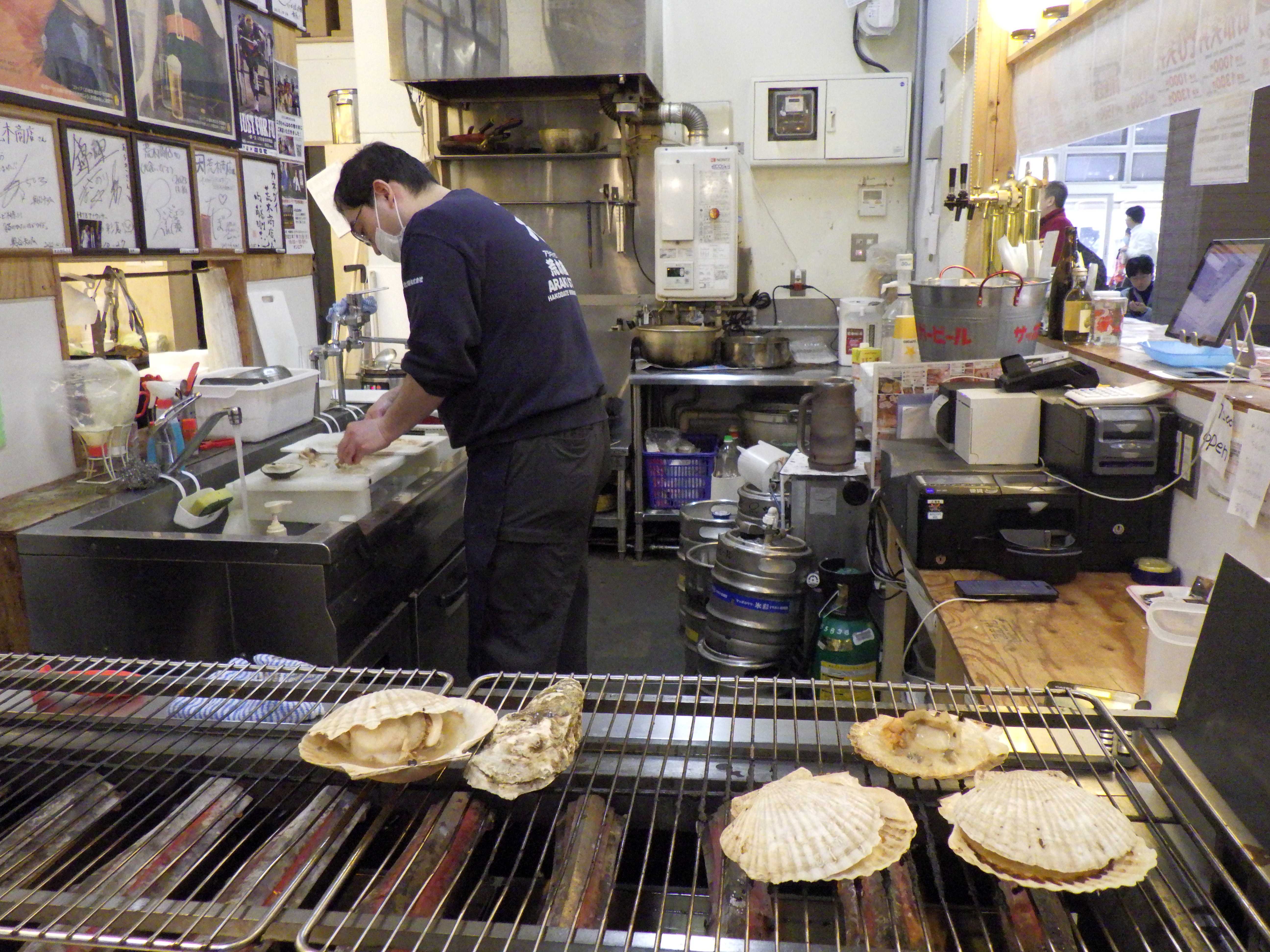
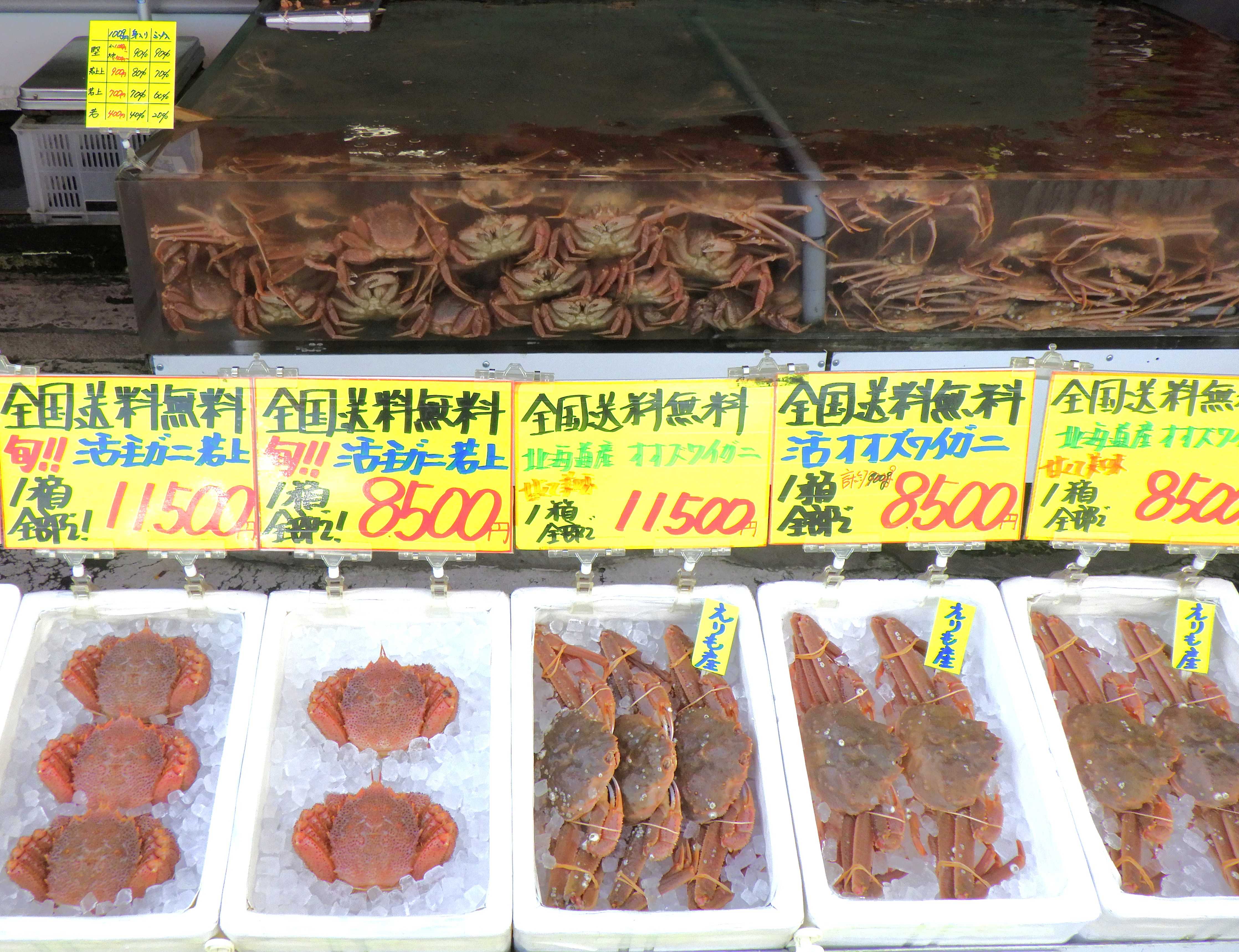
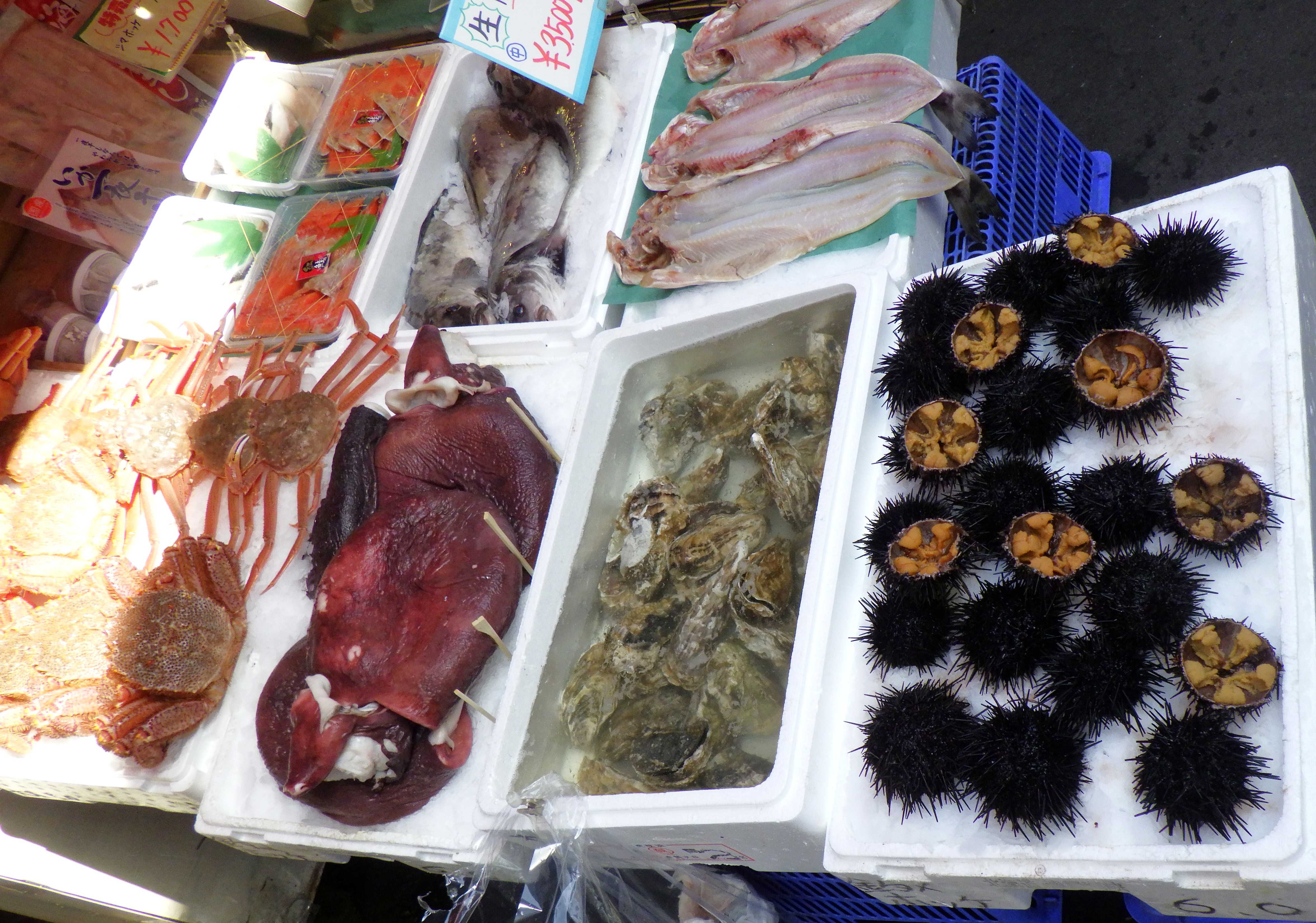
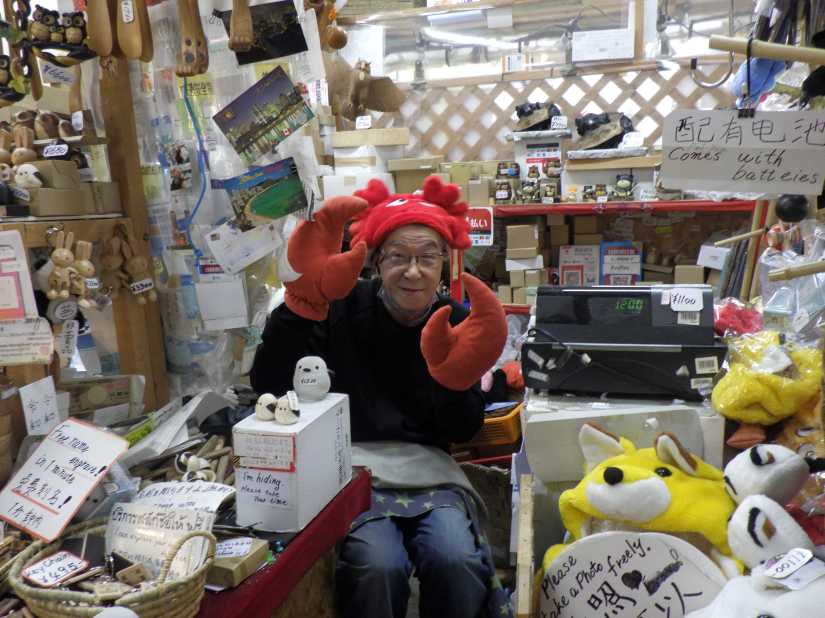
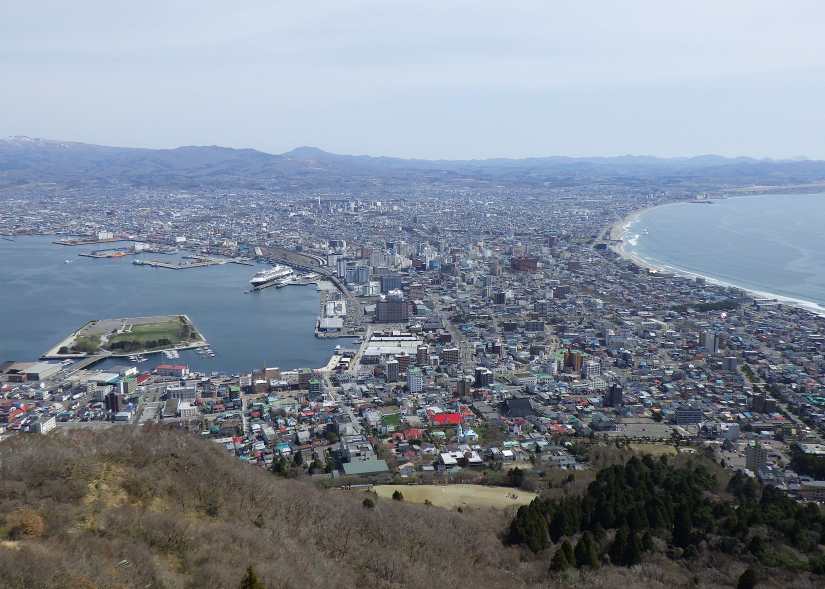
For panoramic views, we rode the cable car to the summit of Mount Hakodate, about 1,100 feet high. Looking west, we joked this might be the closest we’d ever get to Russia—still some 350 miles away.
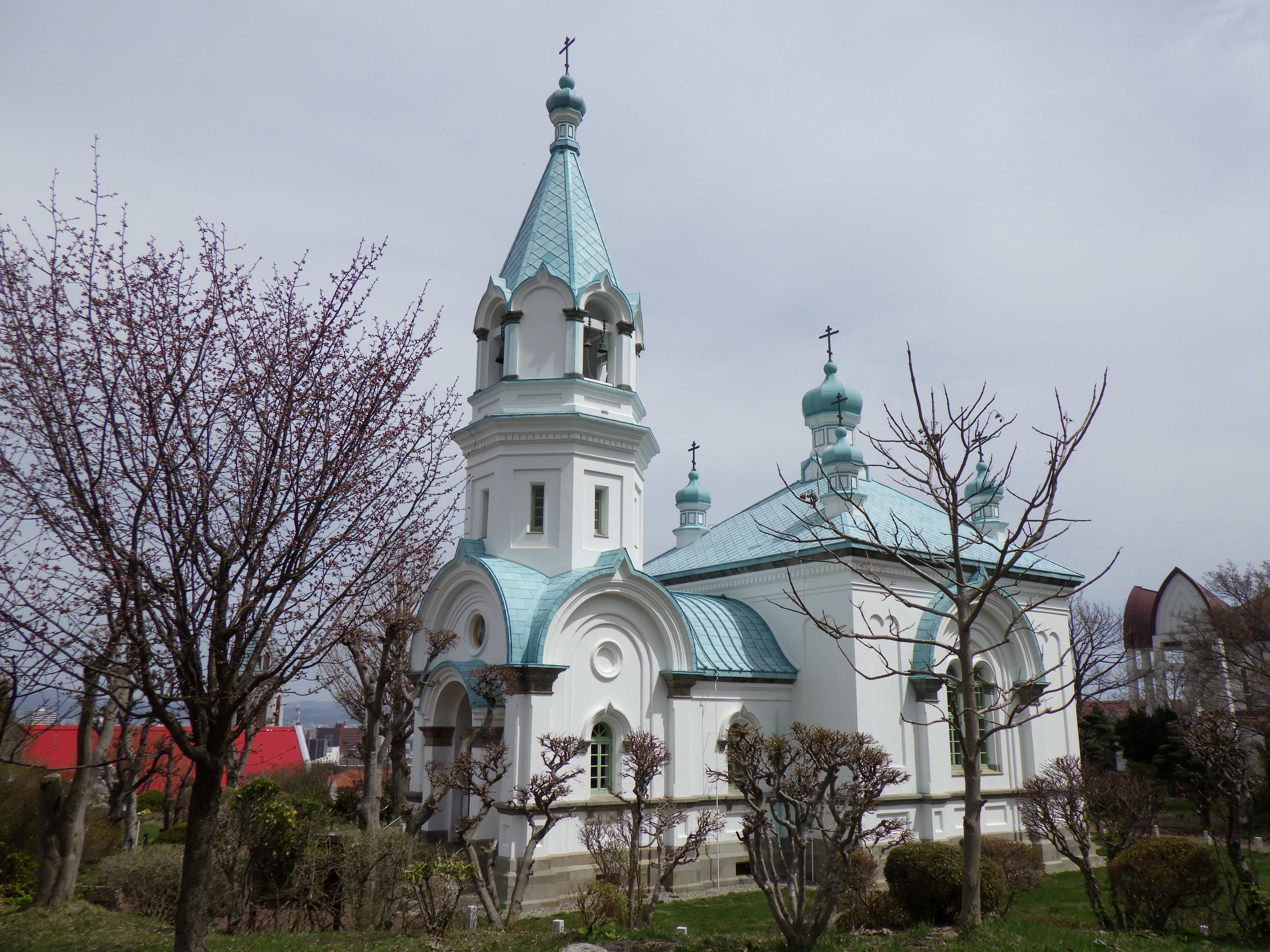
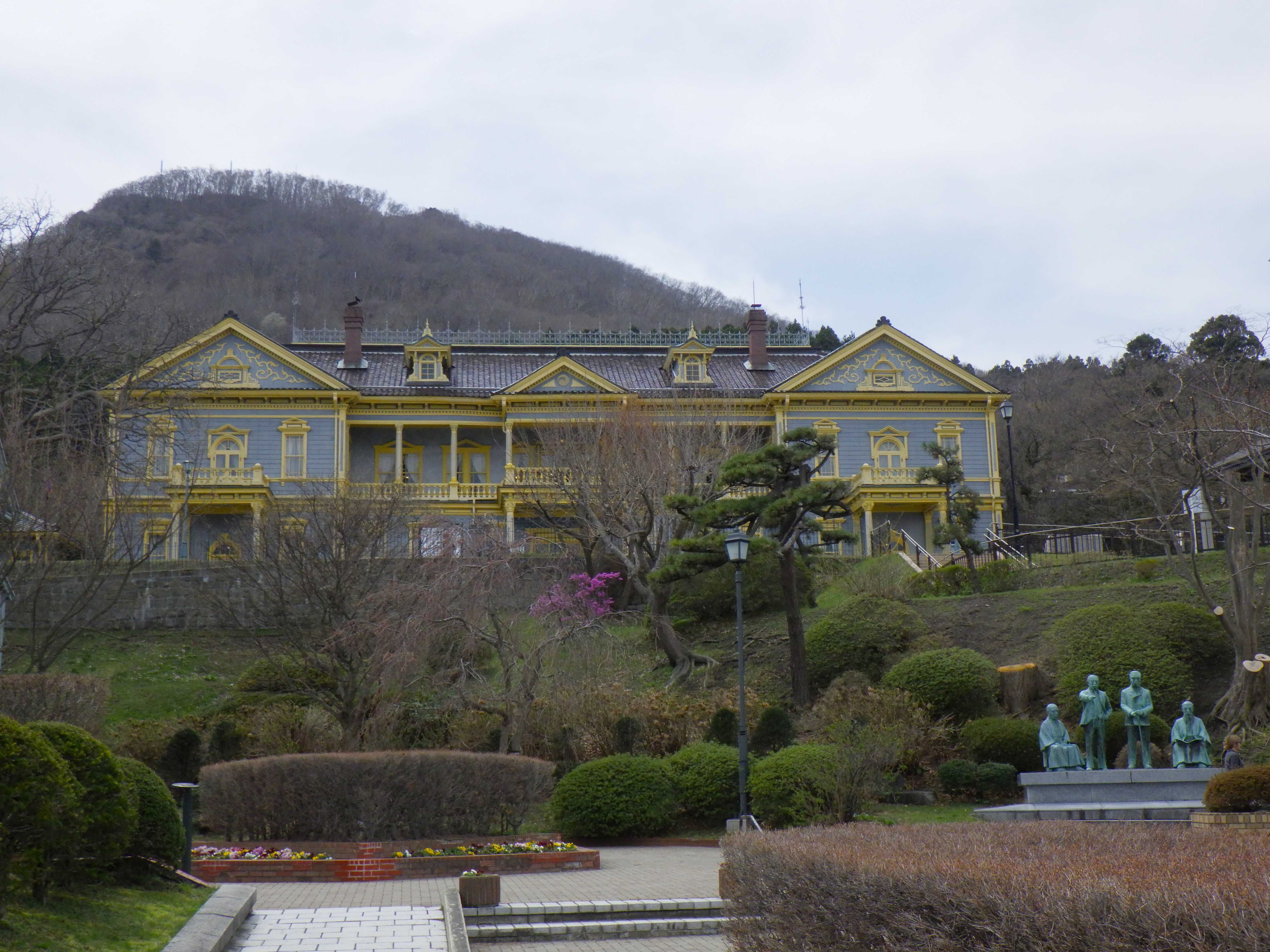
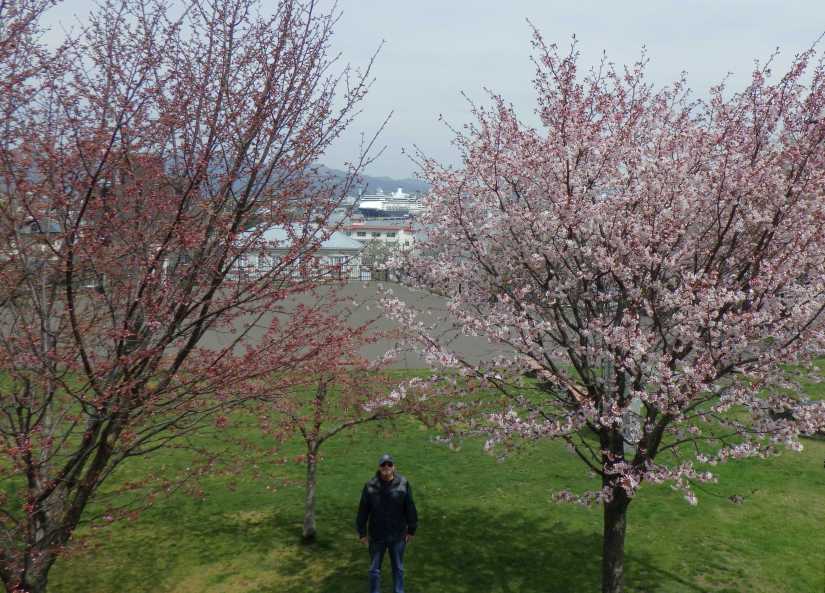
In the historic district, we found the Old Public Hall of Hakodate Ward, beautiful churches, shrines, and a few cherry trees just beginning to bloom.
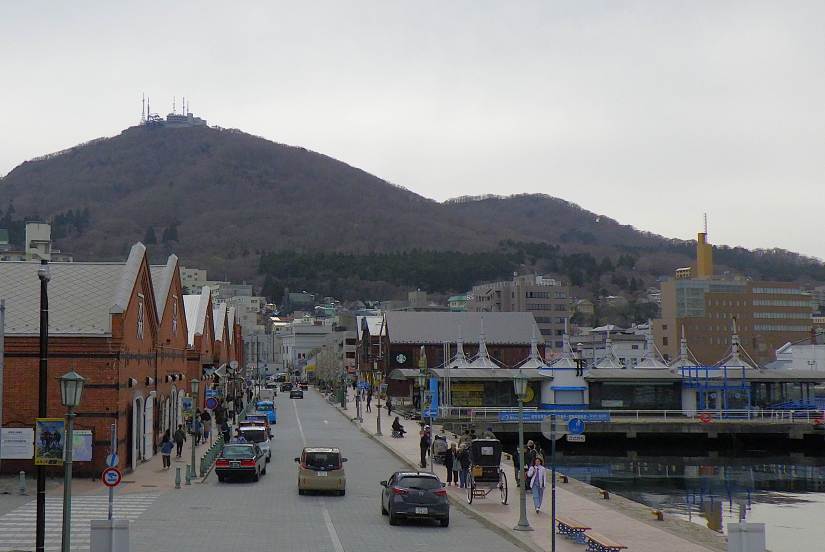
On the harbor front, Kanemori Red Brick Warehouses offered restaurants, boutiques, and shops in restored warehouse buildings—an ideal lunch stop. But after ten days of Japanese food, another couple and we found ourselves craving pizza, and happily discovered a cozy Italian restaurant we had entirely to ourselves.
As our eleven days in Japan came to a close, we found ourselves reflecting on how much we love this remarkable country. Everywhere we traveled, the cities and towns felt exceptionally clean and well cared for, with an obvious pride in public spaces and everyday surroundings. Parks and gardens were beautifully maintained, offering peaceful places of quiet beauty in the midst of busy urban life.
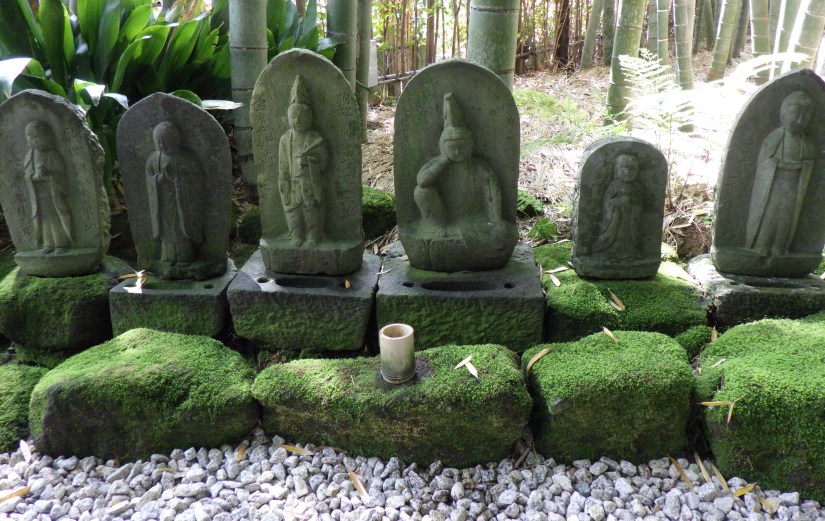
Just as memorable was the graciousness of the Japanese people. There was a warmth and thoughtfulness that seemed woven into daily life. Japan impressed us not only with its scenery and history, but with the sense of respect, order, and hospitality we encountered along the way. It was a country we were sorry to leave—and one we would gladly return to.
Volendam now points her bow eastward with an 8-day passage to Kodiak, Alaska! More to come-
Post Note: Two days after our departure from Hakodate in northern Japan, a 7.5 undersea earthquake occurred offshore, prompting tsunami warnings in the region. Rest assured, Volendam was well clear of the area by that time. Soon after, warnings were downgraded to advisory only.
Discover more from Life in Nautical Miles
Subscribe to get the latest posts sent to your email.

