
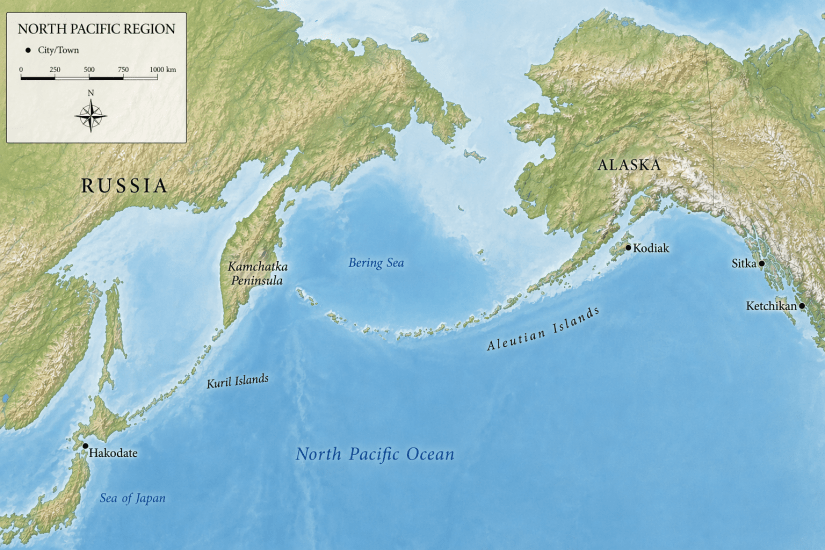
When we departed Hakodate, our course took us northward along Japan’s far northern reaches, skirting Russia’s Kuril Islands at a distance of roughly 50 miles offshore before entering the Bering Sea near the Kamchatka Peninsula.
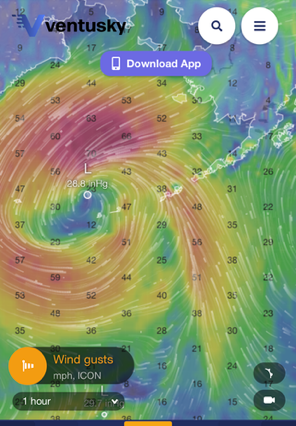
Rather than follow the more common southern route below the Aleutian Islands, the decision was made to run inside the Bering Sea due to a large low-pressure system dominating the region. Instead of battling the worst of the weather head-on, Volendam positioned herself near the center of the system, where conditions were more favorable. Conveniently, the low was moving in the same direction we needed to travel, allowing us to ride along with it—our own version of “the eye of the tiger.”
As the system gradually weakened near land, we made our move through its eastern side, where winds are often less severe. Though we still encountered strong winds and heavy seas, the strategy helped shorten what could have been a much rougher passage.
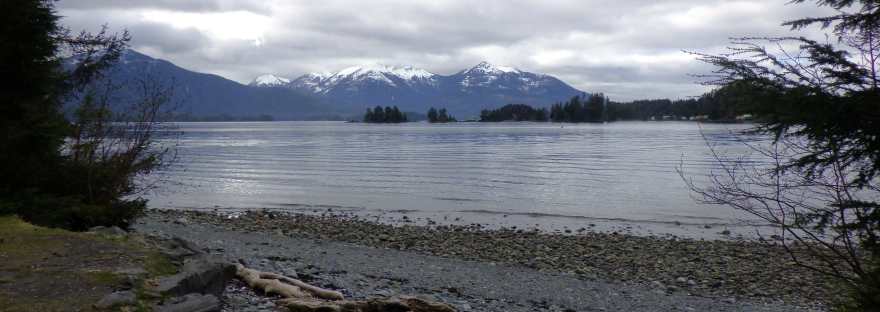
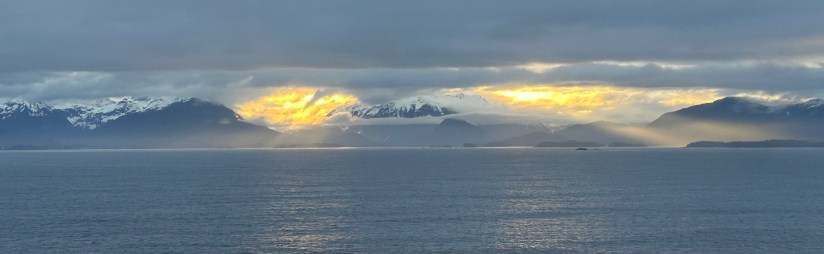
By our final sea day, conditions had steadily improved, and we arrived at Kodiak under overcast skies, generally calm seas, and only a lingering long swell.
Alaska: A Homecoming of Sorts
After our weather-driven crossing of the Bering Sea, it felt especially good to see land again—this time, Alaska. And the good old USA! Over the next several days, Volendam would call on three very different ports—Kodiak, Sitka, and Ketchikan—each with its own character, history, and stories to tell. And as it turned out, at all three ports, we were the first cruise ship of the season…something the locals seemed genuinely happy about.
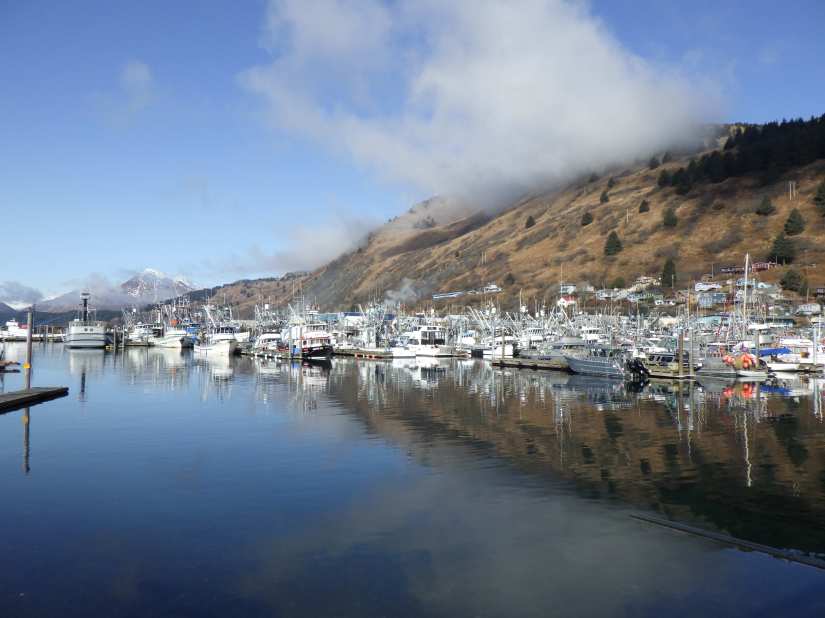
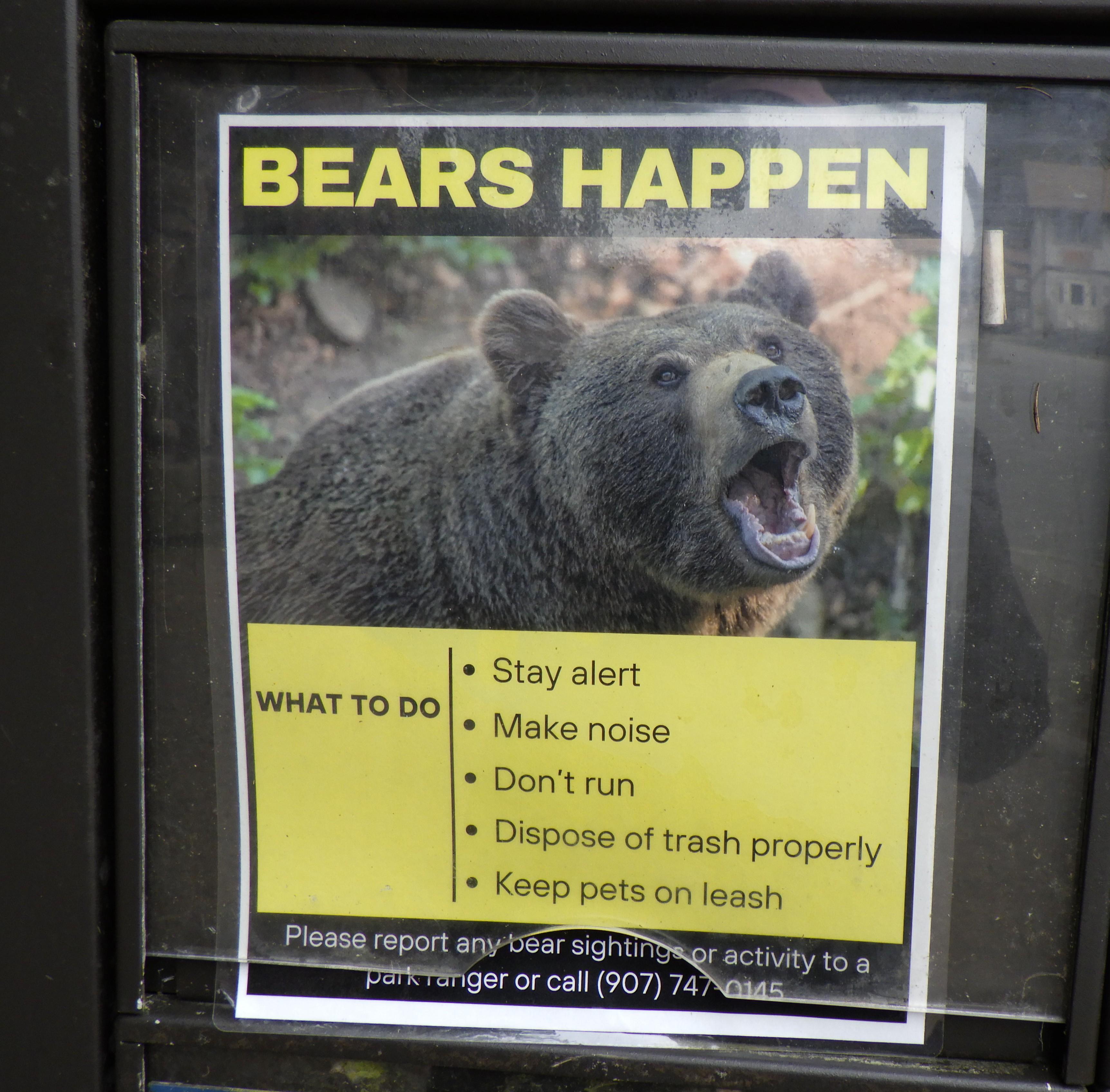
Kodiak, located on Kodiak Island, is the second-largest island in the United States, behind only Hawaii’s Big Island. This hardworking commercial fishing community is home to about 5,500 year-round residents…along with an estimated 3,500 Kodiak bear.
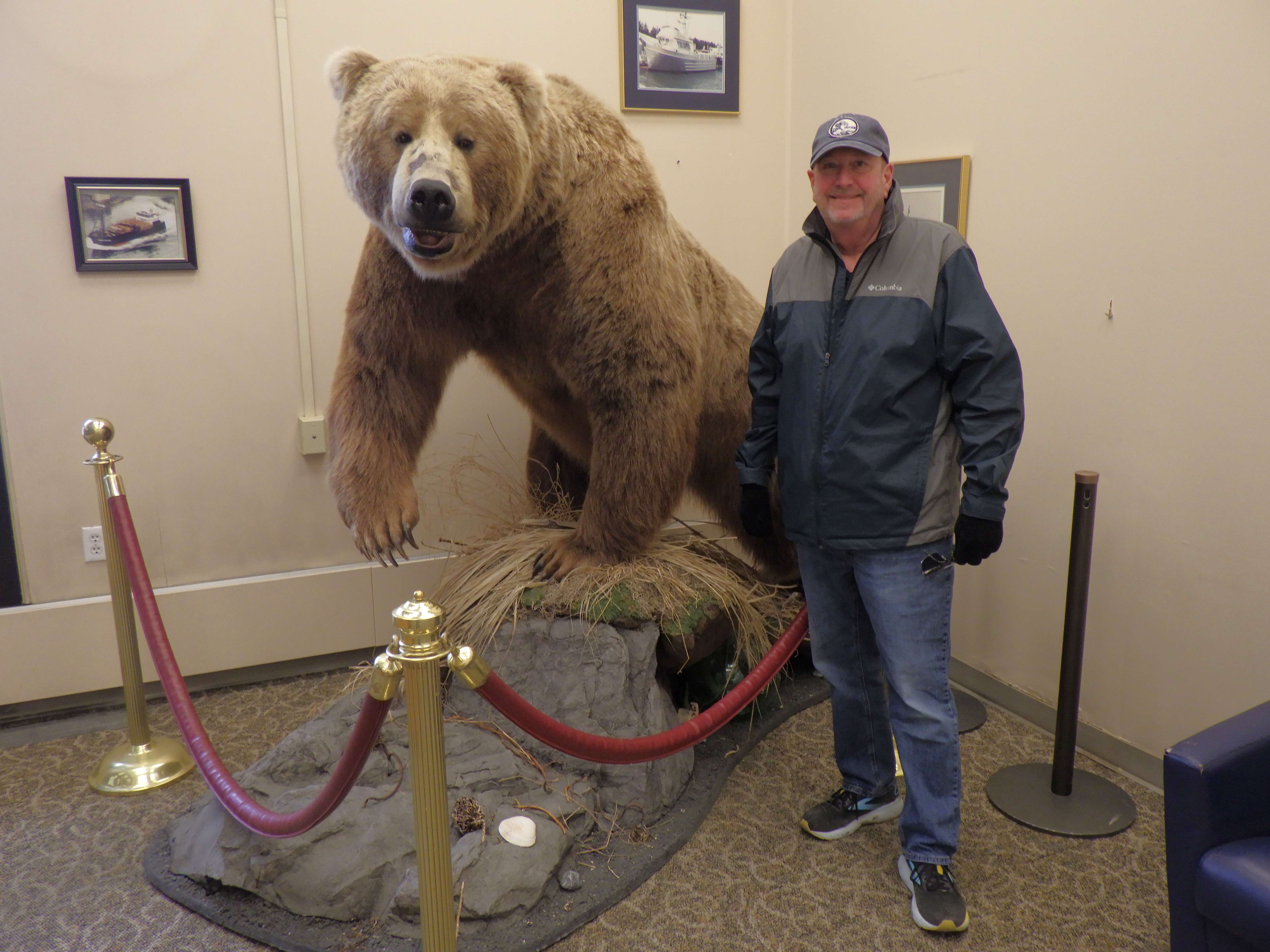
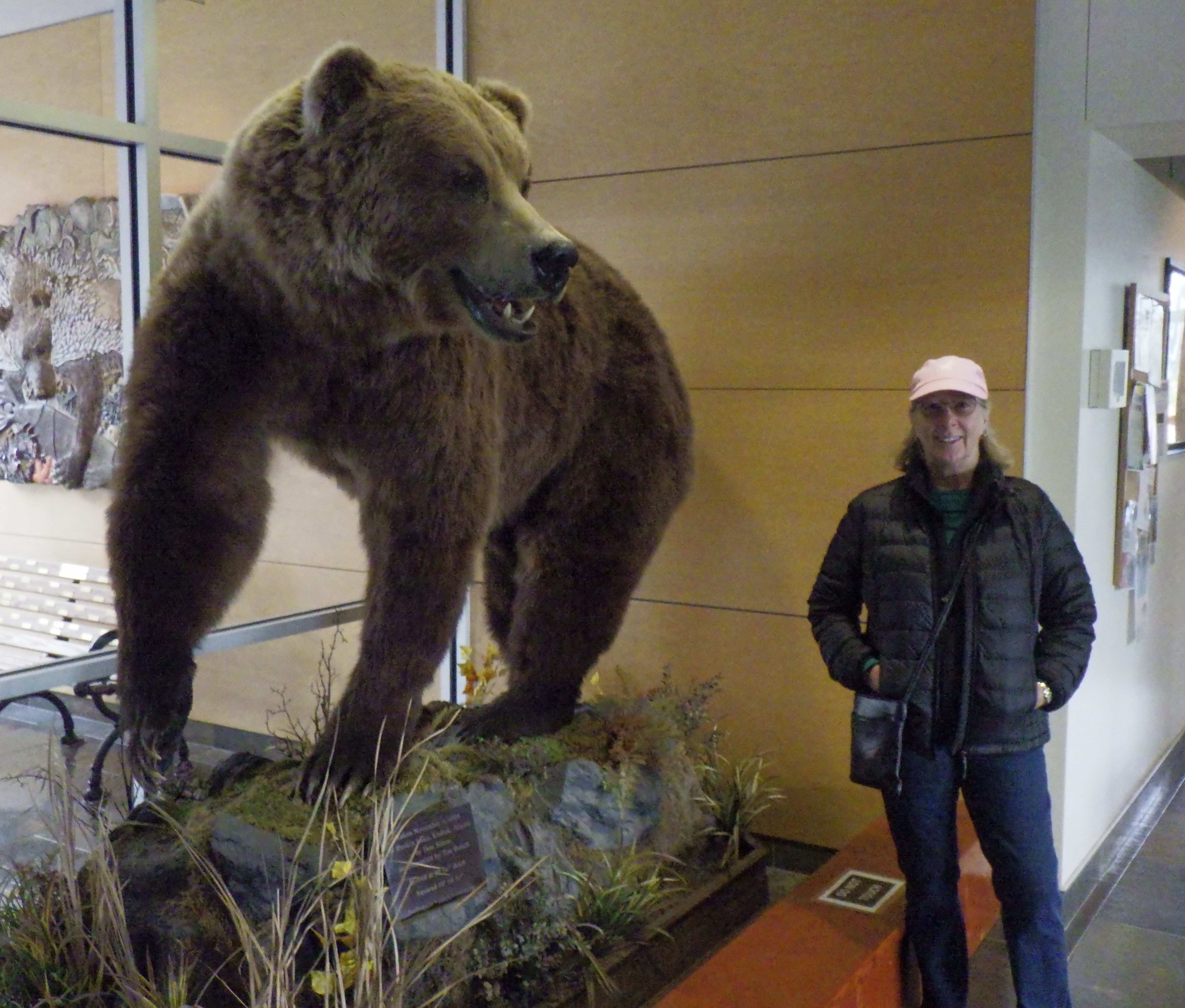
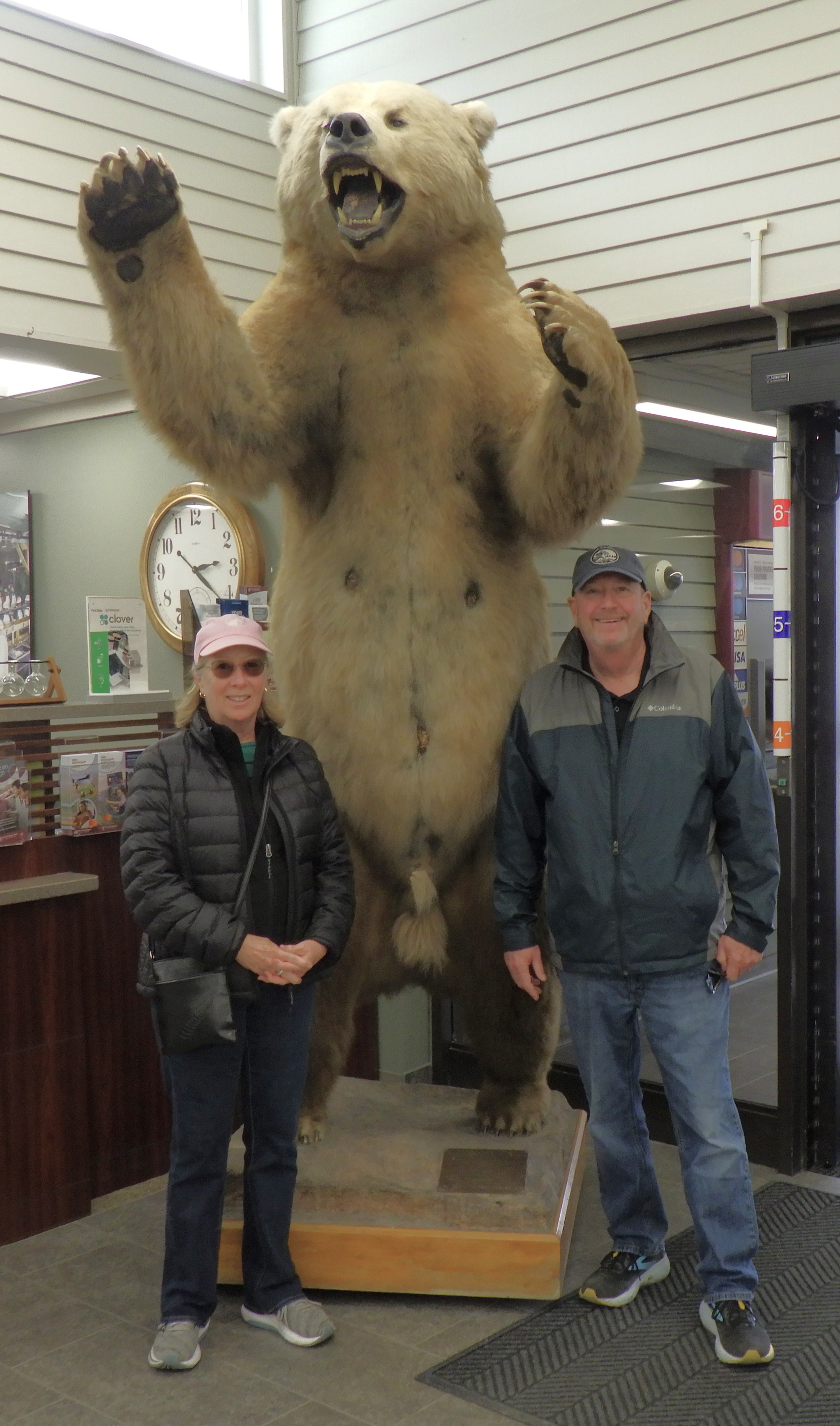
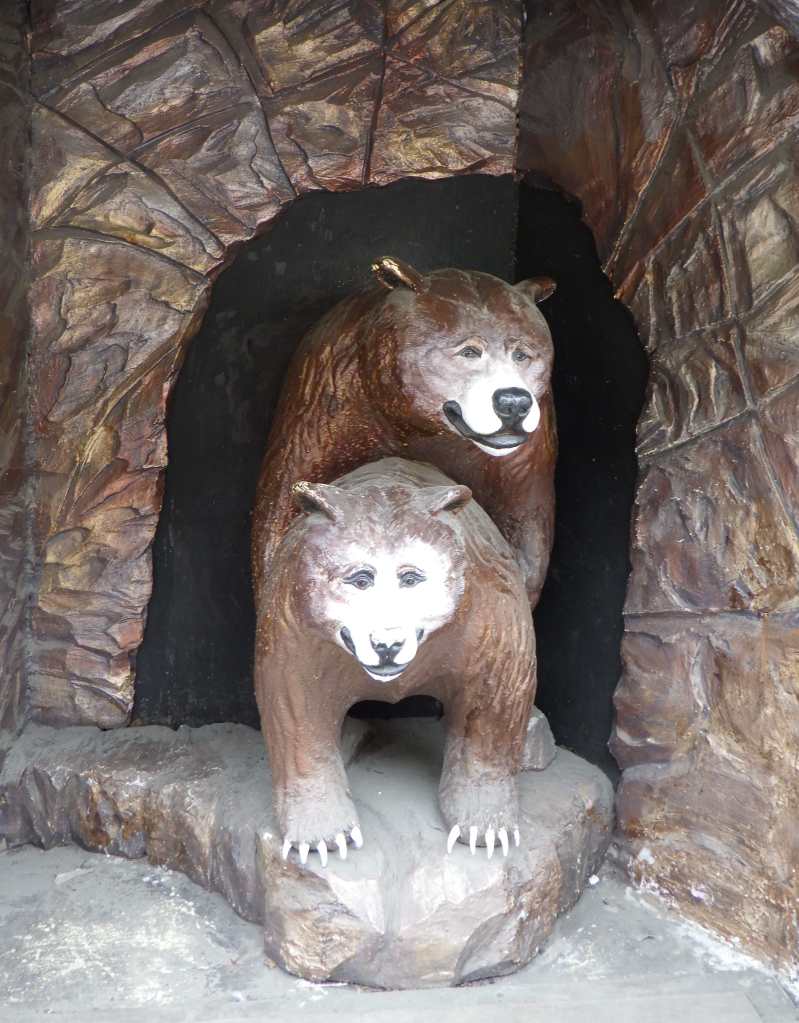
These legendary bears are impressive by any measure—standing five to six feet at the shoulder, and nearly twelve feet tall when fully upright. Fortunately for us (and perhaps unfortunately for wildlife photographers), most were still hibernating in late April, tucked away on the island’s northern side. Nevertheless, more than one bank lobby proudly displayed a taxidermied bear!
Kodiak is also home to one of the largest United States Coast Guard installations in the country, a fitting match for this rugged maritime community.
We anchored in St. Paul Harbor and tendered ashore. Since Kodiak receives relatively few cruise ships—and we were the first —we received an especially warm welcome.
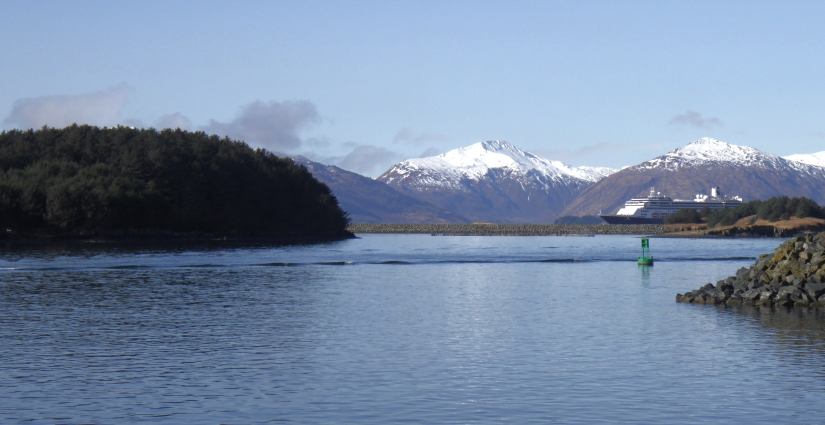
With most of town still waking up, we crossed the bridge to Near Island for a morning walk through aromatic evergreens and quiet shoreline trails.
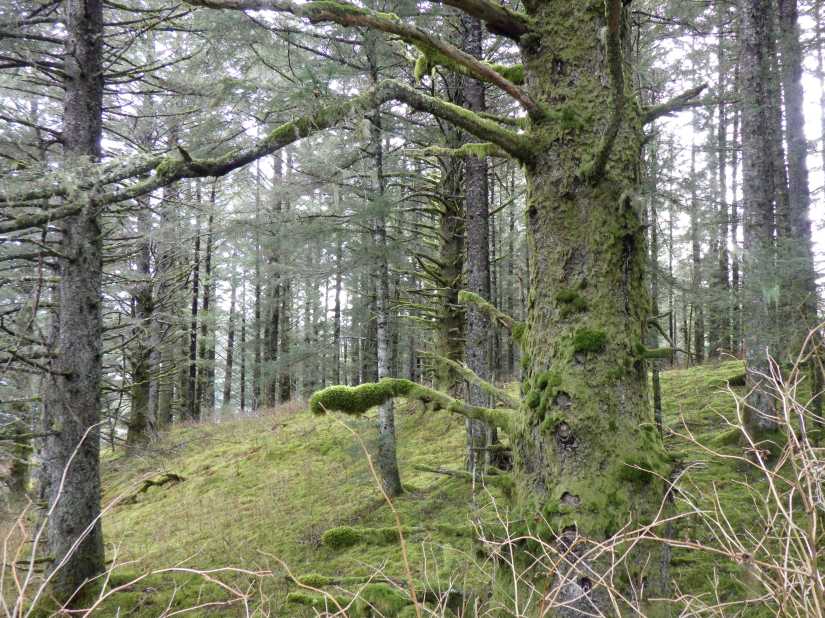
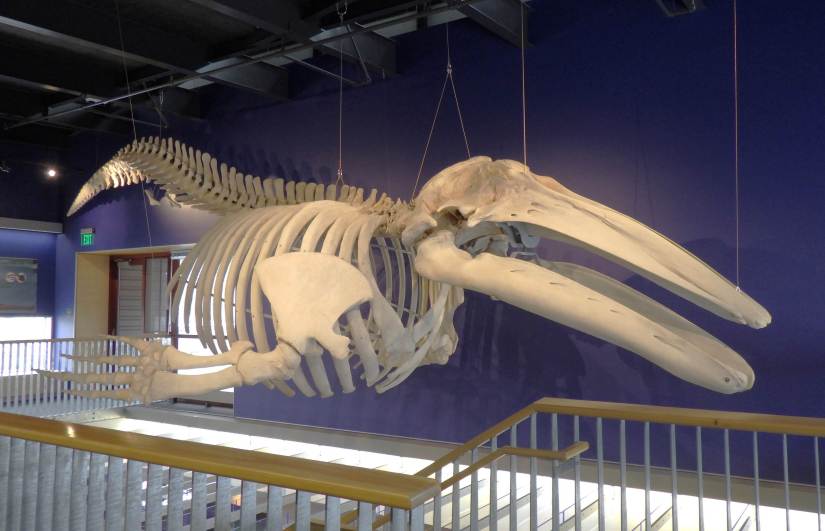
We also wandered through the local fisheries displays, where exhibits showcased the region’s impressive crab species.
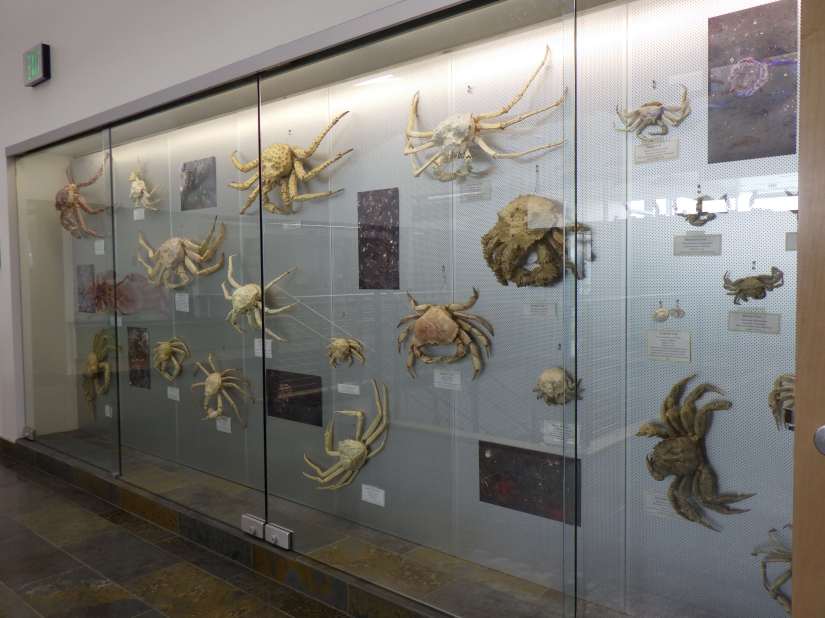
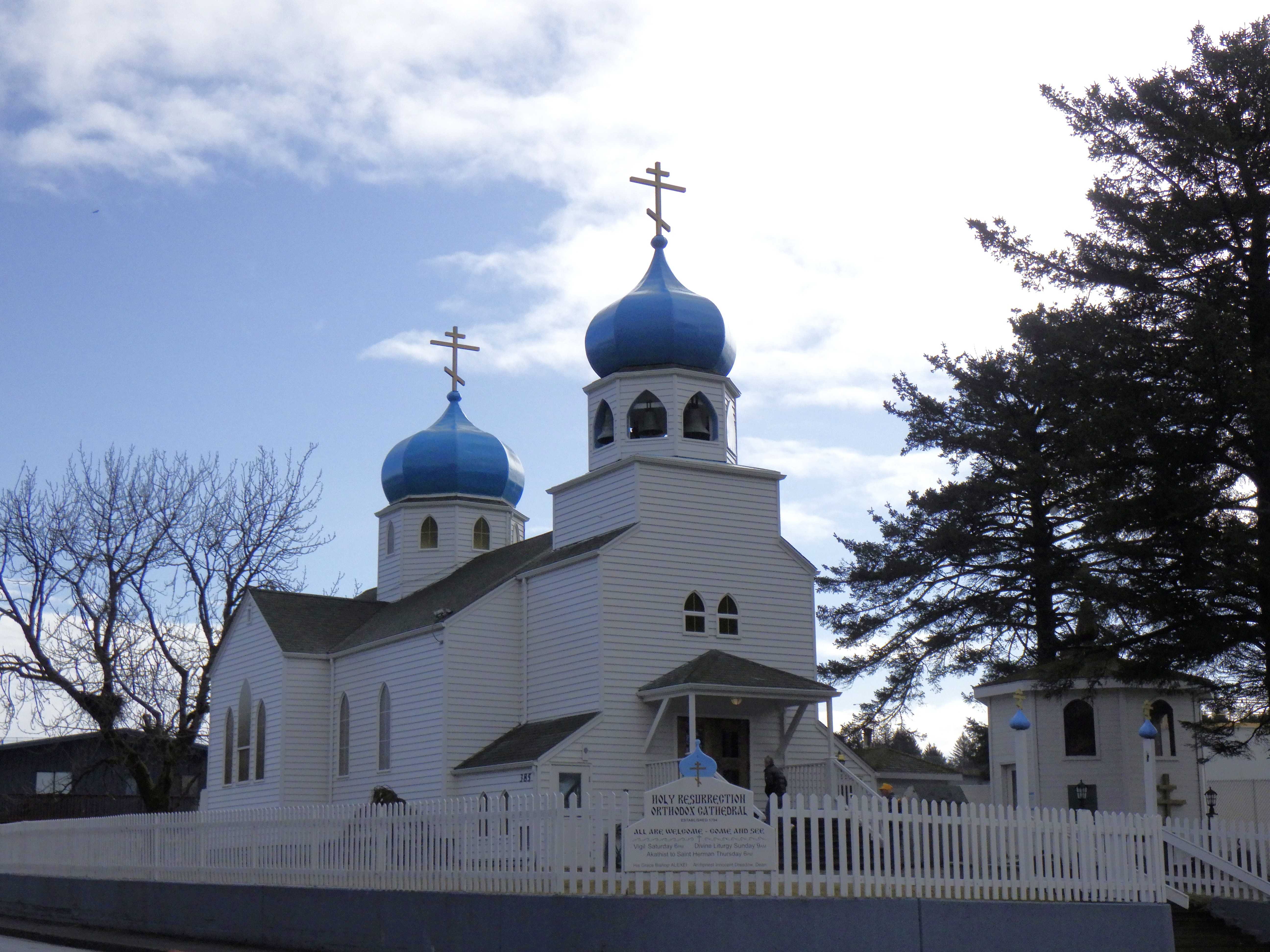
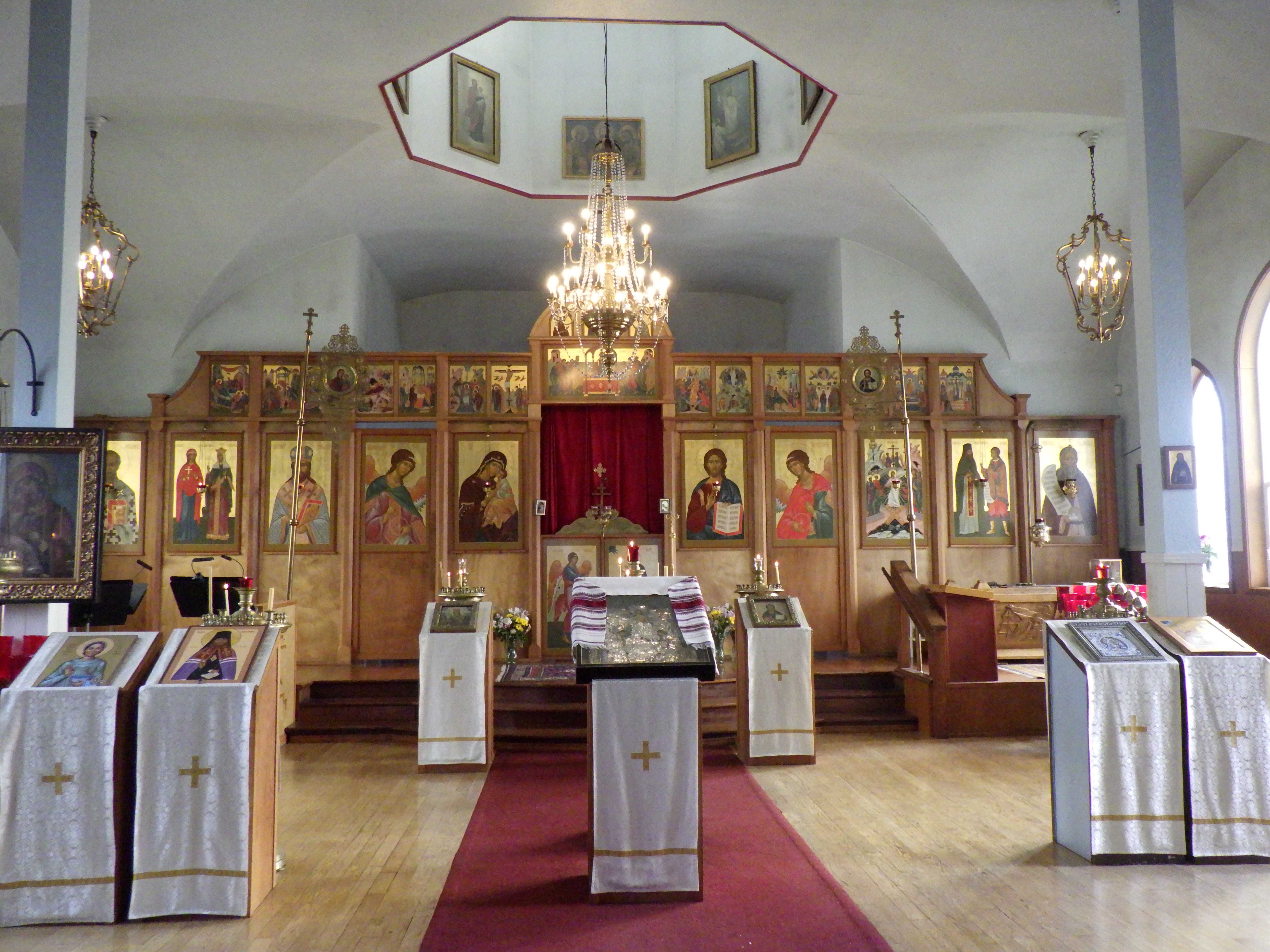
Kodiak itself is compact and easily explored on foot. We visited the beautiful Holy Resurrection Russian Orthodox Cathedral, a reminder of the island’s Russian roots.
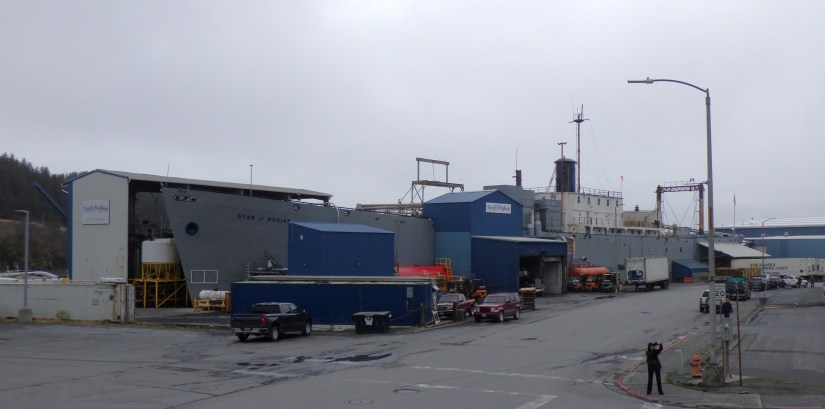
One particularly interesting site in town, was Star of Kodiak. Originally a ship, it was converted into a floating cannery after the devastating 1964 Alaska earthquake damaged much of Kodiak’s shoreline infrastructure. Today, it sits on land in downtown Kodiak and continues operating as a seafood cannery. More details can be found here: https://kodiak.org/2026/01/12/8/
Our next stop was Sitka, a picturesque coastal town of about 8,100 residents, rich in both Russian Empire and Native Alaskan history. It was here, at Castle Hill, that Russia formally transferred Alaska to the United States in 1867 for $7.2 million.
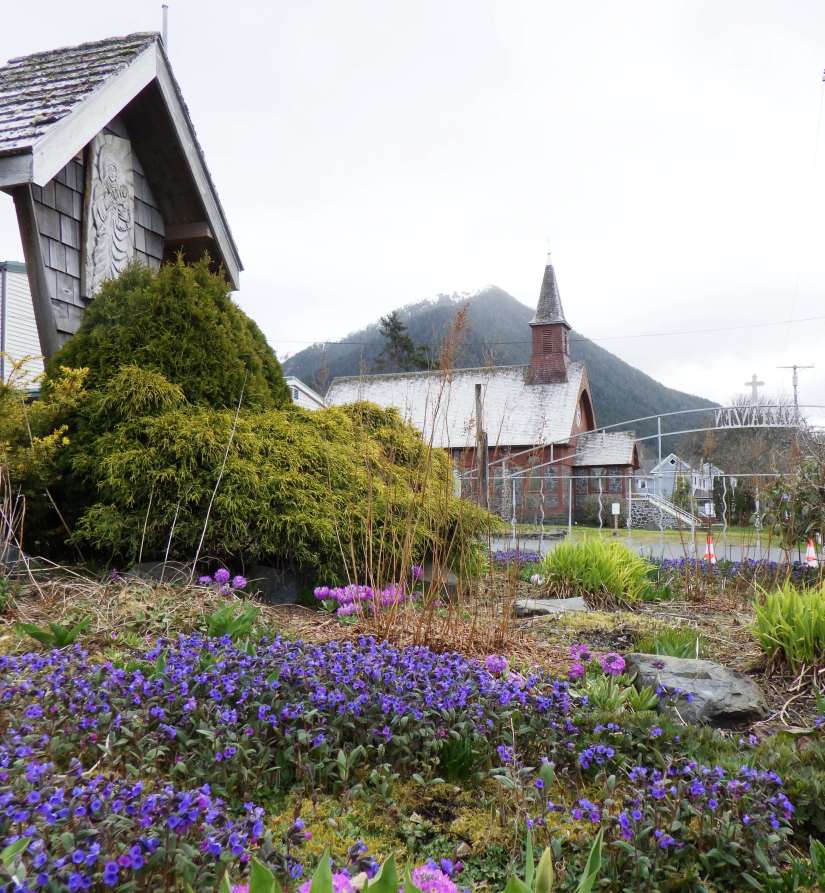
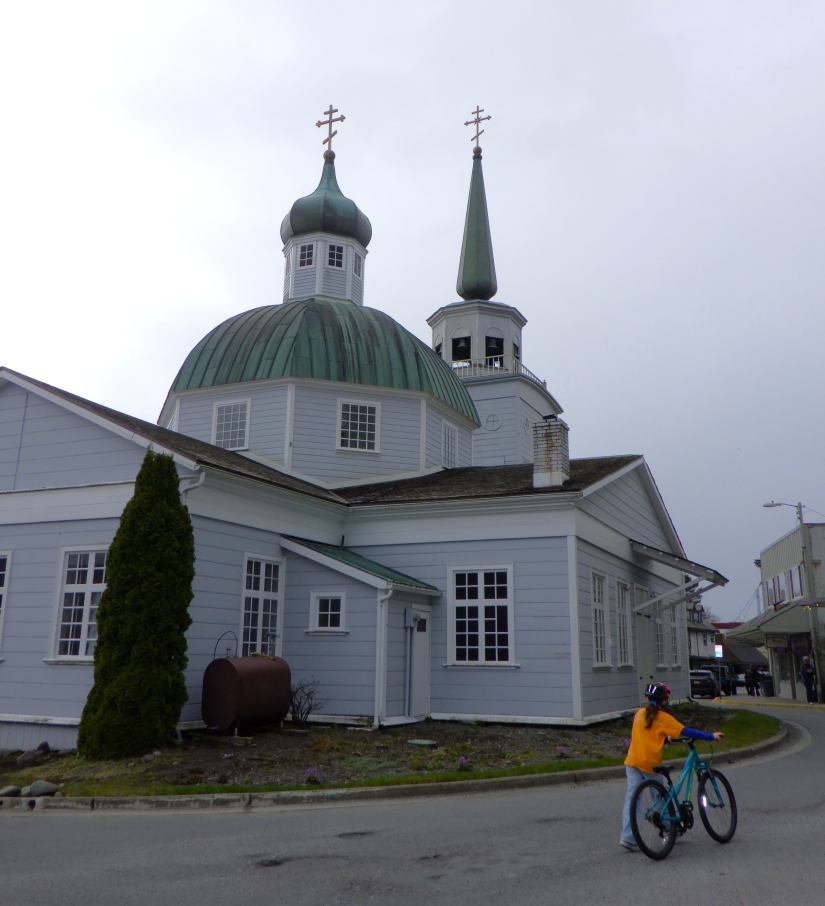
The town itself feels wonderfully historic, with beautiful old buildings, fishing boats in the harbor, and the striking St. Michael’s Cathedral, originally built in 1844.
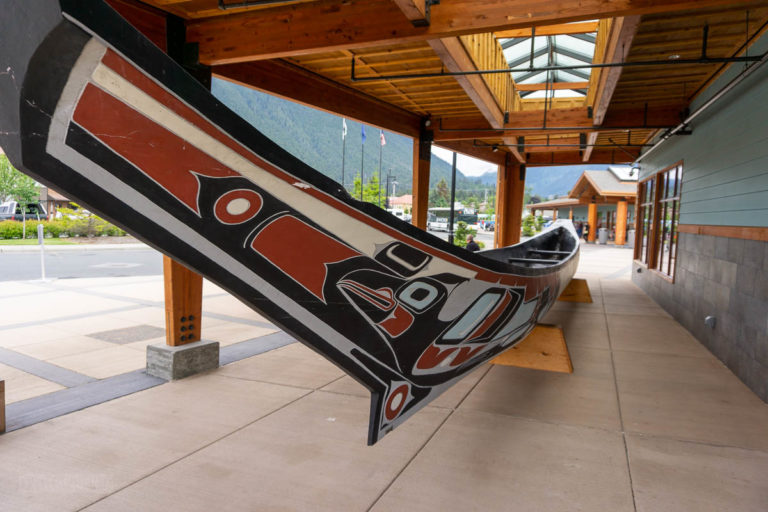
At Harrigan Centennial Hall, we admired a beautifully hand-carved Tlingit canoe, a reminder of the rich Indigenous heritage that remains strong here.
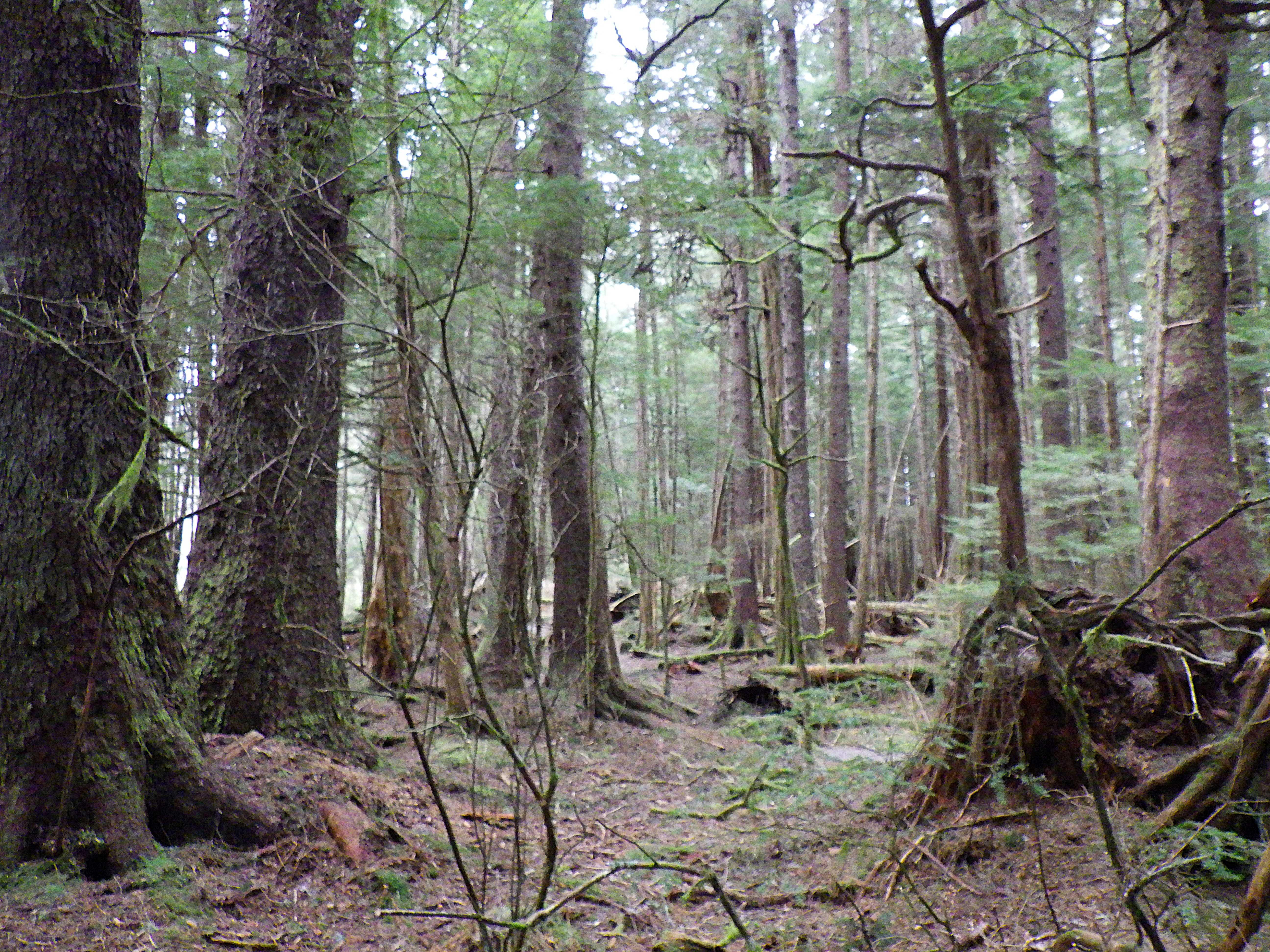
One of our favorite stops was Sitka National Historical Park, where we walked beneath towering Sitka spruce, some rising nearly 300 feet. Their straight, knot-free grain has made them prized for everything from violins and pianos to boat building.
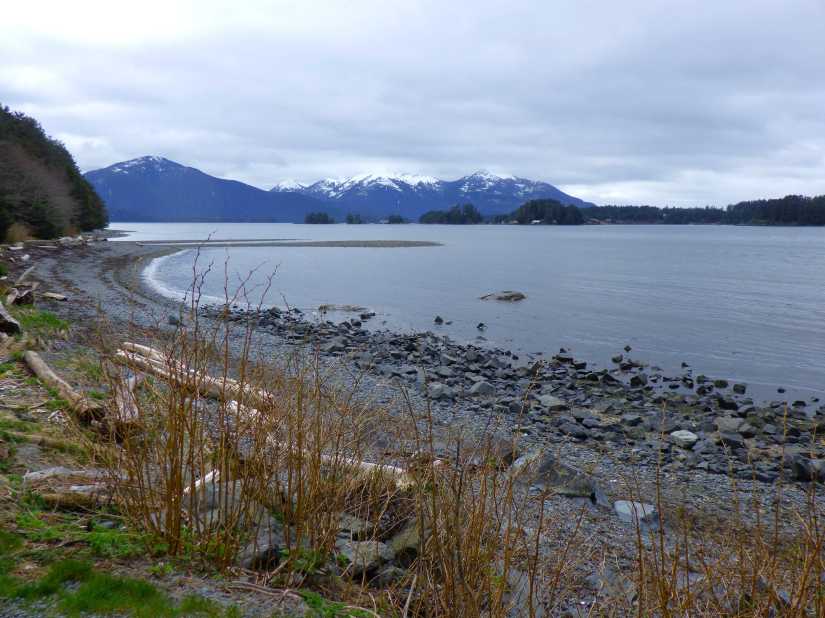
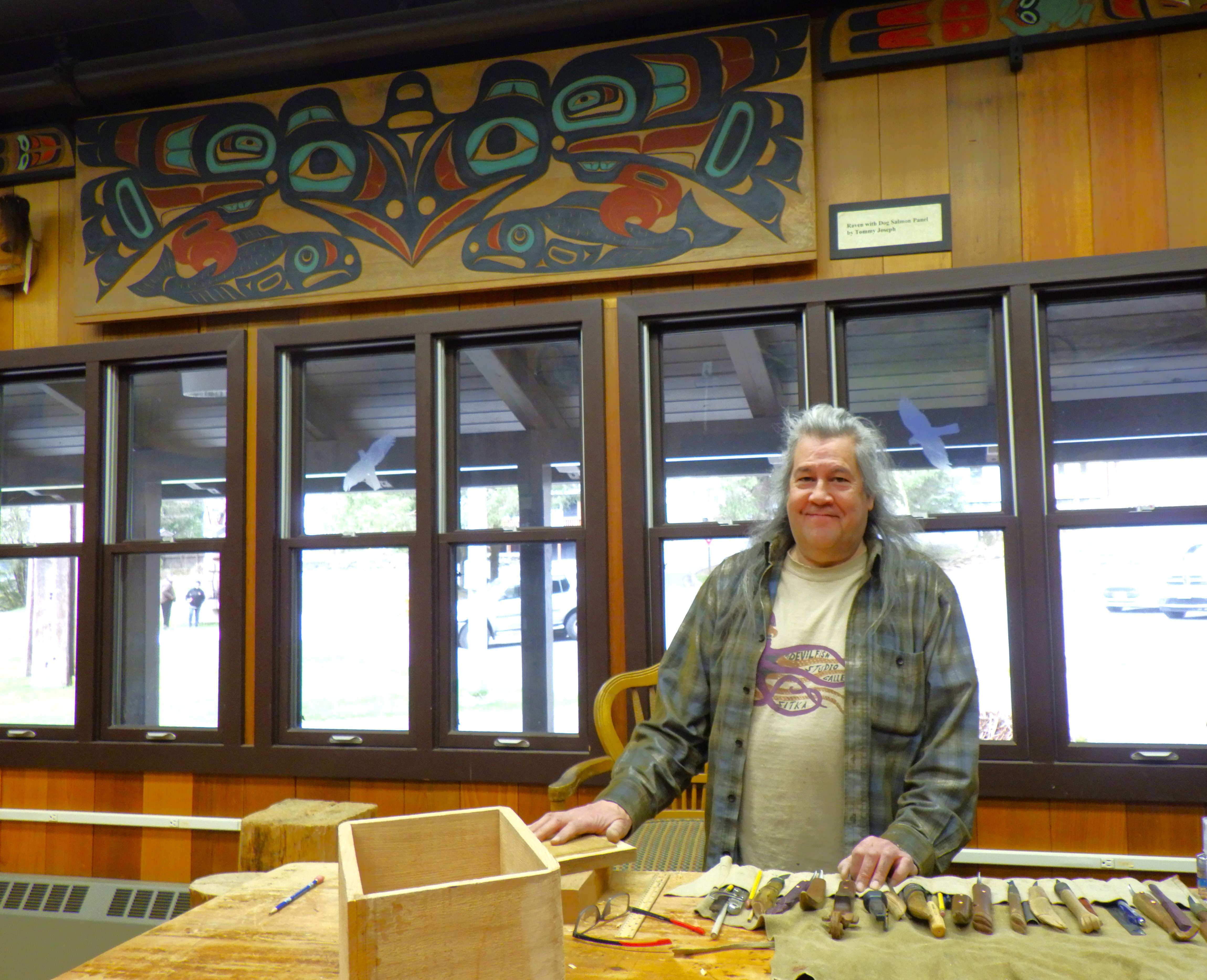
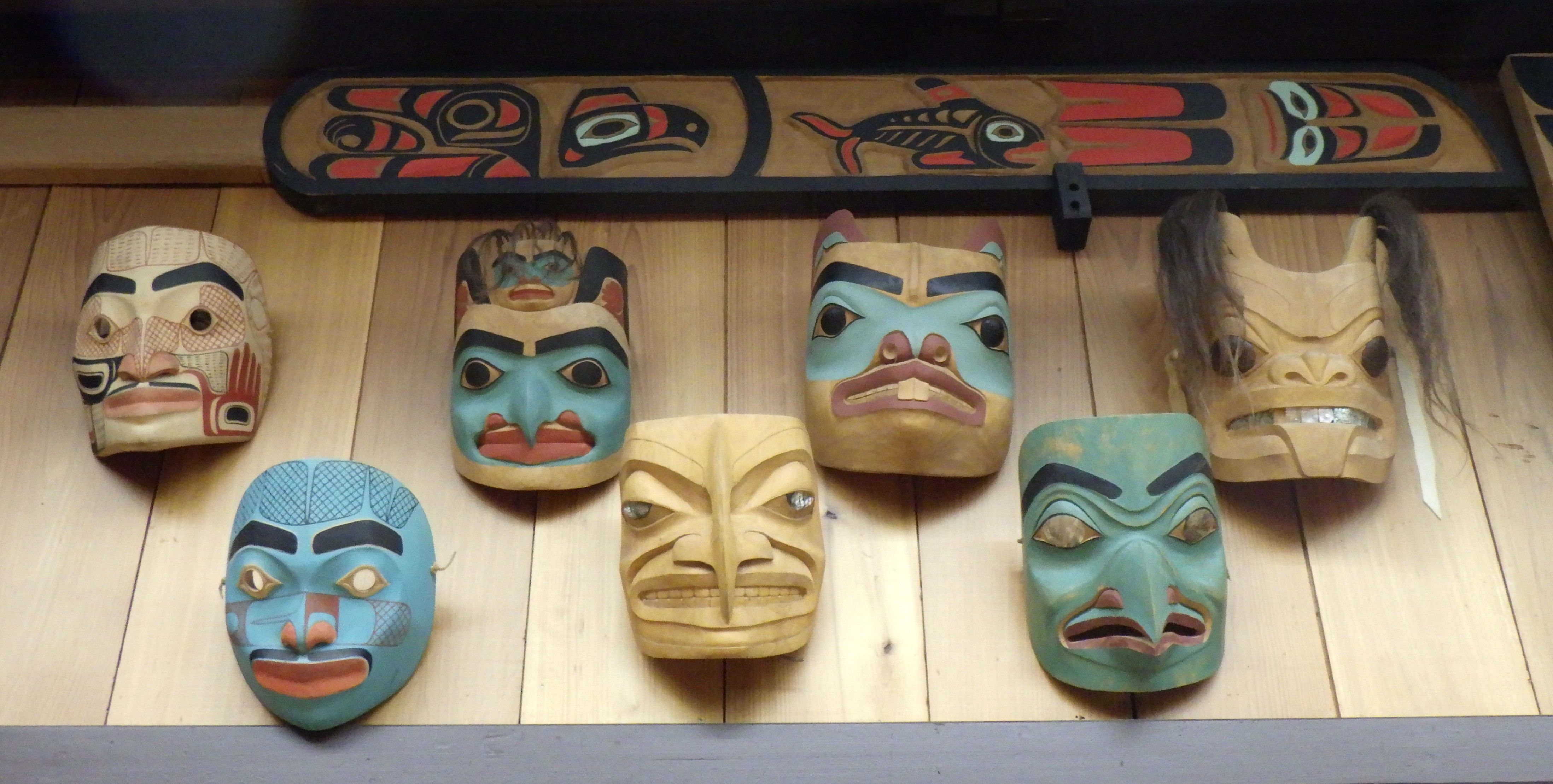
The park also preserves important Native battlegrounds and features more than twenty totem poles. Inside the visitor center, we had the pleasure of watching a local woodcarver at work and chatting about his craft.
Later, while walking the shoreline, we struck up a conversation with Ed, a 76-year-old Tlingit People gentleman who lives aboard his boat in the harbor. For nearly an hour, he shared stories of Sitka’s past while pointing out landmarks and native plants along the way. He recounted his favorite memory from years ago, involving John Wayne (who once owned a house in Sitka) walking into Ernie’s Local Bar, and buying drinks for everyone after ringing its bell.
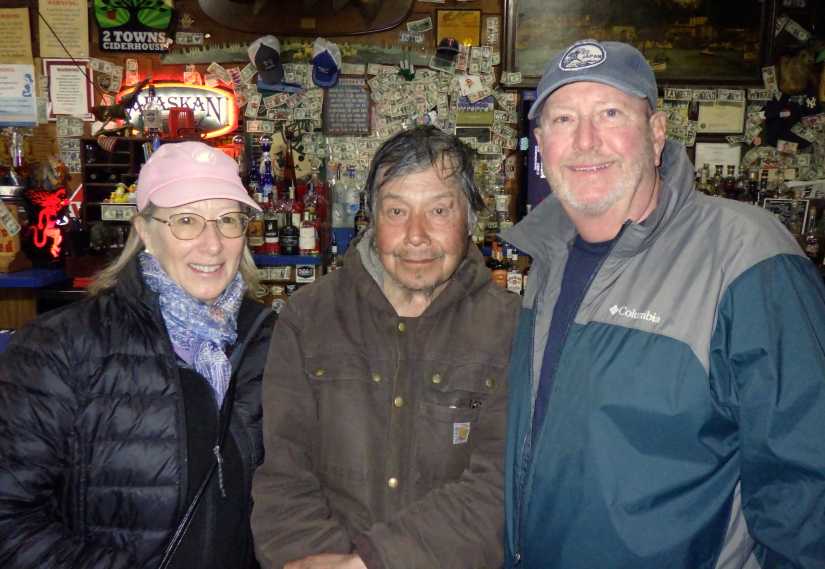
Before returning to the ship, several of us also made time to sample Sitka’s famous (or perhaps locally famous) Duck Fart. We’ll leave that one for you to Google.
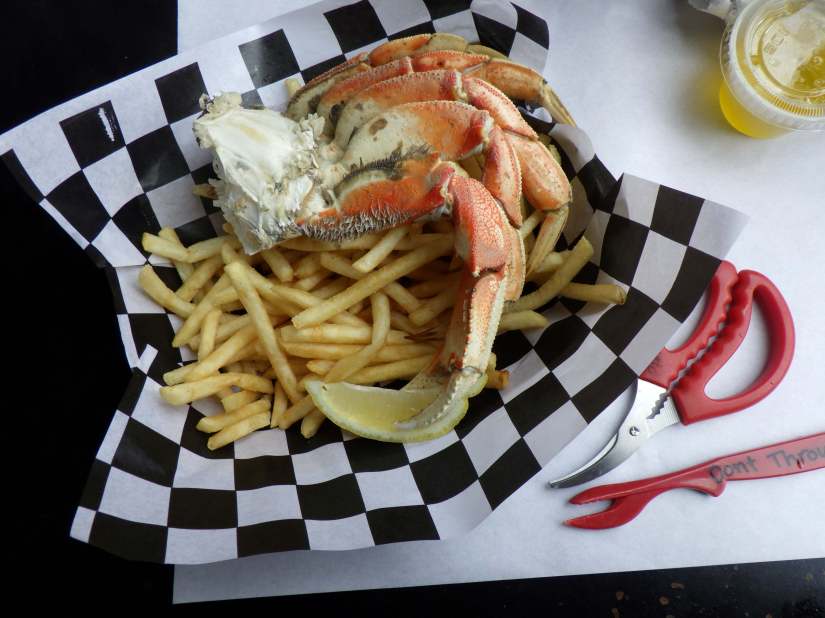
A beautiful spring day greeted us as Volendam docked right in the heart of Ketchikan. Once again, we were the first cruise ship of the season, which made for a very different experience in a town that locals told us expects nearly 1.7 million visitors this year. On one day alone this summer, they said six ships will bring nearly 18,000 passengers. But today? Quiet. Relaxed. Normal.
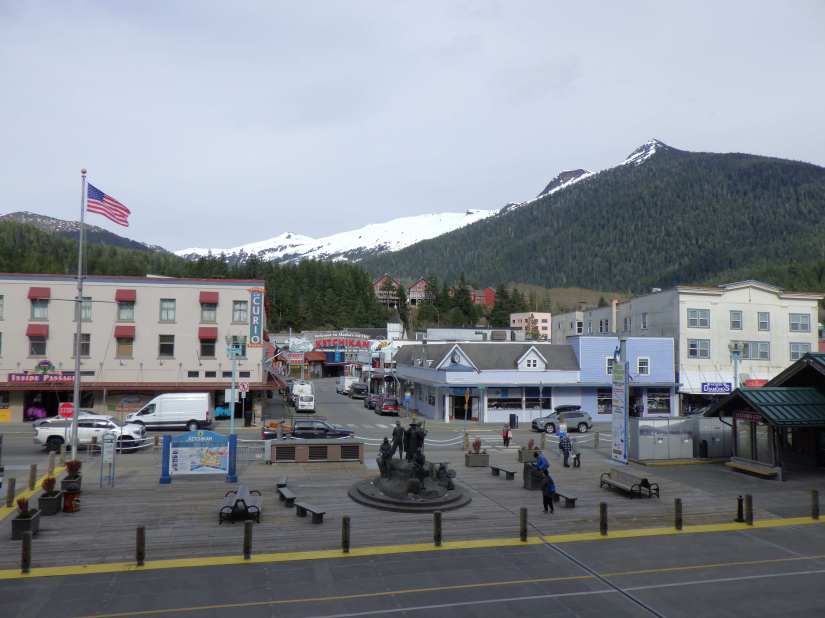
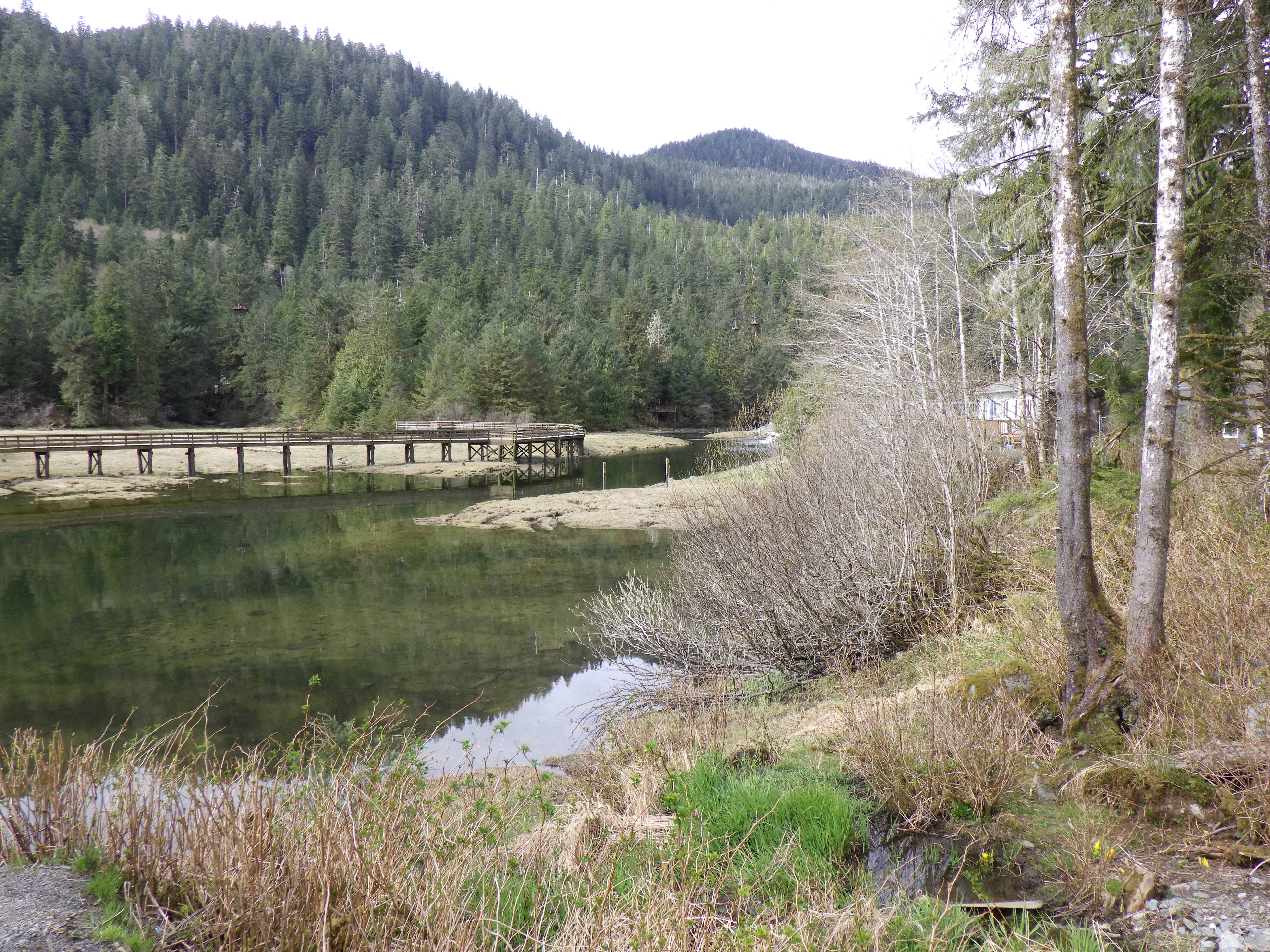
Our local guide, Pat, gave us a wonderful tour, sharing insights from his 35 years of living here. Beyond the familiar cruise-ship downtown, he took us farther afield to Rainbow Falls and Saxman Totem Park, home to one of the world’s largest collections of standing totem poles.
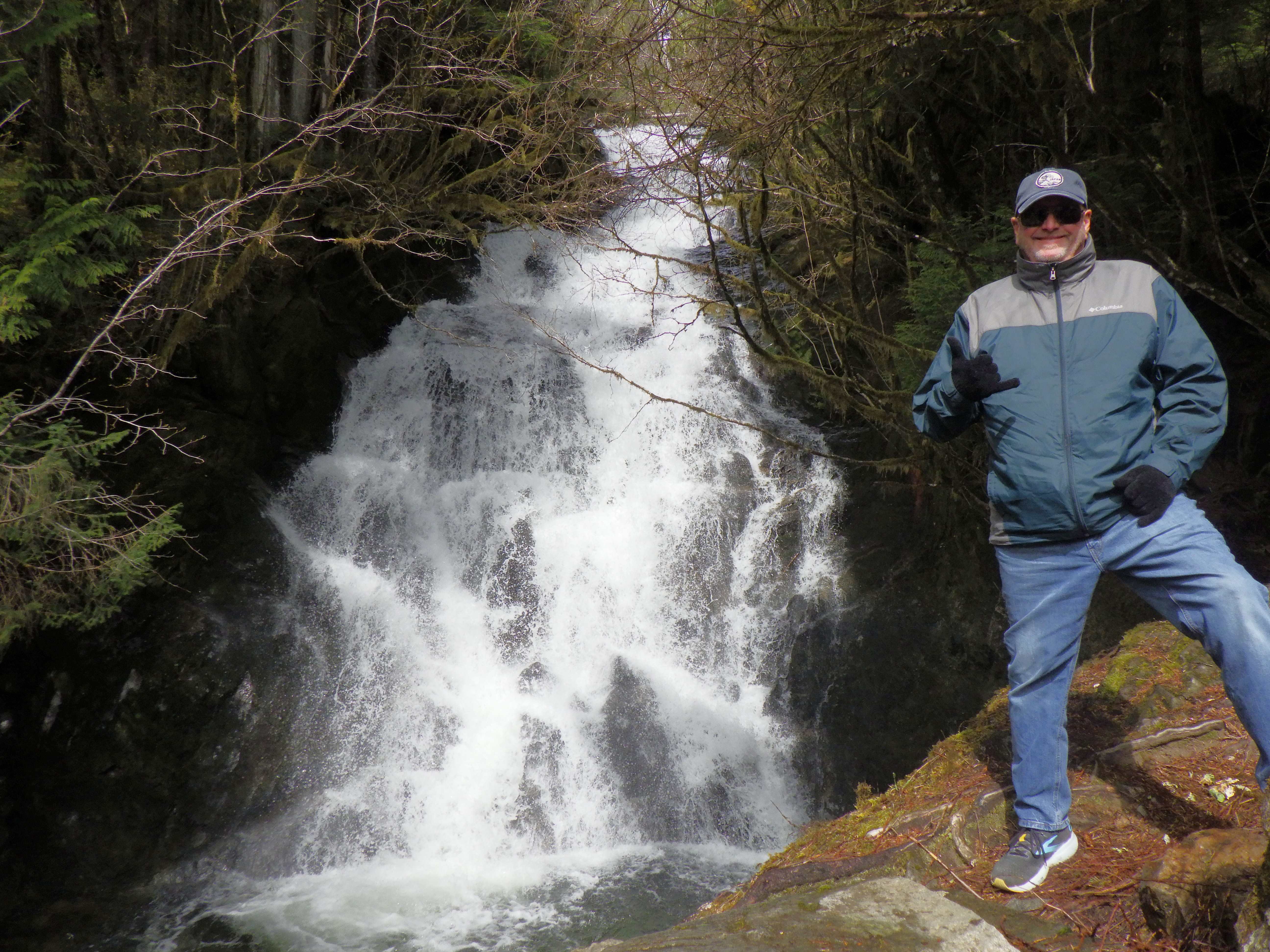
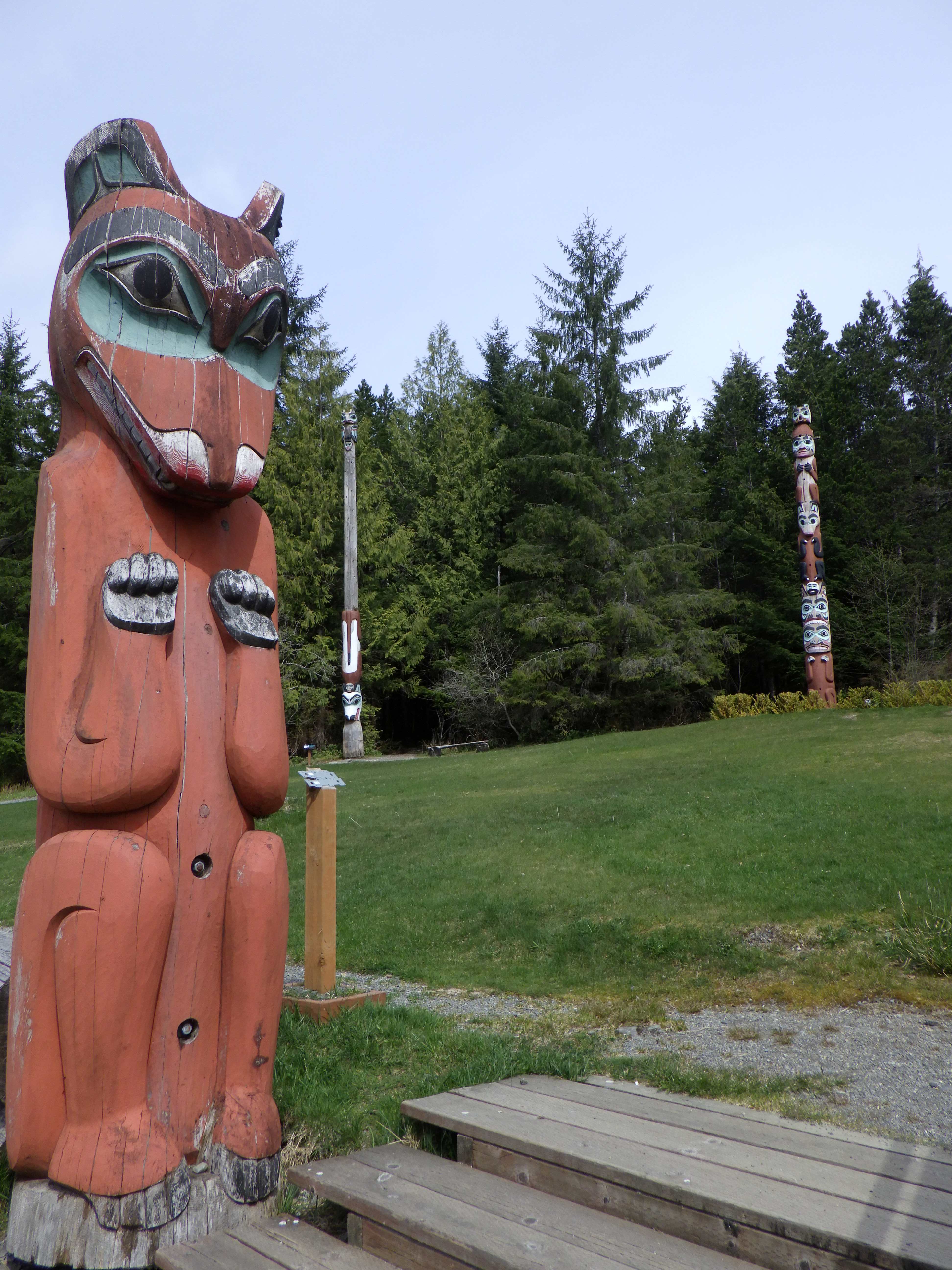
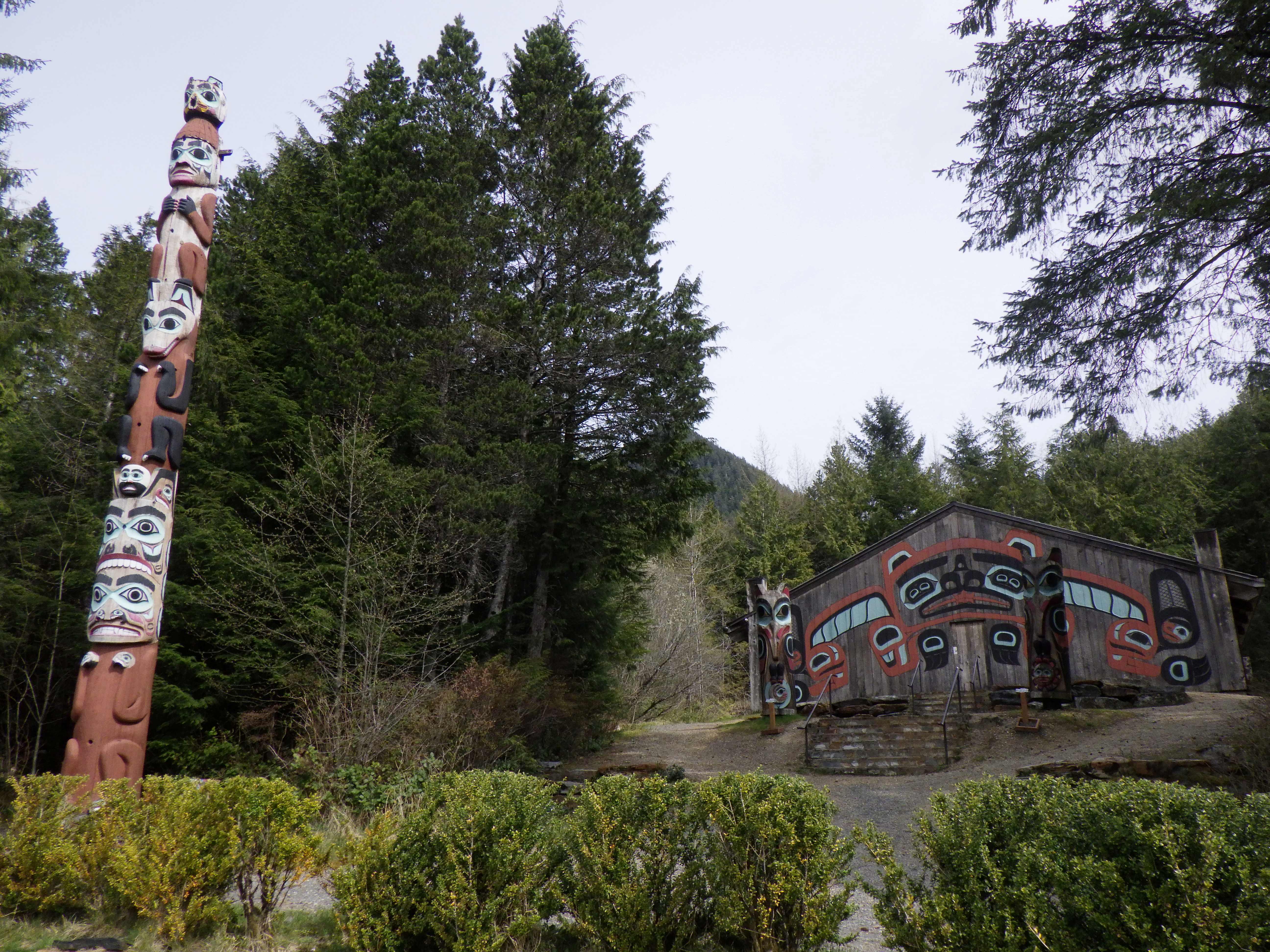
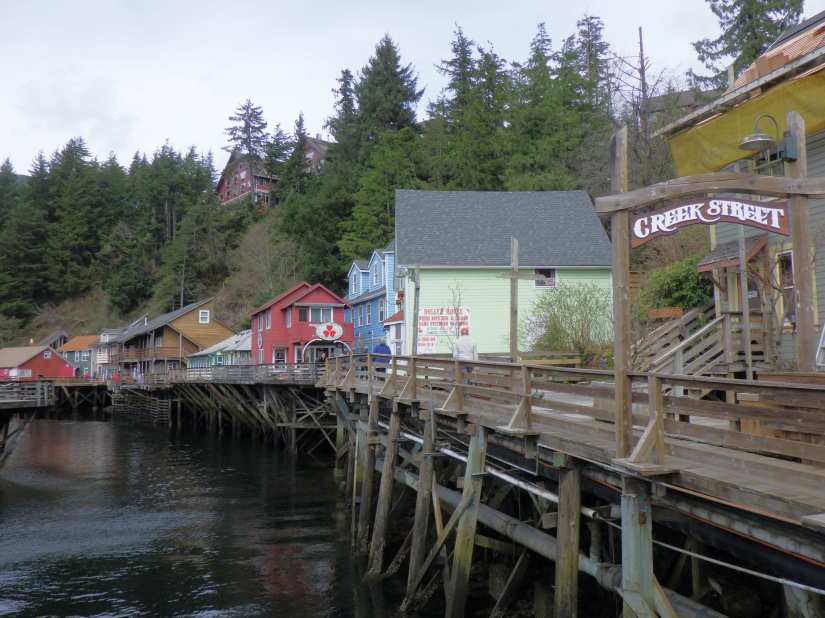
Back in town, we enjoyed fresh halibut for lunch before strolling the historic boardwalk of Creek Street, window shopping and soaking in the character of this colorful waterfront community.
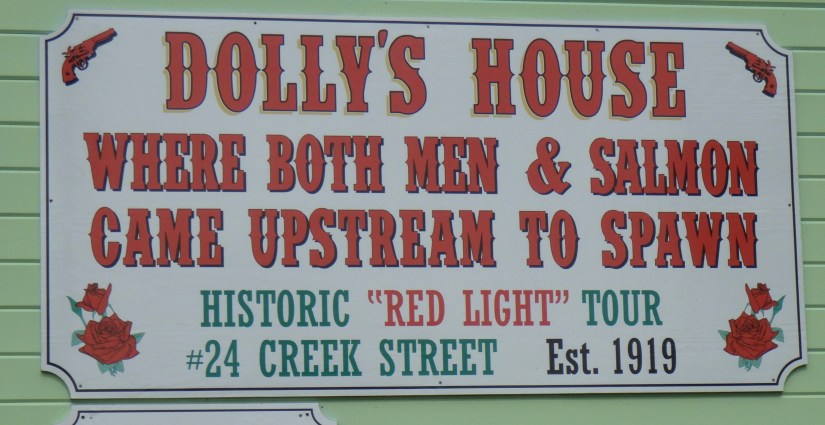
Late in the afternoon, we met up with friends at the legendary Arctic Bar for hot chili and a cold beer—an appropriately Alaskan ending to a great day.
After our wonderful run through Alaska, Volendam continued southbound along the Pacific coast, bringing us to two familiar American cities—each offering a very different flavor, and both a reminder that home was drawing closer.
The Space Needle gleamed against a cloudless blue sky as we docked at Pier 66 in downtown Seattle. Off in the hazy distance, snow-capped Mount Rainier stood watch over the city. With no set plans and no particular destination, Tom and I simply set out walking—often the best kind of day.
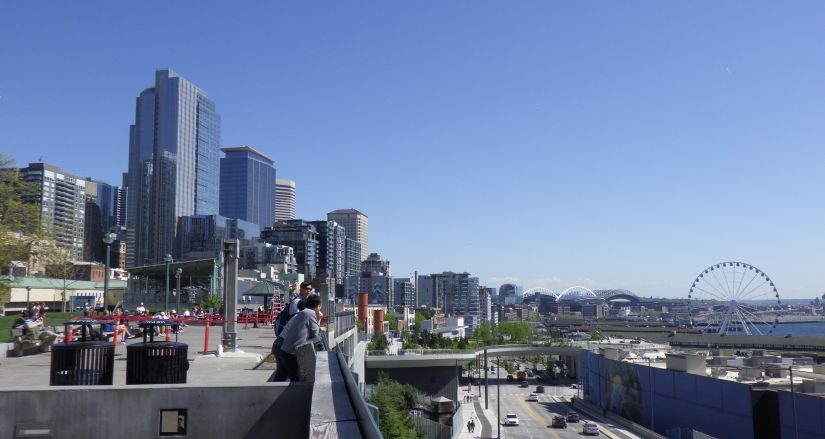
Our route first led us through the beautifully landscaped Olympic Sculpture Park, where freshly cut grass filled the air. It’s funny the little things you miss after months away, but that sweet springtime smell is always welcomed.
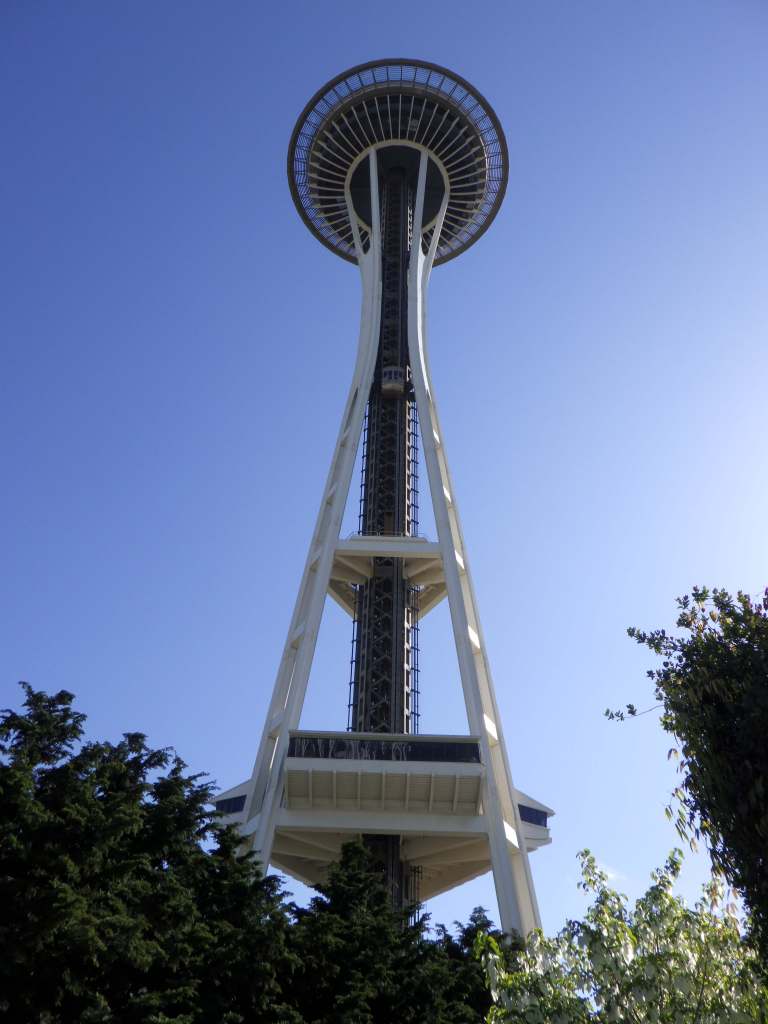
Flowering dogwoods lined the paths as we climbed the gentle slope, and before long, we found ourselves standing at the base of the Space Needle. Arriving early had its advantages, so we hopped aboard one of the first elevators of the day and soon found ourselves sipping coffee with a view high above the city.
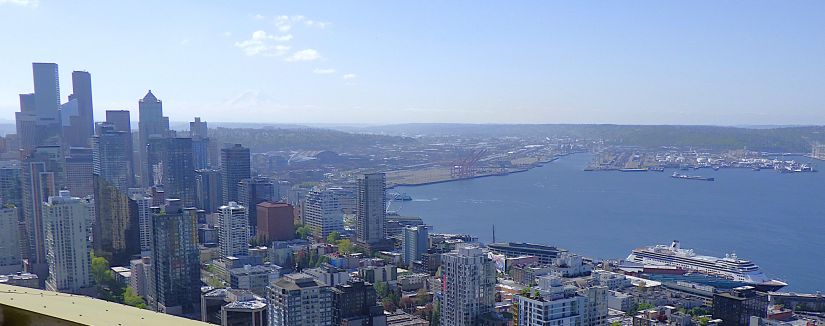
From there, we rode the historic Seattle Center Monorail into the heart of downtown. The monorail once carried over 8 million passengers during the 1962 World’s Fair!
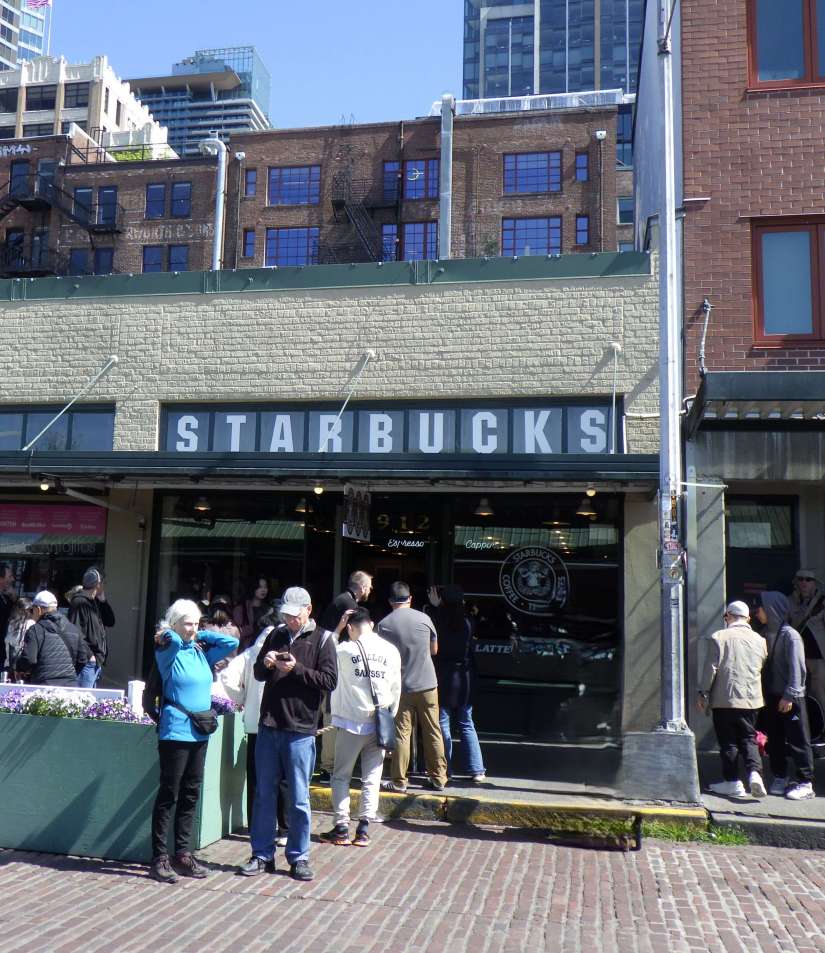
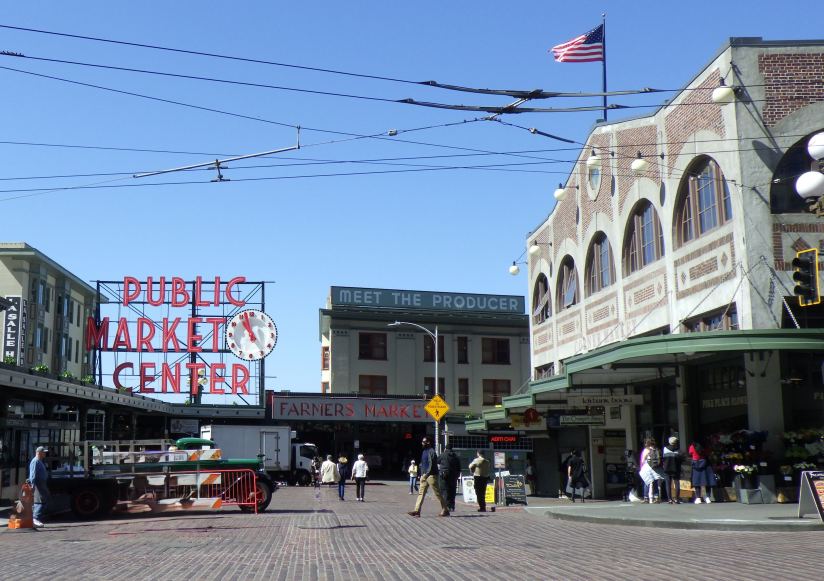
Naturally, no visit to Seattle would be complete without wandering through Pike Place Market, watching the famous fishmongers, browsing the market stalls, and soaking in the energy of the waterfront.
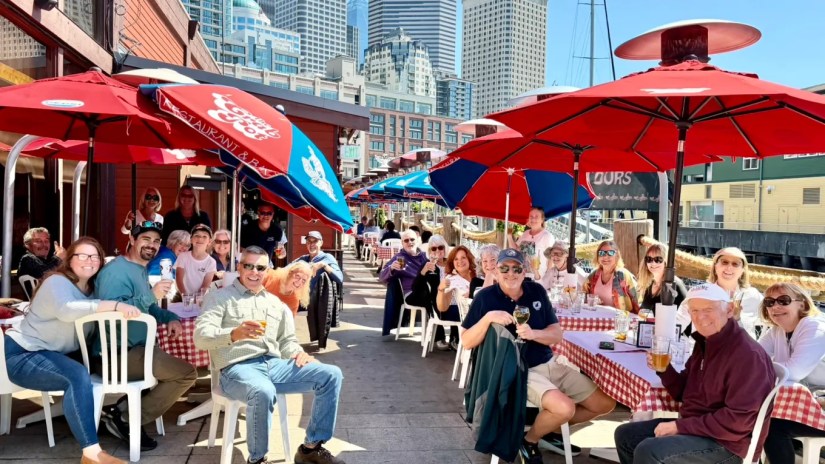
At the nearby waterfront, twenty-five of us gathered for a reunion lunch with fellow cruise friends—one of those unexpected gatherings that made this journey so special.
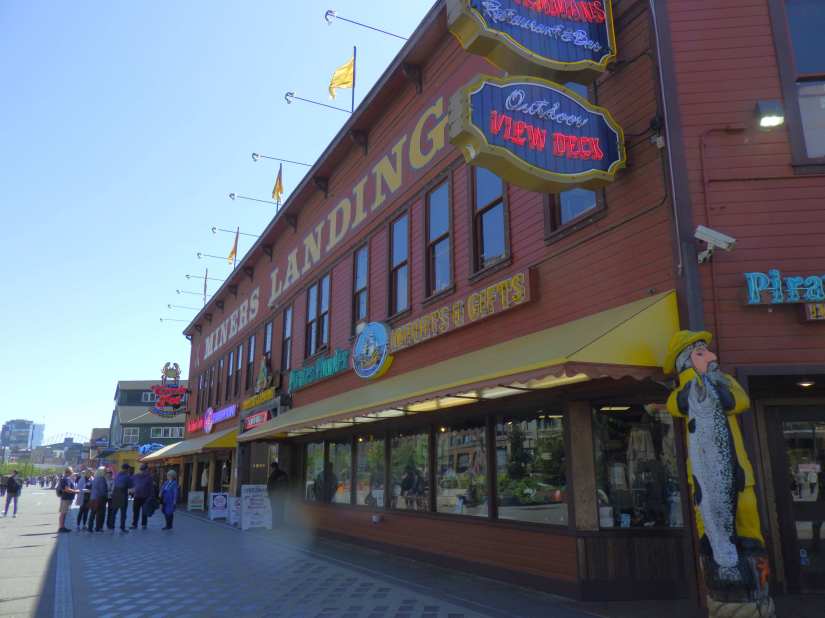
Back aboard that afternoon, the sail-away felt especially festive. Since Holland America Line is headquartered here in Seattle, many executives and shore-side staff turned out to celebrate. There was plenty of laughter, live music, and a little extra fanfare as we eased away from the dock.
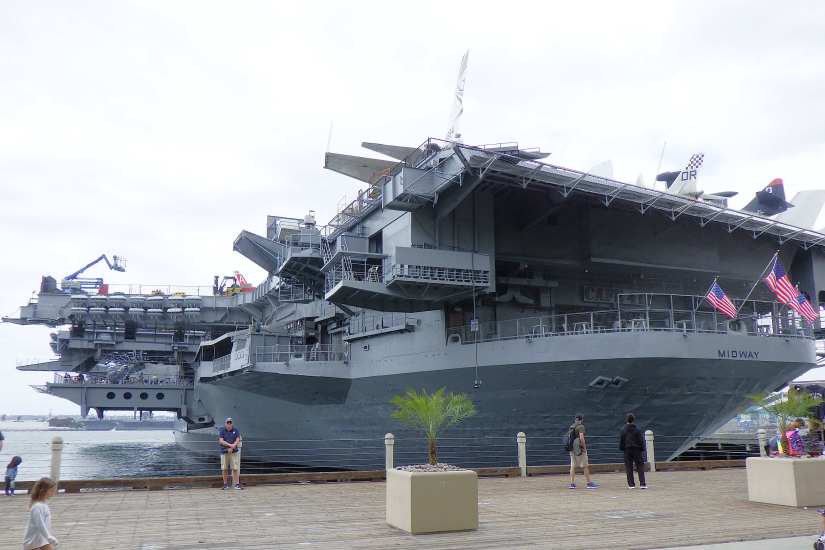
A few days later, Volendam slipped into San Diego, docking just a few hundred yards from the legendary USS Midway and Star of India in the heart of the city.
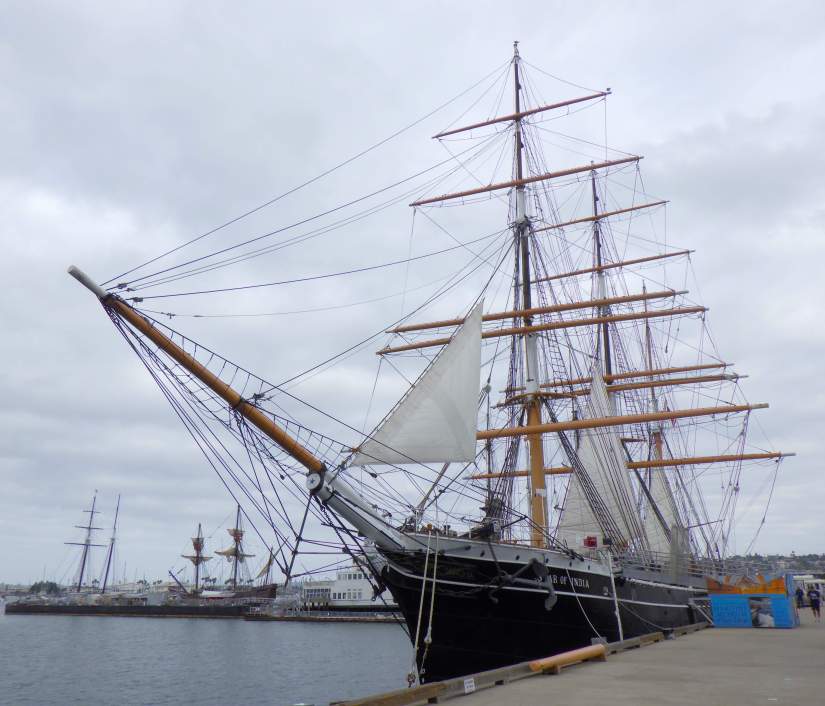
The Jacaranda trees were in full bloom, their brilliant purple blossoms adding color to nearly every street.
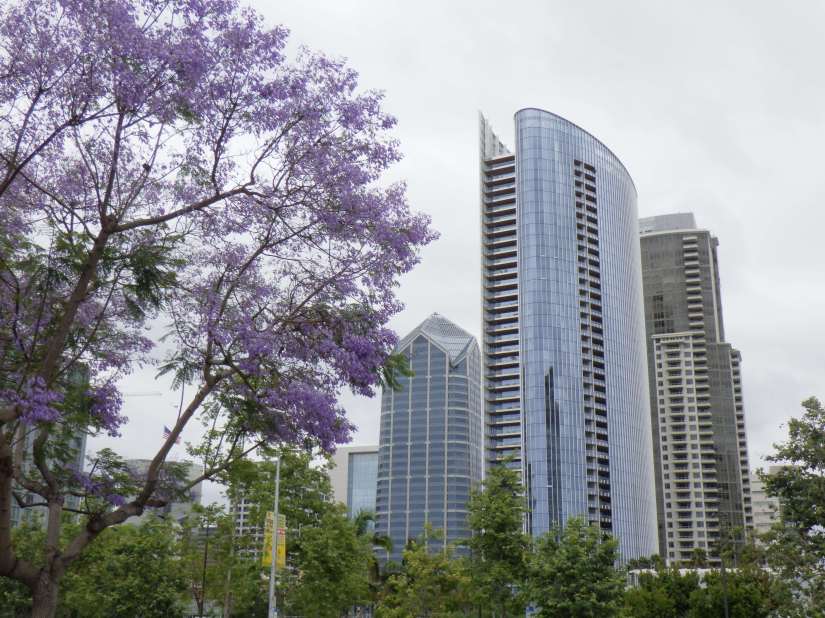
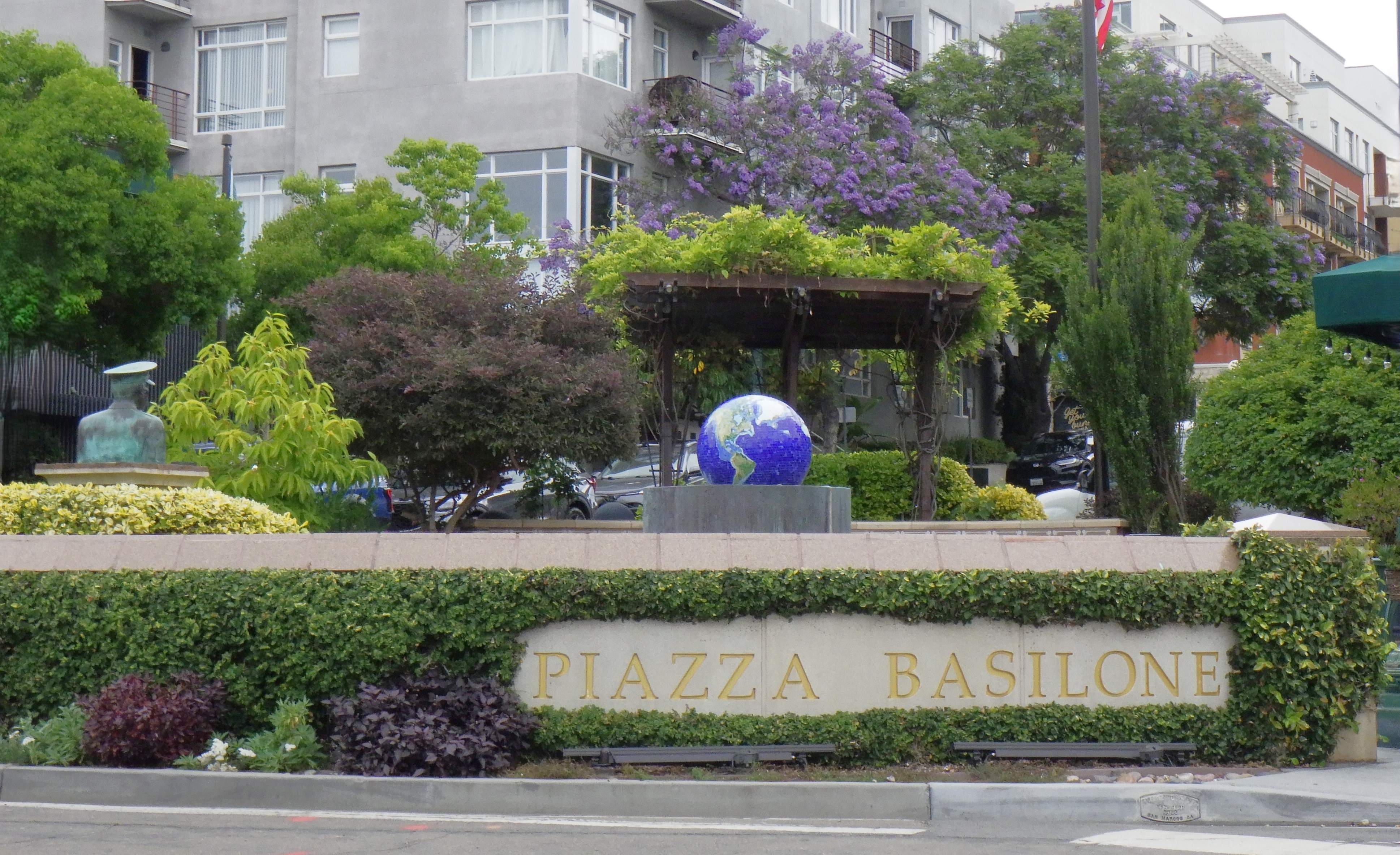
Our seven-mile walk began through the quiet Sunday streets of Little Italy, where, to our delight, we actually overheard locals chatting in Italian.
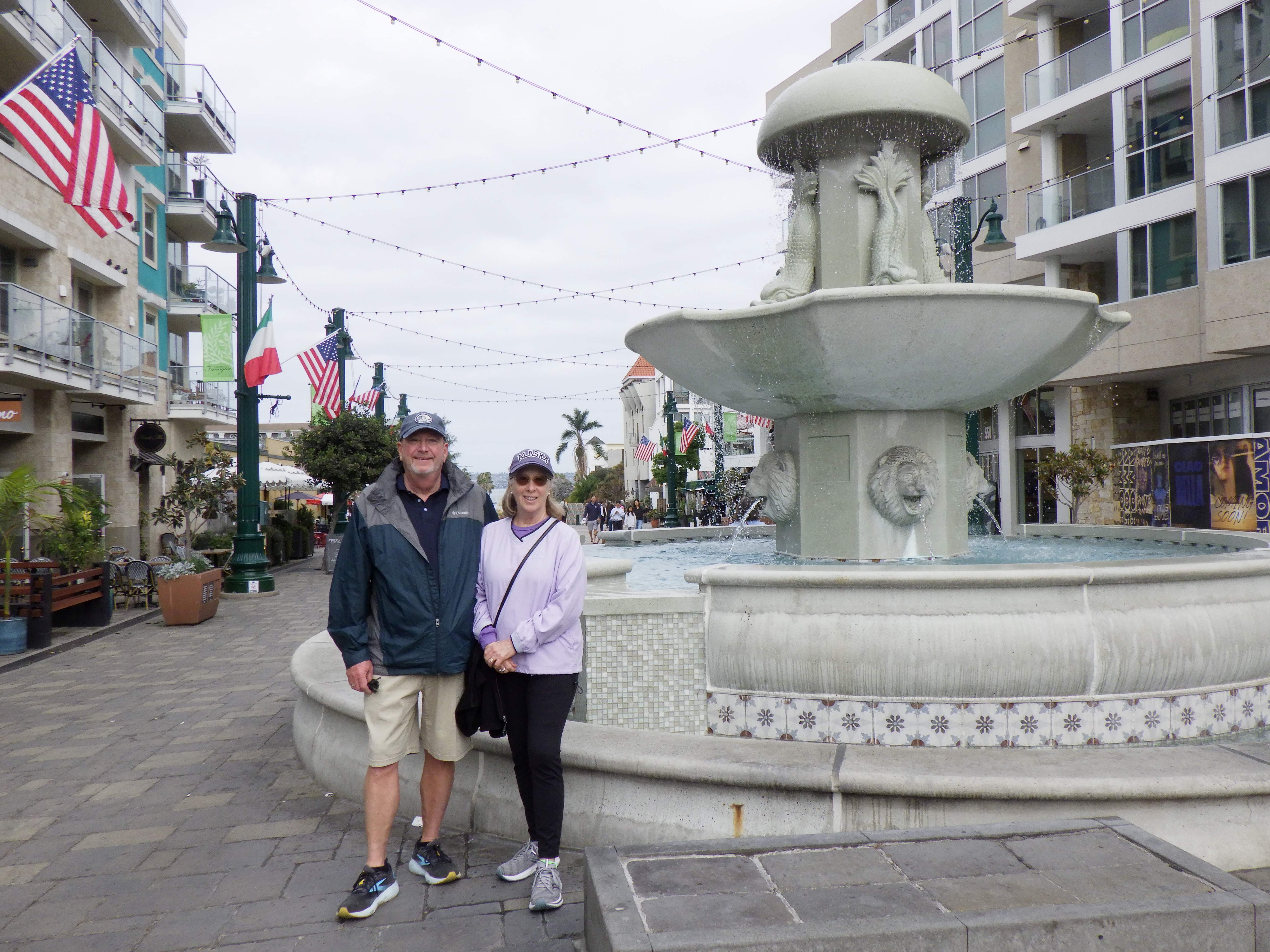
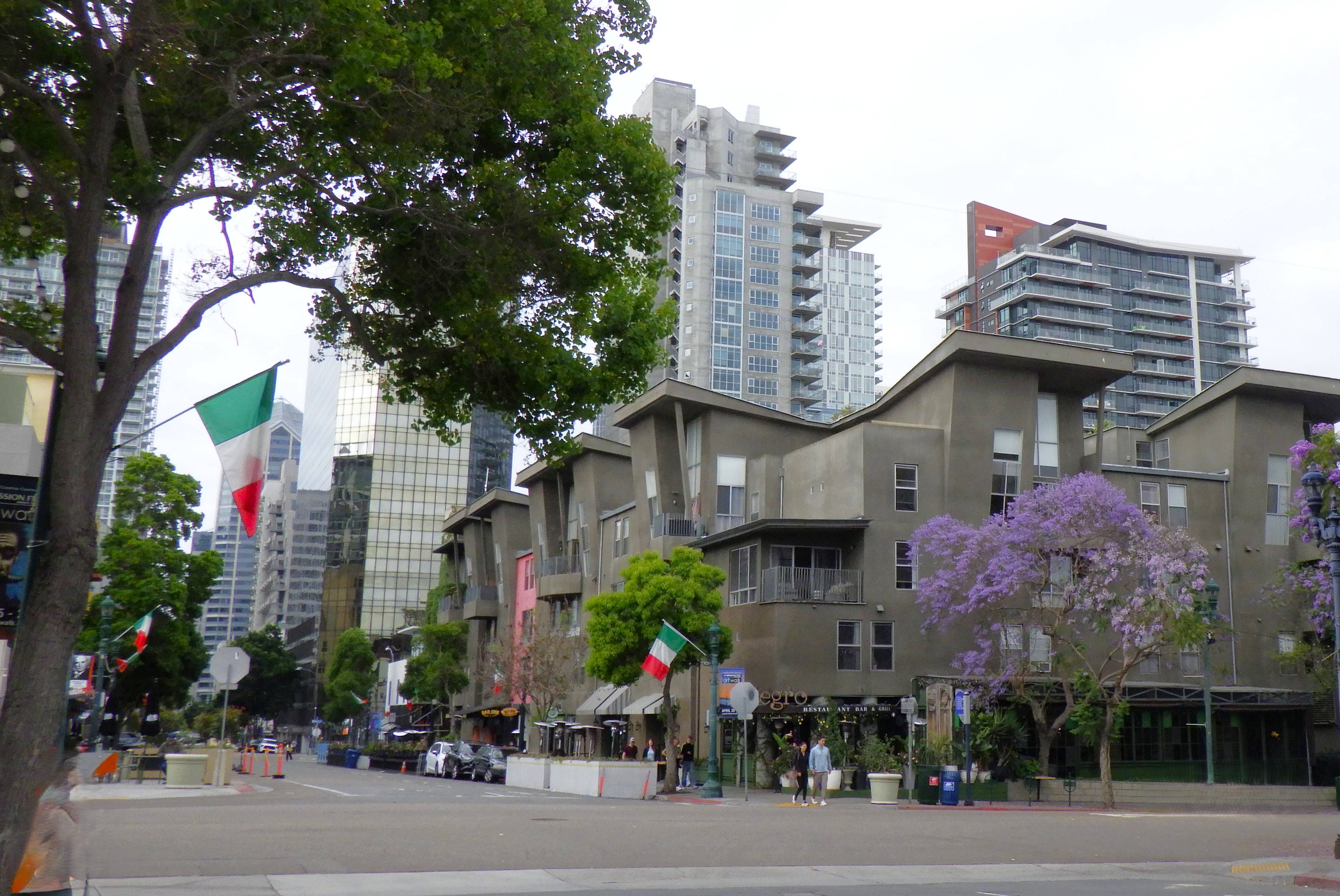
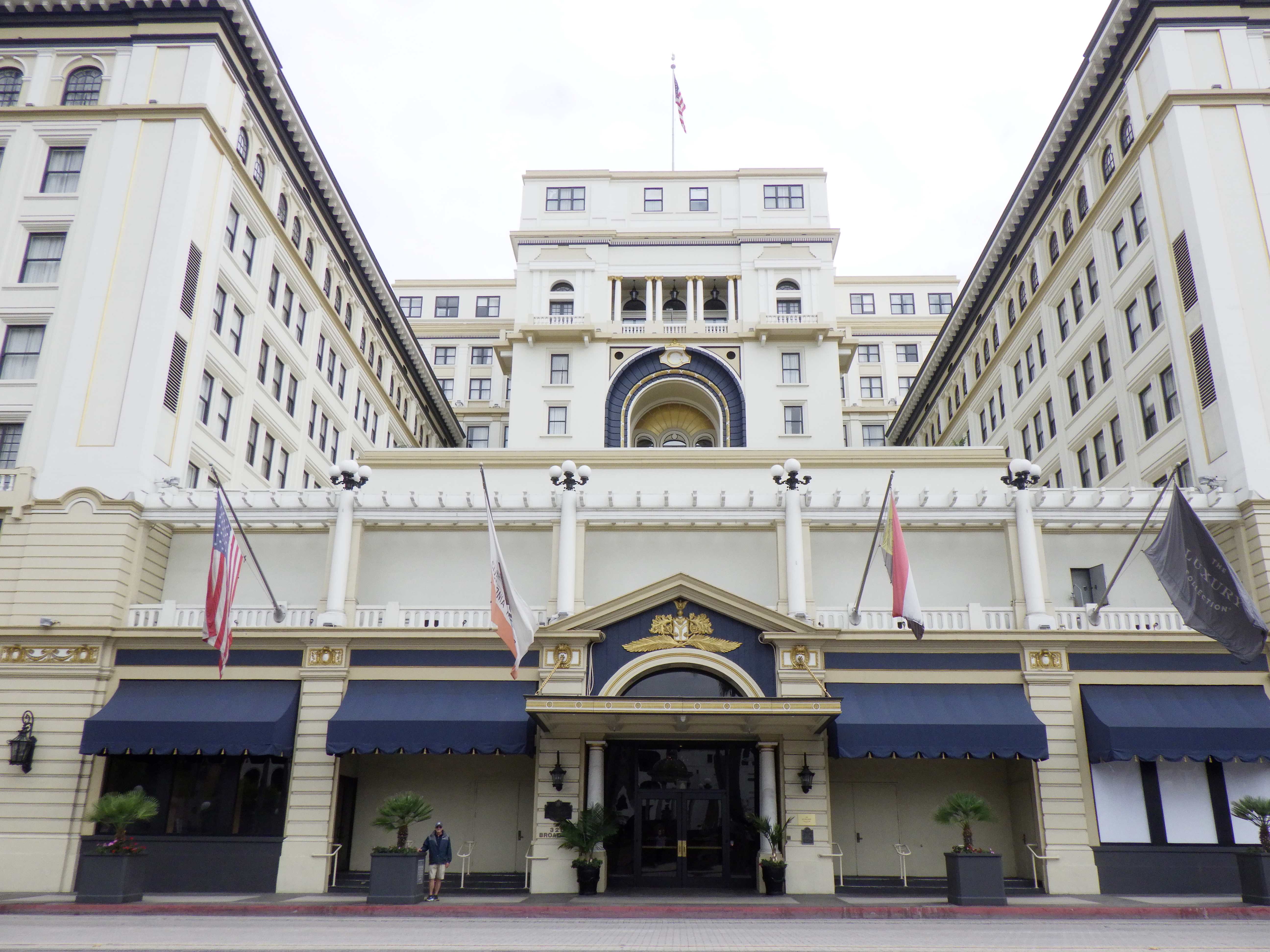
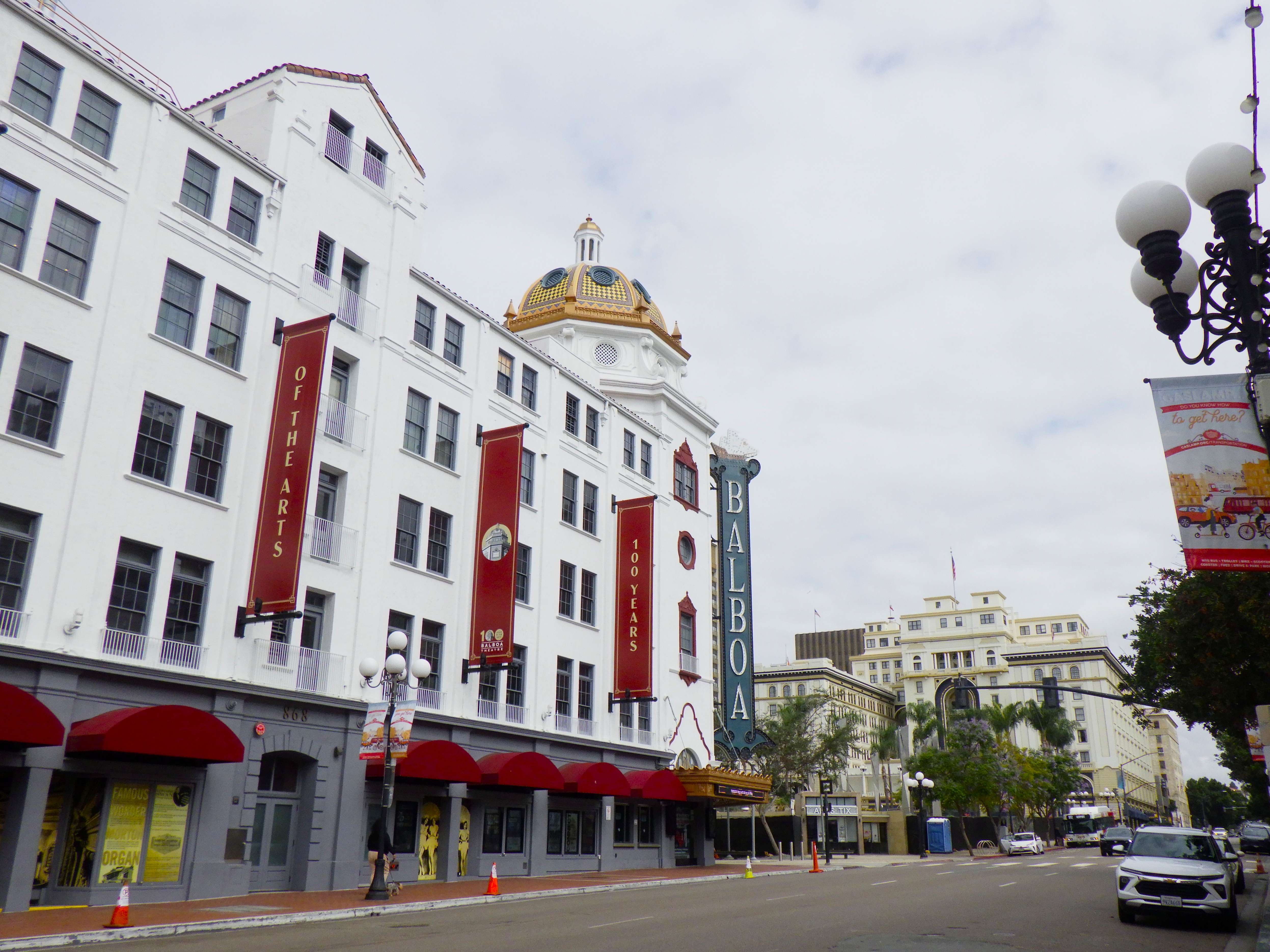
From there, we wandered into the historic Gaslamp Quarter, admiring its beautifully preserved architecture, including the elegant The US Grant Hotel and the historic Balboa Theatre.
Lunch was casual and satisfying at The Melt, before we continued toward the waterfront, passing the sprawling San Diego Convention Center—which prompted me to peek inside for a moment and reminisce about past work trade shows there. They sure were a lot of work, but also really fun times with some great colleagues! (Miss you guys!!)
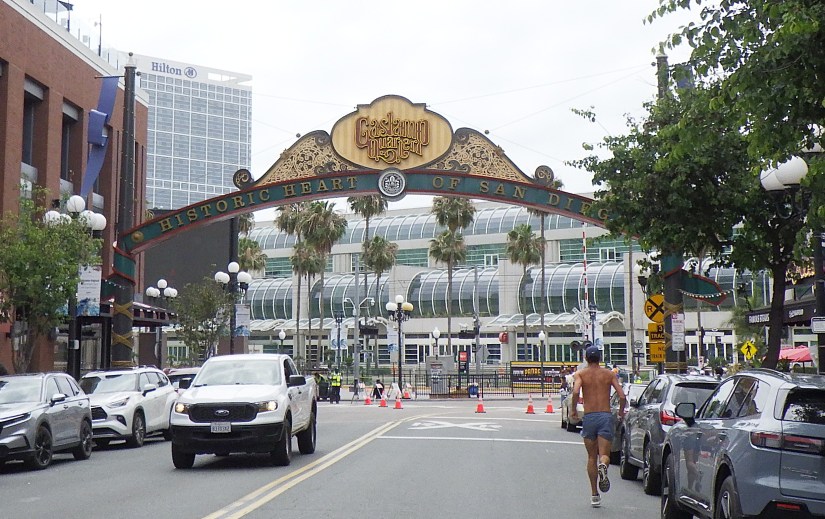
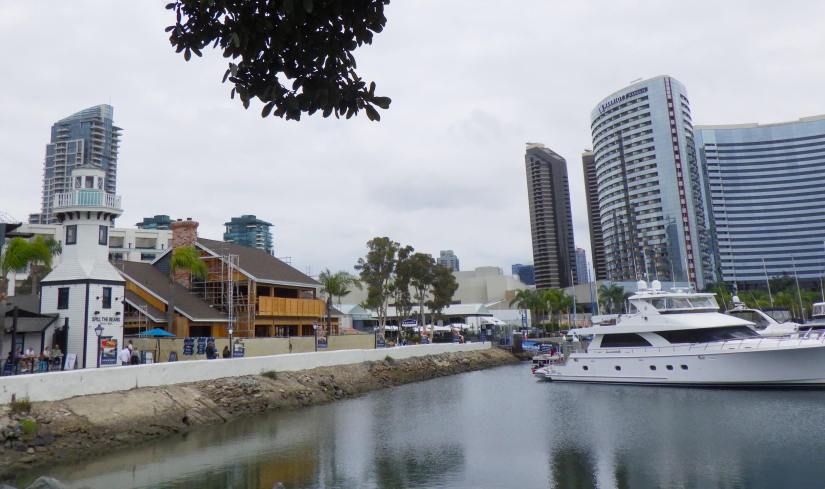
Then our route took us down the grand staircase to Embarcadero Marina Park, through colorful Seaport Village, past the towering silhouette of the USS Midway, and eventually back to the ship. Seven miles later, our feet were tired, but our wanderlust was fully satisfied—again.
Volendam will now drop further south, following the coastline of Central America before one final milestone—our transit of the Panama Canal on the upcoming last leg of this remarkable journey. Stay tuned.
Discover more from Life in Nautical Miles
Subscribe to get the latest posts sent to your email.


What a wild exciting time you guys are having!
Lynne
LikeLiked by 1 person